



White Marble Garden Table
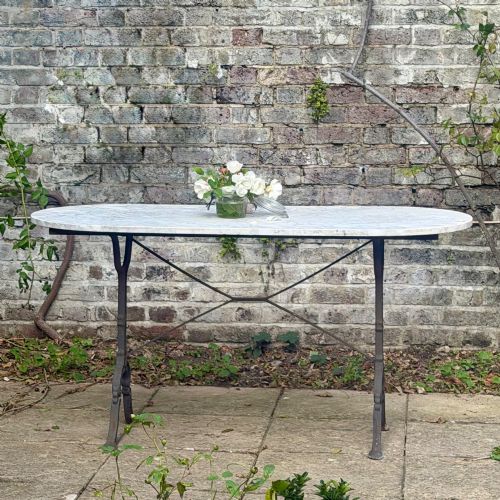
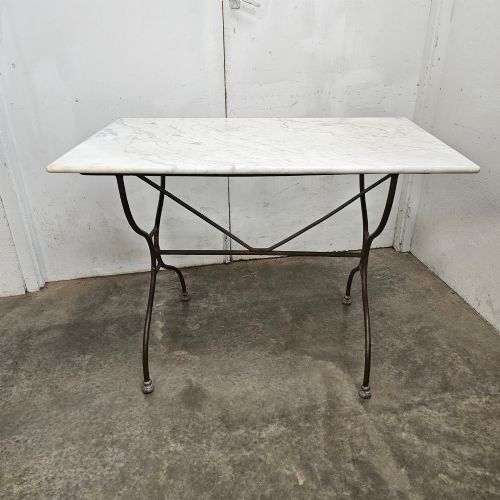
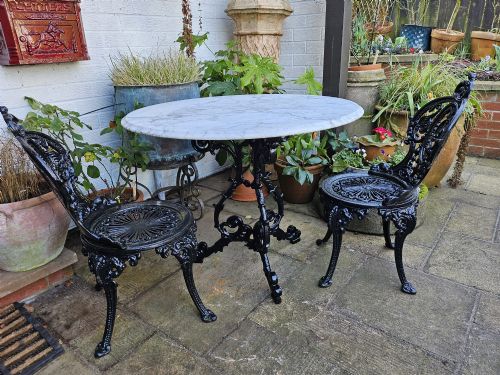
A white marble garden table brings durable stone and metalwork together for outdoor dining.
White Marble Garden Table
When you search for a white marble garden table, you are looking at sturdy outdoor furniture combining stone tops with metal bases. These pieces serve practical functions in gardens, conservatories, and patios while offering a classic surface for dining or display.
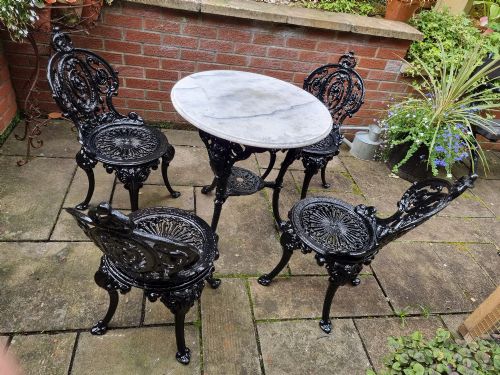
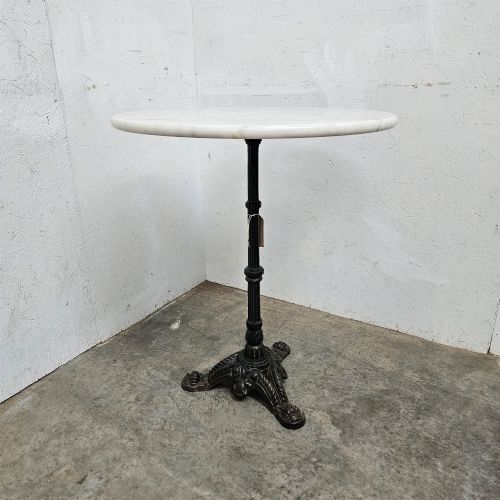
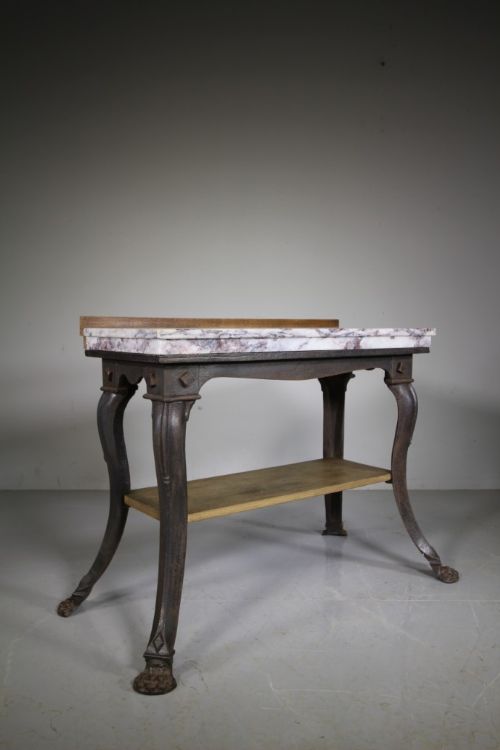
The versions you are most likely to meet on this page span the Victorian era, the nineteenth century, and the early twentieth century. They appear primarily in forms such as bistro tables, console tables, side tables, and larger garden tables or dining sets.
Origin details in the evidence point strongly towards French and English traditions, including French bistro, country, chateau, and nineteenth-century styles. These geographic influences shape the particular proportions and decorative ironwork found across the selection.
How they were made
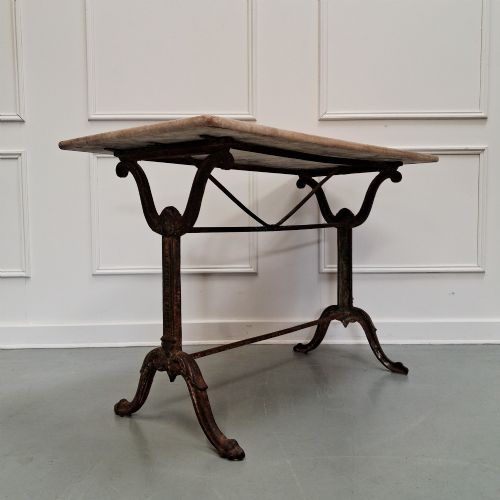
The construction relies heavily on durable metals paired with heavy stone surfaces. Workshops utilised cast iron and wrought iron for the structural bases and frames, providing the necessary weight to support thick stone.
Tops are cut from marble, specifically white marble and green marble variants, resting upon the metal supports. Additional materials such as wood and brass appear occasionally, while some nineteenth-century examples feature painted finishes over iron.
White Marble Garden Table Retail Price Guide 2026
Typical asking prices for white marble garden table among the pieces listed under this phrase on Sellingantiques today, from the lower quarter to the upper quarter. They describe what is for sale here now, not the wider market.
The listings show pieces spanning the nineteenth century through to nineteen-thirty, predominantly featuring cast iron, wrought iron, and white marble.
What varies in quality
The distinction between ordinary and superior examples lies in the refinement of the metal casting and the character of the stone. Finer pieces display crisp detailing in the ironwork and well-proportioned bases that provide stable support without appearing overly bulky.
The quality of the marble top also dictates the overall standing of the piece. Uniformity in the stone, subtle veining, and careful edge profiling separate standard utility tables from more decorative conservatory and salon pieces.
The White Marble Garden Table Glossary
- Cast iron
- A strong, rigid alloy poured into moulds to create decorative and structural furniture bases. It provides the heavy foundation required for stone tabletops.
- Wrought iron
- Iron heated and hammered into shape by hand, resulting in strong, fibrous structural elements. It is often seen in slender scrollwork on table bases.
- Console table
- A table designed to stand against a wall, typically featuring a flat top supported by brackets or legs. In garden settings, these often utilise heavy iron frames.
- Bistro table
- A small table originally designed for commercial cafes and eateries. These typically feature round marble tops and compact cast iron bases for easy seating.
White Marble Garden Table: Frequently Asked Questions
Can I leave a white marble garden table outside?
These tables incorporate robust metal bases and heavy stone tops designed for outdoor or conservatory environments. However, extreme weather can affect stone and painted iron over long periods.
Protective covers or storing the tables indoors during harsh winter months helps preserve the materials and finish. Regular cleaning prevents weathering from dulling the surface of the marble.
How do I identify a Victorian table?
Victorian examples often feature distinct casting marks, heavier proportions, and specific decorative iron motifs popular during the nineteenth century. Examining the construction of the iron base provides clues to the manufacturing period.
Stylistic cues align with documented nineteenth-century French and English designs found in the archive. Comparing the leg profiles and stretcher designs helps confirm the era.
Are these tables heavy to move?
The combination of solid stone tops and iron bases creates substantial weight. This heaviness provides stability outdoors but requires care when relocating the furniture.
Lifting the stone top separately from the base, where possible, makes repositioning much easier. Two people are typically needed to move these items safely across a garden or patio.