
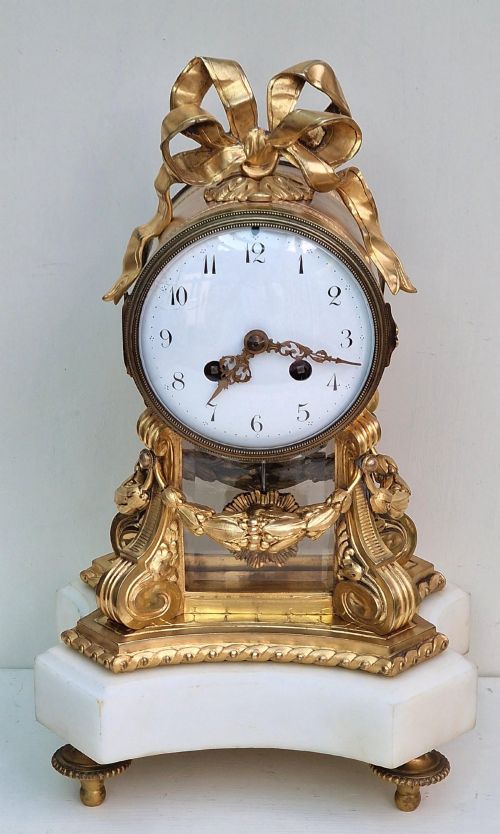
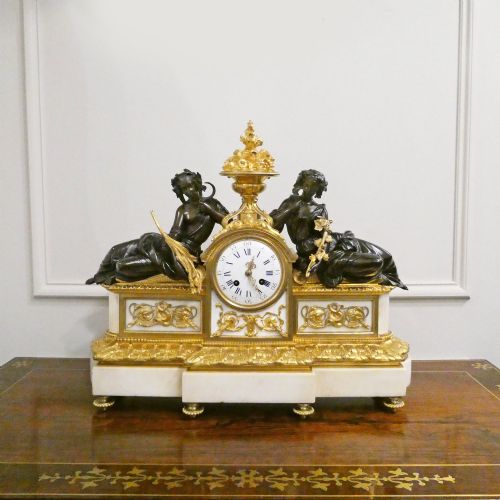
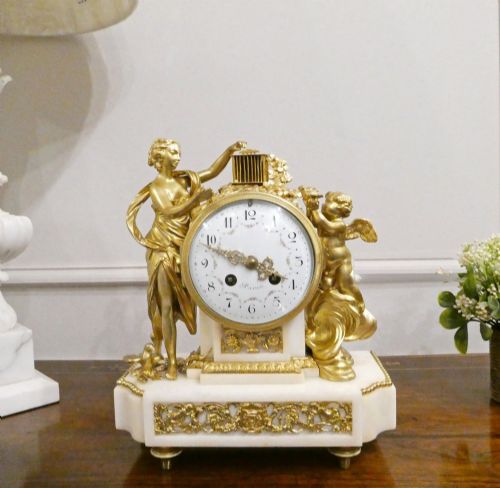
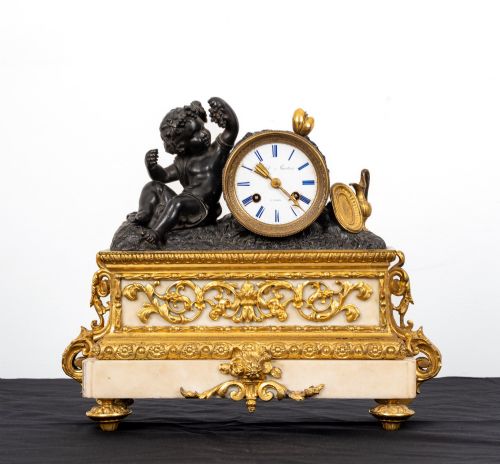


White Mantel Clock
When you search for a white mantel clock, you are looking at items built from marble, ormolu and bronze that hold time on a fireplace.
White Mantel Clock
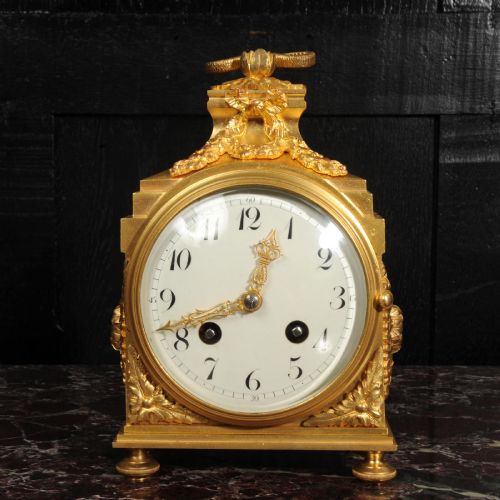
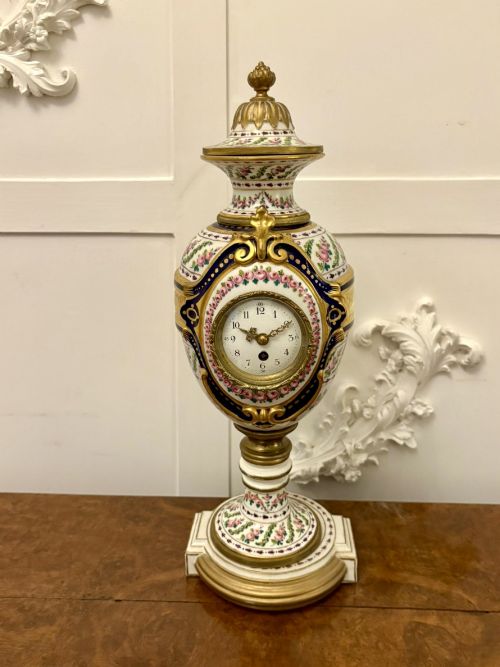
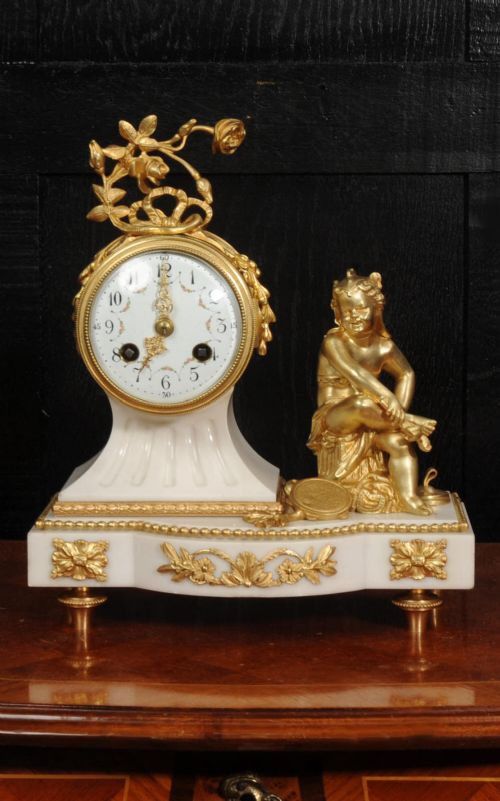
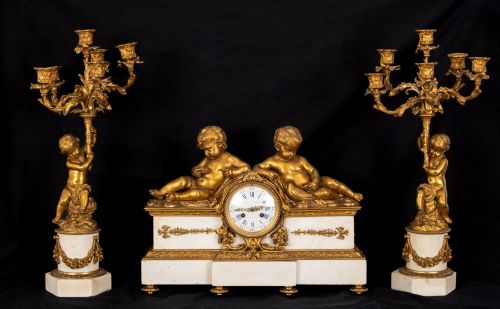
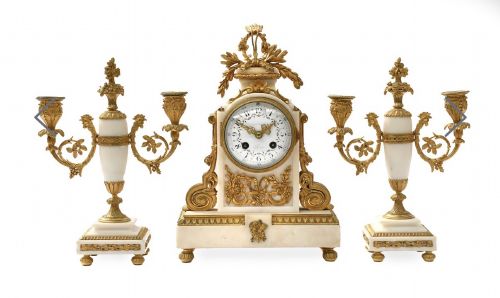
A white mantel clock is a timekeeping object designed to sit upon a fireplace surround, typically constructed from white marble paired with metal mounts. These items appear frequently in French nineteenth-century designs, often taking the form of architectural structures, urns, or figural compositions involving putti and cherubs.
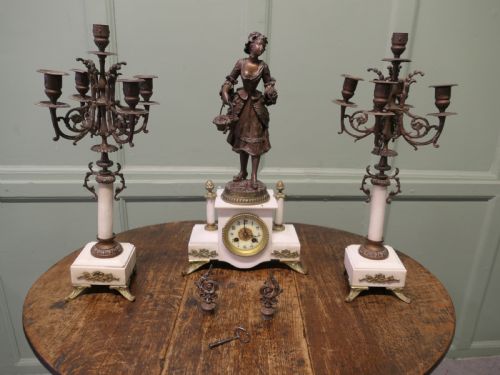
The selection ranges from simple architectural marble bodies to elaborate clock garniture sets that include matching candelabras. Alongside French examples, English makers produced gilt and brass variations during the Victorian period, utilising similar clockwork movements housed in traditional cases.
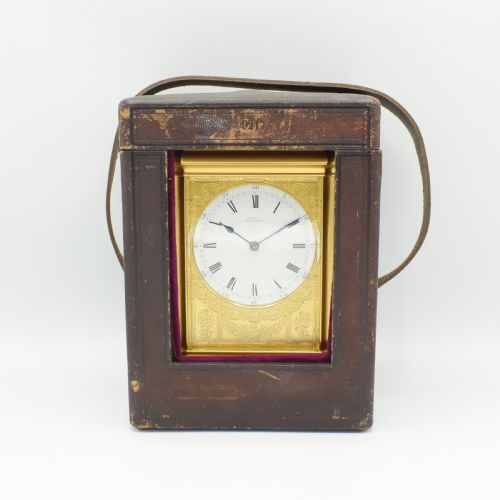
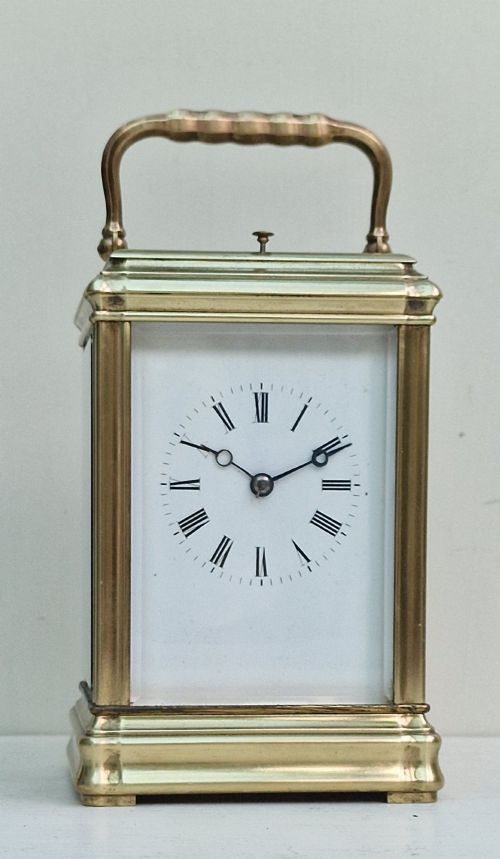
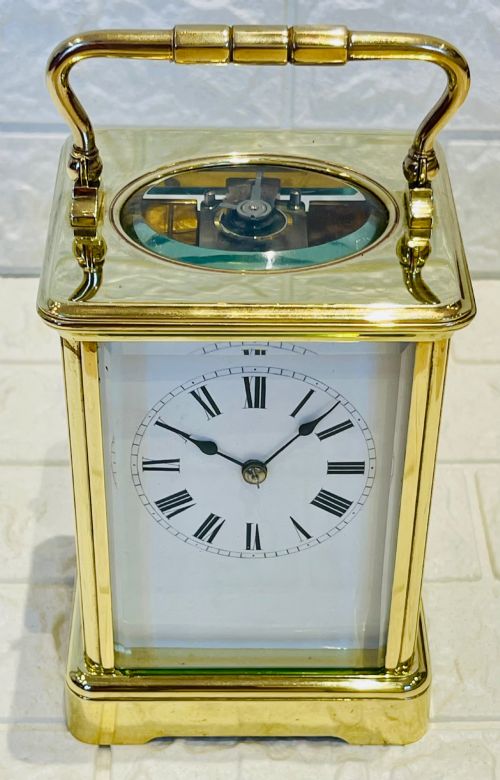
Buyers also encounter smaller portable designs such as carriage clocks alongside large table models. The core aesthetic relies on the contrast between pale stone and gilded bronze or ormolu.
How they were made
Makers shaped white marble into columns, plinths, and urn bodies, then combined the stone with cast bronze components finished in gilt or ormolu. These metal mounts were secured to the marble body using threaded pins and screws.
Enamel dials, often hand-painted with numerals, sat behind glass bezels within brass or gilt frames. Movements relied on mechanical brass gear trains driven by springs or weights, housed inside the stone or metal chassis.
Several clocks feature tiny bronze putti lounging against marble columns, keeping watch over the passing hours.
What varies in quality
Quality shows in the weight and purity of the white marble and the precision of the cast bronze or ormolu mounts. Finer pieces feature deeply chased metalwork and hand-painted enamel dials rather than plain printed faces.
The reputation of the maker also dictates distinction, with signed movements by established French and English makers commanding greater recognition. The integration of matching side pieces in a garniture set elevates the overall execution.
Japy Freres·Vincenti·Siffel and Cartier·Pickford of London·Berger Paris·Thwaites of London·Louis Goret Paris·Sacre·Delépine Barrois·Paul Garnier·L Beche Le Mans·Samuel Marti·Nicoll Great Portland St London
The White Mantel Clock Glossary
- Ormolu
- Gilt bronze produced by applying a mercury and gold amalgam to cast bronze and firing it. This technique gives the metal a distinctive matte golden finish.
- Garniture
- A set of matching decorative objects designed to be displayed together on a mantelpiece, usually comprising a central clock flanked by two candelabras or urns.
- Carriage clock
- A small, portable spring-driven clock with a carrying handle, originally designed for travel during the nineteenth century.
- Putti
- Depictions of chubby male infants, frequently used as sculptural figures in bronze or marble on nineteenth-century clock cases.
- Fusee
- A conical pulley used in mechanical clocks to maintain an even pull on the gear train as the mainspring unwinds.
White Mantel Clock: Frequently Asked Questions
How do I wind a mechanical mantel clock?
Mechanical mantel clocks use a key inserted into holes on the enamel dial to tension the internal springs. Winding should be done gently until resistance is felt.
Most traditional models require winding every eight days, though some carriage clocks and specialised movements vary in their operational intervals.
Where were these clocks made?
The majority of these pieces originate from French workshops and factories active during the nineteenth century. Paris was a major centre for the production of ormolu and marble clock cases.
English makers in London also contributed significant carriage and mantel clock designs during the same period, often marking their movements on the brass plates.
How do I tell different periods apart?
Periods are identified through stylistic cues and architectural details present in the case design. Louis XVI Revival pieces display neoclassical symmetry, columns, and urns, while later Victorian items often incorporate heavier figural elements.
Signatures on the enamel dials or mechanical movements provide concrete dating evidence alongside specific material choices like white Carrara marble.