



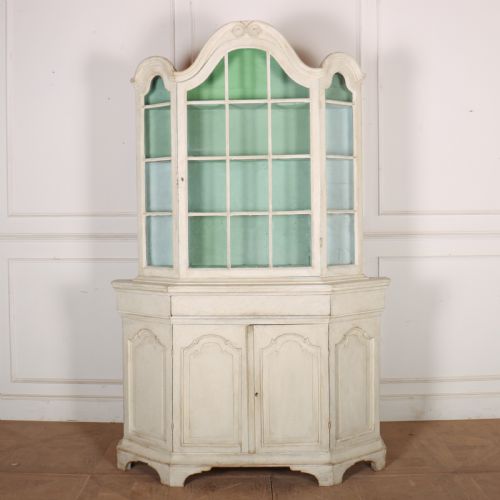


White Glazed Display Cupboard
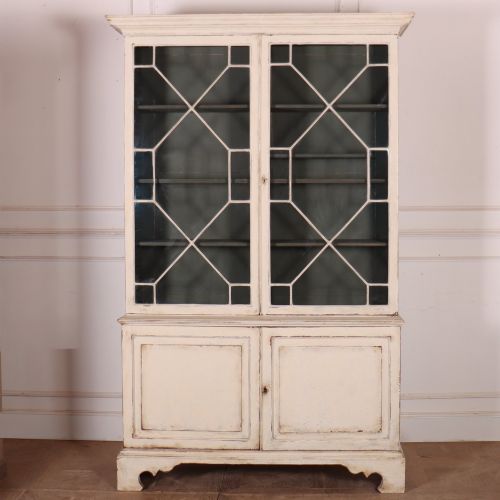
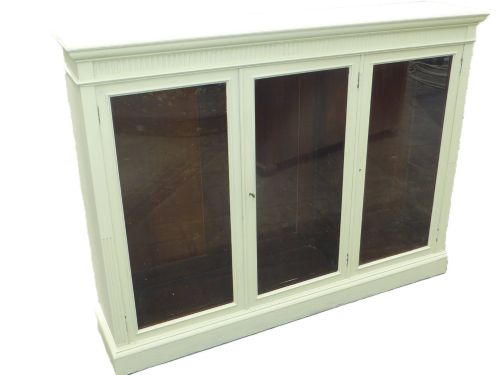
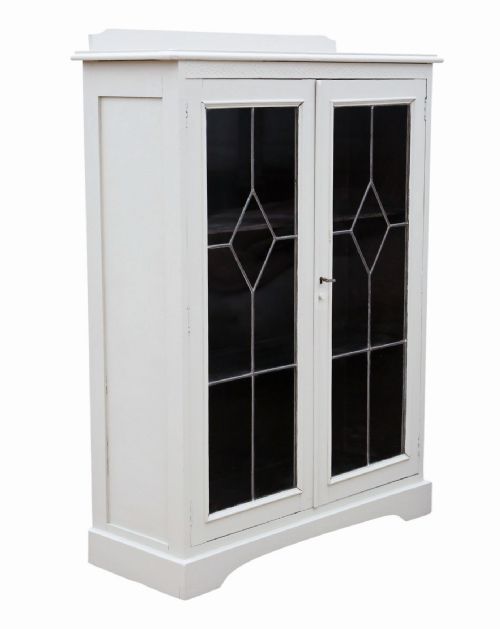
These white glazed display cupboard examples combine glass and painted timber to house and reveal your books and china with country or period charm.
White Glazed Display Cupboard
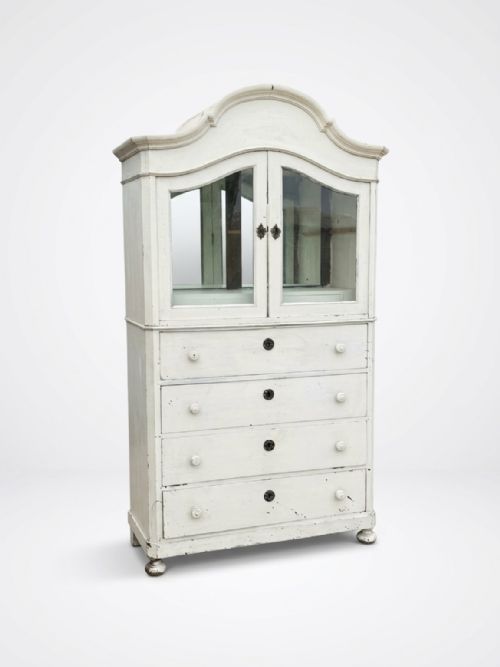
When you search for a white glazed display cupboard, you encounter a selection of cabinets, bookcases, and vitrines designed to exhibit collections while keeping dust at bay. These pieces range from eighteenth-century Dutch vitrines and English painted bookcases to nineteenth-century Swedish bonnet top cabinets and French provincial styles.
The version you are most likely to meet on this page is a nineteenth-century painted timber cabinet featuring glass panels and adjustable shelves. Many examples lean towards English country, Swedish country, and French chateau aesthetics, often finished in white or cream paint.
Alongside dedicated display cabinets, the selection includes related forms such as kitchen dressers, credenzas, and medical cabinets. These incorporate glazed doors and open shelving, serving similar display and storage functions in domestic interiors.
How they were made
Makers constructed these cabinets using timber carcases, frequently employing pine, painted wood, mahogany, walnut, or rosewood. Surfaces were traditionally painted in white or cream, while structural elements and doors incorporated glass panes secured with lead.
Hardware played both a functional and decorative role, with brass fittings and iron details appearing on doors and drawers. Glazing bars divided the glass into panes, allowing natural light to illuminate the interior shelves.
Listings span the eighteenth, nineteenth, and twentieth centuries, encompassing Victorian, Art Deco, and industrial pieces.
What varies in quality
The distinction between a standard utility piece and a finer cabinet lies in the joinery, timber selection, and proportion. Finer examples display balanced breakfront designs or sophisticated bonnet tops, whereas simpler vernacular pieces rely on straightforward painted pine construction.
Surface treatment significantly influences character, as original layered paintwork differs from later repainting. The integration of brass hardware and the crispness of the glazing bars further separate ordinary storage from more distinguished display furniture.
The White Glazed Display Cupboard Glossary
- Bonnet top
- A curved or arched upper pediment resembling the shape of a bonnet. This architectural feature appears frequently on eighteenth and nineteenth-century provincial cabinets.
- Breakfront
- A cabinet front where the central section projects forward from the flanking wings. This configuration creates visual depth and structure.
- Credenza
- A side cabinet originally used for serving food or displaying plate. In later periods, the form evolved into a glazed display unit.
- Glazing bars
- The narrow strips of wood or metal that hold individual panes of glass within a sash. Their arrangement dictates the geometric pattern of the door.
White Glazed Display Cupboard: Frequently Asked Questions
Where should I place a white glazed display cupboard?
These cabinets suit dining rooms, sitting rooms, or hallways where books, ceramics, and glassware benefit from dust-free visibility.
Positioning them away from direct sunlight protects both the painted timber surfaces and the interior items on display.
How do I care for painted wood and glass?
Dust the painted exterior regularly with a soft, dry cloth to prevent grime accumulation on the finish.
Clean the glass panes using standard glass cleaner applied to a cloth rather than sprayed directly, protecting the surrounding timber and lead.
Can the shelves be adjusted?
Many nineteenth-century and later glazed bookcases feature adjustable shelving supported by wooden pegs or metal tracks.
This adaptability allows you to accommodate books or tall ceramic pieces of varying heights within the cabinet.
How do I distinguish regional styles?
Swedish and French country cabinets often display softer paint finishes and curved pediments, while English pieces tend toward straightforward breakfront or rectilinear proportions.
Examining the underlying timber and construction methods helps clarify the geographic origins of each piece.