
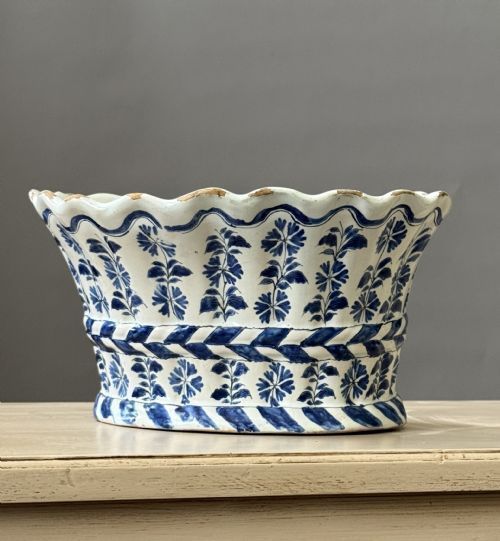
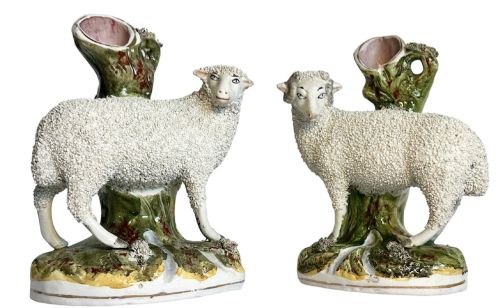


White Glaze Pottery Holder
These white glaze pottery holder pieces are characterful antique ceramics designed for domestic display and utility, offering historic charm for any collector.
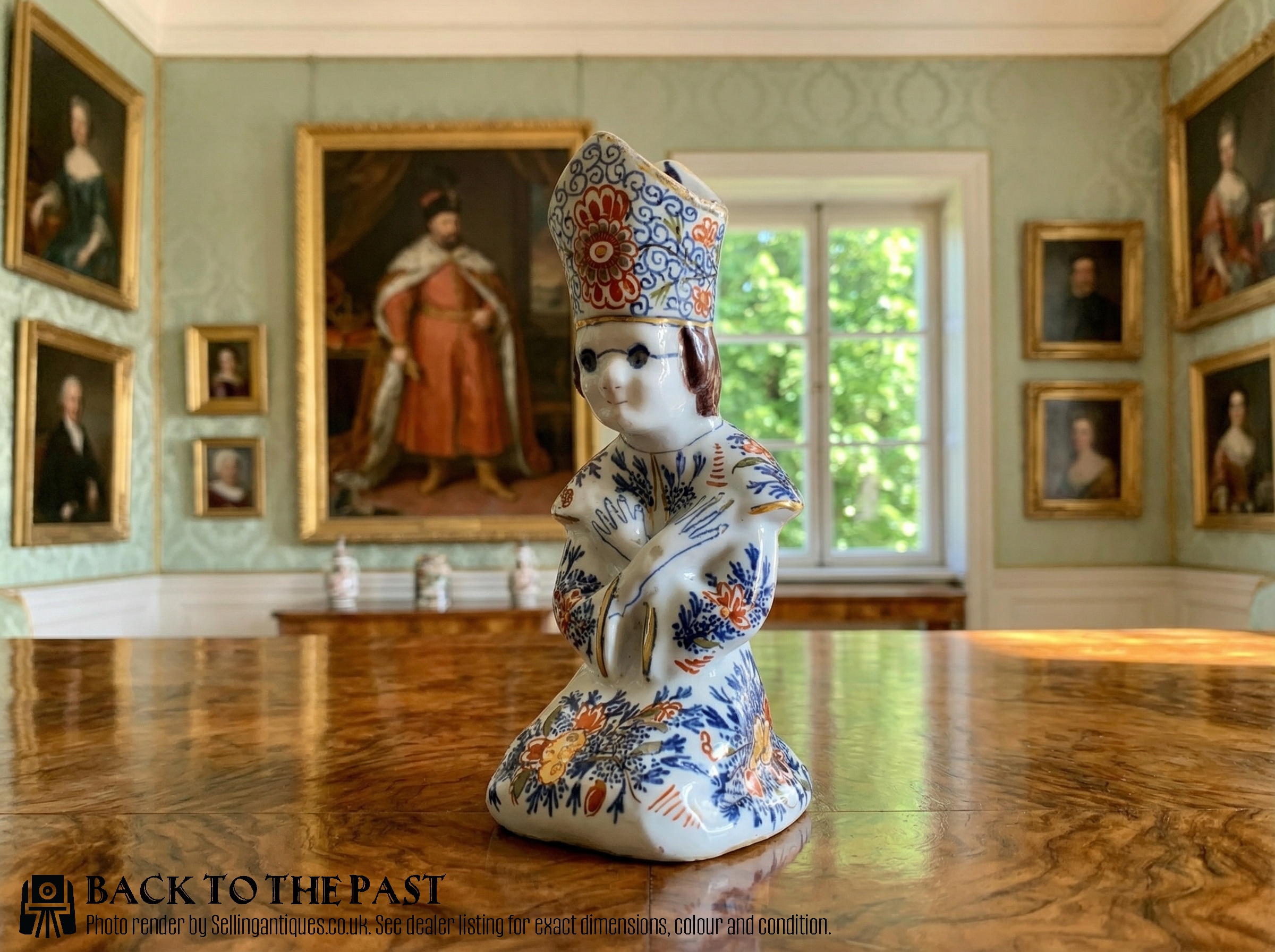
White Glaze Pottery Holder
When you search for white glaze pottery holder, you are looking at a diverse selection of antique ceramic vessels and figures that incorporate practical holders and containers. These range from inkstands and inkwells to quill holders, spill vases, bough pots, and watch-holders.
The pieces on this page span the eighteenth and nineteenth centuries, taking in periods such as the Victorian era, the eighteenth century, and eighteen eighty, alongside nineteenth century examples. Stylistic influences include Dutch Delft, Delftware, French Country, and Renaissance Revival.
You are most likely to encounter Victorian Staffordshire figures and earthenware items, alongside Dutch Delft and French Faience. Forms include charming animal figures such as sheep, dalmatians, dogs, and chickens, as well as figural groups and traditional vases.
How they were made
Potters utilised earthenware and ceramic bodies as the foundation for these items, applying glazes such as tin glaze, lead glaze, and general glaze finishes to seal and decorate the surface. Some pieces also incorporate enamel and gold leaf details to enhance the visual appeal of the finished ceramic.
Techniques varied across different production centres, from the tin-glazed earthenware traditions of Dutch Delft and eighteenth century Dutch workshops to the moulded earthenware typical of nineteenth century Staffordshire potteries and French Faience.
Keep an eye out for ceramic dogs holding your quills.
What varies in quality
The standard of painting and hand-finishing separates simpler utility items from more ambitious decorative works, particularly on tin-glazed earthenware and polychrome Delft pieces where brushwork defines the character. Details such as facial expressions on figures and the crispness of moulded elements like quill holders and inkstands also indicate the skill of the original workshop.
Preservation of the original glaze and any delicate additions like gold leaf significantly influence the overall integrity of the piece. The complexity of the form, whether a simple spill vase or a detailed figural watch-holder, reflects the original ambition of the maker.
Cantagalli
The White Glaze Pottery Holder Glossary
- Delftware
- Tin-glazed earthenware produced in the Netherlands and England, known for its distinctive white surface and often blue or polychrome decoration. It became popular during the seventeenth and eighteenth centuries.
- Spill vase
- A small vertical container designed to hold wooden spills used for lighting candles and fires. These vessels are frequently modelled in ceramic or earthenware.
- Inkwell
- A small pot or reservoir for holding ink, often incorporated into a larger desk accessory or inkstand alongside pen holders. They were essential desk items before the invention of the fountain pen.
White Glaze Pottery Holder: Frequently Asked Questions
What is a white glaze pottery holder used for?
These ceramic pieces served various practical household functions, from holding writing ink and quill pens to containing flower spills or pocket watches. Many doubled as decorative ornaments for desks, mantelpieces, and side tables.
Over time, their utility shifted as writing habits and domestic interiors changed, leaving them today primarily as decorative antiques for display.
How do I date a nineteenth century piece?
Dating relies on examining the characteristics of the ceramic body, the type of glaze utilised, and the style of modelling or painting. Victorian pieces often display distinct Staffordshire moulding techniques and specific thematic subjects.
Comparing the base, wear patterns, and stylistic markers against known examples from the same period helps narrow down the timeframe.
Where were these ceramic items made?
The listings include pieces originating from different European centres, notably English Staffordshire potteries, Dutch workshops producing Delftware, and French regional kilns making Faience.
Each region employed distinct regional techniques, from English earthenware figure production to continental tin-glazed traditions.
How should I clean my antique pottery?
Antique ceramics require gentle maintenance using a dry or barely damp soft cloth to remove dust without harming the glaze or any delicate enamel and gold leaf details. Harsh cleaning agents or soaking should be avoided to protect the historic surface.
Displaying pieces away from direct sunlight and extreme temperature fluctuations helps preserve the earthenware body and glaze integrity.