


White Glass Shade Lamp
A white glass shade lamp brings a soft, diffused glow to a room, combining practical illumination with period character.
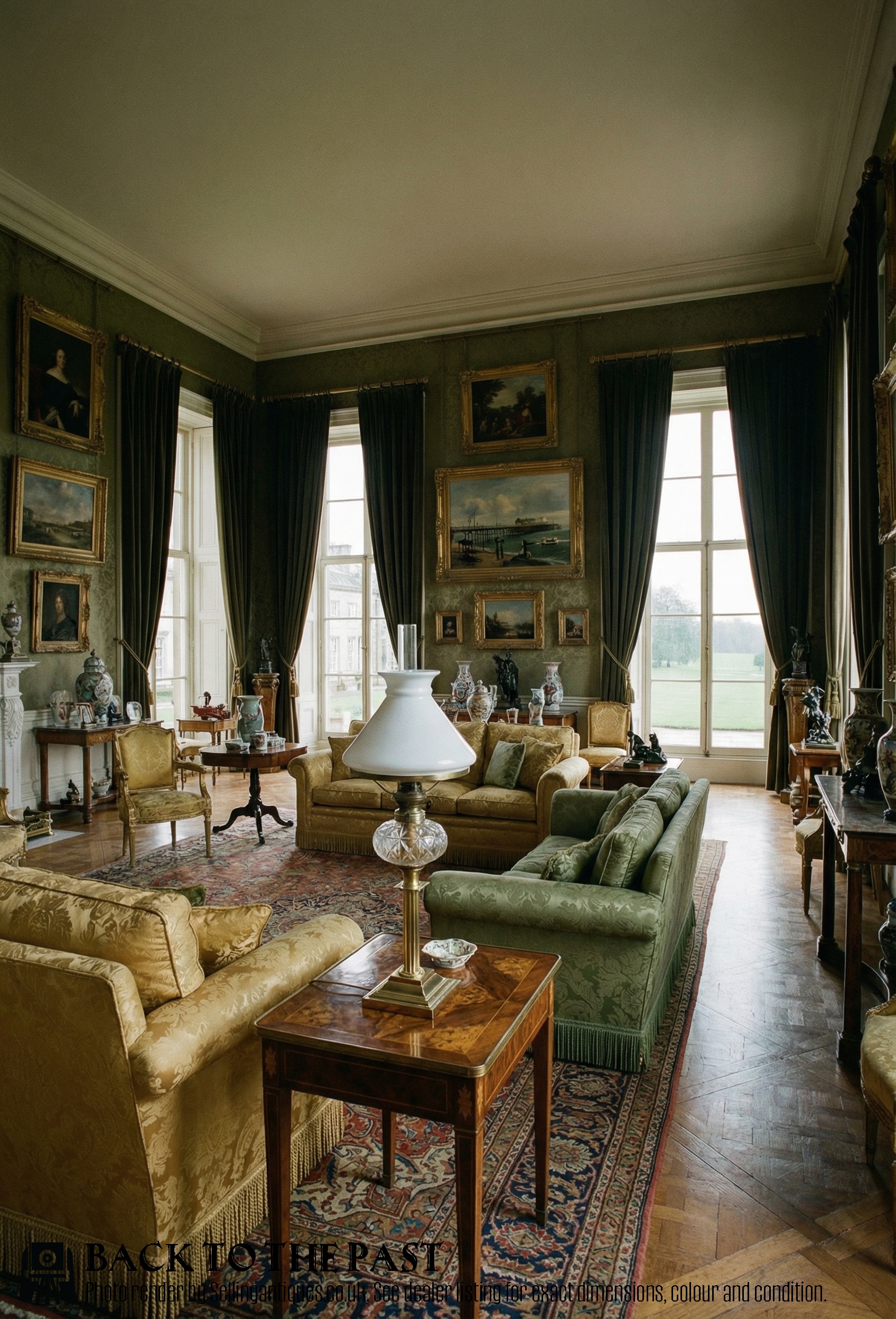
White Glass Shade Lamp
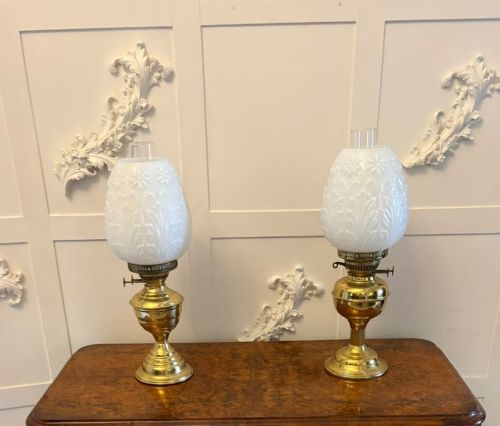
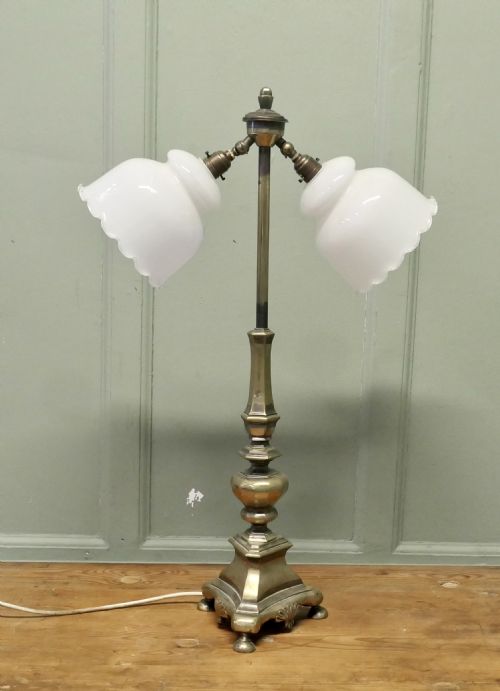
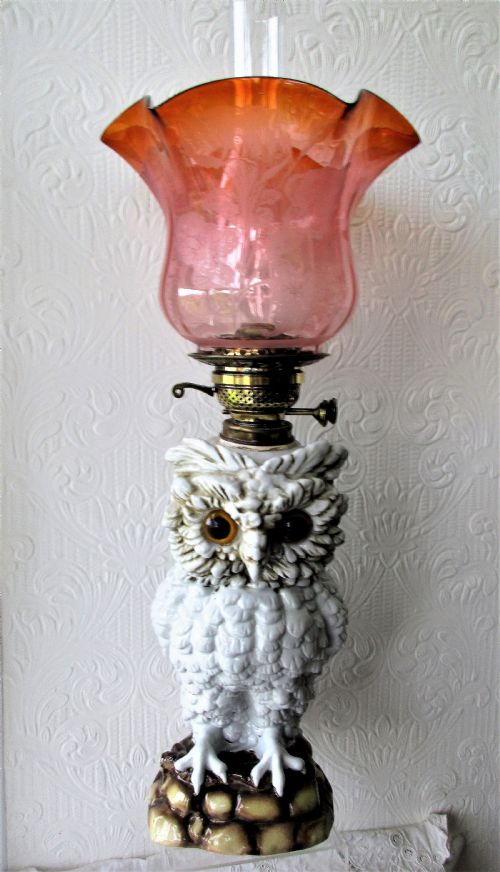
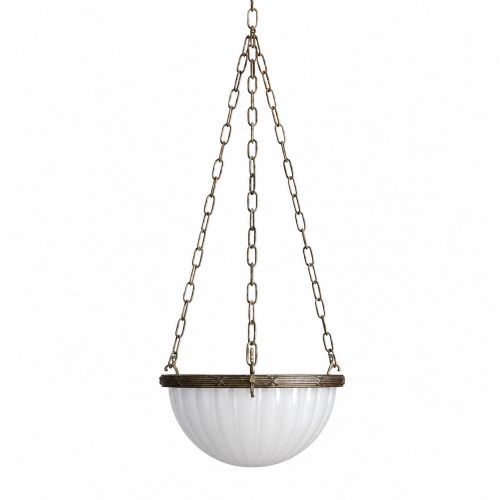
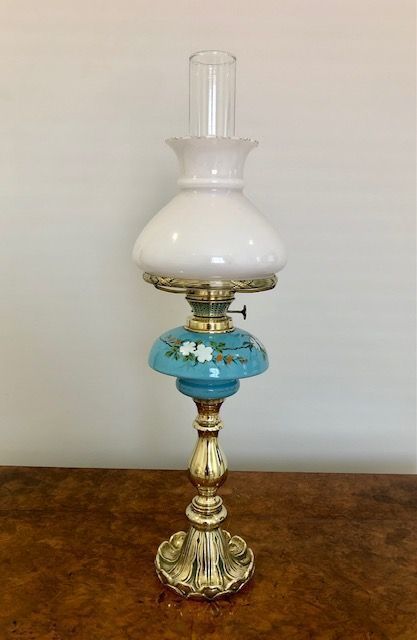
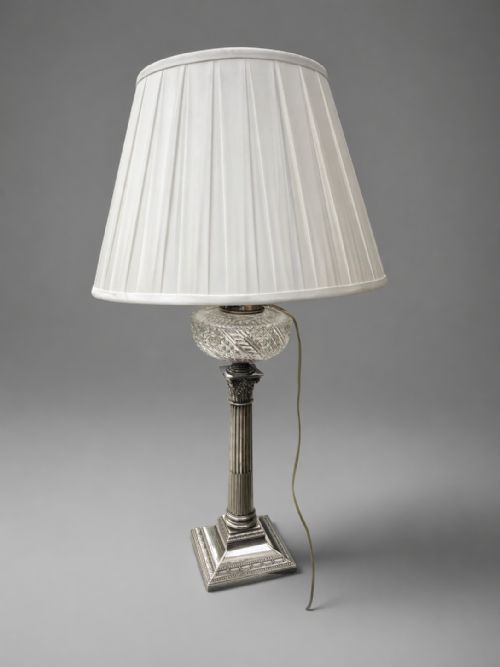
A white glass shade lamp encompasses a wide variety of forms spanning from the Victorian era through the Art Deco period, including oil lamps, pendant lights, and table lamps. When exploring a white glass shade lamp selection, buyers frequently encounter brass or ceramic fittings paired with opaline, milk, or moonstone glass components.
The evidence shows diverse origins and stylistic influences, ranging from industrial pendants and French country fittings to refined Edwardian oil lamps. Many examples date from the late nineteenth century and the early decades of the twentieth century, reflecting shifting domestic lighting technologies.
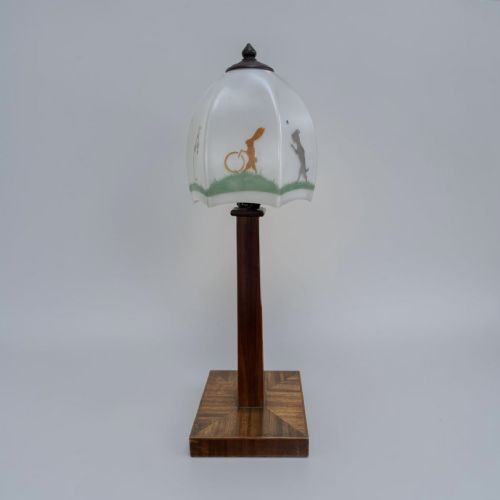
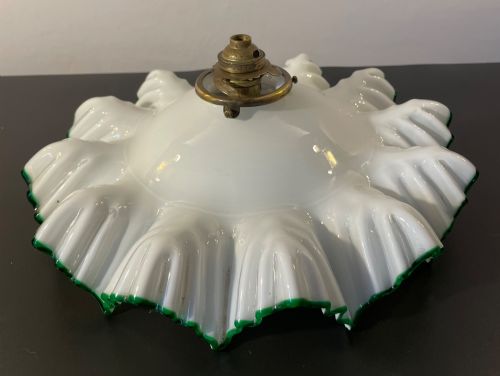
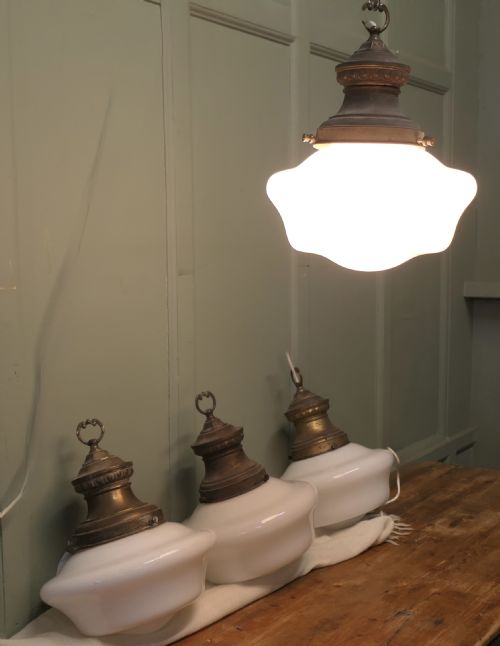
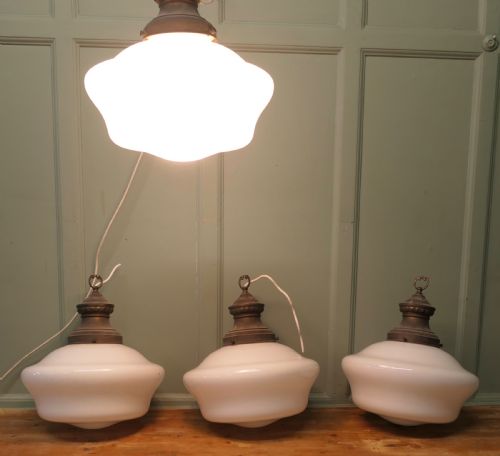
Table lamps and hanging pendants dominate the available forms, often featuring specialised shades such as frilled edges, conical profiles, or spherical globes. These pieces suit both traditional interiors and modern spaces seeking authentic historical accents.
Materials and construction
The construction typically unites a heavy metal base, fashioned from brass, ormolu, or silver plate, with a blown or moulded glass shade. Manufacturers utilised opaline and opal glass to soften the light emitted by oil burners or early electric bulbs.
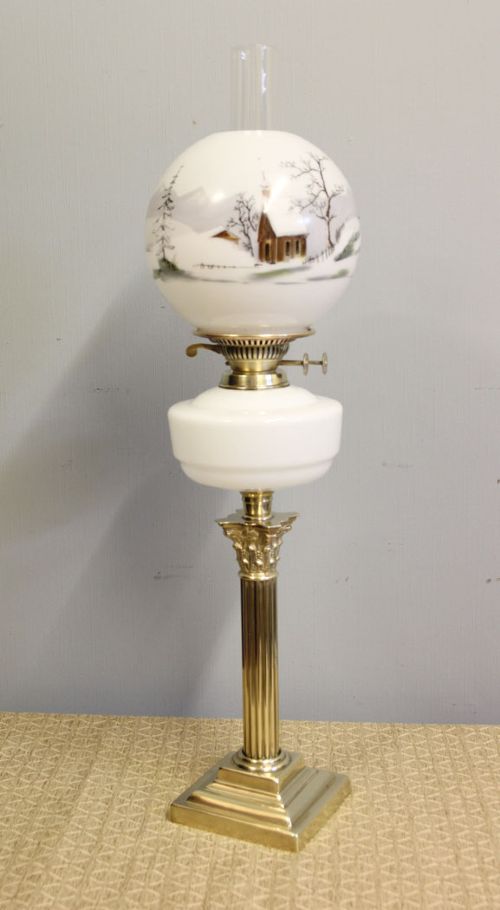
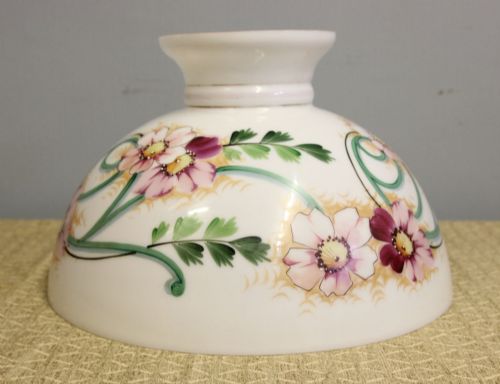
Secondary materials such as ceramic, porcelain, and mahogany provide structural support or decorative contrast on bases and columns. Shades frequently display hand-finished details, including painted motifs or ruffled edges formed while the glass remained hot.
Materials span brass, opaline glass, ceramic, and cut crystal across various lighting forms.
Assessing quality and craftsmanship
Quality rests upon the weight and finish of the metal mountings alongside the purity and consistency of the glass shade. Superior pieces display crisp casting in brass or ormolu and even distribution of colour within the opaline glass.
The relationship between the shade and the base dictates visual harmony, with finer examples retaining matching period components rather than later replacements. Intricate details such as cut crystal elements, hand-painted scenes, or marked maker fittings elevate the standing of an individual piece.
Sitzendorf·Wild and Wessel·Farraday and Son
The White Glass Shade Lamp Glossary
- Opaline glass
- A semi-opaque white glass developed during the nineteenth century to soften artificial illumination. It often takes on a subtle pastel tone depending on its exact mineral content.
- Ormolu
- Gilded bronze used extensively for decorative mounts and bases on high-end nineteenth-century lamps. The technique involves applying a mercury and gold amalgam to a bronze casting.
- Oil lamp
- A lighting device that burns liquid fuel via a wick, frequently converted to electricity in later periods. Many surviving examples retain their original glass shade and burner galleries.
- Pendant light
- A light fixture suspended from the ceiling by a cord, chain, or rigid rod. These often utilise large glass bowls or conical shades to direct light downward.
- Arts and Crafts
- A design movement emphasising handcraftsmanship and simple forms over mass production. Pieces from this tradition often feature honest metalwork and opalescent glass shades.
White Glass Shade Lamp: Frequently Asked Questions
How do I clean a vintage glass shade?
Wash the glass gently in warm, soapy water using a soft cloth, avoiding harsh abrasives that might damage painted or frilled surfaces.
Dry thoroughly before reattaching the shade to its brass or metal gallery.
Are these lamps converted to electricity?
Many antique oil lamps have been safely converted to run on modern household electricity while retaining their original burners and glass shades.
Check individual listings for details regarding wiring and electrical components.
What is the difference between opaline and milk glass?
Opaline glass is a translucent white glass that diffuses light with a characteristic softness and occasional fire.
Milk glass is generally more opaque and dense, developed later for utilitarian and decorative vessels.
Can I replace a broken shade safely?
Replacement shades can be sourced, though matching the exact period, fitter size, and glass opacity requires careful measurement of the gallery.
Original matching shades significantly enhance the character and integrity of an antique lamp.