




White Framed Floral Art
White framed floral art brings botanicals and still life subjects into interiors through paintings and framed artwork.
White Framed Floral Art
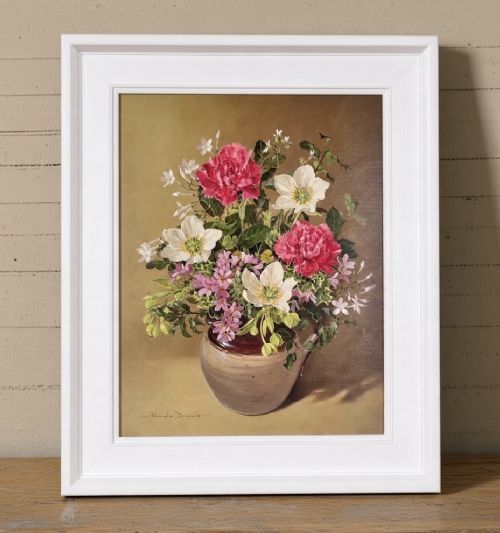
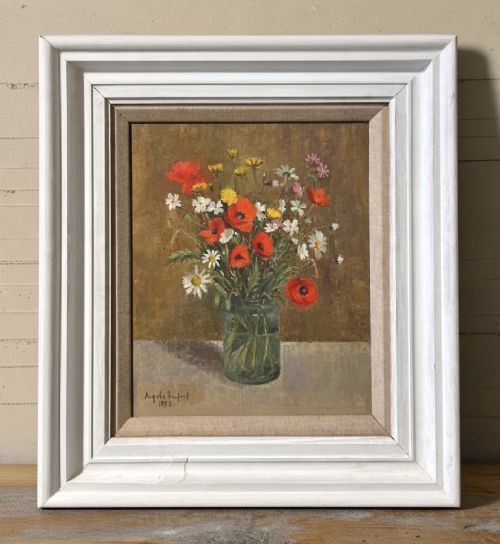
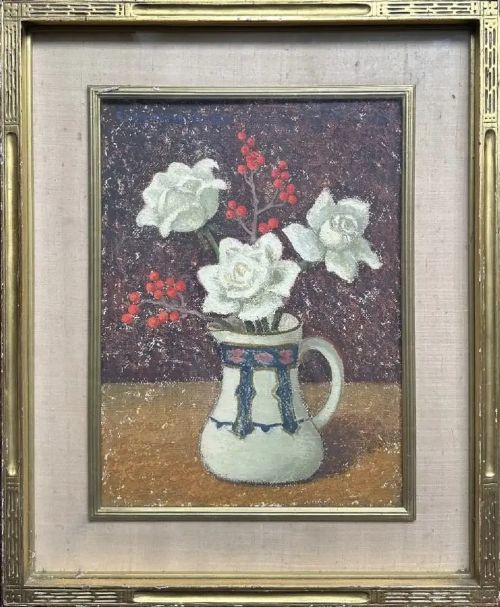
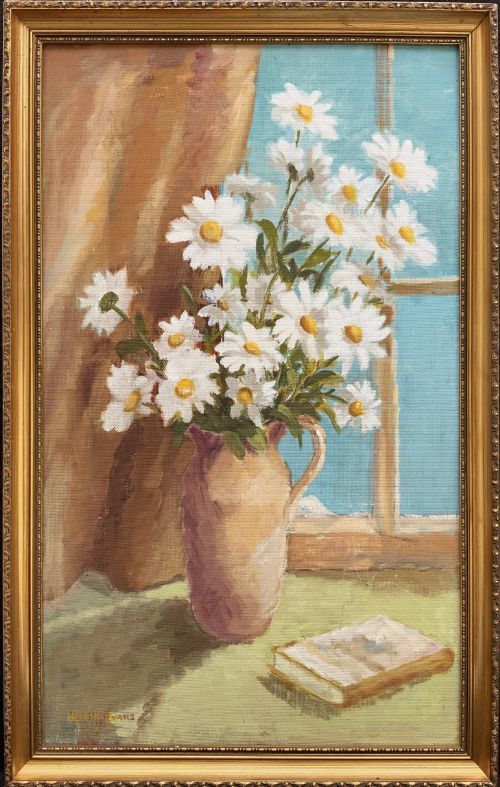
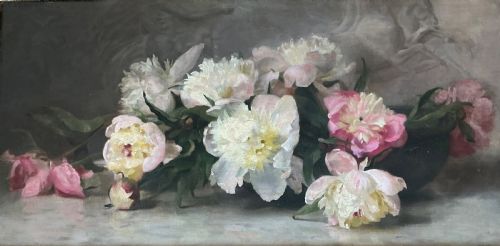
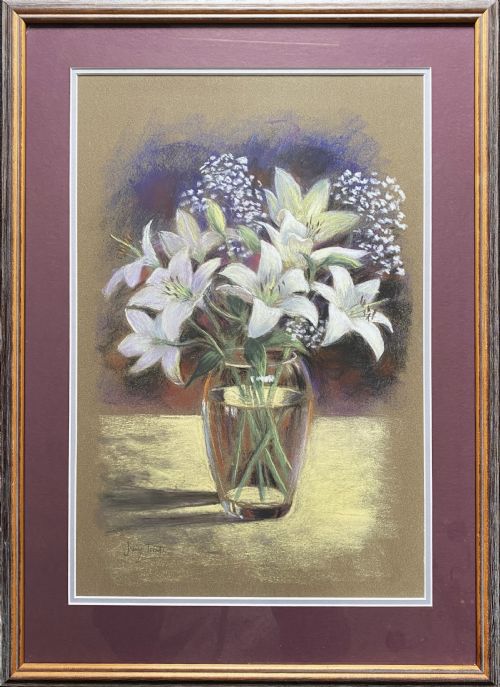
White framed floral art encompasses paintings, watercolours, and tempera works depicting flowers, stems, and arrangements set within white or painted frames. These pieces span periods from the eighteenth century through the Edwardian era to the mid-twentieth century and later.
The subjects range from traditional still life arrangements of peonies, roses, and gladioli in jugs to impressionistic botanical studies and delicate pastels. Artists approach these floral subjects with varied palettes, from soft watercolours to rich oil paints on canvas and paper.
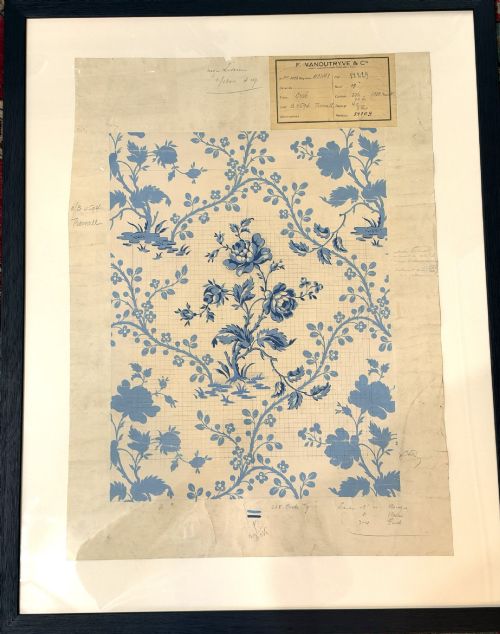
Buyers encounter works by named painters such as Pamela Davis, Angela Burfoot, and Stuart Armfield alongside pieces from the circle of Pierre-Joseph Redouté. The selection includes individual paintings and pairs of framed artworks designed for wall display.
Materials and technique
Artists record these botanical studies using oil paint, watercolour, pastel, and tempera applied to canvas, linen, and paper supports. Oil paints provide depth and texture for still life compositions, while watercolours and pastels capture lighter botanical details.
Frames incorporate wood and glass elements, often finished in white paint or gilt highlights to complement the painted artwork within. Canvas supports stretch across wooden frames, while paper works receive protective glass glazing.
White Framed Floral Art Retail Price Guide 2026
Typical asking prices for white framed floral art among the pieces listed under this phrase on Sellingantiques today, from the lower quarter to the upper quarter. They describe what is for sale here now, not the wider market.
Current listings feature oil paint, watercolour, and pastel on canvas, paper, and linen, housed in wood and glass frames.
Assessing quality in floral works
Quality rests upon the skill of the brushwork and the accuracy of the botanical rendering, distinguishing masterly composition from simpler decorative pieces. The handling of light on petals and leaves determines the visual depth of the still life.
The integration between the artwork and its white frame influences the overall presentation. Finer examples display balanced proportions where the framing enhances the painting without distracting from the floral subject.
Pamela Davis·Angela Burfoot·Felix Vanoutryve·Emma Fordyce MacRae·Gertrude Hayes·Thomas Bromley Blacklock·Stuart Armfield·Pierre-Joseph Redouté·Jennifer Toombs·Marion Broom·Annie Mary Youngman·Minnie Smythe
The White Framed Floral Art Glossary
- Still life
- A painting or drawing depicting inanimate subject matter, typically commonplace objects such as flowers in a jug. These compositions allow artists to focus on colour, light, and texture.
- Tempera
- A permanent, fast-drying painting medium consisting of coloured pigment mixed with a water-binder agent, such as egg yolk. This technique produces a flat, matte surface.
- Watercolour
- A painting method in which the paints are made of pigments suspended in a water-based solution. Paper serves as the primary support for these transparent washes.
- Canvas
- A closely woven fabric used as a surface for oil painting, typically stretched over a wooden frame. It provides a durable and textured base for heavy pigment application.
White Framed Floral Art: Frequently Asked Questions
What periods do these floral pieces date from?
The selections span multiple eras, beginning with eighteenth-century botanical works and moving through Victorian, Edwardian, and mid-twentieth-century periods. Later pieces extend into contemporary modern British styles.
Each era brings distinct framing choices and painting techniques, allowing collectors to match specific historical periods to their interior spaces.
How should I hang and display these artworks?
These framed paintings and watercolours suit wall display in reception rooms, hallways, and bedrooms. Ensure they hang away from direct sunlight to protect pigments on canvas and paper.
Pairing pieces of similar scale creates balanced gallery arrangements, while individual works serve as focal points above furniture.
What subjects appear alongside flowers in these paintings?
While floral arrangements of roses, peonies, and lilies dominate, artists also incorporate butterflies, jugs, berries, and landscape backgrounds. Some compositions feature specific botanical specimens rendered for scientific or decorative effect.
These elements provide context and narrative depth to the primary floral subject matter.
How do oil paintings differ from watercolours here?
Oil paintings utilise thick pigments on canvas or wood, offering rich textures and deep colour saturation. Watercolours employ transparent washes on paper under glass, resulting in lighter, more delicate botanical studies.
Both mediums require different framing approaches to ensure long-term preservation of the artwork.