
Framed Floral Canvas
Framed floral canvas works bring botanical still life into interior spaces, offering enduring colour and traditional charm.
Framed Floral Canvas
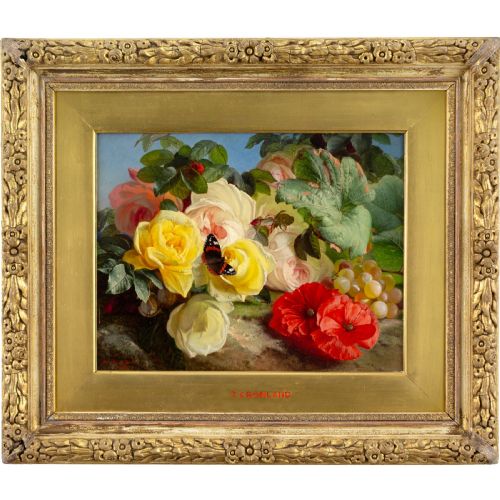
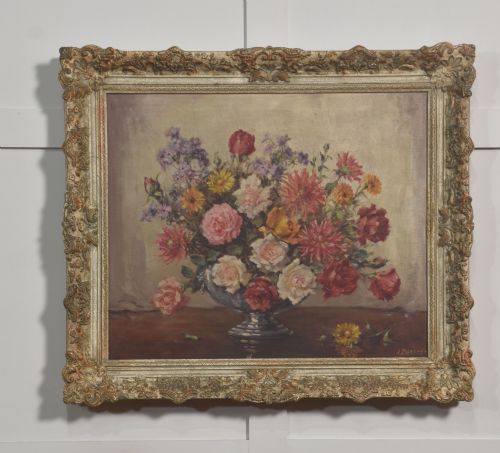
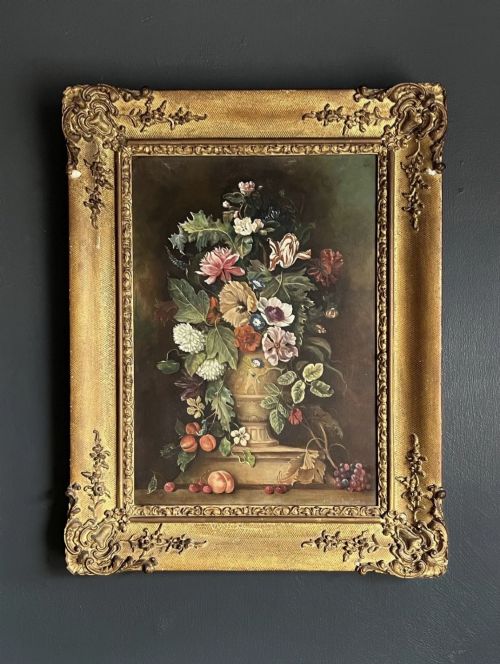
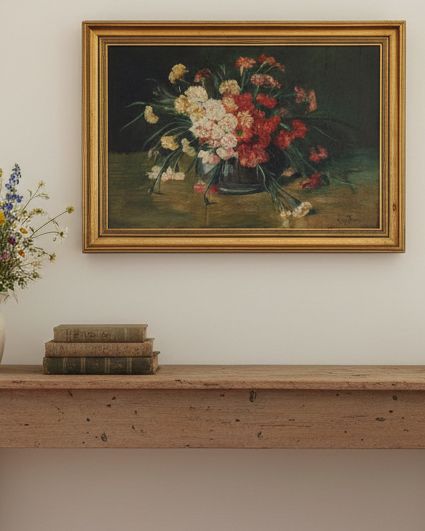
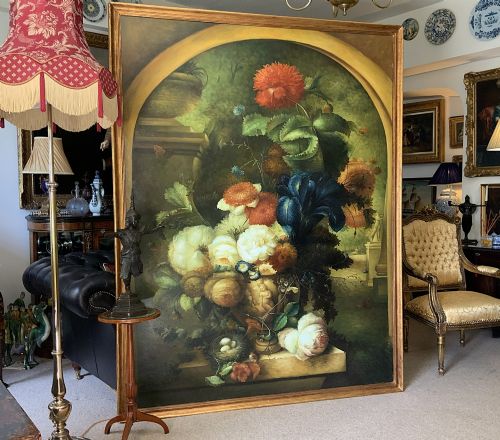
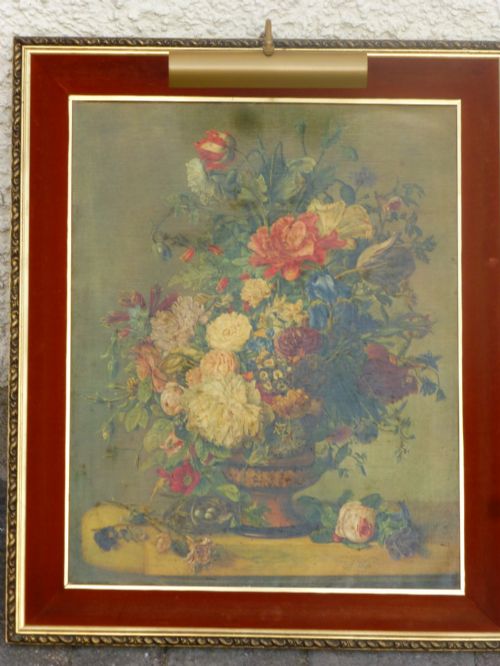
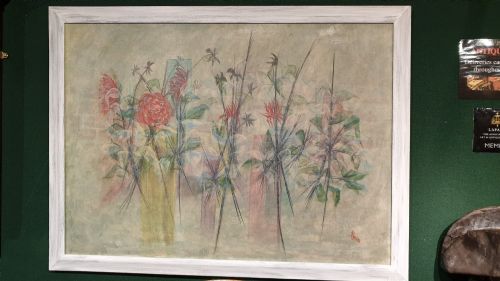
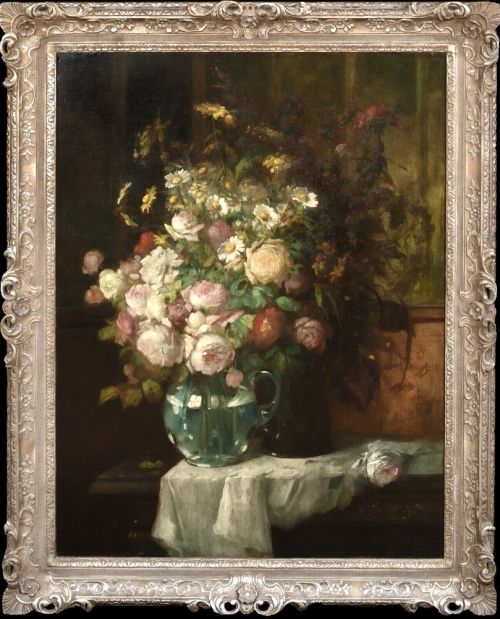
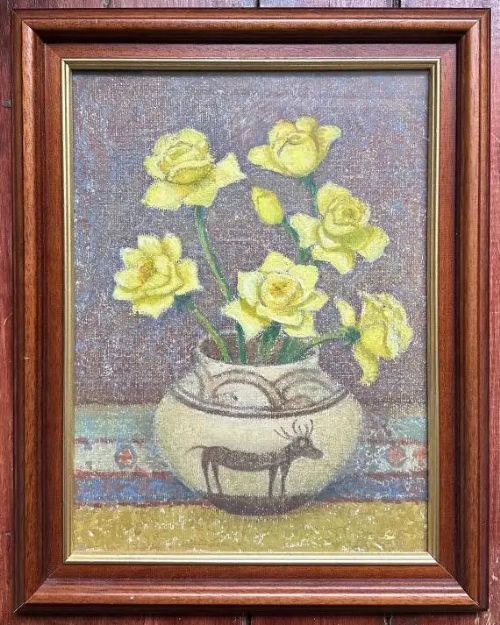
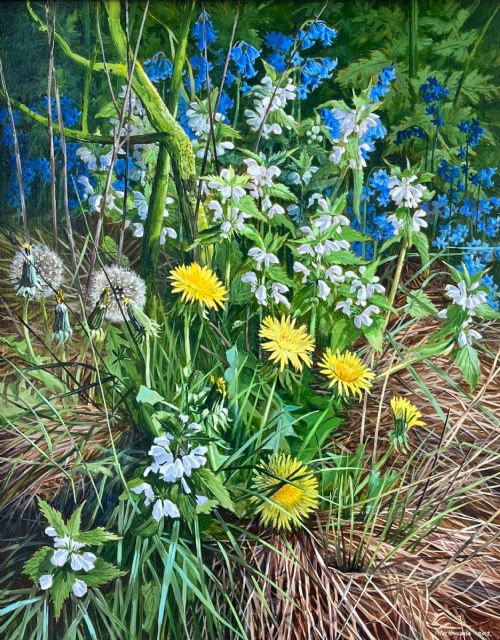
A framed floral canvas presents a painted study of flowers, arranged in vases, baskets or natural settings, designed to hang on a wall. These artworks range from intimate domestic studies to monumental compositions executed in a continental manner.
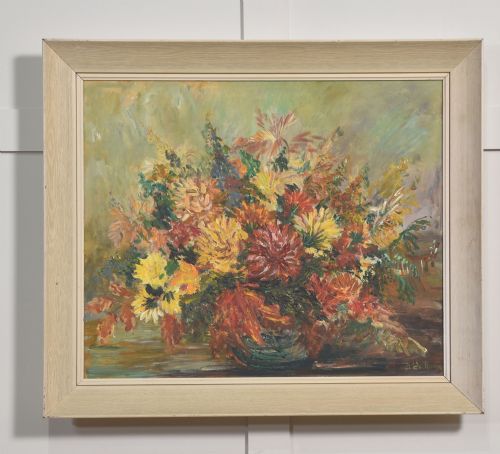
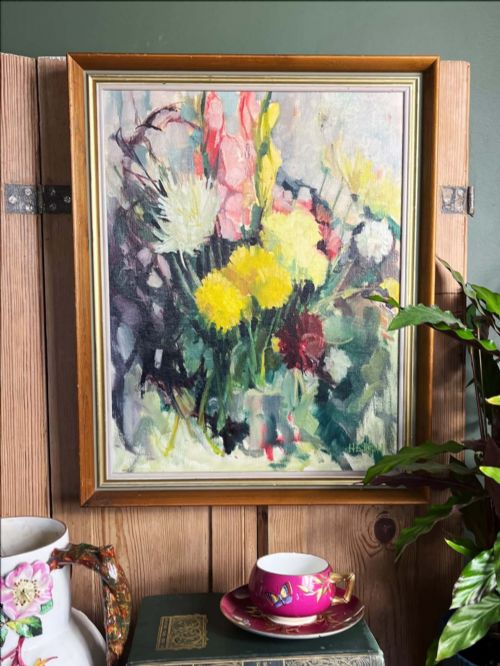
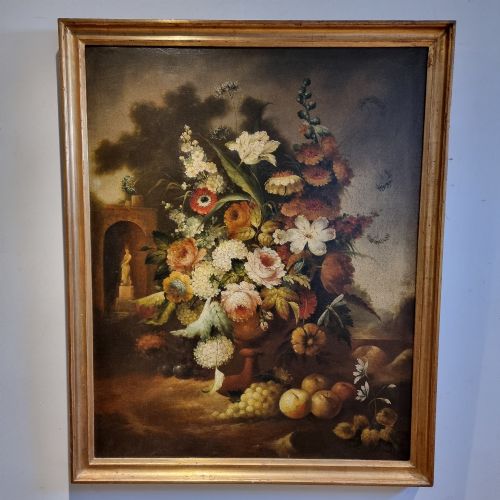
The selections available here span from the seventeenth century through to the mid-twentieth century, encompassing periods such as the Victorian era and the mid-century modern movement. Buyers encounter everything from seventeenth-century Dutch style pieces to vintage impressionist interpretations on canvas and board.
How they were made
Artists painted primarily with oil paint upon stretched canvas or board, applying pigments to build texture, depth and botanical detail. Many works are housed in decorative wood frames finished with gesso and gold leaf.
Makers utilised traditional techniques associated with Dutch Golden Age styles, Flemish Baroque and impressionist movements to capture light and shadow across petals and foliage.
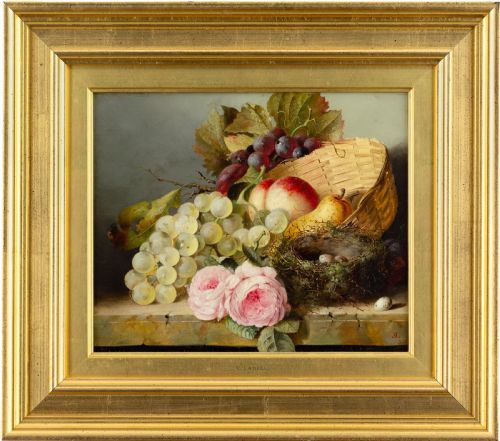
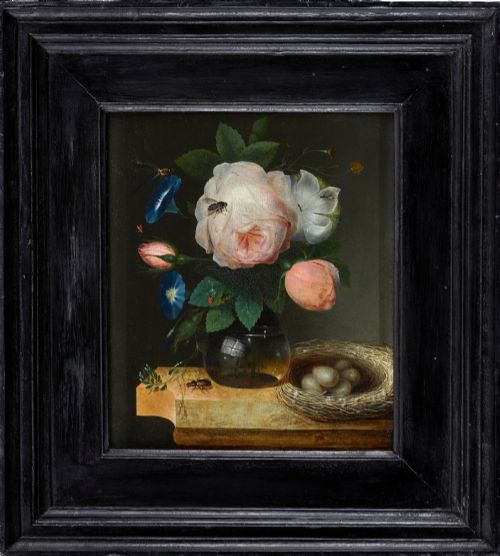
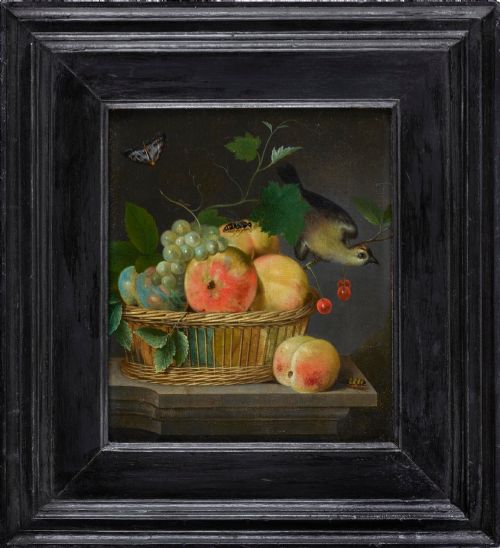
Several floral compositions include unexpected garden visitors, featuring butterflies and birds nestled among roses and fruit baskets.
What varies in quality
Quality rests in the handling of brushwork, the balance of the composition and the fidelity of botanical forms. Finer examples display confident command over light hitting petals, glass vases and woven baskets.
The integrity of the supporting frame contributes to the overall character, with ornate gilt gesso surrounds providing a distinct visual context compared to simpler wooden profiles.
Theude Grönland·I. Berezny·D. L. Williams·Konstantin Stoitzner·Edward Ladell·Emma Fordyce MacRae·Gaspar Peeter Verbruggen·Peter Newcombe·Harold Clayton·Edwin Steele·Manuela Bonati·William Thomas Wood·Victor Simonin·Owen Bowen·Gertrude Hayes·Simon Pietersz Verelst·Thomas Bromley Blacklock·Amile Coppieters·Florence Hess
The Framed Floral Canvas Glossary
- Oil paint
- A slow-drying paint made by combining pigments with a drying oil, typically linseed. This medium allows artists to achieve rich colours and subtle tonal gradations.
- Gesso
- A plaster-like mixture applied to wood frames as a base for moulding and gilding. It provides a smooth surface for gold leaf application.
- Impressionism
- A nineteenth-century art movement characterised by relatively small, thin yet visible brush strokes and an emphasis on accurate depiction of light. Artists working in this style prioritise overall visual effect rather than minute detail.
- Oleograph
- A mechanical colour lithograph textured to imitate an oil painting on canvas. These reproductions mimic the appearance of genuine brushwork.
Framed Floral Canvas: Frequently Asked Questions
How do I care for an oil painting on canvas?
Keep the artwork away from direct sunlight and fluctuating humidity levels to protect the canvas and pigments. Dust gently with a soft, dry brush without applying moisture or cleaning agents.
Ensure the hanging environment remains stable to prevent warping of the wooden stretcher bars and cracking of the oil paint layer.
What is a still life painting?
A still life depicts inanimate subject matter, typically commonplace objects which may be either natural, such as flowers and fruit, or man-made, such as glassware and baskets.
In floral works, artists arrange blooms to explore composition, colour harmony and the play of light across organic textures.
How do I distinguish an original painting from an oleograph?
Examine the surface closely under a magnifying glass to check for raised brushstrokes and the physical texture of dried oil paint. Oleographs display a uniform mechanical dot pattern or a pressed canvas texture applied over a print.
Original works show the distinct hand of the artist through varying paint thickness and brush direction.
What periods do these floral artworks cover?
The available selection spans several centuries, starting from seventeenth-century Dutch and Flemish traditions through nineteenth-century Victorian pieces. Twentieth-century works extend into the nineteen-fifties and nineteen-sixties with mid-century impressionist styles.
Each era brings distinct approaches to colour palettes, frame construction and botanical arrangement.