

White Earthenware Vase
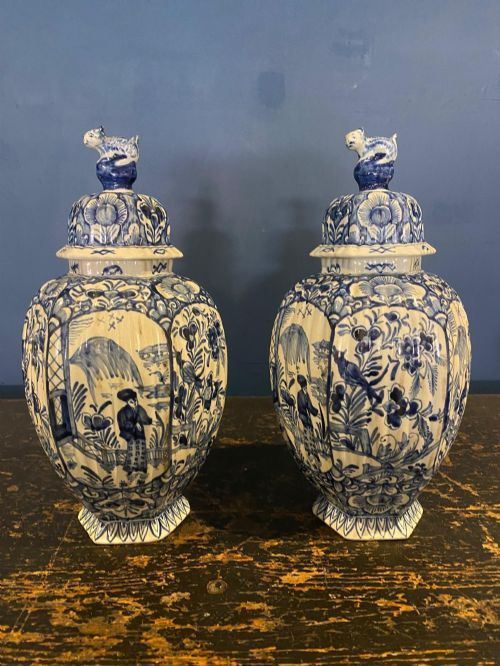
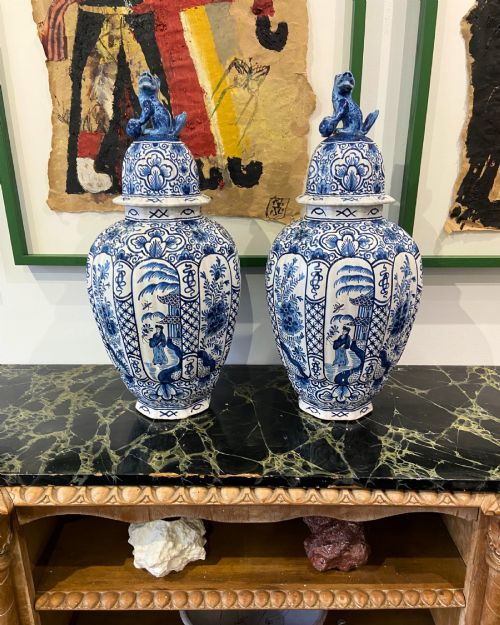
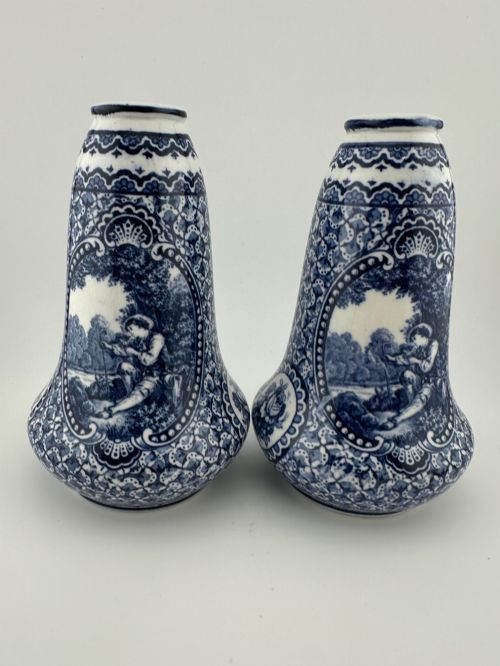
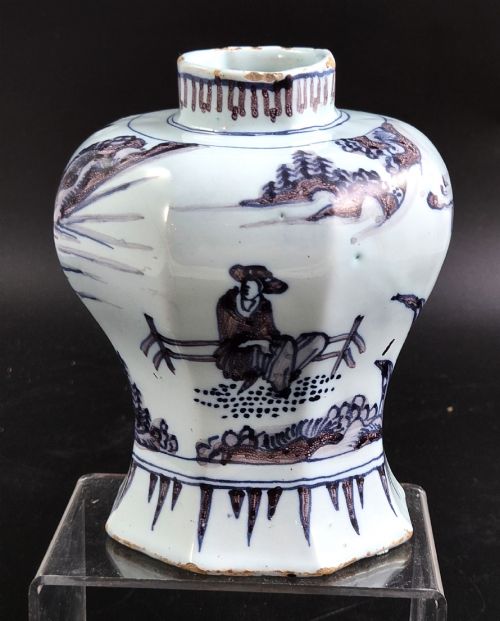
When you search for a white earthenware vase, you find tin-glazed ceramics, faience, and maiolica spanning centuries.
White Earthenware Vase
A white earthenware vase encompasses centuries of ceramic production, featuring tin-glazed earthenware, faience, and maiolica forms.
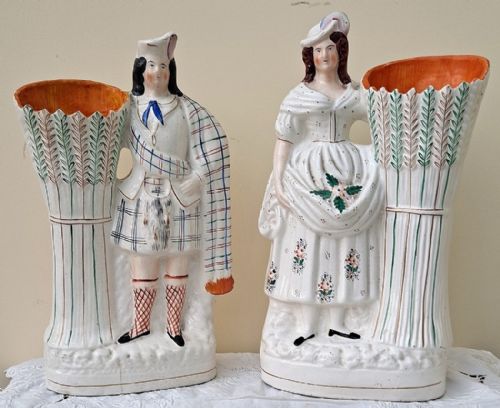
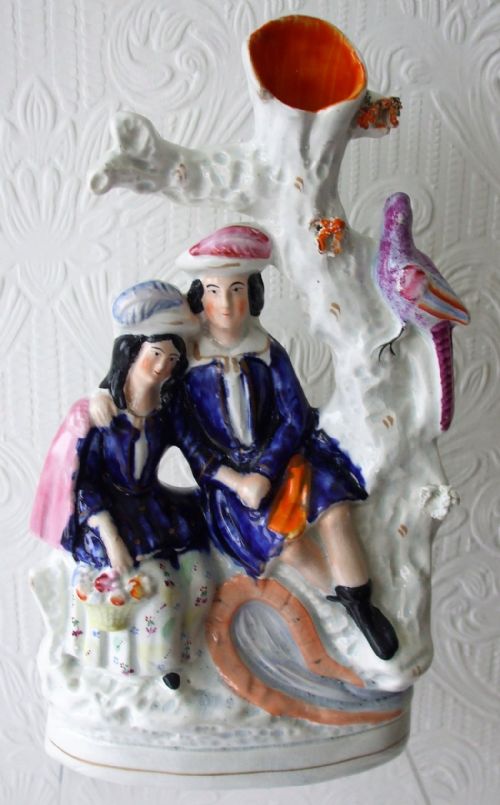
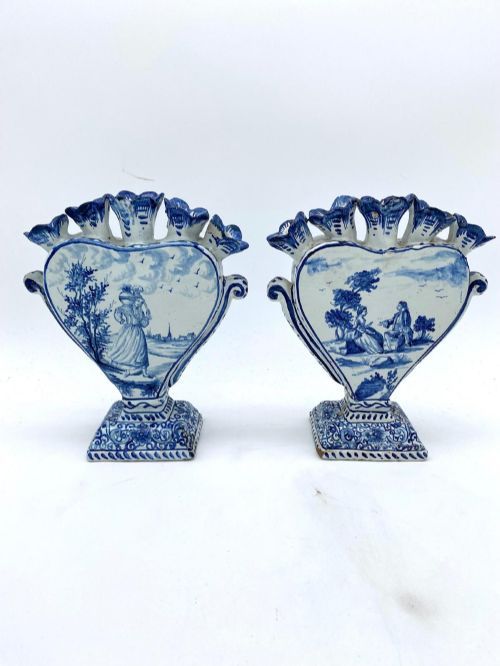
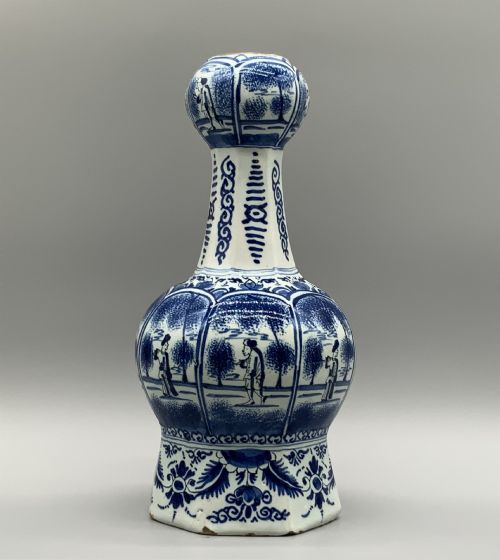
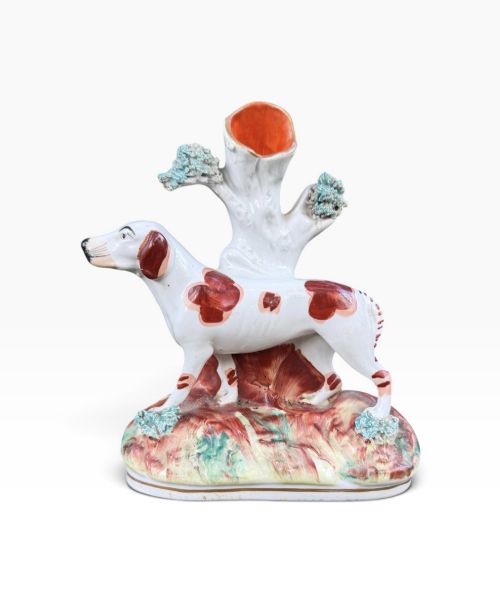
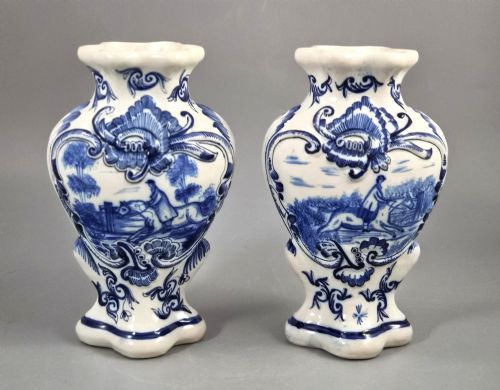
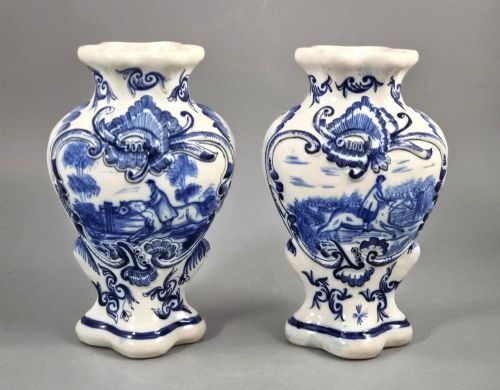
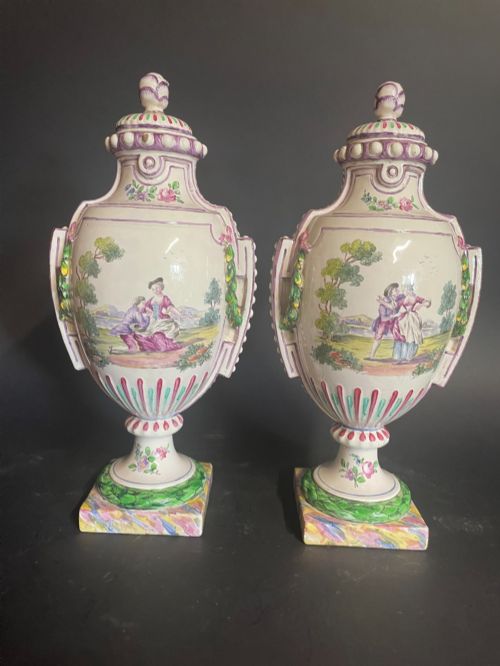
The versions most commonly met on this page include eighteenth-century Delftware, nineteenth-century French faience, and Victorian Staffordshire spill vases.
Makers shaped these pieces into baluster jars, garden urns, apothecary vessels, and figural ornaments, painted in blue and white or polychrome pigments.
How They Were Made
Potters shaped earthenware bodies on the wheel or in moulds, applying an opaque tin glaze to create a white working surface for painting.
Decorators applied cobalt blue, manganese, and enamel pigments directly onto the absorbent unfired glaze before the single or double firing process.
White Earthenware Vase Retail Price Guide 2026
Typical asking prices for white earthenware vase among the pieces listed under this phrase on Sellingantiques today, from the lower quarter to the upper quarter. They describe what is for sale here now, not the wider market.
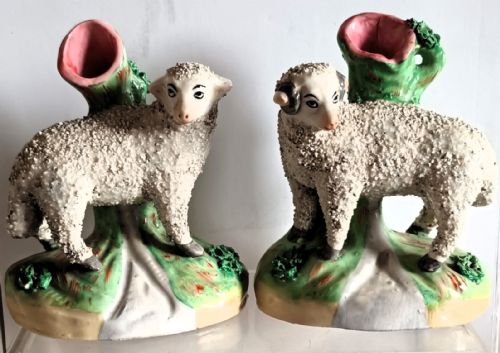
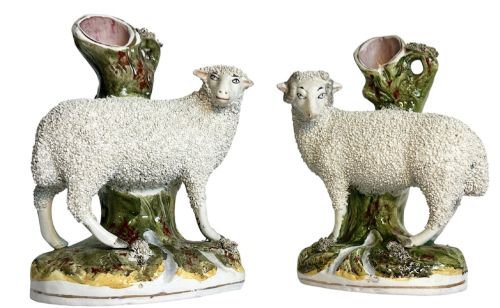
Staffordshire potters immortalised contemporary sheep and harvesters as hollow spill vases, turning farmyard scenes into mantelpiece ornaments.
What Varies in Quality
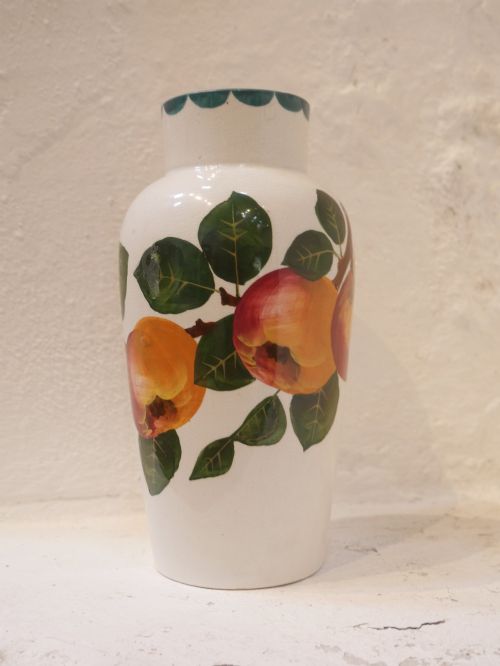
The skill of the hand-painted brushwork dictates visual success, distinguishing fluid, confident botanical and Chinoiserie motifs from rigid or hurried execution.
The purity and consistency of the white tin glaze and the control shown during high-temperature kiln firing separate standard utility wares from ambitious cabinet pieces.
Fourmaintraux Courquin·Ulisse Cantagalli·Moorcroft McIntyre·Lambeth Pottery·Poole Pottery
The White Earthenware Vase Glossary
- Tin-glazed earthenware
- Pottery coated in a lead glaze made opaque by the addition of tin oxide. This creates the characteristic white background used for painting.
- Faience
- European tin-glazed earthenware, particularly associated with French and Italian workshops. It often imitates oriental porcelain designs.
- Maiolica
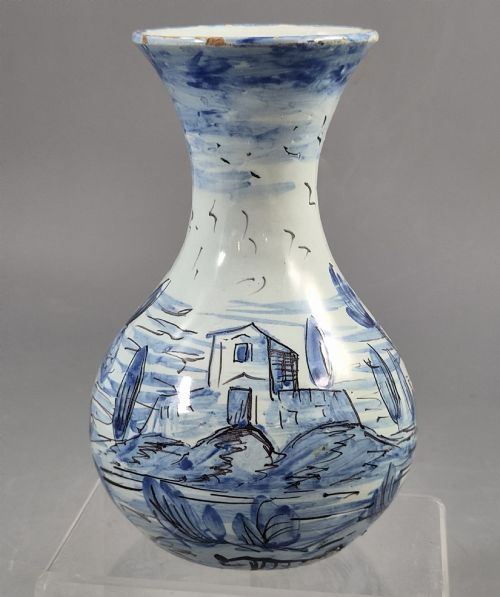
- Italian tin-glazed earthenware decorated with colourful metal oxides. It dates back to the Renaissance and experienced revival periods in the nineteenth century.
- Spill vase
- A narrow receptacle designed to hold thin wooden spills used for lighting candles and fires. These often take figurative or animal forms in Staffordshire pottery.
- Albarello
- A cylindrical earthenware jar used by apothecaries and pharmacists for storing drugs and ointments. Originating in the Middle East, this form was widely produced in Italy.
White Earthenware Vase: Frequently Asked Questions
How do I clean an antique earthenware vase?
Dust the surface gently with a soft dry brush to remove particles without disturbing the glaze. Avoid immersing porous historical ceramics in water, particularly pieces with hairline cracks or historic repairs.
Moisture can penetrate the earthenware body and destabilise old adhesives or trapped salts. Professional conservation advice is necessary if deeper cleaning becomes essential.
Can I use these vases for fresh flowers?
Most antique tin-glazed and earthenware vessels are porous and may leak water through hairline fissures in the glaze. Using a concealed modern glass insert protects the historic body from moisture damage.
Displaying them dry or with dried stems preserves the fragile interior surfaces and prevents mineral deposits from staining the historical fabric.
How can I distinguish Delftware from Italian maiolica?
Dutch Delftware typically employs a tin glaze formulated to mimic Chinese porcelain, resulting in characteristic blue and white Chinoiserie scenes. Italian maiolica often utilises a wider palette of polychrome pigments and distinct Renaissance revival motifs.
Examining the base and the characteristic hue of the white glaze helps identify the regional ceramic tradition and period of manufacture.
What is a spill vase used for?
Victorian households placed spill vases on mantelpieces to hold slender rolled paper or wooden spills. These items transferred flames from the hearth fire to oil lamps and candles.
Over time, these functional objects evolved into decorative mantel ornaments, often modelled as animals or figures.