



White Ceramic Tub
These white ceramic tub pieces offer enduring utility and classic form, making them essential finds for traditional interiors.
White Ceramic Tub
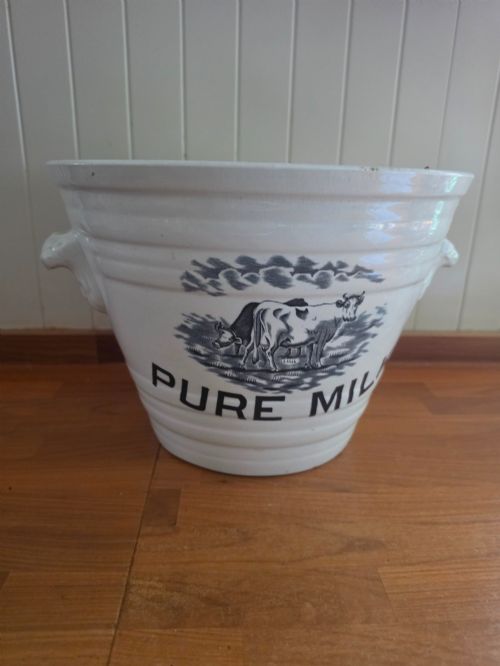
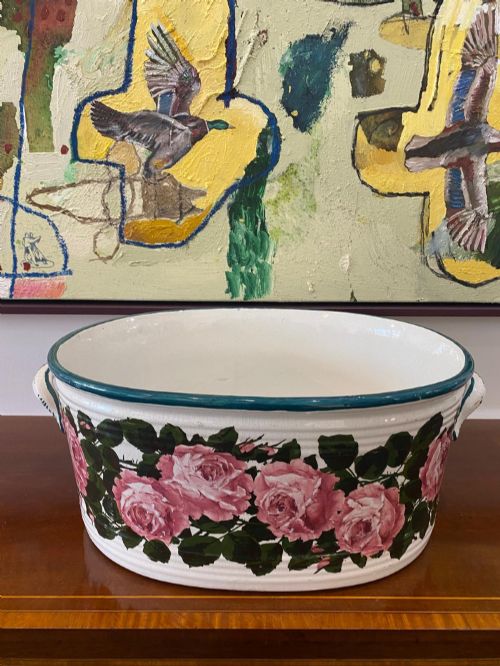
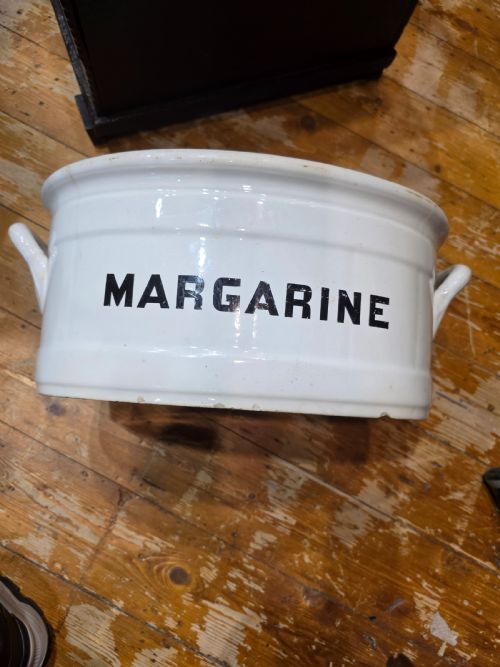
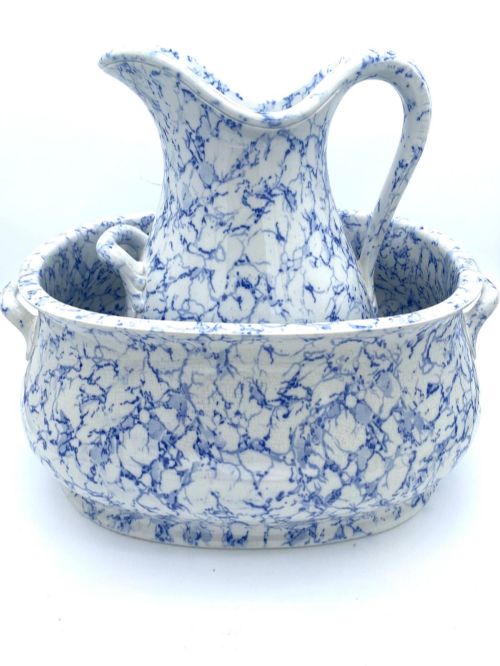
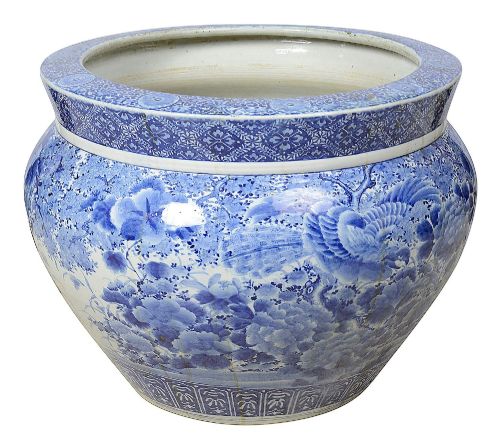
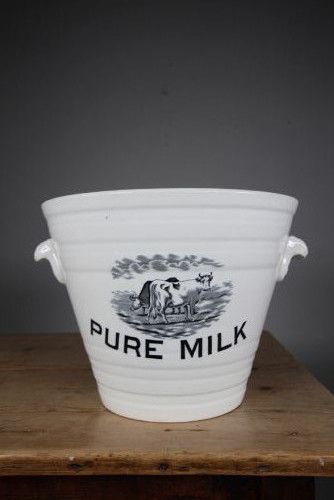
A white ceramic tub encompasses diverse domestic and commercial vessels found across the nineteenth century and earlier periods. Buyers searching for a white ceramic tub will encounter large footbaths, dairy pails, butter dishes, and jardinieres originating from English, French, Russian, and Asian workshops.
The selections span distinct historical eras, including Georgian, Regency, Victorian, and Edwardian periods. Footbaths and dairy wares dominate the forms, reflecting both rigorous utility and decorative display within period homes.
Makers such as Minton, Wedgwood, Copeland, and Heathcote appear alongside foreign producers like Kuznetsov and Nevers faience potteries. Each piece demonstrates the heavy functional demands placed on ceramic vessels during the nineteenth century.
Materials and construction
Potters utilised earthenware, ironstone, creamware, and porcelain bodies to withstand heavy daily use in dairies, kitchens, and washrooms. These dense ceramic foundations provided the necessary strength for holding water, milk, or bulk foodstuffs.
Glazes applied to the surfaces include tin glaze, cobalt underglaze, and flow blue transfer printing. These decorative and protective layers created durable, impermeable finishes while carrying intricate patterns.
White Ceramic Tub Retail Price Guide 2026
Typical asking prices for white ceramic tub among the pieces listed under this phrase on Sellingantiques today, from the lower quarter to the upper quarter. They describe what is for sale here now, not the wider market.
Some nineteenth-century dairy pails survived decades of farmyard service only to spend retirement holding logs by a suburban fireplace.
Defining quality and character
Quality rests in the crispness of the transfer printing, the uniformity of the glaze, and the preservation of the original body without extensive restoration. Pieces produced by established factories like Minton or Wedgwood display superior refinement in form and decoration compared to utilitarian commercial wares.
The presence of factory marks, specialised patterns like Italian Marble or transfer scenes, and unusual vessel types such as knee baths or bird-form butter dishes elevate the significance of individual items.
Wemyss·Minton·Heathcote·Kuznetsov·Wedgwood·Copeland
The White Ceramic Tub Glossary
- Ironstone
- A heavy, durable type of earthenware patented in the nineteenth century to rival true porcelain. It resists chipping and staining, making it ideal for domestic utility wares.
- Transfer printing
- A decoration technique where an engraved copper plate transfers a design onto paper, which is then stamped onto the unglazed ceramic body before firing. This method allowed for intricate blue and white patterns on footbaths and tableware.
- Creamware
- A refined light-coloured earthenware developed in the eighteenth century with a warm yellowish glaze. It gained widespread popularity for its smooth surface and elegant utility.
- Tin glaze
- An opaque white glaze containing tin oxide, used extensively on faience and earthenware vessels to provide a clean background for painted decoration. It defines early European pottery traditions.
- Flow blue
- A nineteenth-century transfer printing style where cobalt blue intentionally blurred during the kiln firing process. This created a soft, hazy aesthetic highly favored in Victorian table and wash sets.
White Ceramic Tub: Frequently Asked Questions
What were footbaths used for?
Footbaths served as large bathing vessels in nineteenth-century bedrooms before plumbed bathrooms became standard. Servants filled them with warm water for personal hygiene.
Over time, their generous proportions and decorative transfers also made them suitable for decorative display or holding ice and bottles during dining.
How do I care for antique ceramic tubs?
Clean these pieces gently using warm water and a mild detergent with a soft cloth. Avoid harsh scouring pads that can scratch old glazes.
Keep them away from rapid temperature changes and do not submerge pieces with old repairs for extended periods.
How can I date my ceramic tub?
Examine the base for factory impressed marks, registration diamonds, or backstamps which often indicate the exact decade of manufacture. Stylistic clues like transfer printing colours and body weight also help narrow the period.
Heavier ironstone typically points toward the mid-nineteenth century, while lighter creamwares often suggest earlier eighteenth or early nineteenth-century origins.
Were dairy pails used commercially?
Dairy pails and margarine tubs served working agricultural and grocery environments rather than purely decorative domestic roles. They required robust construction to handle daily farm work and food transport.
Their survival in good condition reflects their sturdy ironstone or earthenware bodies and subsequent preservation by collectors.