


Antique Ceramic Crock
These antique ceramic crock pieces are utilitarian vessels from past centuries that now bring rustic character and practical storage to modern homes.
Antique Ceramic Crock
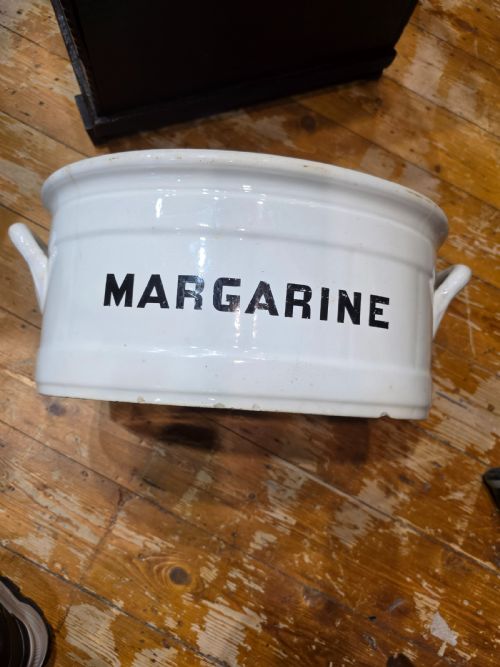
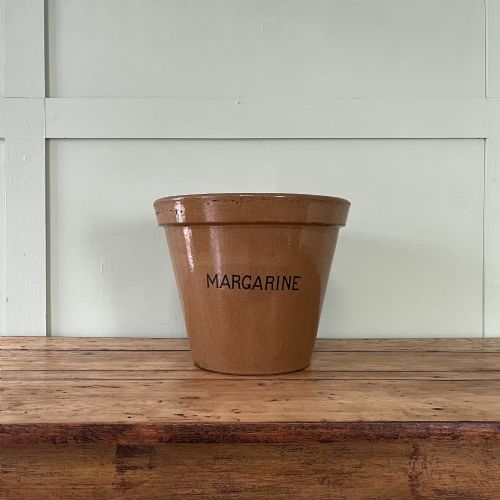
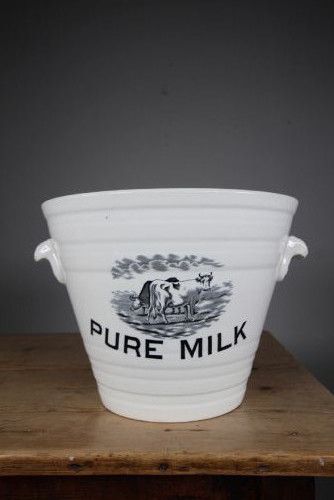
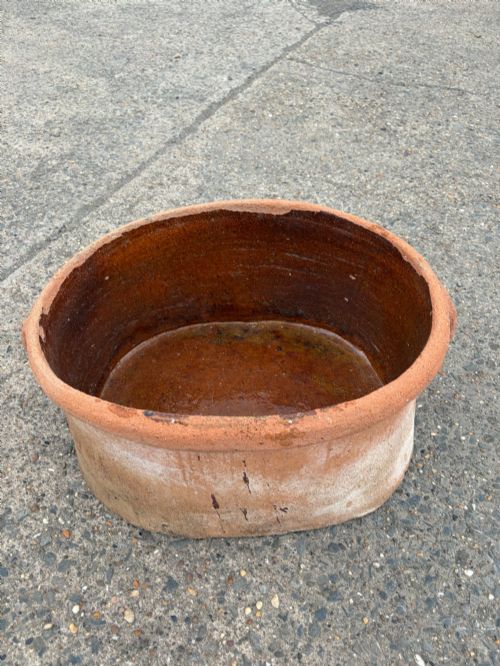
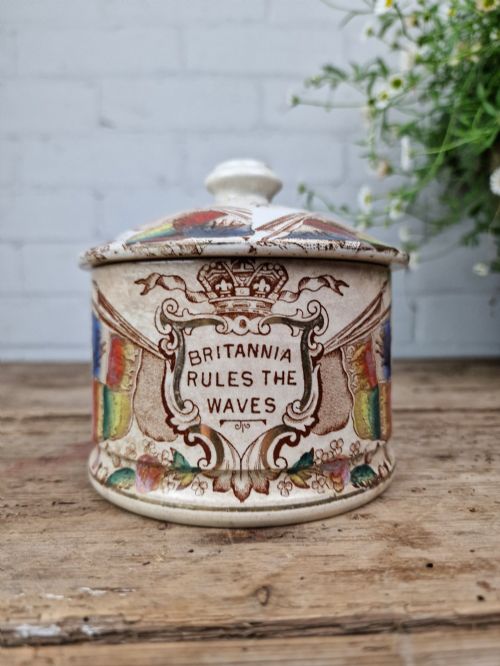
An antique ceramic crock encompasses heavy vessels primarily designed for storage, dairy work, and kitchen use across the eighteenth, nineteenth, and early twentieth centuries. Buyers searching for an antique ceramic crock will frequently encounter utilitarian forms such as salt jars, dairy pans, butter dishes, and large storage vessels originating from British and French provincial traditions.
The selection ranges from robust nineteenth-century salt-glazed bodies to delicate Victorian tableware and specialised vessels like water filters and egg crocks. These items reflect domestic and industrial rural life, often bearing the marks of heavy daily service in dairies, kitchens, and taverns.
Most examples hail from the Victorian and Edwardian eras, though earlier eighteenth-century French and English pieces occasionally surface. Form follows function closely, resulting in thick-walled containers built to hold liquids, preserves, and dry goods securely.
Materials and construction
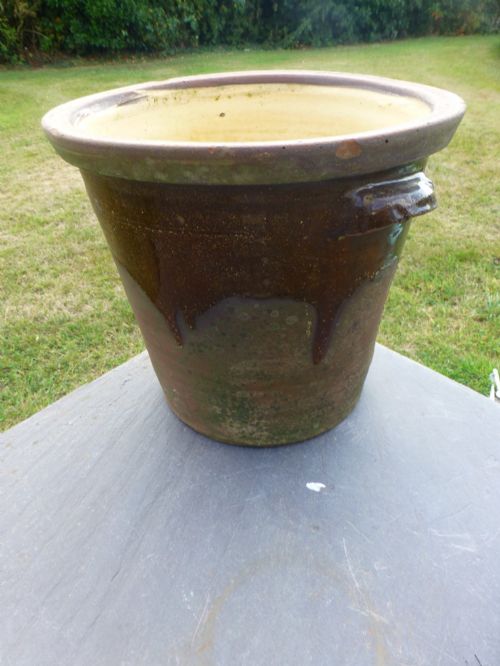
Potters relied heavily on dense stoneware and robust earthenware bodies capable of containing moisture and withstanding heavy handling. Glazes varied from simple salt-glaze finishes to rich slipware coatings and ironstone formulations, applied to seal the porous clay bodies.
Manufacturing techniques prioritized durability over ornamentation, utilising wheel-thrown or heavy moulded methods suited to utilitarian production. Workshops selected local clays, resulting in distinctive regional variations in body colour and density.
One tavern jar once held turtle soup for thirsty patrons, proving that historical lunches took themselves very seriously indeed.
Factors of quality
Quality rests in the crispness of form, the stability of the heavy walls, and the evenness of the glaze application. Superior examples retain clear maker stamps, legible lettering, or purposeful decorative details without sacrificing the structural integrity required of utilitarian wares.
The desirability of a piece often depends on the survival of its original surface character, including firing imperfections that testify to age. Finer items demonstrate careful potting despite their industrial or domestic purpose, whereas lesser pieces display crude distortion or heavy modern restoration.
Dee Filter Company·C And A Painter·Port Dundass·Carlton Ware
The Antique Ceramic Crock Glossary
- Stoneware
- A dense, vitreous ceramic fired at high temperatures that is completely impermeable to liquids. This material forms the durable body of heavy storage vessels and water filters.
- Earthenware
- A porous pottery body fired at lower temperatures, requiring a protective glaze to hold liquids. It appears frequently in older dairy bowls and planters.
- Salt glaze
- A glassy, textured finish achieved by throwing common salt into the kiln during high-temperature firing. This creates an orange-peel texture resistant to acids and moisture.
- Ironstone
- A sturdy, heavy type of earthenware patented in the nineteenth century to rival porcelain. It provides a durable white surface for domestic kitchenware and dairy pails.
Antique Ceramic Crock: Frequently Asked Questions
What were old crocks used for?
These vessels served essential roles in historical households for fermenting foods, salting meats, storing dairy, and holding clean drinking water.
Their heavy walls kept contents cool and protected from pests in eras before refrigeration.
Are these old crocks safe for food?
While many historical vessels utilised lead or salt glazes, modern usage depends heavily on the specific interior surface condition of each item.
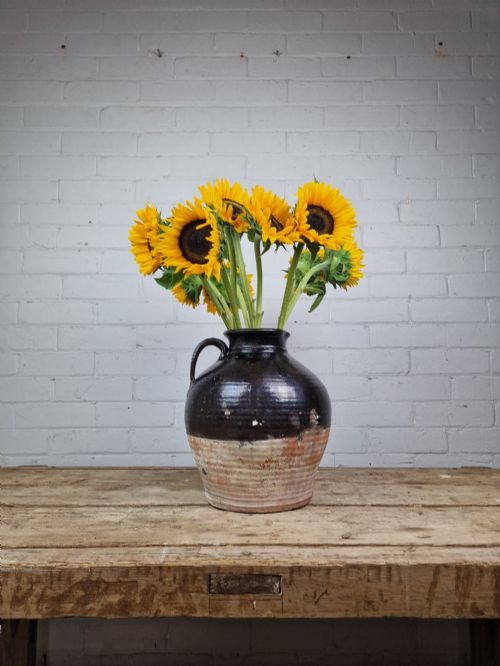
Most collectors prefer to use them for dry storage, floral displays, or display purposes rather than active food preparation.
How do I date a stoneware crock?
Dating relies on examining the manufacturing method, the type of glaze, and any stamped maker marks or town names on the body.
Hand-turned early pieces differ noticeably in weight and profile from mass-produced late Victorian and Edwardian examples.
How should I clean heavy pottery?
Warm water and a soft brush suffice for removing surface dust without harming fragile historical glazes or aged earthenware bodies.
Harsh chemical detergents and soaking should be avoided, particularly on pieces with porous unglazed areas or historic hairline fractures.