

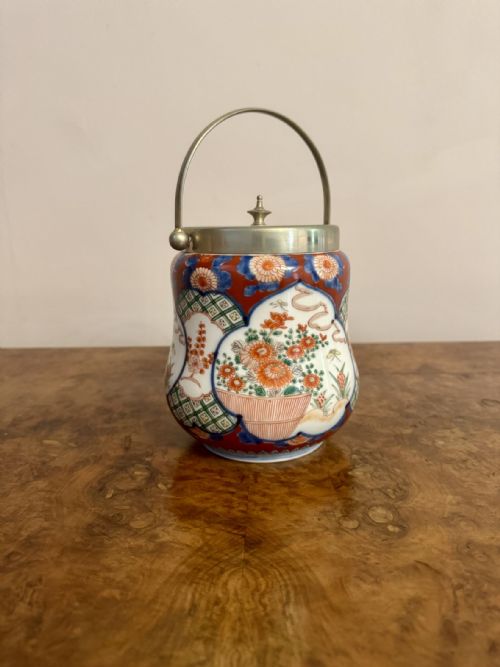


Vintage Ceramic Tub
These vintage ceramic tub pieces are solid utility vessels carrying utility marks, robust glazes and regional character into modern rooms.
Vintage Ceramic Tub
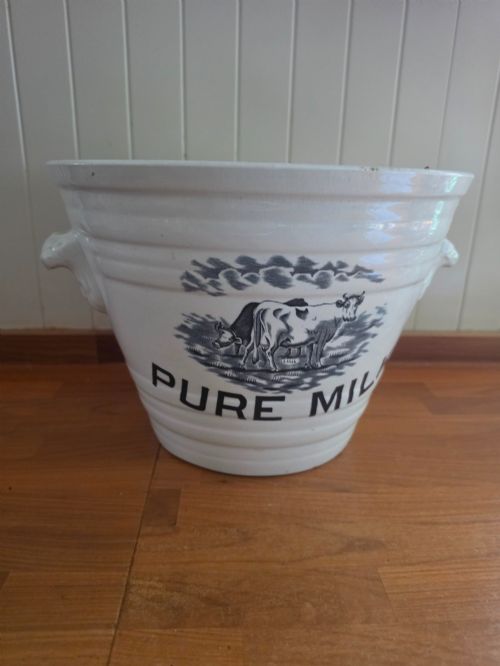
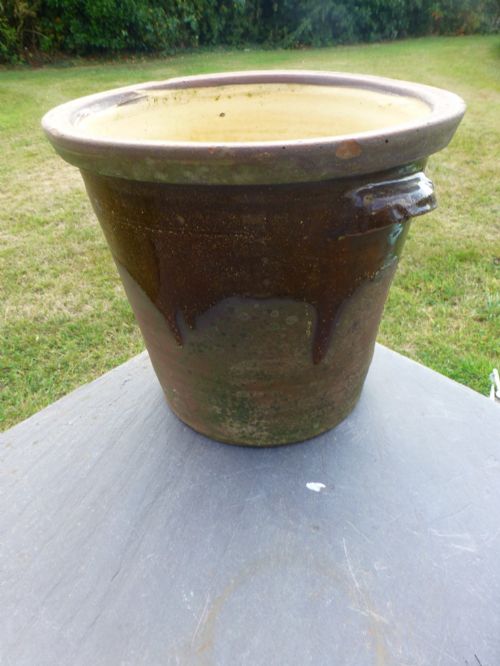
A vintage ceramic tub covers heavy utilitarian earthenware, ironstone and terracotta vessels produced for domestic dairies, commercial grocers and Victorian sculleries. These heavy-walled containers range from tall salting crocks and dairy pails to large footbaths and biscuit barrels.
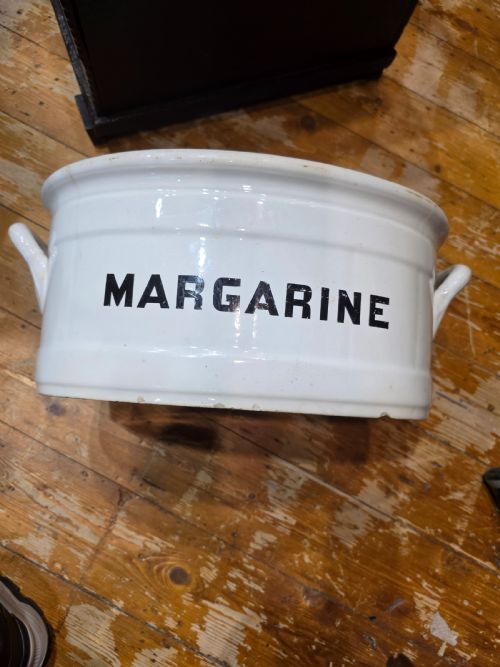
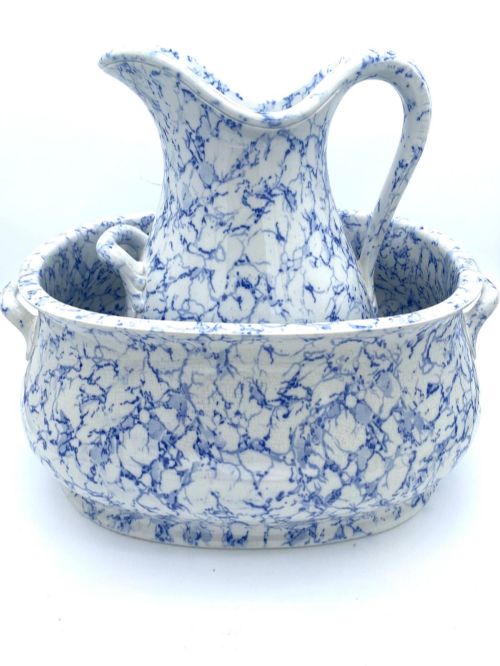
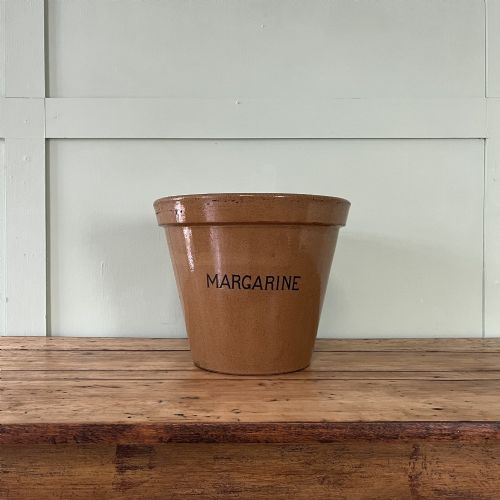
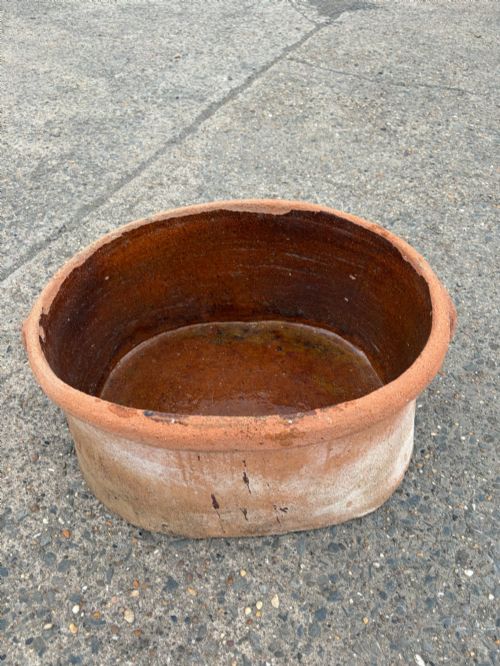
Most examples originate from nineteenth-century British commercial settings or Edwardian households, reflecting practical household needs rather than decorative display. The forms include deep cylindrical bowls, tapered margarine tubs and handled footbaths designed for heavy daily wear.
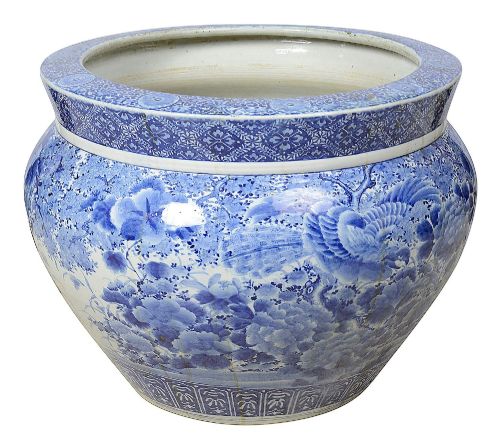
Alongside British utilitarian wares, Japanese porcelain jardinieres and Imari biscuit barrels appear in this selection, bringing distinct decorative painting traditions to the category. These diverse origins mean buyers encounter both rustic vernacular kitchenalia and refined imported ceramics.
Materials and construction
Potters built these vessels using dense earthenware, ironstone, terracotta and porcelain bodies shaped to withstand damp conditions and heavy lifting. Dense clay bodies prevented liquid absorption in dairy and kitchen environments.
Glazes applied to the surfaces include clear salt glazes, rich blue and white transfer prints, and flow blue decorations. These vitreous layers protected the porous clay underneath from fats, liquids and daily scrubbing.
Vintage Ceramic Tub Retail Price Guide 2026
Typical asking prices for vintage ceramic tub among the pieces listed under this phrase on Sellingantiques today, from the lower quarter to the upper quarter. They describe what is for sale here now, not the wider market.
Materials represented include ironstone, terracotta, porcelain, and standard glazed earthenware.
Assessing quality and authenticity
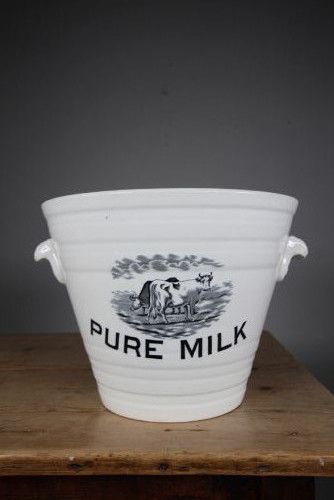
Quality rests in the crispness of maker stamps, transfer-printed advertising details and the uniform thickness of the heavy ceramic walls. Sharp lettering on grocery tubs and dairy pails indicates superior commercial production.
The stability of the glaze and the preservation of hand-painted Imari details or flow blue patterns distinguish finer domestic vessels from heavily worn utility items. Well-potted rims and clean interiors separate pieces intended for display from those damaged by prolonged agricultural use.
Minton·Heathcote·Copeland·Wedgwood
The Vintage Ceramic Tub Glossary
- Ironstone
- A dense, heavy ceramic developed in the nineteenth century to imitate porcelain while offering greater durability for everyday use. It resists chipping and staining better than standard earthenware.
- Flow blue
- A nineteenth-century transfer printing technique where lime or ammonia chloride was introduced into the kiln during firing, causing the cobalt blue pigment to blur slightly into the white glaze. This produced a misty, soft-edged pattern highly characteristic of Victorian tableware.
- Creamware
- A refined earthenware developed in Yorkshire featuring a pale yellow or cream-coloured transparent lead glaze. It became the dominant domestic ceramic body of the late eighteenth and early nineteenth centuries.
- Jardinieres
- Large decorative ceramic pots designed to hold potted plants or small trees in conservatories and parlours. They often feature drainage holes or match with matching catch trays.
- Terracotta
- Porous, unglazed or slip-glazed fired clay ranging in colour from orange-brown to deep red. It was widely utilised for garden planters, dairy salters and utilitarian vessels.
Vintage Ceramic Tub: Frequently Asked Questions
What were ceramic tubs originally used for?
These vessels served practical domestic and commercial functions such as storing margarine, salting butter, holding milk in dairies, and bathing in Victorian dressing rooms.
Larger versions operated as planters for estate orangeries or water receptacles for washing household items before modern plumbing took over.
How do I date a nineteenth-century tub?
Dating relies on the weight of the clay body, the style of transfer printing, and any impressed factory marks or retailer stamps on the base.
Victorian and Edwardian pieces show heavier potting techniques and distinct glaze compositions compared to lighter Regency creamware or later twentieth-century reproductions.
Can these tubs be used outdoors?
Terracotta and heavy stoneware planters withstand outdoor patio environments provided they are protected from freezing winter temperatures that cause trapped moisture to expand and crack the clay.
More delicate porcelain or transfer-printed biscuit barrels and footbaths suit interior display best to preserve their historical glazes.
How should I clean my ceramic tub?
Warm water and a soft cloth remove dust and surface dirt without harming aged glazes or fragile transfer-printed patterns.
Harsh chemical detergents and abrasive scouring pads risk scratching the ceramic surface and wearing away historical retailer lettering.