






White Ceramic Jardiniere
These white ceramic jardiniere pieces offer sturdy vessels for indoor plants, spanning centuries of global pottery traditions.
White Ceramic Jardiniere
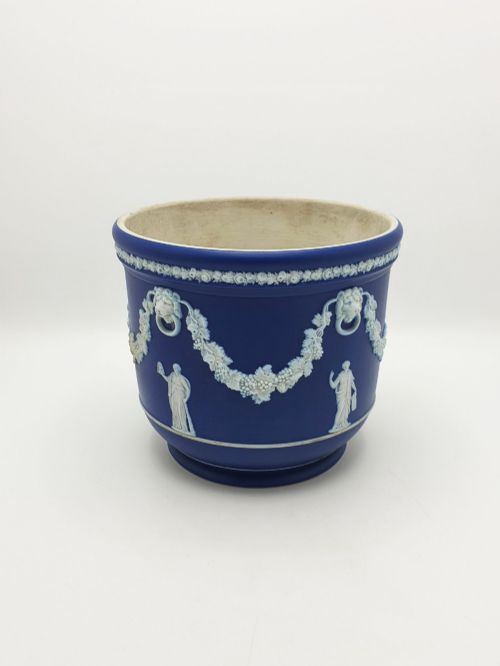
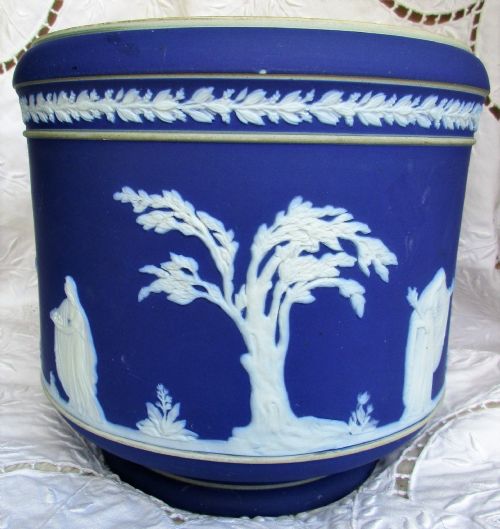
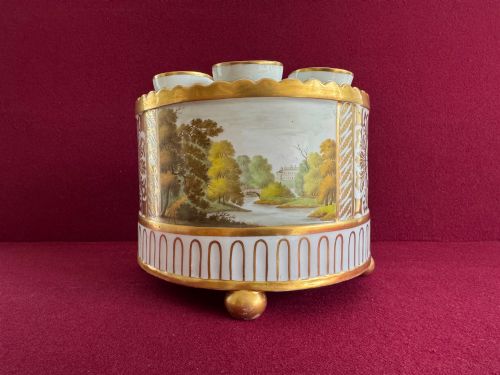
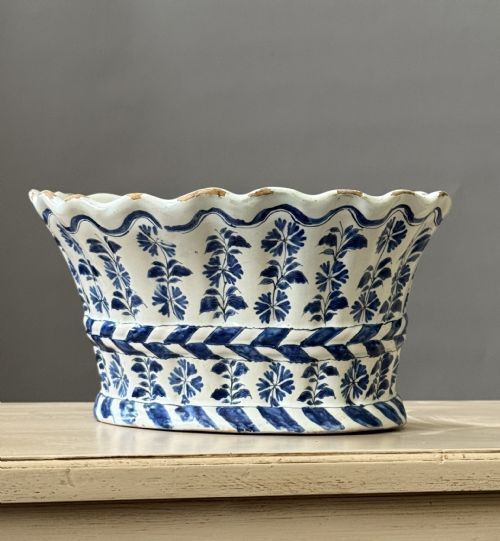
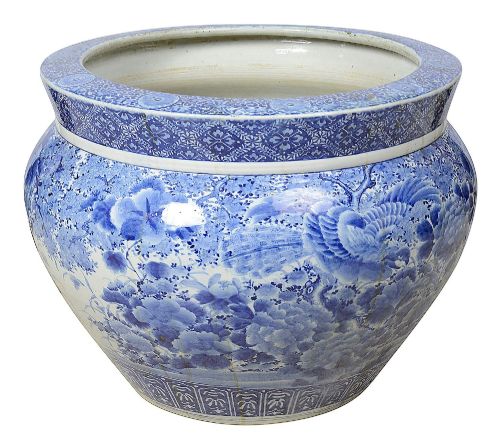
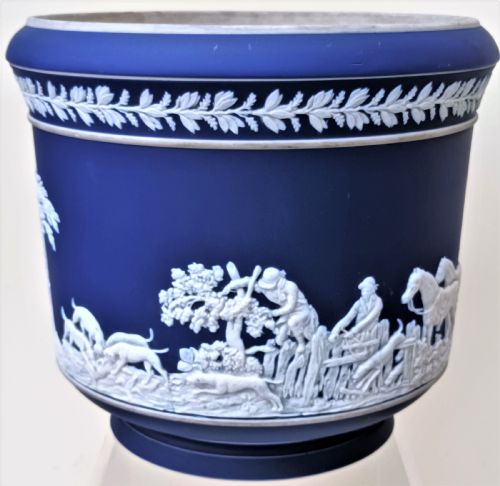
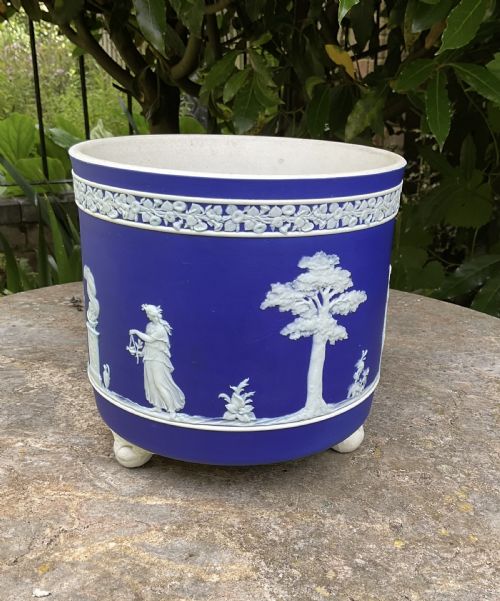
A white ceramic jardiniere encompasses planters, bough pots, and fish bowls designed to house growing plants or floral arrangements indoors. The selections range from early English delftware bough pots to Victorian jasperware vessels and Asian export porcelain planters.
Buyers will encounter various forms across the 18th century, 19th century, and early 20th century periods. These items display styles including Chinoiserie, Japanese Meiji, Victorian neoclassical, and Delftware.
Origins stretch from English factories to Chinese export kilns and Japanese workshops. Forms include hexagonal planters with drip trays, footed bowls, and covered bough pots.
How these vessels were manufactured
Potters utilised porcelain, stoneware, and tin-glazed earthenware as body materials for these planters. Decoration relied upon blue and white pigments, enamel colours, and delicate gilding applied over or under the glaze.
Moulding and throwing techniques created the heavy walls necessary to support wet soil and heavy foliage. Relief work, such as jasperware sprigging, added tactile surface detail to many English pieces.
White Ceramic Jardiniere Retail Price Guide 2026
Typical asking prices for white ceramic jardiniere among the pieces listed under this phrase on Sellingantiques today, from the lower quarter to the upper quarter. They describe what is for sale here now, not the wider market.
Listings feature 18th century, 19th century, and 1930 periods in porcelain, stoneware, and tin-glazed earthenware materials.
What distinguishes the quality of these pieces
Quality rests upon the crispness of the modelled detail and the stability of the ceramic body under weight and moisture. Finer examples display precise hand-painted decoration and smooth, even glaze application without pooling.
Intact structural integrity, especially on footed vessels and associated bases, separates superior survivals from damaged pieces. The clarity of underglaze blue work or the definition in moulded jasperware relief dictates overall execution.
William Adams And Sons·W Factory·Wedgwood
The White Ceramic Jardiniere Glossary
- Bough pot
- A decorative vessel traditionally used for holding cut branches or flowers before dedicated floral bricks became common. These containers often feature pierced covers.
- Jasperware
- A fine-grained, unglazed stoneware developed by English potteries, characterised by raised white relief figures against a coloured ground. It provides a distinctive matte finish.
- Tin-glazed earthenware
- Pottery coated with a glaze containing tin oxide, producing an opaque white surface suitable for painted decoration in imitation of Chinese porcelain. This technique defines traditional delftware.
- Fish bowl
- A large, deep ceramic basin originally intended for keeping aquatic life indoors but frequently utilised as a substantial floor planter. They often display robust proportions and heavy potting.
- Chinoiserie
- European artistic style reflecting Chinese motifs and decorative schemes, popular across various centuries on both porcelain and earthenware. It captures a Western interpretation of Eastern aesthetics.
White Ceramic Jardiniere: Frequently Asked Questions
What is a jardiniere used for?
A jardiniere serves as an ornamental flower pot designed to hold potted plants indoors without necessarily requiring a direct planting hole in the base. They often sit on tabletops, floors, or dedicated plant stands.
Historically, these vessels protected fine furniture from water damage while displaying large ferns, flowering plants, or decorative arrangements within formal rooms.
How do I care for antique ceramic planters?
Antique ceramic and porcelain planters require gentle cleaning with a soft cloth and lukewarm water, avoiding harsh chemical detergents that might harm historic glazes. Placing a modern plastic liner inside helps protect the porous interior walls from moisture damage.
Sudden temperature changes should be avoided to prevent stress fractures in the aged ceramic body or historic glaze surface.
How do I date a blue and white jardiniere?
Dating relies upon examining the potting technique, weight of the ceramic body, and the characteristics of the blue pigment used beneath the glaze. Markings on the base, such as reign characters or factory stamps, provide further chronological clues.
Stylistic cues like Victorian neoclassical moulding or Meiji period motifs help narrow down the period of manufacture alongside the nature of the glaze crazing.
Are these planters waterproof?
Many historic ceramic and earthenware planters are slightly porous or feature drainage holes that require an interior saucer or liner to catch excess water. Porcelain and high-fired stoneware tend to hold water better than early tin-glazed earthenware bodies.
Using a discreet inner container preserves the dry integrity of the antique ceramic while allowing safe indoor watering for live plants.