
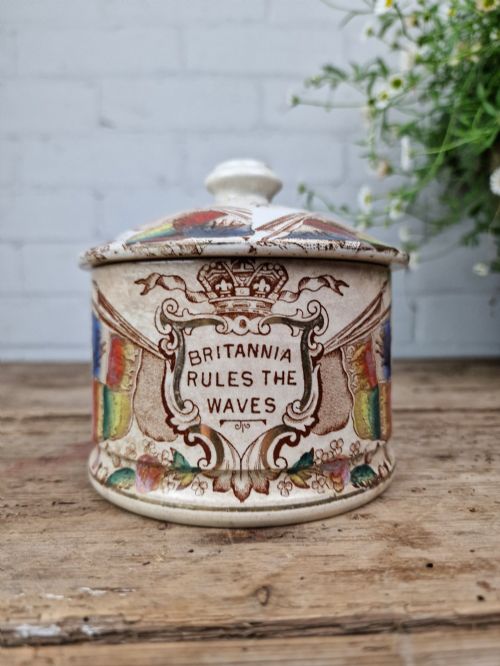


White Ceramic Covered Jar
A white ceramic covered jar brings texture and restrained form to a room, drawing the eye with its polished surface and fitted lid.
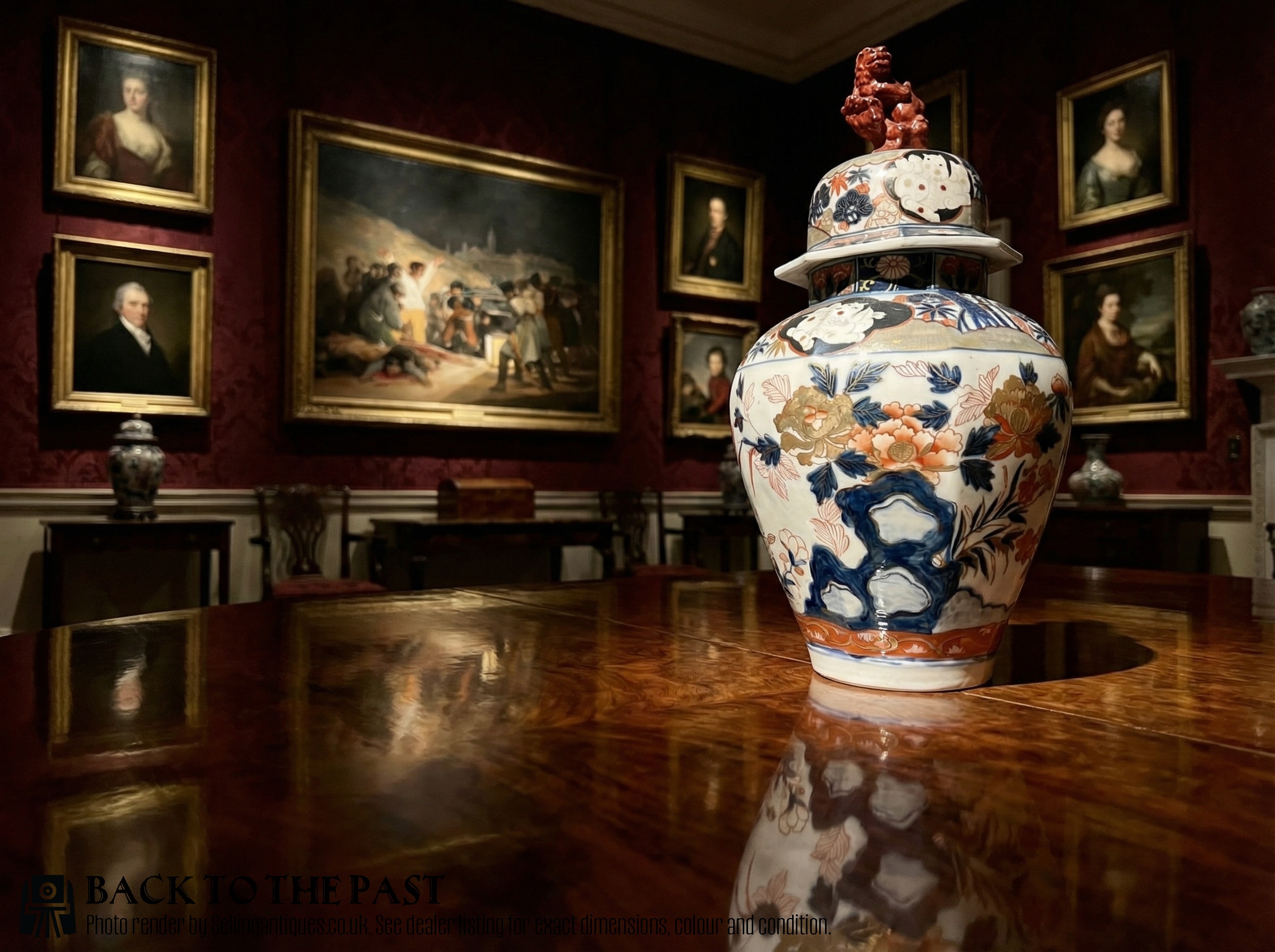
White Ceramic Covered Jar
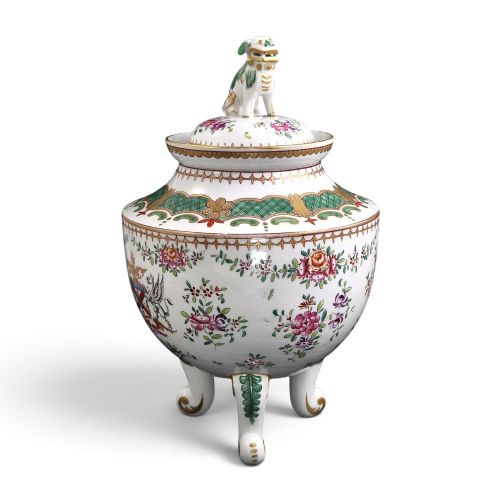
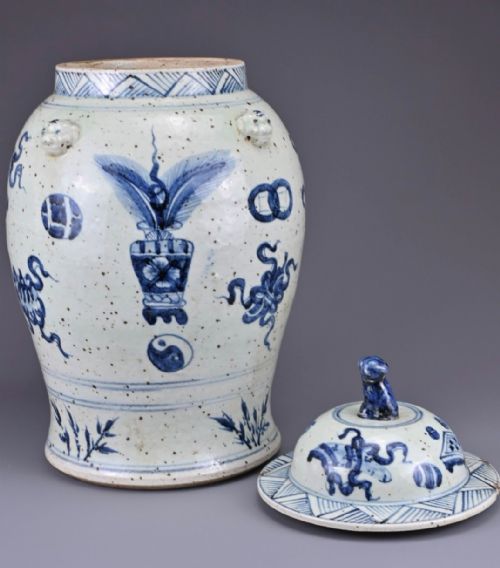
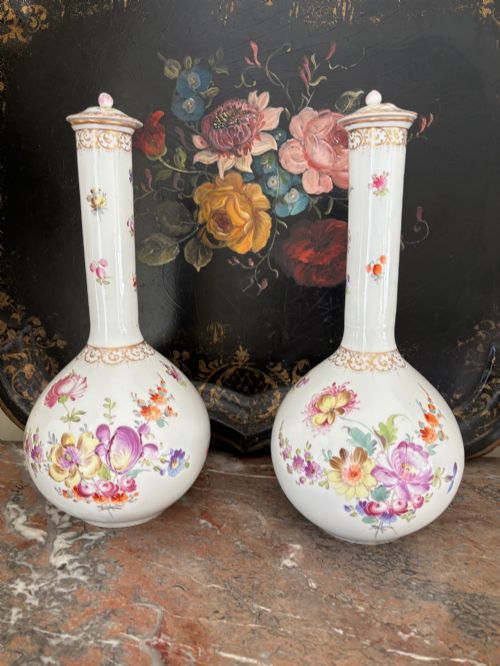
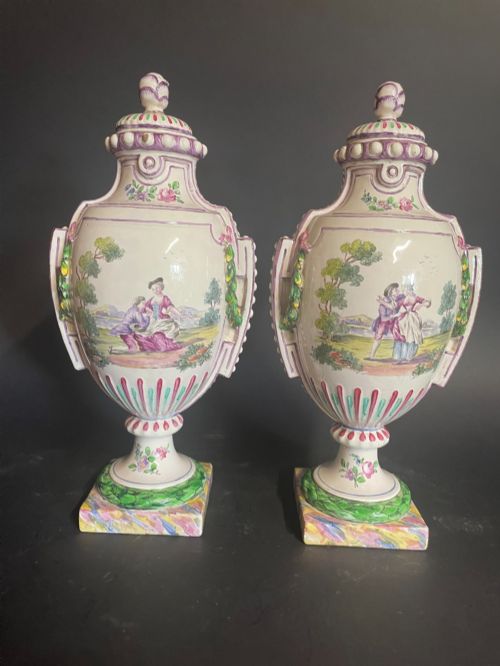
When you search for a white ceramic covered jar, you encounter vessels produced across multiple centuries, ranging from functional storage to ornamental display pieces. The selections on this page span tin-glazed earthenware, porcelain, and ironstone, originating from European manufactories and Asian kilns alike.
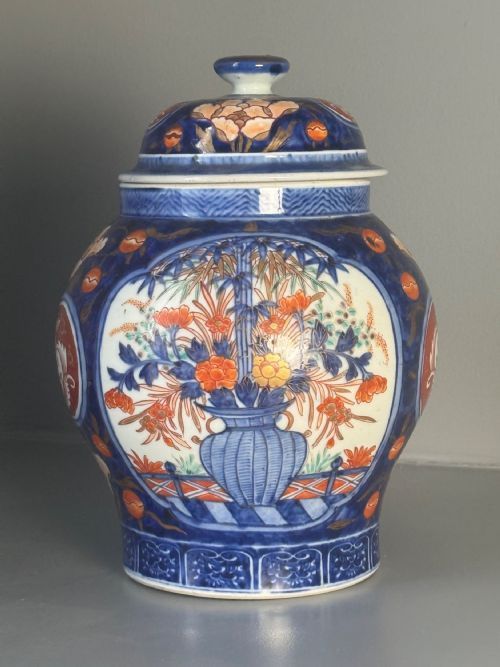
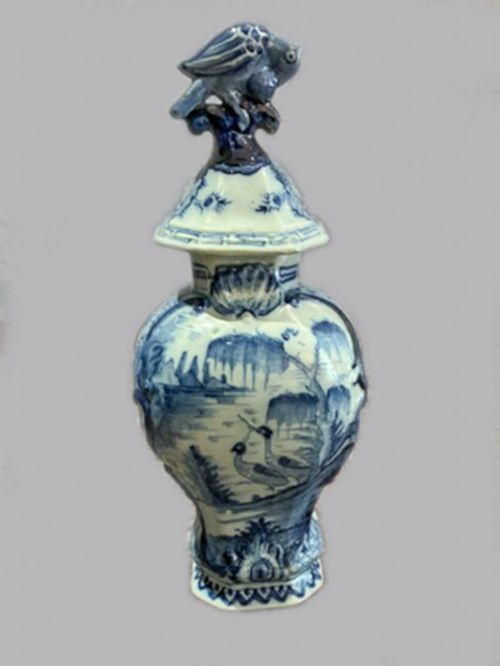
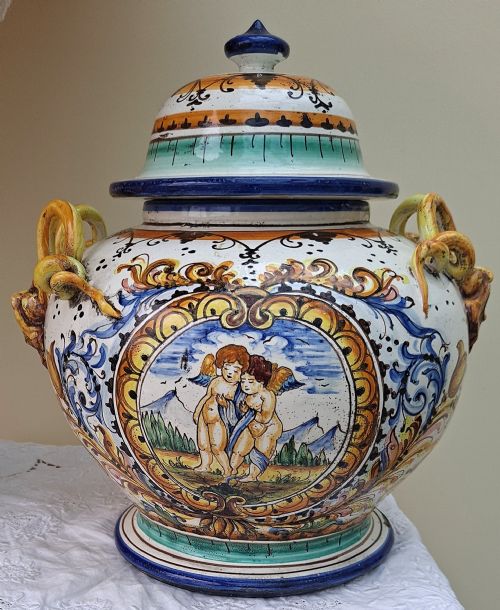
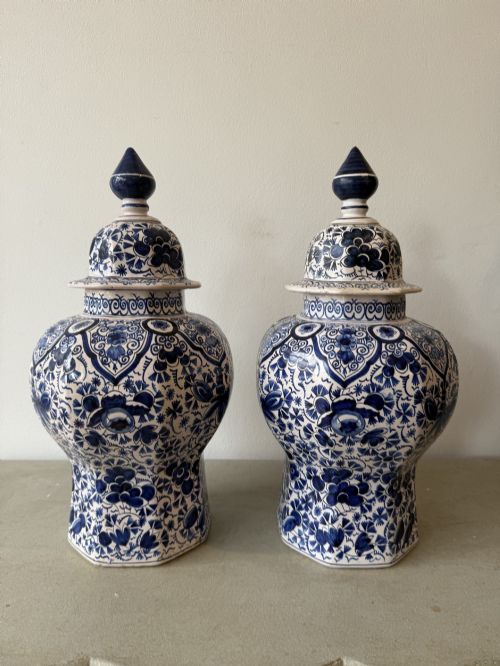
You will find forms such as bulbous ginger jars, pharmacy jugs, potpourri bowls, and handled urns. These containers often bear cobalt blue decoration, polychrome floral motifs, or armorial designs reflecting periods from the seventeenth century through the Victorian era.
Many items echo earlier aesthetic traditions, including Chinese Qing Dynasty designs and Japanese Arita styles. European potteries such as Delft, Sceaux, and various English factories adapted these eastern motifs into familiar domestic lidded vessels.
How they were made
Potters shaped these vessels using earthenware or porcelain clay bodies, often throwing them on a wheel or forming them in moulds to achieve bulbous or ovid silhouettes. Artisans then applied tin-glaze, transparent glaze, or enamel pigments before firing the pieces in kilns.
Decoration frequently involved hand-painting cobalt blue underglaze pigments or adding polychrome enamels and gold leaf highlights. Lids were thrown and turned to fit snugly over the rim of the jar, ensuring a matching contour between base and cover.
Materials represented across the inventory include tin-glazed earthenware, ironstone, porcelain, and applied gold leaf decoration.
What varies in quality
The standard of a white ceramic covered jar rests upon the crispness of the modelling and the control shown in the glazing process. Superior examples display evenly distributed glaze without pooling, alongside meticulously hand-painted details that demonstrate a steady brush.
The harmony between the jar and its original cover dictates much of the piece's integrity. High-grade items retain their matching lids with correct proportions and consistent ceramic bodies, whereas assembled pairings reveal slight discrepancies in age, wear, or tone.
Sitzendorf·Sceaux Faience·Dresden·Meissen·Spode·Mason's·Royal Crown Derby·Berlin
The White Ceramic Covered Jar Glossary
- Tin-glazed earthenware
- Pottery coated with an opaque white glaze containing tin oxide, providing a smooth surface for painted decoration. This technique defines European delftware and faience.
- Potpourri bowl
- A lidded vessel pierced with small holes to allow scent to diffuse from dried flower petals and spices placed inside. These containers often feature ornate handles and gilded mounts.
- Cobalt glaze
- A deep blue mineral pigment applied under the glaze before firing, stable at high temperatures. It remains vibrant on Chinese export porcelain and European delft pieces.
- Sucrier
- A small covered sugar bowl designed for the tea table, frequently produced in porcelain by English and continental factories. These items often match larger tea service sets.
- Ovid
- Describing a jar or vase with an egg-shaped body that tapers toward the base and neck. This classic silhouette provides stable volume for storage.
White Ceramic Covered Jar: Frequently Asked Questions
What were covered jars used for?
These vessels originally served to store dry goods, spices, medicines, or aromatics like potpourri within domestic and apothecary settings. Their tight-fitting lids kept contents protected from moisture and dust.
Over time, many of these lidded containers transitioned into purely decorative objects displayed on mantelpieces, sideboards, and cabinets. Their balanced forms made them central ornaments in traditional room displays.
How do I care for antique ceramics?
Clean these pieces gently using a soft, dry cloth or a slightly damp brush to remove surface dust. Avoid harsh chemical cleaners or submersing items with delicate overglaze enamels or gold leaf.
Display them away from direct sunlight and areas subject to sudden temperature shifts to protect the glaze and ceramic body. Ensure that heavy lids are lifted separately from the base to prevent accidental chipping.
How do I distinguish Delftware from porcelain?
Delftware utilises a tin-glazed earthenware body which feels softer, appears heavier, and is completely opaque. If chipped, the underlying clay shows as a buff or reddish ceramic.
Porcelain possesses a vitrified, dense body that rings when lightly tapped and remains translucent under strong light. The glaze on porcelain is fired at higher temperatures, fusing directly with the white body beneath.
Are these lids original to the jars?
Many surviving jars retain their original matching covers, shaped and fired alongside the base vessel. You can often verify this by examining the wear patterns, glaze consistency, and clay type on both components.
Replacement lids do occur due to centuries of domestic use. A matched lid may show subtle differences in white tone or painting style under close inspection.