


White and Gold Mirror
A white and gold mirror brings together crisp painted surfaces and warm gilt highlights, offering a bright focal point for a traditional interior.
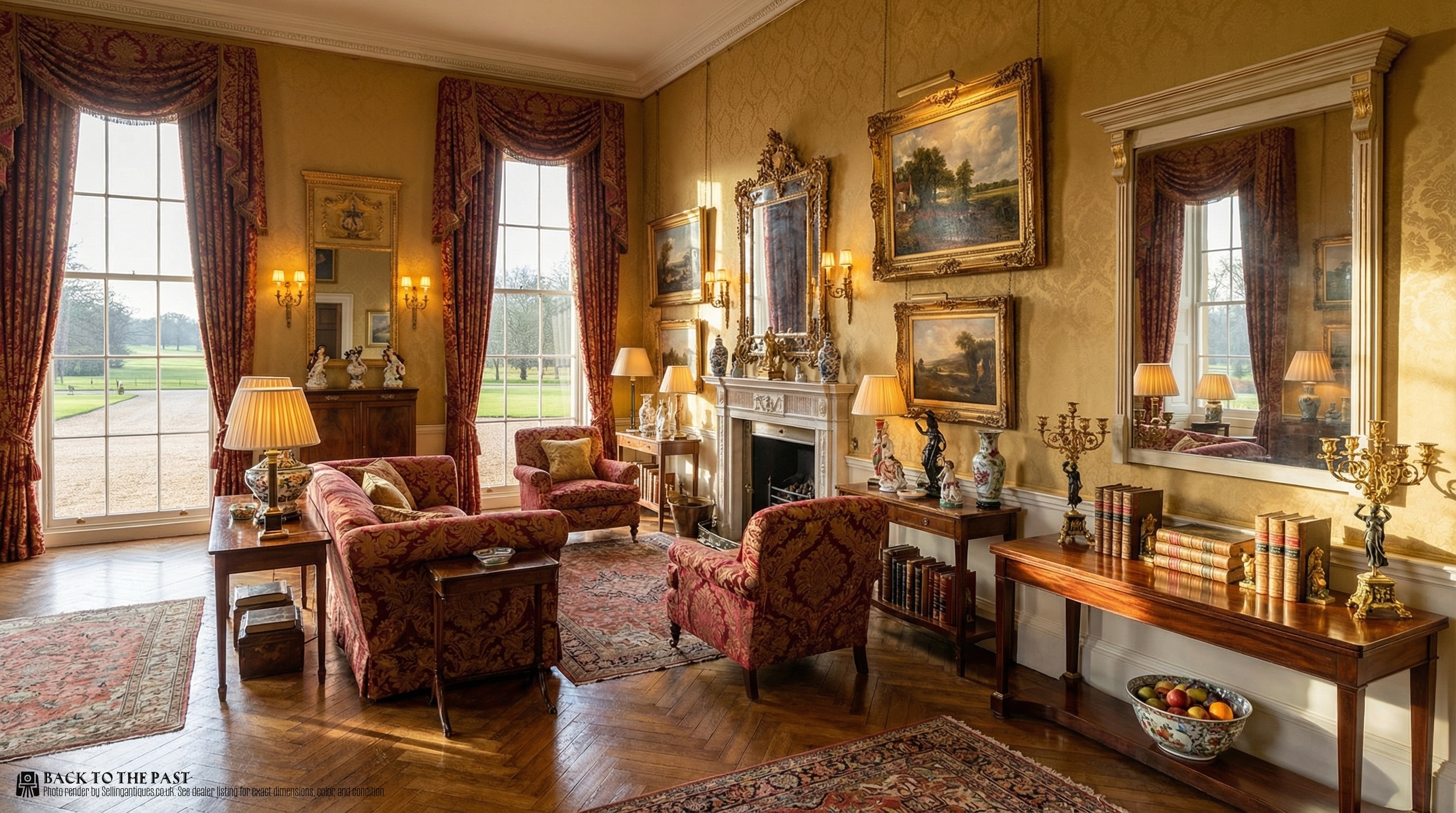
White and Gold Mirror
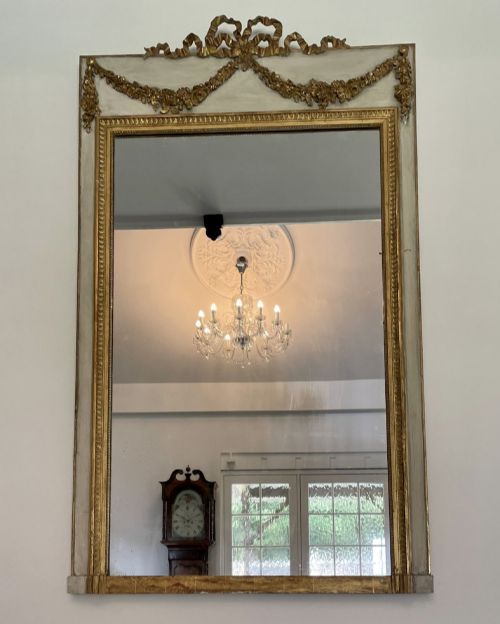
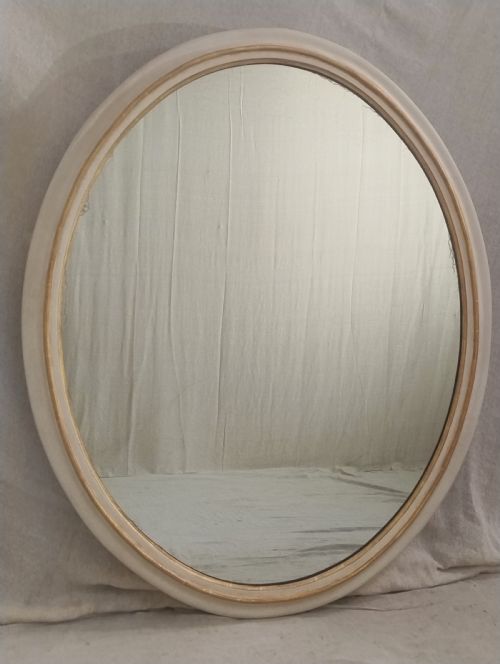
A white and gold mirror combines painted timber frames with contrasting metallic leaf, often taking the substantial form of an overmantel or wall glass. These pieces span the nineteenth century and into the early decades of the twentieth century, reflecting revival tastes from Regency to French Chateau styles.
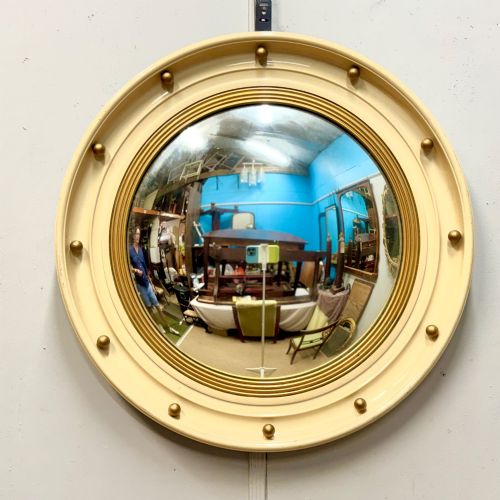
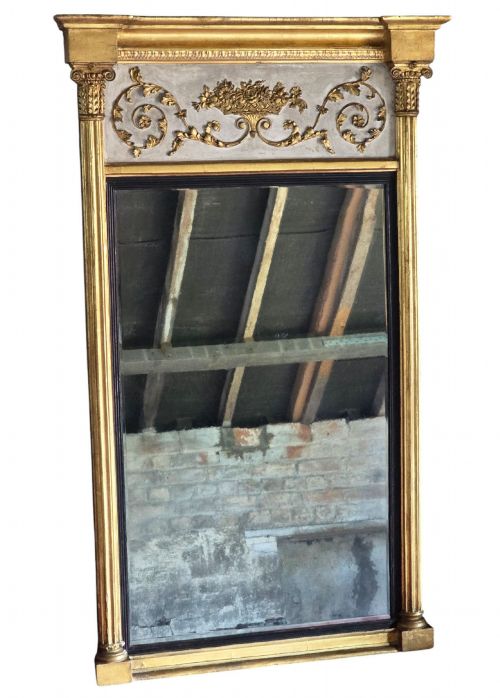
Buyers frequently encounter large overmantel mirrors designed to sit above a fireplace, alongside round convex mirrors and tall pier glasses. The combination of painted white or cream finishes with parcel gilt details creates a balanced decorative presence that brightens a room without overwhelming the surrounding decor.
Materials and construction
Wood serves as the primary structural material for these frames, frequently built from carved timber or assembled mouldings. Artisans applied layers of gesso to create smooth surfaces and crisp relief details before adding paint and gold leaf.
Gilding was applied as thin gold leaf to selected areas such as classical motifs, beaded borders, and carved crests, leaving the painted white or off-white ground to dominate the wider frame. Mirror glass is set within these composite frames, often retaining original silvering characteristics or showing gentle foxing accumulated over generations.
Current listings feature nineteenth-century and early twentieth-century pieces utilising wood, gesso, paint, and gold leaf in styles from Regency to Rococo.
Judging quality
Quality rests upon the depth of hand-carving in the wooden elements and the crispness of the gesso mouldings beneath the paint and gilding. Finer examples display meticulous brushwork and genuine gold leaf that patinates richly over time, rather than flat modern metallic paints.
The architectural proportion of the frame and the integration of original mirror glass dictate the visual authority of the piece. Substantial overmantel frames require robust internal joinery to support their weight securely against a wall.
The White and Gold Mirror Glossary
- Gesso
- A plaster mixture applied to wood frames to create a smooth surface for painting and gilding. It allows artisans to carve intricate decorative details.
- Parcel Gilt
- A finishing technique where only specific raised portions or motifs of a painted frame are highlighted with gold leaf.
- Overmantel Mirror
- A wide mirror specifically proportioned to hang on the wall directly above a fireplace mantelpiece.
- Convex Glass
- A curved circular mirror glass that provides a wide, distorted panoramic reflection of the interior space.
- Trumeau Mirror
- A tall wall mirror incorporating a painted panel or decorative artwork within the upper section of the frame.
White and Gold Mirror: Frequently Asked Questions
Where should I hang an overmantel mirror?
These large mirrors traditionally anchor the space directly above a fireplace mantelpiece, reflecting light back into the room.
They also function effectively on main reception room walls where their substantial scale can create a sense of expanded space.
How do I clean a gilded frame?
Dust the carved surfaces gently with a soft, dry brush to prevent any damage to the delicate gold leaf and painted finish.
Avoid using commercial cleaning sprays or water, as moisture can lift the underlying gesso from the wood.
Are these mirrors heavy?
Many nineteenth-century overmantel and wall mirrors combine dense timber construction with thick glass, resulting in considerable weight.
Secure wall fixings and professional installation into structural wall studs are essential for safe display.
What period do these mirrors come from?
The selection spans the nineteenth century through to the early twentieth century, taking influence from Regency, Victorian, and French classical styles.
Construction methods and decorative motifs align with the revival aesthetics popular during these periods.