




Whiskey Decanter Chest
A whiskey decanter chest provides secure and elegant storage for spirits, combining fine woodwork and cut crystal for entertaining.
Whiskey Decanter Chest
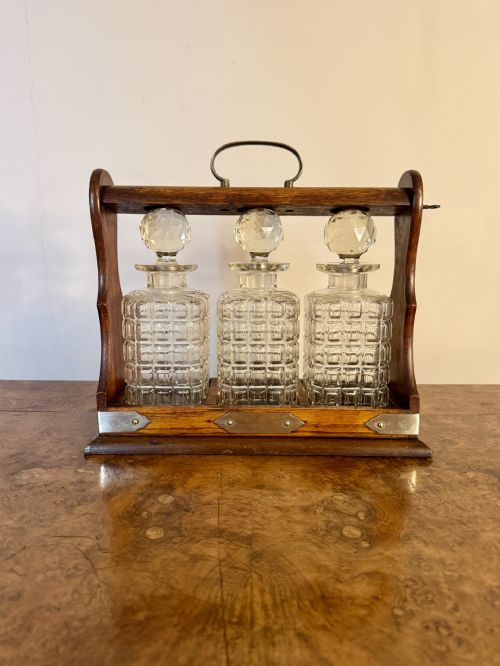
A whiskey decanter chest is a purpose-built home for spirit bottles and barware, designed to keep contents secure yet accessible in a parlour or study. These pieces take the form of tantaluses holding cut glass bottles alongside games compendiums, or traditional wooden boxes housing decanters.
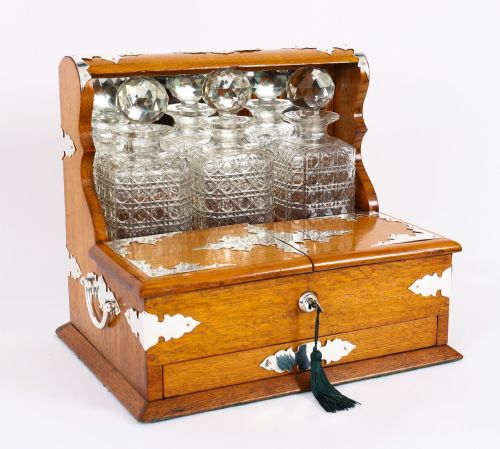
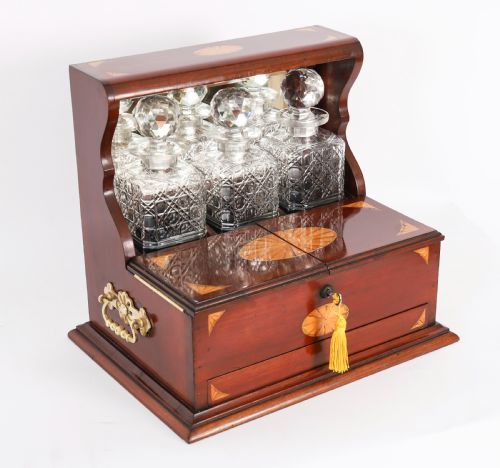
The versions most commonly met on this page span the Victorian and Edwardian eras, with oak, walnut, and mahogany being the predominant woods. Surviving examples often incorporate brass hardware and fitted interiors designed to hold multiple crystal decanters safely.
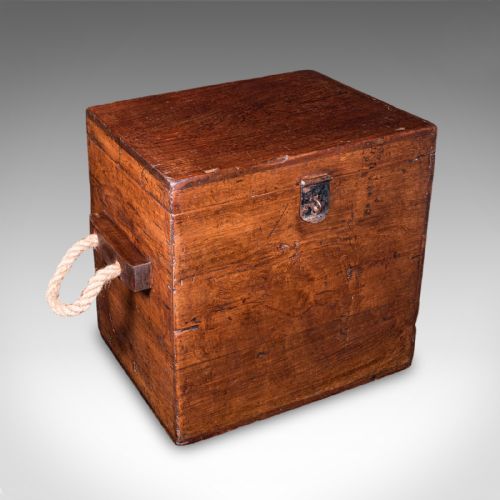
Georgian antecedents appear as maritime decanter boxes or mahogany cases intended for rum and whiskey storage during travel. These earlier containers focus purely on secure bottle stowage rather than the multi-functional dry bar arrangements popular later in the nineteenth century.
How they were made
Cabinetmakers constructed these chests using solid and figured timbers such as oak, walnut, and mahogany, frequently enhancing surfaces with brass banding and mounts. Internal compartments require precise joinery to cradle cut crystal decanters and glassware securely without movement during transit.
Locking mechanisms form a central part of construction, particularly in tantalus formats where a metal bar restrains the glass stoppers until a key is turned. Metalwork details, silver plate mounts, and interior mirror panels complete the construction of these elaborate drinking cabinets.
Whiskey Decanter Chest Retail Price Guide 2026
Typical asking prices for whiskey decanter chest among the pieces listed under this phrase on Sellingantiques today, from the lower quarter to the upper quarter. They describe what is for sale here now, not the wider market.
Listings feature oak, walnut, mahogany, and coromandel timbers across Victorian, Edwardian, and Georgian periods.
What varies in quality
Quality rests in the selection of timbers, such as figured oak, blonde oak, or satinwood inlay, and the crispness of the brass fittings and locking mechanisms. Finer examples integrate games compendiums with dedicated storage for cards and counters alongside the crystal decanters.
The integrity of the cut glass decanters themselves influences the overall standard, with heavy, well-faceted crystal matching the substantial weight of the housing box. Superior execution shows in the seamless integration of folding lids, drop fronts, and secure locking bars.
The Whiskey Decanter Chest Glossary
- Tantalus
- A locking drink cabinet that holds decanters securely by their stoppers so the contents cannot be poured without a key. This clever device prevented household staff from sampling the master's spirits.
- Decanter Box
- A wooden chest fitted with internal partitions designed to hold glass bottles upright during storage or travel. These containers range from plain maritime boxes to velvet-lined parlour chests.
- Games Compendium
- A multi-game set housed within a box, often integrated into the lower or upper sections of nineteenth-century drinks cabinets. They contain items for pastimes such as cards and board games.
- Cut Glass
- Glass decorated by grinding facets or patterns into the surface using a wheel, creating brilliant light reflections. This material is standard for the decanters housed within finer nineteenth-century spirit chests.
Whiskey Decanter Chest: Frequently Asked Questions
What is a whiskey decanter chest?
A whiskey decanter chest is a specialised wooden cabinet designed to hold and lock spirit decanters and barware.
These pieces range from simple Georgian travel boxes to elaborate Victorian tantaluses combined with games compendiums.
How were tantaluses used?
A tantalus was kept in a reception room or study to store valuable spirits securely under lock and key.
The metal locking bar prevents the removal of glass stoppers, keeping the contents safe from unauthorized access.
How do I date a decanter chest?
Dating relies on timber choices, brass hardware styles, and the overall form, such as Georgian box shapes or Victorian multi-bottle tantaluses.
Earlier examples tend to feature plain mahogany construction, while later nineteenth-century pieces showcase figured oak, coromandel, and integrated games equipment.
Can I use the decanters daily?
The cut crystal decanters included in these chests are generally functional and suitable for holding spirits during modern entertaining.
Care should be taken when washing antique glass, and internal stoppers should be checked to ensure proper fit.