




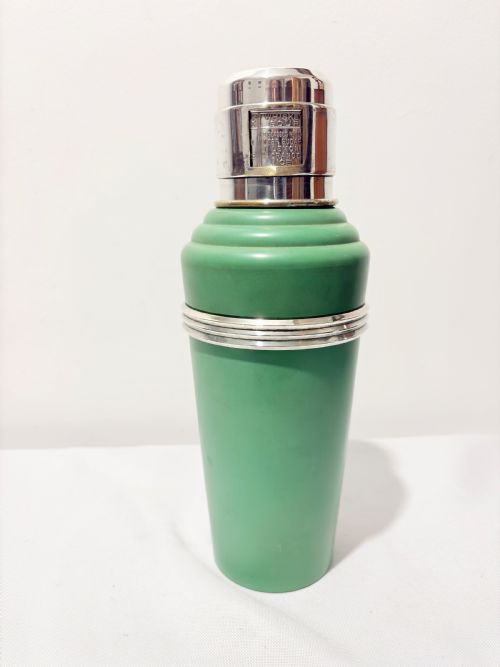


Antique Drink Accessories
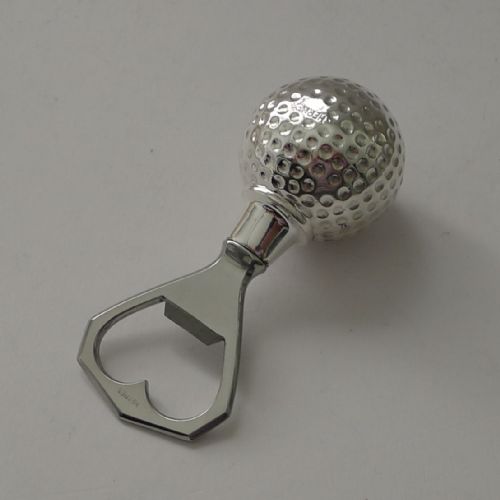
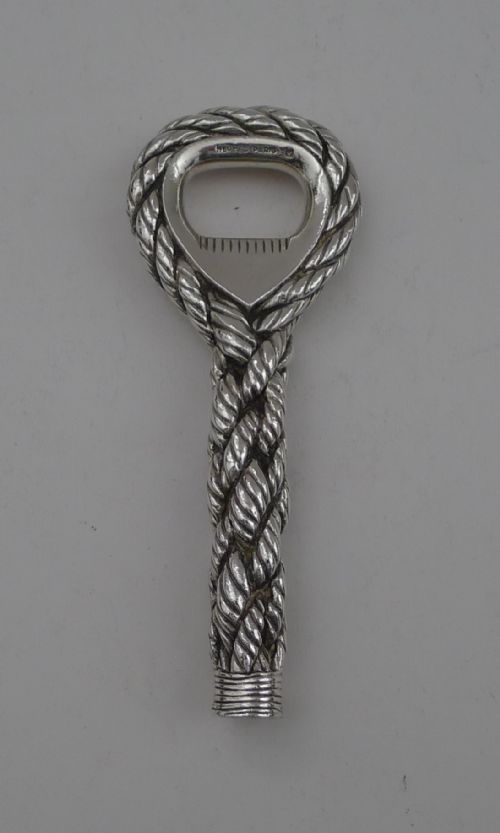
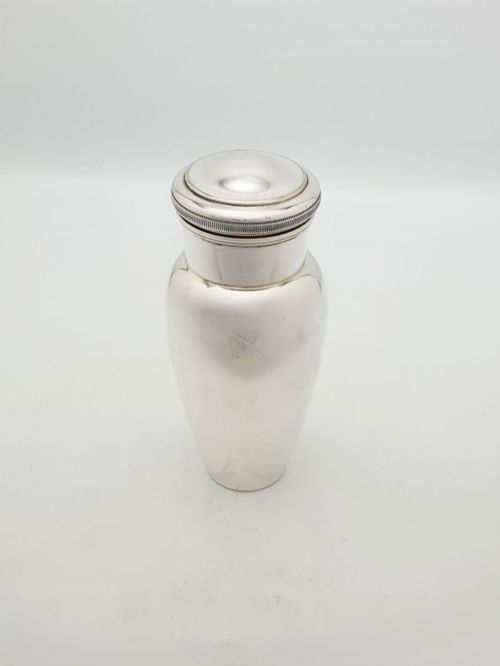
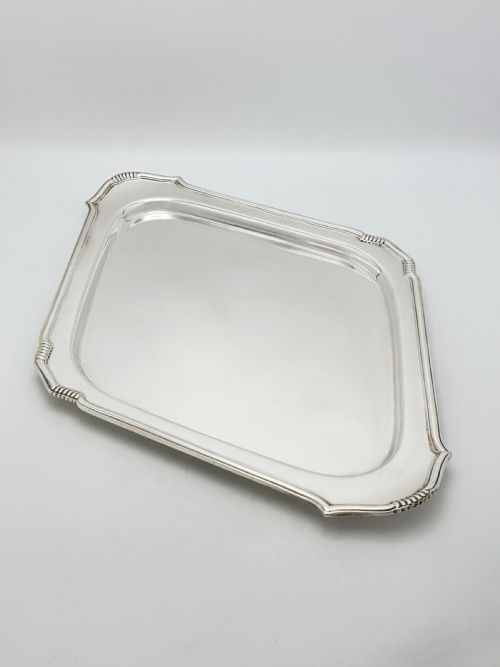
These antique drink accessories bring period character to any home bar with cocktail shakers, trays, and silver-mounted flasks.
Antique Drink Accessories
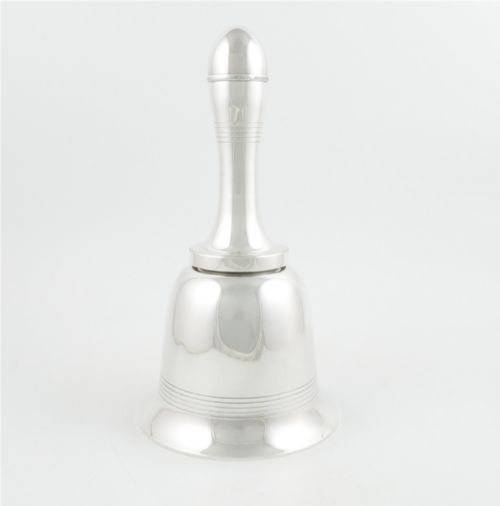
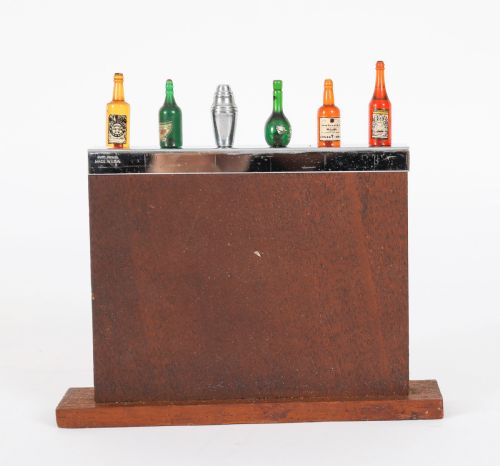
When you search for antique drink accessories, you are looking at functional items designed for hosting and serving beverages from the Victorian era through the mid-twentieth century. The selection leans heavily towards the Art Deco period, dominated by silver-plated cocktail shakers, matching bar sets, and specialised serving trays.
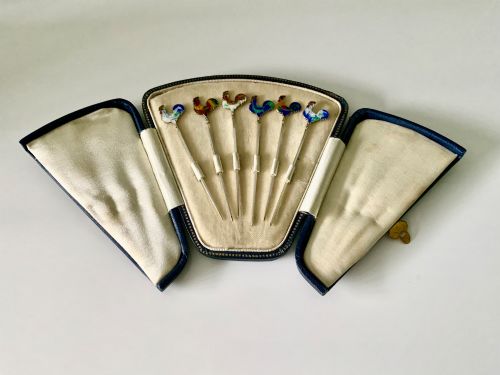
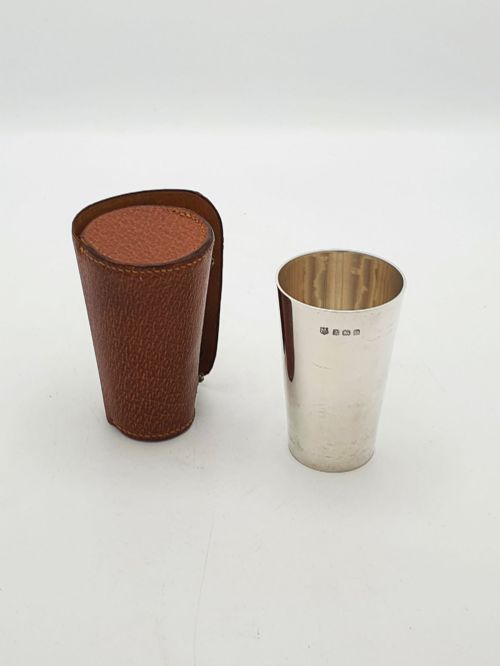
Beyond shakers, the pieces include bottle coasters, cocktail sticks, travel beakers, and spirit flasks housed in leather cases. These objects reflect the changing social habits of Edwardian and Georgian times, moving from formal dining rooms to cocktail lounges.
How they were made
Makers shaped these items primarily from silver plate, electroplated nickel silver, and sterling silver, frequently combining metal with glass, wood, and leather. Enamel decoration and green Bakelite appear on mid-century cocktail sticks and shakers, introducing colour alongside polished chrome.
Techniques relied on heavy metal spinning for shaker bodies and precision soldering for integral lemon squeezers and ice breakers. Oak and ceramic creamware appear in robustly constructed ice buckets and bottle coasters designed for regular use.
Antique Drink Accessories Retail Price Guide 2026
Typical asking prices for drink accessories among the pieces listed under this phrase on Sellingantiques today, from the lower quarter to the upper quarter. They describe what is for sale here now, not the wider market.
Materials across these listings span sterling silver, silver plate, glass, oak, leather, enamel, chrome, and Bakelite.
What varies in quality
Quality rests on the weight of the metal, the balance of the piece in the hand, and the crispness of any engraved or enamelled detail. Pieces originating from recognised silversmiths display superior plating thickness and more secure mechanical fittings for lids and strainers.
Design ambition separates standard barware from exceptional examples, seen in novelty shapes, built-in recipe mechanisms, and coordinated sets with original leather carry cases.
Keith Murray·William Suckling·Mappin & Webb·James Dixon & Sons·Asprey
The Antique Drink Accessories Glossary
- Electroplated Nickel Silver
- A base metal alloy coated with a layer of silver through an electrolytic process. It provides the appearance of solid silver at a lower weight and cost.
- Tantalus
- A decorative wooden cabinet holding decanters securely behind a locking bar. The mechanism prevents guests from pouring drinks without a key.
- Bakelite
- An early form of synthetic plastic used for handles and decorative accents on mid-century barware. It offers a smooth finish and distinct rich tones.
- Spirit Flask
- A small, portable container for holding liquor, often curved to fit a pocket. Victorian and Edwardian examples frequently feature leather wrapping and silver mounts.
- Bottle Coaster
- A small tray or ring placed beneath a wine bottle to protect tabletops. Antique versions often incorporate wooden bases with silver-plated galleries.
Antique Drink Accessories: Frequently Asked Questions
How do I clean antique silver-plated shakers?
Use a specialised silver polishing cloth and warm soapy water to clean exterior surfaces gently. Avoid harsh abrasive compounds that can wear away the thin silver plating.
Dry the metal thoroughly immediately after washing to prevent water spotting and tarnishing.
Are Art Deco cocktail shakers still usable?
Most antique silver-plated shakers remain functional if their internal seals and corks are intact. Inspect the removable caps and built-in strainers to ensure they fit securely before mixing liquids.
Hand wash the components after use to preserve the original metal finish.
What is a bachelor cocktail shaker?
A bachelor shaker is a smaller vessel designed to mix a single serving or two drinks rather than a large round. These compact pieces were popular during the 1920s and 1930s for personal use.
They frequently feature built-in gadgets like lemon squeezers or recipe dials.
How do I date an antique bar set?
Examine the piece for maker marks, registration numbers, and stylistic cues such as geometric Art Deco lines or Victorian floral engraving. Hallmarks on silver and silver plate provide specific production years.
Materials like Bakelite and chrome indicate a 1930s or 1940s origin.