




Wheel Engraved Glass Vessel
These wheel engraved glass vessel examples span centuries of master craftsmanship, offering collectors brilliant clarity, deep cut motifs, and enduring historical utility.
Wheel Engraved Glass Vessel
A wheel engraved glass vessel represents a rich tradition of decorative glassware designed for display, ceremony, and the table. When searching for a wheel engraved glass vessel, collectors encounter forms ranging from massive ceremonial beakers to tall rummers and heavy wine jugs.
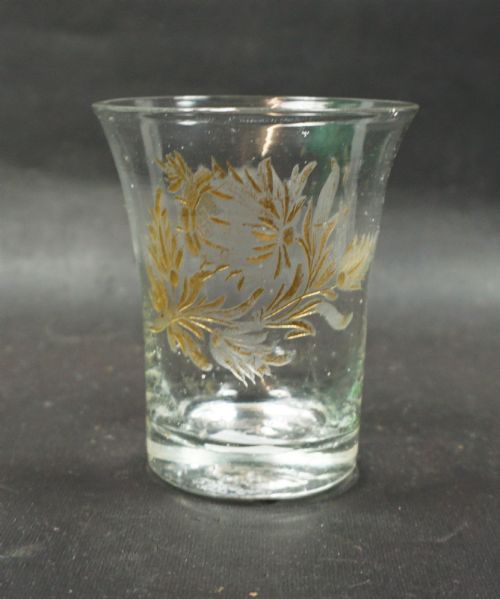
The selections span distinct historical eras, showing influences from Georgian, Victorian, Regency, and Biedermeier design. Pieces take the form of heavy lead-crystal rummers, delicate goblets, and substantial vases featuring detailed figural or botanical scenes.
Origin points stretch across England and Bohemia, capturing regional approaches to glassblowing and surface decoration. Buyers frequently meet items dated from the seventeenth century through to the early twentieth century, each carrying the distinct weight of lead glass or clear crystal.
How they were made
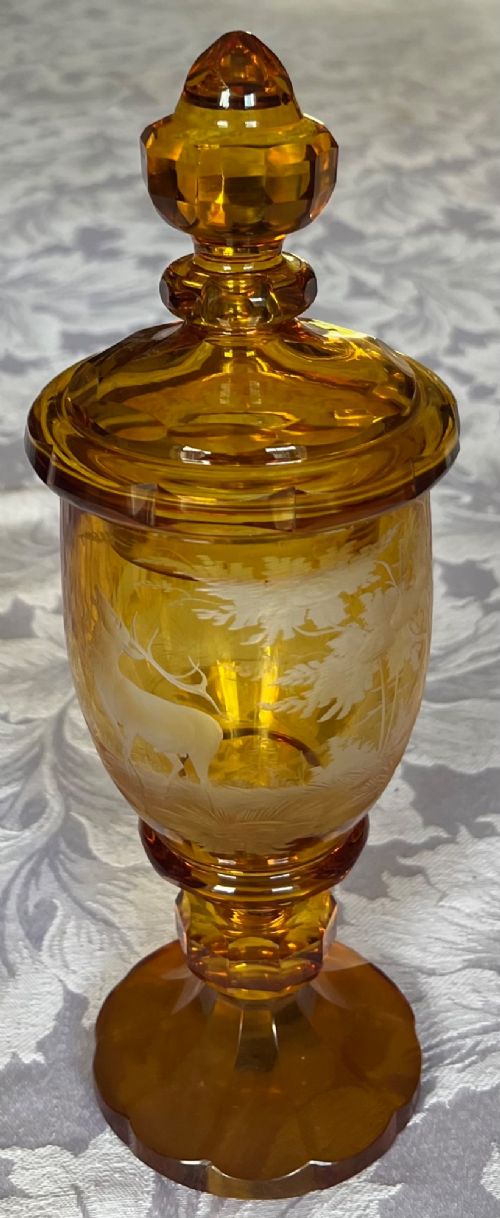
Makers shaped clear glass, lead glass, and coloured crystal such as ruby or amber glass while molten, forming robust vessels designed to withstand deep carving. Artisans employed heavy lead crystal to achieve the structural heft necessary for extensive surface work.
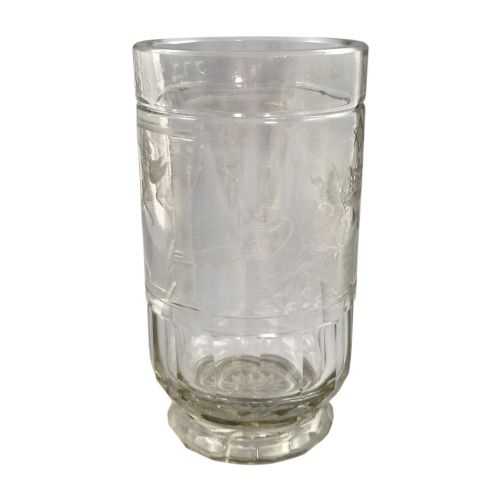
Craftsmen utilised small rotating abrasive wheels of various sizes to cut away the glass surface, achieving precise figural scenes, fruiting vines, and geometric patterns. This wheel engraving technique was frequently combined with traditional cutting and etching to create contrasting textures and depth.
Wheel Engraved Glass Vessel Retail Price Guide 2026
Typical asking prices for wheel engraved glass vessel among the pieces listed under this phrase on Sellingantiques today, from the lower quarter to the upper quarter. They describe what is for sale here now, not the wider market.
The object forms recorded on this page include tall rummers, claret jugs, stemmed goblets, ceremonial beakers, and covered vases.
What varies in quality
Quality rests in the precision and depth of the wheel cutting, where superior pieces exhibit crisp lines and remarkable three-dimensional relief. The clarity of the underlying lead crystal or clear glass determines how well light travels through the engraved motifs.
Compositional complexity sets finer examples apart, particularly those featuring detailed narrative scenes like portraits or masonic emblems rather than repetitive geometric borders. The weight and balance of the vessel relative to its scale also signal higher production standards.
The Wheel Engraved Glass Vessel Glossary
- Rummer
- A large, heavy drinking glass popular in Britain during the eighteenth and nineteenth centuries. These vessels typically feature a short stem and a capacious bowl suited for ale or wine.
- Lead glass
- Glass containing a significant proportion of lead oxide, which increases brilliance and weight. This material provides the ideal ductile medium for deep wheel engraving.
- Intaglio
- A technique where the design is sunken below the surface of the glass rather than raised in relief. It creates a subtle, tactile finish that catches light from behind.
- Beaker
- A straight-sided cylindrical drinking vessel without a handle or stem. Ceremonial examples often feature elaborate heraldic or fraternal engravings.
- Cranberry glass
- A rich red transparent glass coloured with gold chloride, often seen in nineteenth-century decorative tableware. It serves as a striking contrasting layer for wheel-cut decoration.
Wheel Engraved Glass Vessel: Frequently Asked Questions
Were these pieces used daily?
Many rummers and beakers served functional roles at the dining table for serving wine, ale, or punch during formal gatherings. Larger vessels and covered vases often functioned primarily as display pieces or ceremonial objects.
Over time, the wear on the base can indicate whether a piece saw active service on the table or remained safely on a sideboard.
How do I date a glass vessel?
Dating relies on observing the form, the weight of the metal, and the style of the engraving. Georgian and Regency pieces often display thick pontil marks and sturdy, heavy proportions.
Later Victorian and twentieth-century items introduce more varied colour palettes and distinct figural motifs that align with changing aesthetic movements like Biedermeier.
What is the difference between cutting and engraving?
Glass cutting utilises larger wheels to create deep geometric facets, flutes, and prisms across the body of the vessel. Wheel engraving employs much smaller, finer wheels to draw intricate details, portraits, and botanical scenes.
Many high-end pieces combine both techniques, using heavy cuts around the base or rim and delicate engraving across the central frieze.