





West Persian Carpet
A west persian carpet brings tactile history into a room through dense wool and varied village designs.
West Persian Carpet
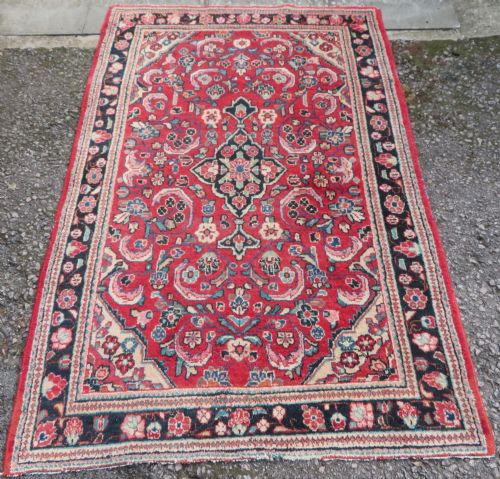
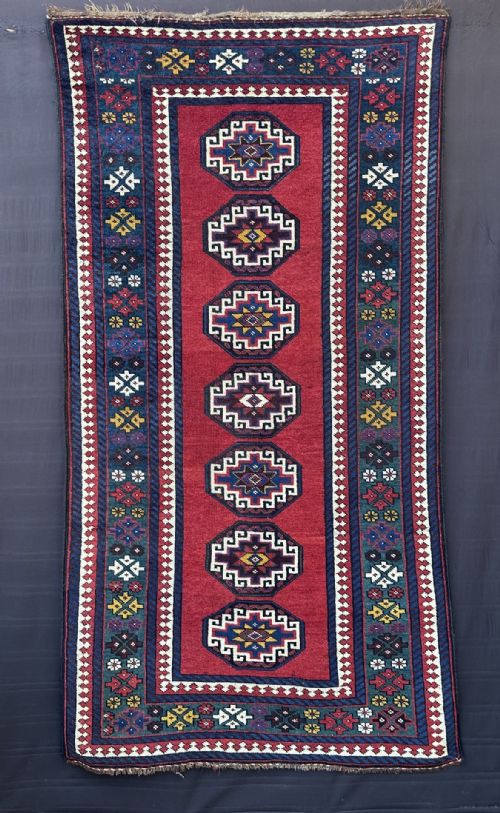
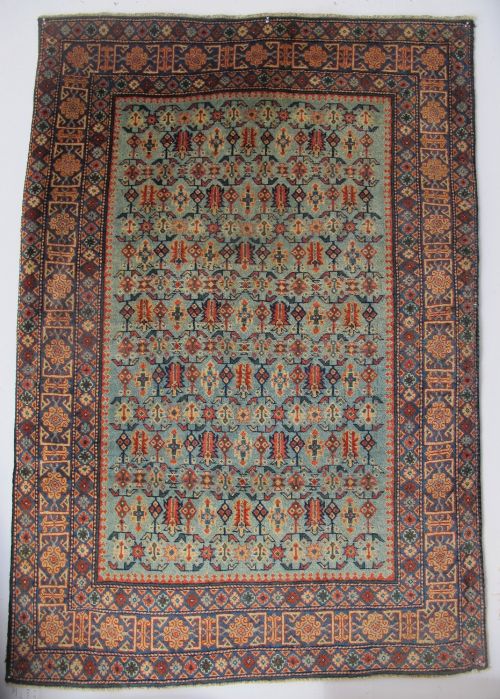
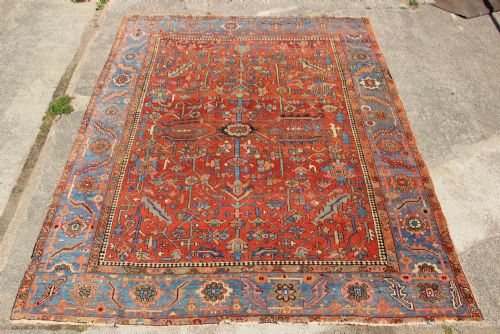
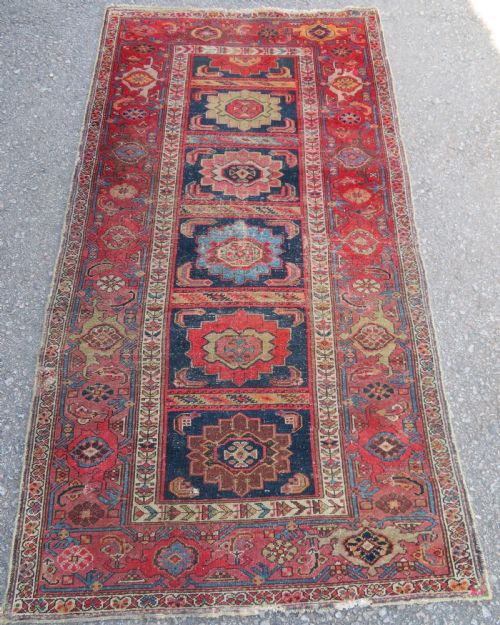
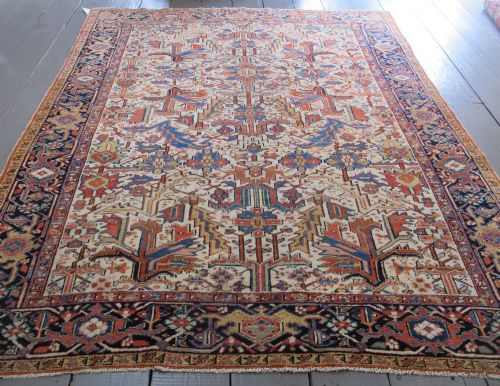
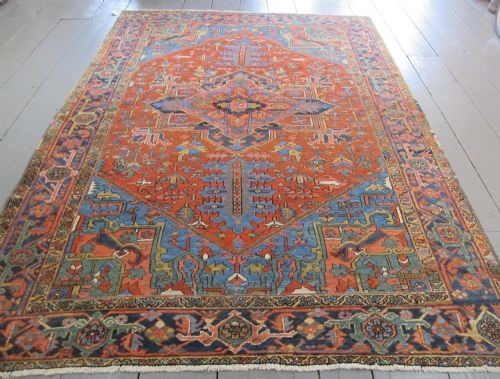
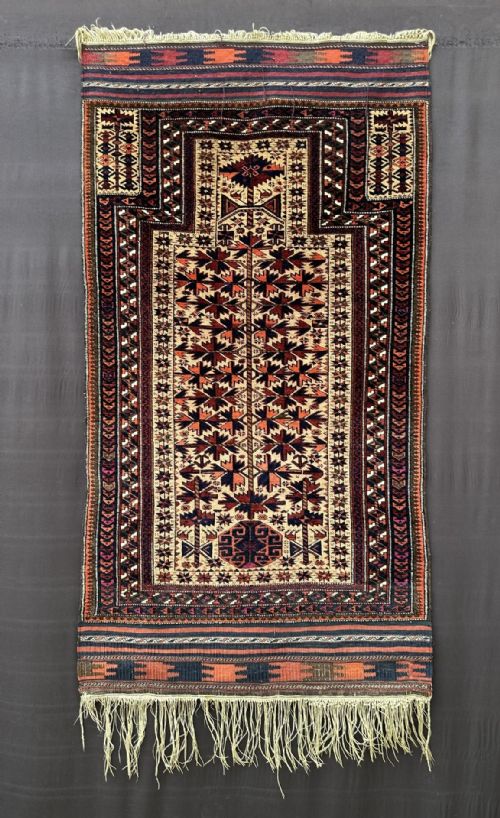
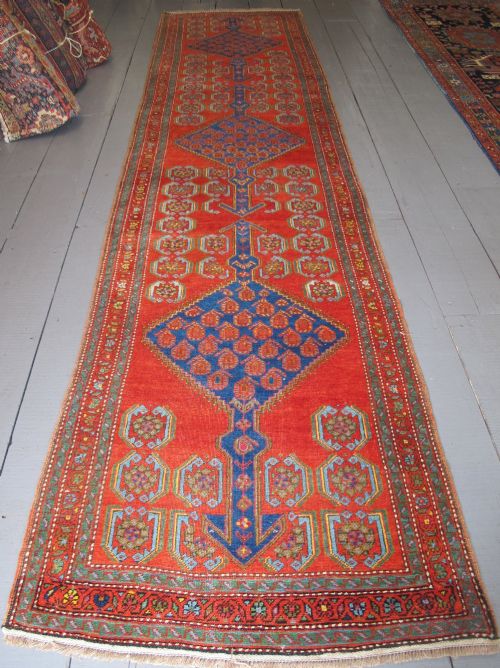
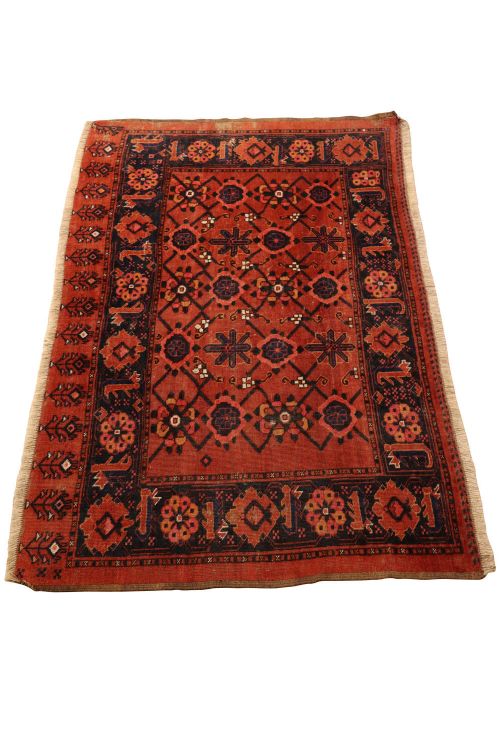
A west persian carpet encompasses traditional room-sized floor coverings, long narrow runners, and smaller village rugs originating from distinct weaving centres and tribal confederacies across the region. Surviving examples date primarily from the late nineteenth century through to the early decades of the twentieth century, reflecting established regional aesthetics.
The format ranges from compact scatter rugs to large corridor carpets and substantial room sizes. Village workshops and nomadic groups produced these items for daily utility as well as regional trade, resulting in diverse geometric and floral formats.
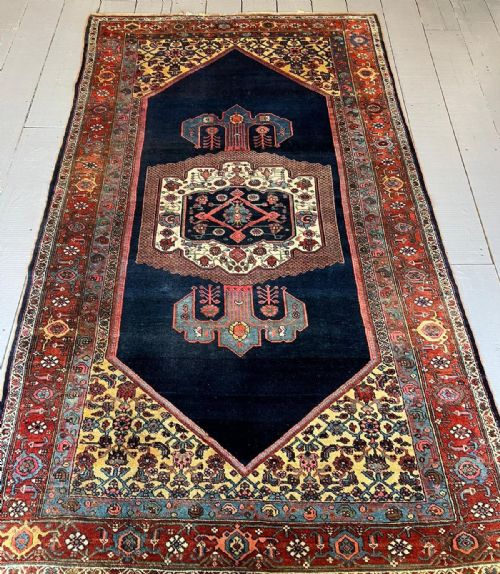
Makers include specific tribal groups and village weavers working in areas such as Heriz, Sarouk, Hamadan, and Bakhtiari. Pieces often display characteristic medallion layouts or overall repeating motifs tied to their specific geographic origin.
Materials and Construction
Construction relies upon hand-knotted wool pile secured on cotton or wool foundations, utilising sturdy handweaving techniques that ensure structural durability. Natural dyes provide the palette, yielding rich tones that age with visible character.
Weavers employed asymmetrical or symmetrical knots depending on the specific tribal or village tradition. The resulting textiles exhibit substantial heft and flexible handles suited to centuries of practical use on floors.
Certain saddle bag face rugs survive simply because someone valued a small piece of nomadic artistry enough to cut and preserve it.
Assessing the Weaving Standard
Knot density and the precision of the design execution dictate the refinement of a piece, with tighter foundations allowing for sharper geometric or floral definition. The handling of the wool pile itself determines the resilience and texture underfoot.
The depth and harmony of the natural dye palette influence visual appeal, as well-preserved colour saturation elevates the presence of the carpet. Original finishing, including intact side cords and end finishes, contributes significantly to the integrity of the piece.
Yaqoub Khani Tribe·Baharlu Tayefeh·Arab-jabbareh Tribe·Benlian
The West Persian Carpet Glossary
- Medallion
- A central ornamental motif dominating the field of the carpet. It frequently dictates the symmetry of the surrounding design.
- Runner
- A long, narrow carpet format designed specifically for corridors, hallways, or staircases. These pieces often feature continuous repeating patterns.
- Pile
- The upright yarn loop surface of the carpet formed by hand-knotting wool onto the foundation. This layer provides the texture and absorbs wear.
- Foundation
- The underlying structure of warp and weft threads that supports the knotted wool pile. Cotton and wool are the primary structural components.
- Natural Dye
- Colorants derived from plant, insect, or mineral sources utilised prior to the introduction of synthetic alternatives. They produce complex, varied hues across the wool.
West Persian Carpet: Frequently Asked Questions
How do I clean a vintage carpet?
Regular gentle vacuuming without a beater bar removes surface dust and grit from the wool pile. Professional specialist cleaning is recommended for deeper maintenance to protect the natural dyes and foundations.
Avoid excessive moisture and harsh chemical detergents. Prompt attention to spills prevents staining without compromising the integrity of the hand-knotted structure.
Can these carpets handle heavy foot traffic?
Traditional hand-knotted wool construction provides natural resilience and strength for everyday use in active areas. The dense pile absorbs friction well while maintaining its structural form over decades.
Placing an appropriate underlay beneath the piece prevents sliding and reduces direct impact wear. This simple measure extends the active lifespan of the textile significantly.
How are different regional styles identified?
Distinct structural traits, such as knot type, foundation materials, and palette choices, point directly to specific geographic origins. Motif arrangements like large geometric medallions or fine overall floral sprays further separate village work from tribal output.
Comparing edge finishes and wool quality helps narrow down the probable production district. Reference literature on Persian weaving traditions provides detailed comparative frameworks for attribution.
What causes colour variations within a single piece?
Hand-dyed wool batches often absorb colour slightly differently, creating subtle tonal shifts known as abrash across the field. Natural dyes interact uniquely with organic fibres during the dyeing process.
Exposure to light over time also influences the surface tones of older textiles. These natural shifts are standard characteristics of authentic hand-dyed floor coverings.