



Vintage Bakhtiari Runner
A vintage bakhtiari runner brings the bold geometry and storytelling of western Persia straight to your hallway.
Vintage Bakhtiari Runner
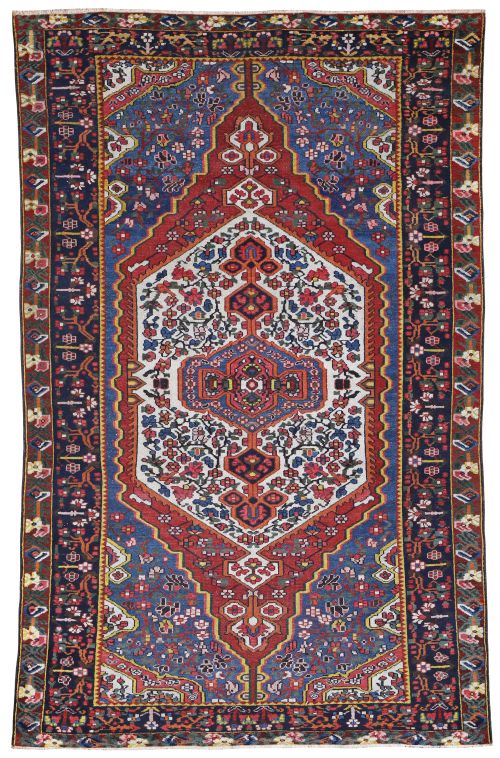
When you search for a vintage bakhtiari runner, you are looking at narrow, elongated carpets woven by tribal and village makers in the Chahar Mahal region of western Persia. These pieces date across several decades, appearing in styles defined as Persian tribal, Persian Bakhtiari, and tribal Persian.
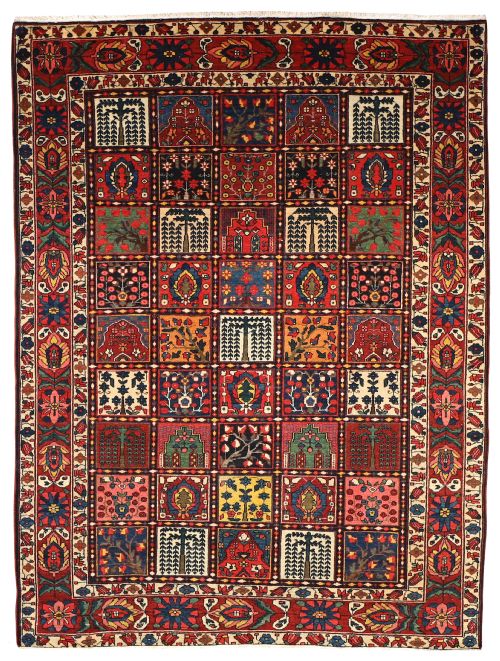
You are most likely to meet wool and cotton constructions featuring traditional patterns such as the iconic garden design or geometric tribal layouts. The pieces on this page span from the late nineteenth century through the early decades of the twentieth century, capturing a rich regional weaving heritage.
These narrow formats served as corridor carpets and long floor coverings designed to handle high-traffic areas in traditional homes. Their distinctive proportions and enduring motifs make them a practical and visually arresting choice for modern hallways and galleries.
How they were made
Weavers in the Chahar Mahal region built these runners using sturdy wool for the pile, paired with cotton foundations that provided structural stability. This combination ensured the carpets could withstand heavy daily use while retaining a supple hand.
Makers utilised natural dyes to achieve deep reds, blues, and earthy tones that have aged gracefully over the decades. The hand-knotted technique allowed for intricate geometric compartments and floral motifs, particularly the signature garden panels.
Vintage Bakhtiari Runner Retail Price Guide 2026
Typical asking prices for vintage bakhtiari runner among the pieces listed under this phrase on Sellingantiques today, from the lower quarter to the upper quarter. They describe what is for sale here now, not the wider market.
Materials recorded across these specific runner and carpet listings comprise durable wool, cotton foundations, and traditional natural dyes.
What varies in quality
The distinction between standard village weaving and superior craftsmanship lies in the tightness of the knotting and the complexity of the design layout. Finer examples display crisper definition in the geometric garden compartments and a more balanced distribution of natural dye colours.
Structural integrity also separates the grades, with densely packed wool piles offering greater resilience underfoot. The consistency of the weave along the entire length of the narrow format reflects the skill of the individual tribal maker.
The Vintage Bakhtiari Runner Glossary
- Chahar Mahal
- The mountainous region in western Persia where Bakhtiari tribes and village weavers produced these distinctive carpets. This area is renowned for its rich carpet-weaving traditions and garden design layouts.
- Kelleh
- A traditional Persian carpet format that is longer than a standard rug but broader than a corridor runner. These pieces offer substantial floor coverage for distinct interior spaces.
- Sofreh
- A flatwoven or piled cloth traditionally used for serving bread or handling food in tribal households. These utilitarian textiles share materials and dyeing techniques with larger village rugs.
- Natural Dyes
- Colourants derived from plant, root, and insect sources rather than synthetic chemicals. These organic pigments mellow gracefully over time, creating the rich patination seen on older Persian carpets.
- Pile
- The upright yarn loops that form the soft surface of a knotted carpet. In these pieces, durable wool forms the pile above a supportive cotton foundation.
Vintage Bakhtiari Runner: Frequently Asked Questions
How do I date an old Bakhtiari rug?
Dating these carpets involves examining the materials, dye types, and structural characteristics recorded in historical weaving traditions. Pieces from the late nineteenth and early twentieth centuries often display specific regional design traits and natural colour palettes.
Expert assessment looks at the handling of the wool, the crispness of the tribal motifs, and the wear patterns. Comparing these details against documented examples helps narrow down the period of origin.
Where were Bakhtiari carpets made?
These carpets originate from the Chahar Mahal region, situated in the mountainous western part of Persia. This area was home to various Bakhtiari tribes and settled village communities known for distinctive weaving traditions.
The local makers utilised readily available wool and natural dye sources to create robust carpets for both domestic use and trade. Their work reflects distinct regional aesthetics passed down through generations.
How do I care for a vintage wool runner?
Caring for a vintage wool runner involves regular gentle vacuuming without the beater bar to protect the hand-knotted pile. Professional cleaning suited for antique textiles should be used periodically to maintain the wool and natural dyes.
Placing the runner on a breathable underlay prevents slipping and reduces friction against hard flooring. Keeping the piece out of harsh direct sunlight also preserves the rich tones of the natural dyes.