



Welsh Tridarn
A Welsh tridarn is an imposing three-tier timber cabinet built to display and store household wealth, offering serious collectors the ultimate expression of vernacular joinery.
Welsh Tridarn
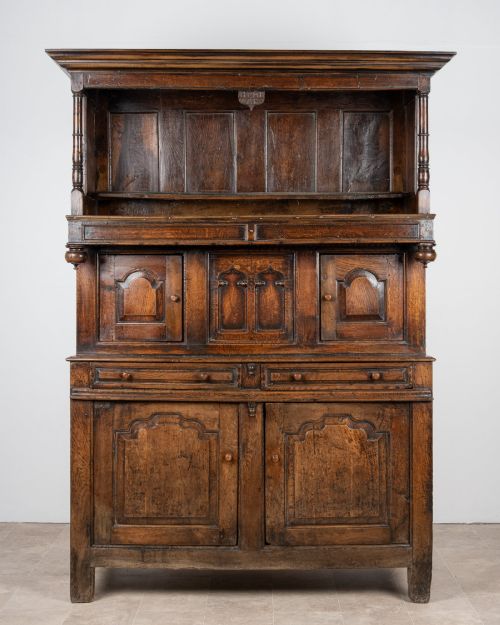
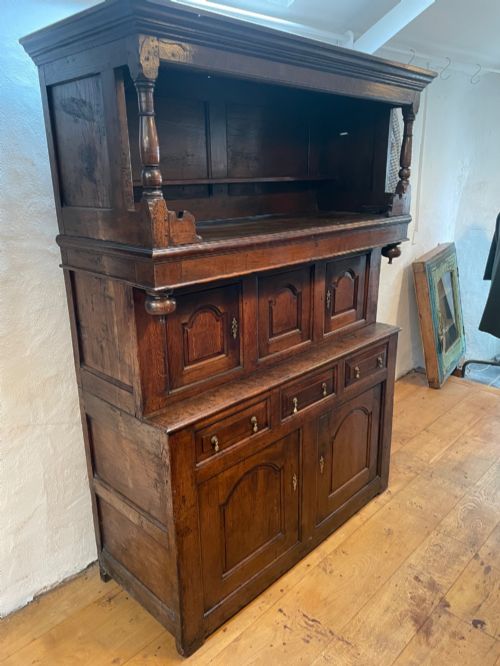
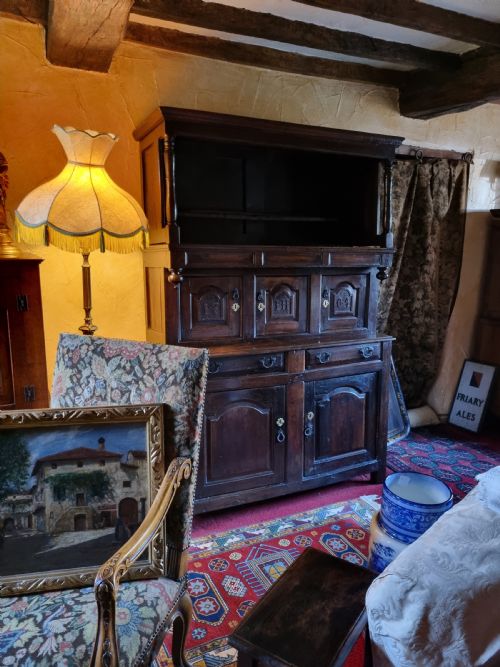
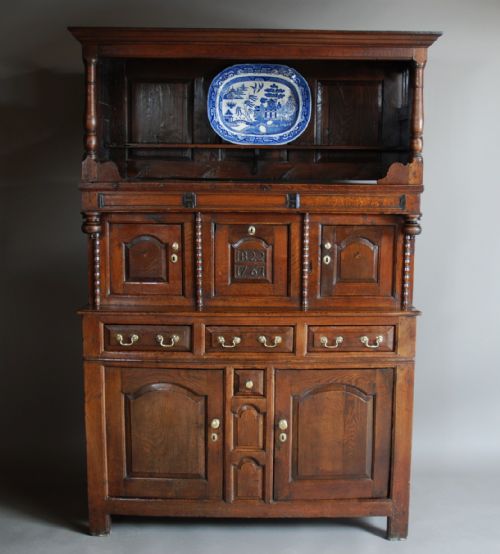
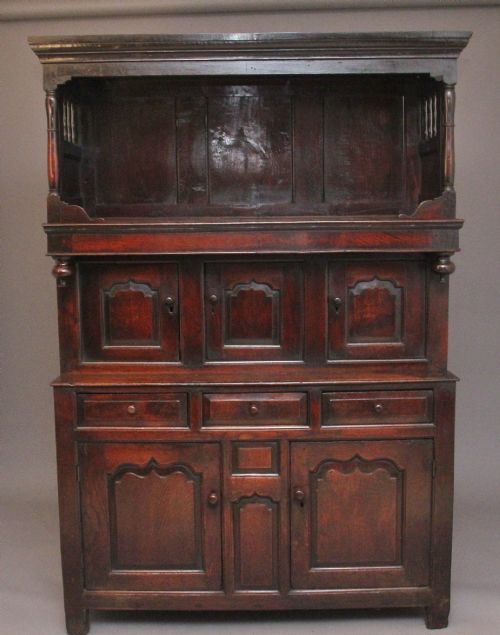
When you search for a Welsh tridarn, you encounter a monumental three-stage vernacular cupboard that forms the pinnacle of rural cabinet-making. These architectural pieces divide into a lower cupboard, a middle section with small flanking doors or panels, and an open canopy top supported by turned posts.
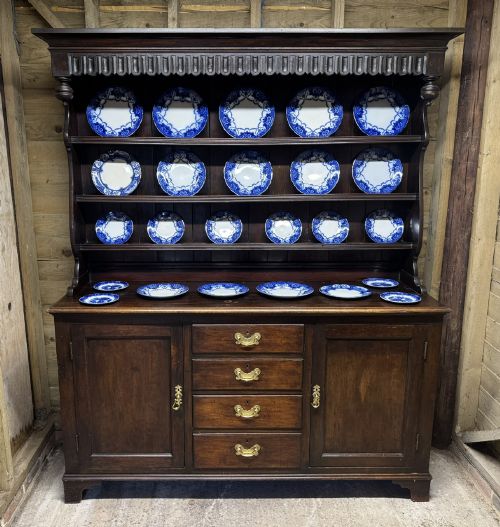
You are most likely to meet 18th century examples fashioned in richly patinated oak, often originating from regional pockets such as Snowdonia. Alongside the true three-tier tridarn, the listings include related two-part deuddarn cupboards and early regional dressers that share the same robust construction.
The form evolved from earlier court cupboards, maintaining deep roots in Welsh country traditions where timber framing was a matter of local pride. These cabinets served as the focal point of the farmhouse interior, designed to hold provisions while exhibiting the finest turned work and carved panels the local carpenter could muster.
Materials and construction
The dominant material across these pieces is native oak, chosen for its durability and worked with hand tools to produce substantial planking and pegged joints. Occasional examples incorporate yew-wood for contrast or rarity, alongside wrought iron and brass fittings used for hinges, handles and escutcheons.
Joinery relies on traditional frame-and-panel methods, joined by wooden pegs rather than modern fixings. The upper stages feature turned support posts and intricate spindle galleries, while doors often display carved detailing or fielded panels characteristic of regional vernacular styles.
Welsh Tridarn Retail Price Guide 2026
Typical asking prices for welsh tridarn among the pieces listed under this phrase on Sellingantiques today, from the lower quarter to the upper quarter. They describe what is for sale here now, not the wider market.
Several cupboards carry carved dates from the early 1700s, etched into the timber by rural joiners who left their permanent mark on the family plate.
What separates the best from the rest
Quality in a tridarn rests upon the integrity of its proportions and the untouched survival of all three original tiers. Pieces that retain their correct canopy supports and original boarded backs command greater attention from serious collectors.
Surface timber character marks the finest examples, where decades of wax and handling produce a deep, warm patina across the oak. Finer regional pieces also display ambitious carving on the friezes and crisper turning on the hanging columns, distinguishing them from simpler utility cupboards.
The Welsh Tridarn Glossary
- Tridarn
- A traditional Welsh three-tier cupboard featuring an open middle canopy stage supported by columns. It represents the most complex evolution of rural Welsh storage furniture.
- Deuddarn
- A two-part Welsh cupboard lacking the upper open canopy stage of the tridarn. It shares the same sturdy oak construction and vernacular styling.
- Patina
- The deep, lustrous surface sheen developed by aged timber through generations of handling, polishing and exposure to light. This quality indicates an authentic, unstripped finish.
- Vernacular
- Architecture and furniture built by local craftsmen using regional materials and traditional techniques, prioritising utility and local style over academic design.
- Fielded panel
- A wooden panel with bevelled edges that fit into a grooved frame, allowing the timber to expand and contract safely with humidity changes.
Welsh Tridarn: Frequently Asked Questions
What is the difference between a tridarn and a deuddarn?
A tridarn is built in three distinct tiers, incorporating an open upper canopy stage supported by turned columns above the central section. A deuddarn is a simpler two-part cupboard that omits this upper display canopy entirely.
Both forms utilise heavy oak framing and regional vernacular joinery traditions, serving as major storage pieces in rural farmhouses. The tridarn represents the more ambitious and uncommon form of the two.
Where were most tridarns made?
The majority of these pieces originate from rural Wales, with specific regional pockets like Snowdonia producing distinctive variations in turning and panel carving. Local carpenters built them using native hardwoods available to the immediate district.
Their heavy construction reflects the isolated rural communities where skilled joiners adapted metropolitan fashions into robust country furniture.
How should I care for an antique oak tridarn?
Maintain a stable room temperature and keep the timber away from direct heat sources and strong sunlight to prevent the oak from splitting. Apply a traditional beeswax polish occasionally to nourish the surface and preserve the historic patina.
Avoid modern liquid cleaners or silicone sprays, which can penetrate open-grain oak and damage the aged finish built up over centuries.
Are all tridarns dated?
Only a selection of these cupboards bear carved dates or initials, often inscribed into the top frieze or central panels to mark a marriage or completion. The absence of a carved date is entirely normal and does not detract from the authenticity of an 18th century piece.
Datation for undated examples relies on construction methods, timber characteristics, and regional stylistic markers compared against dated benchmarks.