




Welsh Furniture Trunk
Welsh furniture trunk searches bring up solid regional chests and coffers made to store household goods in domestic spaces.
Welsh Furniture Trunk
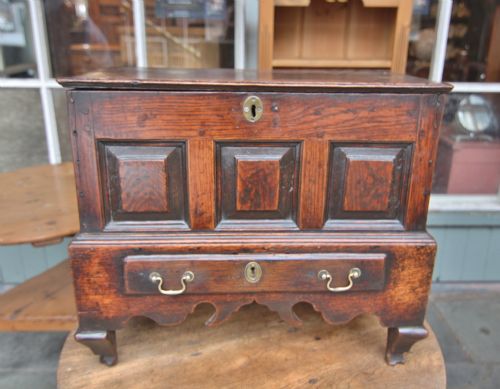
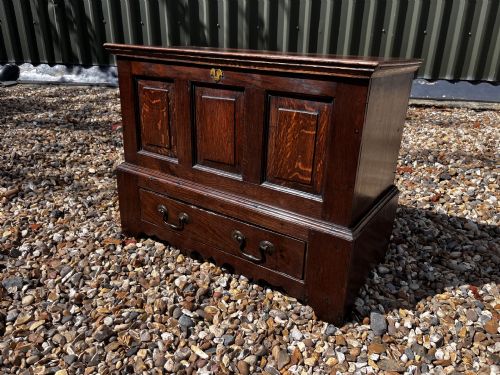
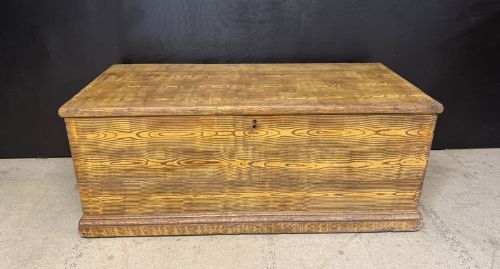
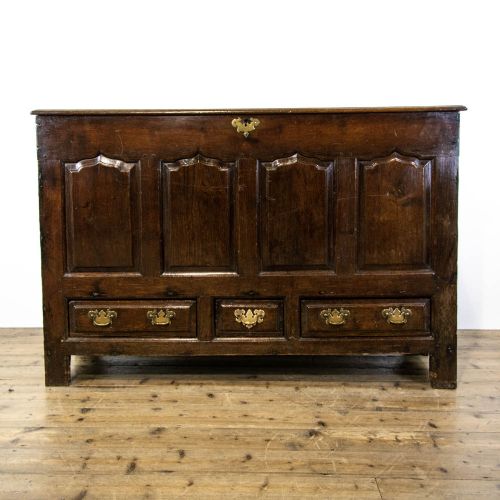
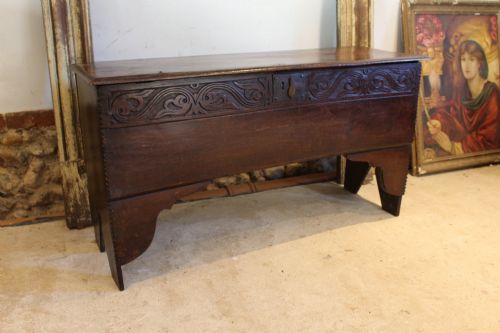
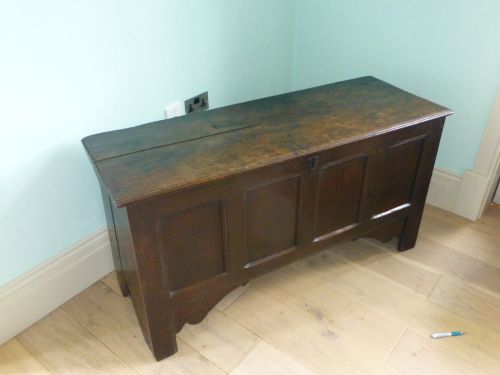
A welsh furniture trunk search uncovers robust storage pieces including standard coffers, mule chests with drawers, and miniature coffr bach boxes. These domestic items span periods from the sixteenth century through the nineteenth century.
The material selection centres heavily on native timber, with sturdy oak dominating early examples alongside elm, pine, fruitwood, and occasional painted finishes. Regional variations appear from localities such as the Gower peninsula, Snowdonia, and Montgomeryshire.
Mule chests and coffer bach variants offer specific storage functions, combining a lidded upper compartment with lower drawers or compact tabletop dimensions. Makers utilised local vernacular traditions rather than metropolitan styles.
Distinguishing quality across periods and regions
The distinction between standard utility items and superior examples lies in the integrity of the timber, regional carving execution, and the survival of original hardware. Early sixteenth and seventeenth-century items exhibit distinct local vernacular hand-working.
Proportion and scale dictate the desirability of smaller formats like the coffr bach, where balanced dimensions and original surface patination command attention. Replacements to hinges, feet, or boards alter the historical standing of individual items.
Welsh Furniture Trunk Retail Price Guide 2026
Typical asking prices for welsh furniture trunk among the pieces listed under this phrase on Sellingantiques today, from the lower quarter to the upper quarter. They describe what is for sale here now, not the wider market.
An artisan's miniature chest from eighteen-forties Wales proves that even carpenters needed tiny places to hide their lunch money.
The Welsh Furniture Trunk Glossary
- Coffer bach
- A small Welsh chest or miniature coffer traditionally used for linen or valuables. These compact boxes often sit on small feet or drawers.
- Mule chest
- A storage chest featuring one or more drawers built beneath the main lidded compartment. This form bridges the gap between a simple coffer and a chest of drawers.
- Six-plank
- A basic construction method utilising six boards pinned together to form a simple box. This technique appears on early regional chests.
- Vernacular
- Objects designed and built by local craftspeople to serve immediate practical needs rather than following formal metropolitan fashions. These pieces reflect regional materials and traditional local tastes.
- Grain ark
- A specialised storage chest designed for holding grain or dry foodstuffs. These sturdy timber bins form part of the early rural Welsh inventory.
Welsh Furniture Trunk: Frequently Asked Questions
How do mule chests differ from standard coffers?
Mule chests include one or more functional drawers fitted beneath the main lifting lid compartment. This design evolution provided easier access to stored clothing without opening the top.
Standard coffers rely solely on the top-loading compartment. Both forms served as essential storage furniture in traditional homes.
What woods were used in Welsh furniture trunks?
Makers relied predominantly on native oak, elm, pine, and fruitwood for these storage pieces. Regional availability dictated timber choice, with oak being the primary material for durable seventeenth and eighteenth-century items.
Later pieces often incorporate pine or painted finishes. Iron and brass hardware completed the construction.
How can I date an antique Welsh chest?
Dating relies on examining construction methods, timber characteristics, hardware, and stylistic vernacular details. Six-plank construction and heavy mouldings typically point to sixteenth or seventeenth-century origins, while dovetailing and panel arrangements suggest the eighteenth or nineteenth century.
Regional traits from locations like Snowdonia or the Gower peninsula also help place pieces within specific periods.
Where were these chests originally made?
These items were produced by local vernacular joiners across various Welsh regions and counties. Rural workshops utilised locally sourced timber to supply domestic storage needs.
Specific regional characteristics distinguish items originating from distinct areas like Montgomeryshire or South Wales.