


Welsh Box
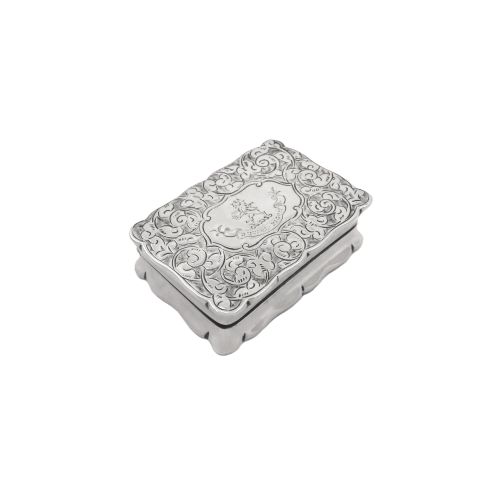
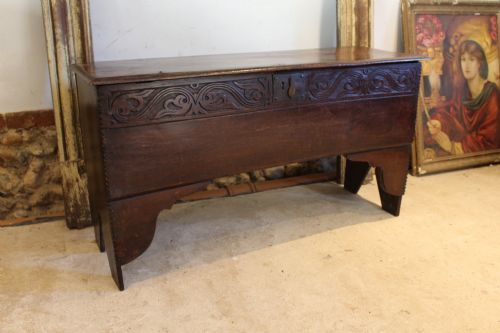
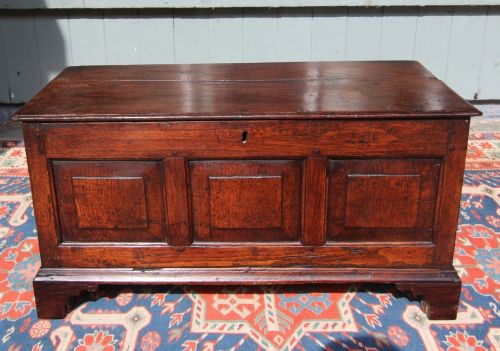
When you search for a welsh antique box, you meet everything from small table receptacles to large country coffers shaped by centuries of local carpentry.
Welsh Box
A welsh antique box encompasses a diverse range of domestic storage forms, from diminutive table top receptacles to large household coffers. The pieces on this page span several centuries of rural craftsmanship, reflecting practical needs in domestic spaces.
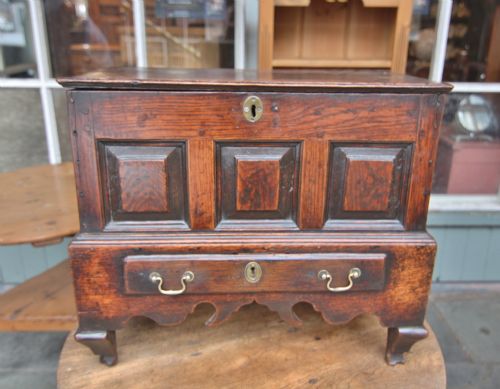
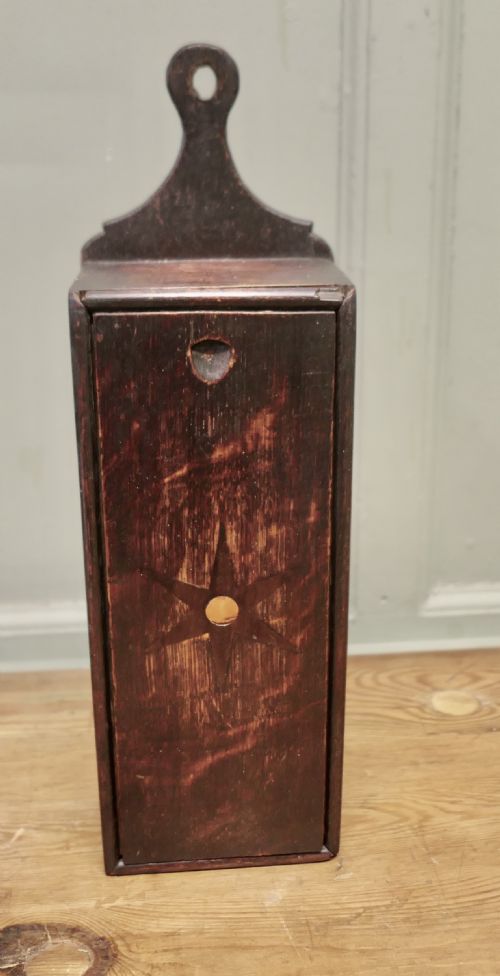
You are most likely to encounter smaller wall hanging candle boxes, table top condiment containers, and miniature coffers known as coffor bach. These domestic objects demonstrate the regional vernacular styles characteristic of Welsh country workshops.
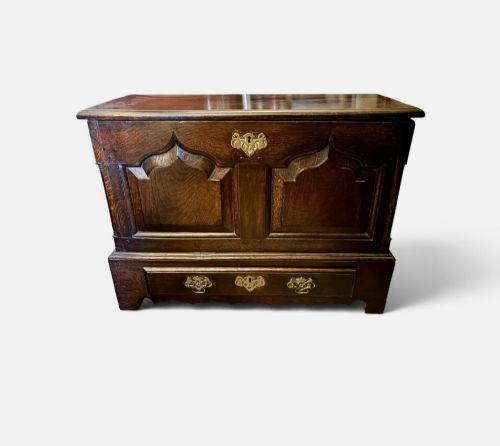
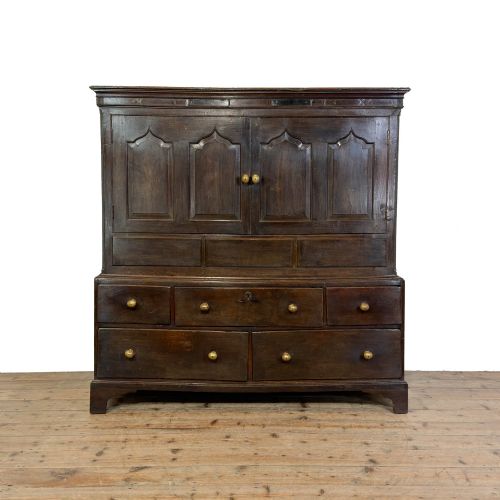
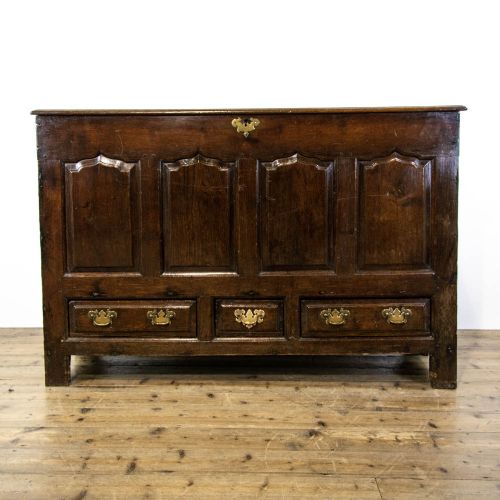
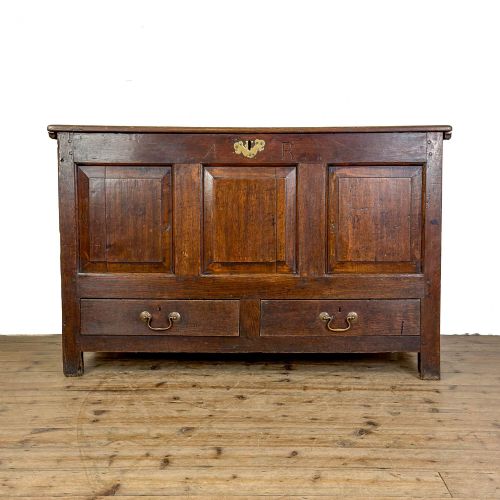
Larger examples include mule chests fitted with drawers beneath the main compartment, alongside robust storage chests fashioned from native timbers. Each form served a distinct domestic purpose within the historic household.
How They Were Made
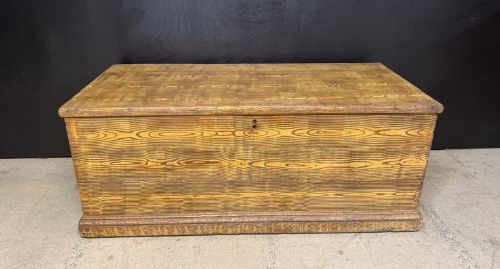
Local craftsmen relied predominantly on native timbers, with oak and pine forming the structural foundation of the majority of these pieces. Cabinet makers utilised fruitwood inlay, horn, and carved slate for decorative enrichment on smaller personal items.
Construction techniques typically involved straightforward board joining, dovetailed corners, and pegged framing suitable for rural workshops. Wrought iron and brass hardware, including hinges and latches, were attached to secure the lids and doors.
Surfaces frequently display traces of original paintwork, natural patination from years of handling, or simple chip carved motifs. These applied finishes protect the timber while recording the aesthetic preferences of the maker.
Materials recorded across the archive and current inventory include wrought iron, brass, horn, painted finishes, and carved slate.
What Varies in Quality
The standard of a piece depends heavily on the crispness of the original joinery and the survival of untouched surfaces. Examples retaining their initial paint traces or authentic hardware command greater attention from those studying regional traditions.
Proportion and scale distinguish finer vernacular works from standard utilitarian items, particularly in miniature forms where balance is difficult to achieve. The integration of decorative elements like chip carving or fruitwood inlay reflects the maker's skill.
The Welsh Box Glossary
- Coffor bach
- A miniature coffer originating in Wales, traditionally constructed as a keepsake or marriage gift. These small chests often feature drawers beneath the main compartment.
- Mule chest
- A storage chest combining a lidded upper compartment with one or more lower drawers. This hybrid form bridges the gap between the traditional coffer and the modern chest of drawers.
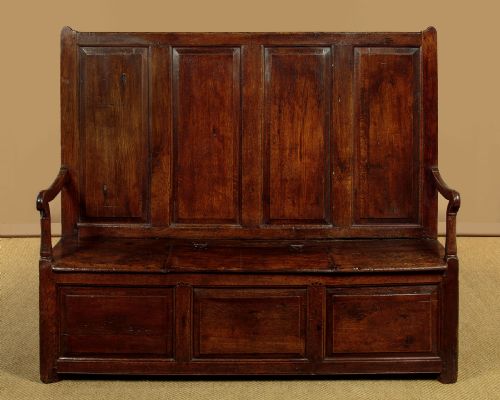
- Box settle
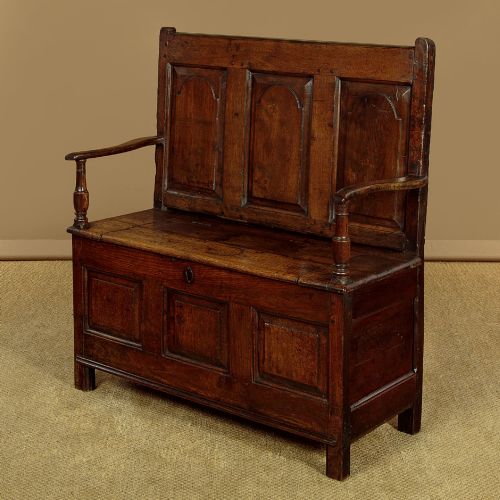
- A high backed wooden bench incorporating a concealed storage compartment beneath the seat. They provided shelter from drafts in domestic interiors.
- Salt box
- A wall hanging container designed to keep coarse domestic salt dry near the hearth. They typically feature a sloping hinged lid and a flat back for wall mounting.
Welsh Box: Frequently Asked Questions
What is a coffor bach used for?
A coffor bach served as a miniature storage chest for valuables, documents, or special keepsakes within the household. These small receptacles were often presented as tokens of affection or marriage gifts.
Craftsmen built them with the same attention to detail as larger furniture, frequently incorporating small drawers beneath the main lidded compartment for extra utility.
How do I identify a Welsh candle box?
Welsh candle boxes are typically wall hanging containers featuring a shaped backboard with a suspension hole and a hinged lid. They protected tallow or beeswax dips from dust and dampness in the home.
Many examples exhibit characteristic regional traits such as bell shaped lids, sliding panels, or simple chip carved decoration executed in native oak or pine.
What is the difference between a coffer and a mule chest?
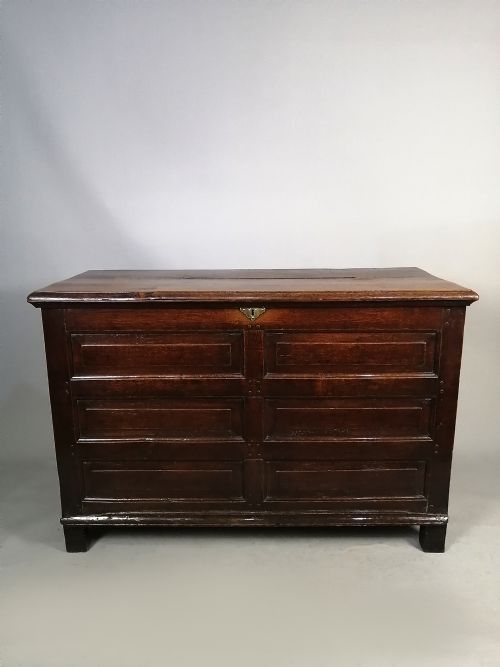
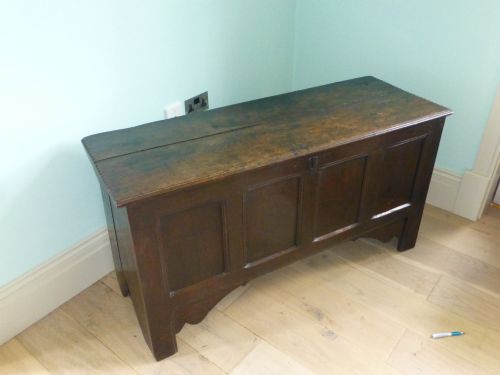
A traditional coffer consists of a simple wooden chest with a hinged lid used primarily for bulk storage of textiles and household goods. It represents one of the oldest forms of domestic furniture.
A mule chest adds one or more drawers beneath the main storage well, offering easier access to smaller items without requiring the lid to be lifted.
Are these pieces usually made of oak?
Oak is the predominant timber found in early Welsh storage pieces, valued for its strength, local availability, and durability. It forms the basis of many seventeenth and eighteenth century coffers.
Pine and fruitwoods also appear frequently, particularly in nineteenth century examples or smaller domestic items like snuff boxes and wall containers.