




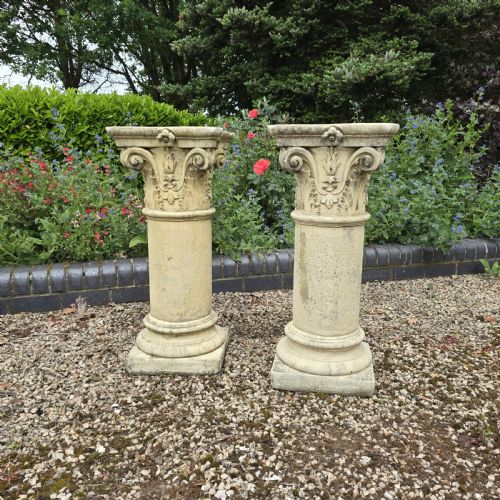
Weathered Stone Urns
Weathered stone urns bring monumental presence and quiet age to garden terraces, offering classic planting vessels shaped by decades of exposure.
Weathered Stone Urns
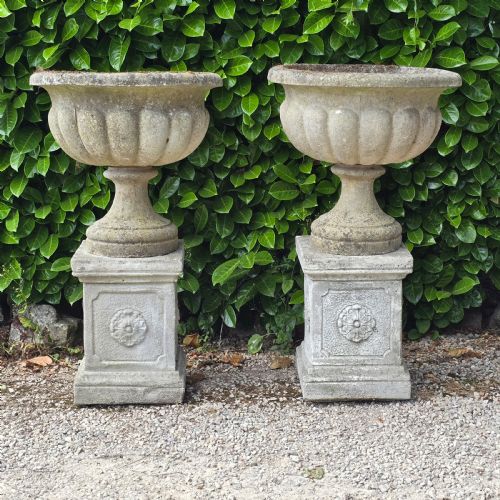
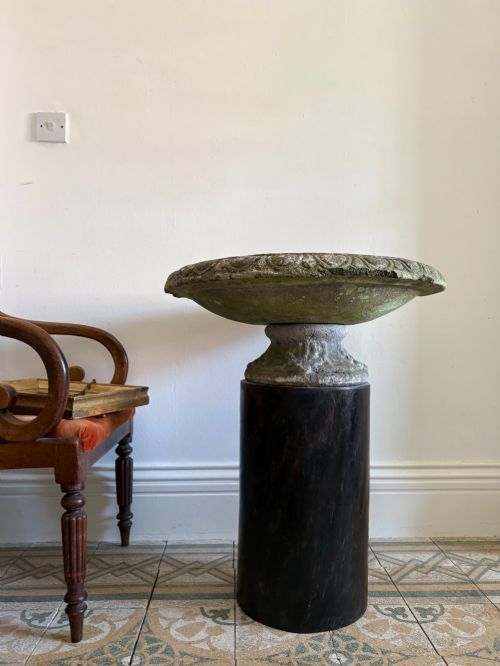
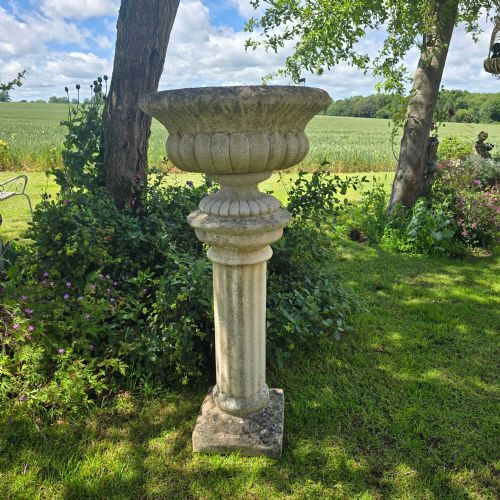
Weathered stone urns are architectural garden vessels designed to hold plants while adding classical form to outdoor spaces. When searching for weathered stone urns, buyers encounter pieces spanning the eighteenth, nineteenth, and early twentieth centuries. These vessels draw on neoclassical and campana traditions, often paired with matching pedestals and plinths.
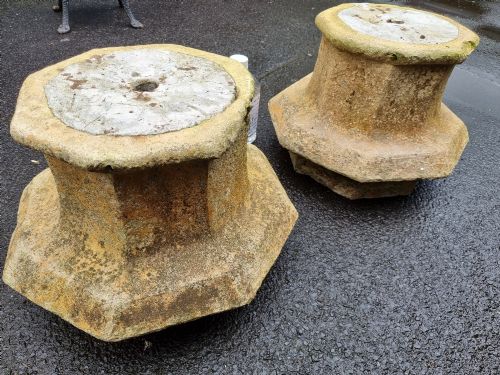
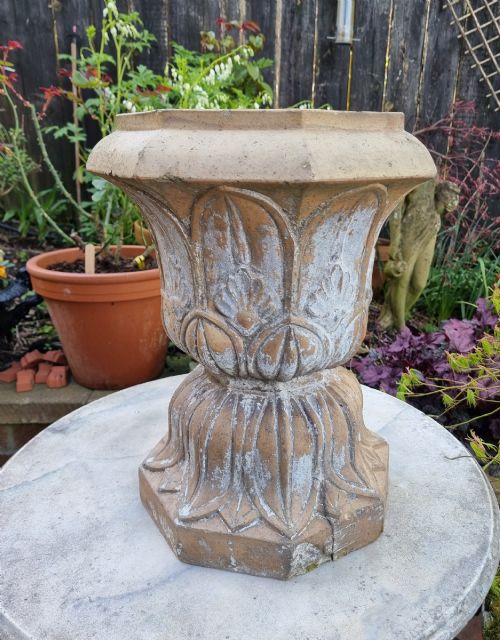
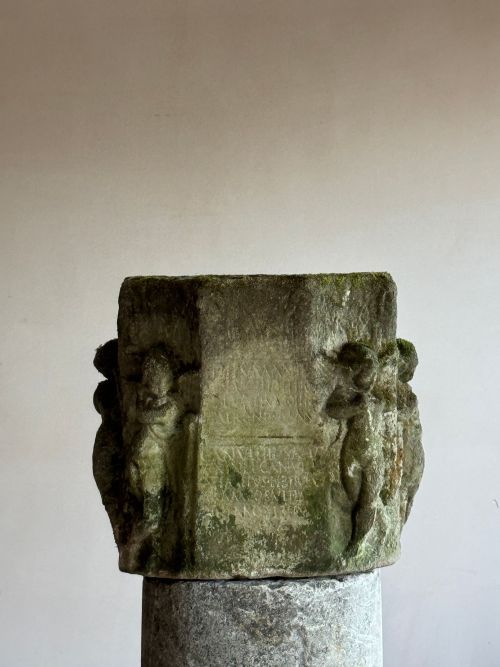
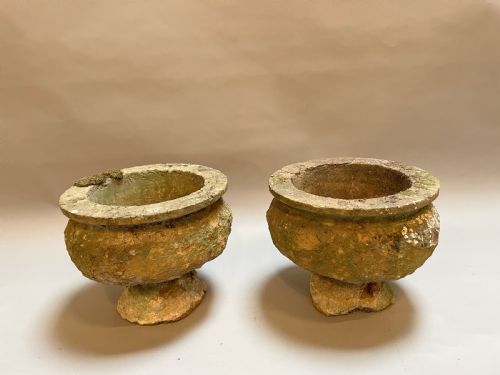
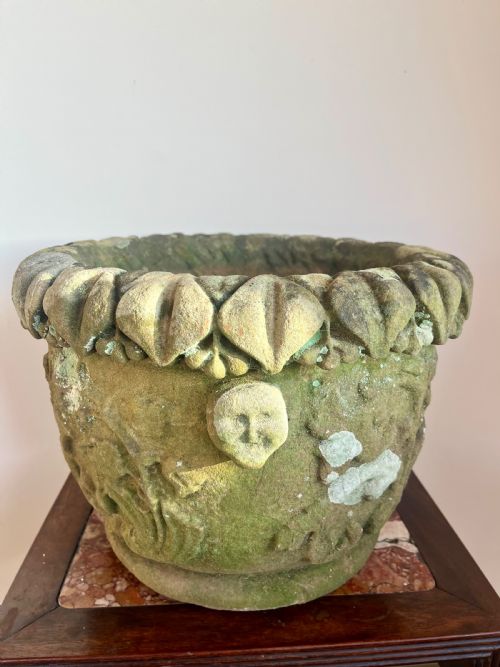
The selections on this page feature materials ranging from reconstituted and cast stone to traditional terracotta and soft carved stone. Forms vary from campana shapes to large seven-sided vessels and garden planters. Many examples arrive with natural patination developed across centuries of outdoor exposure.
What varies in quality
Quality rests in the crispness of the original modeling and the depth of the material's surface weathering. Finely carved details on handles and rims separate superior carved stone examples from standard moulded pieces. The integrity of the stone body and the organic development of moss and lichen add distinct character to better specimens.
Proportion and scale dictate the visual weight of an urn within a garden landscape. Pieces retaining their original pedestals or plinths demonstrate higher architectural completeness.
Listings feature materials spanning cast stone, terracotta, and soft stone across periods from the eighteenth century through the mid-twentieth century.
The Weathered Stone Urns Glossary
- Campana urn
- A bell-shaped garden vessel with an everted rim and a tapering body. This classical form originates from antiquity and remains popular in nineteenth-century garden design.
- Cast stone
- A refined architectural concrete building material manufactured to imitate natural cut stone. It allows for consistent decorative detail in garden ornaments and planters.
- Terracotta
- Fired unglazed clay producing a porous reddish-brown ceramic body. It is traditionally utilised for garden pots and urns due to its breathability for plant roots.
- Reconstituted stone
- A composite material made from crushed stone bound with cement and moulded into architectural forms. It provides the appearance of quarried stone with high durability.
- Plinth
- A heavy architectural block or pedestal supporting an urn or column. These elevate garden vessels to create prominent focal points in landscaping schemes.
Weathered Stone Urns: Frequently Asked Questions
How do I clean weathered stone urns?
Gentle brushing with water helps remove loose debris while preserving the accumulated patina and moss. Avoid harsh chemical cleaners that strip the historic surface character.
Allow the stone to dry naturally after gentle maintenance to protect the structural integrity of older materials.
Can these urns stay outside in winter?
Most stone and cast composition urns withstand cold temperatures if kept draining properly. Ensure drainage holes remain clear so expanding ice does not crack the vessel.
Terracotta and softer stone types benefit from being sheltered or emptied during severe frost periods.
How do I tell cast stone from carved stone?
Carved stone displays tool marks and individual variations unique to manual masonry work. Cast stone often reveals a uniform granular texture from being set within a mould.
Examining the underside and interior details usually reveals the manufacturing method.
Are these urns heavy to move?
Stone and composite urns possess substantial weight due to their dense materials. Moving larger examples requires specialist equipment and multiple people to prevent damage.
Placing them carefully in their final garden position avoids the need for frequent relocation.