





Weathered Oak Timber
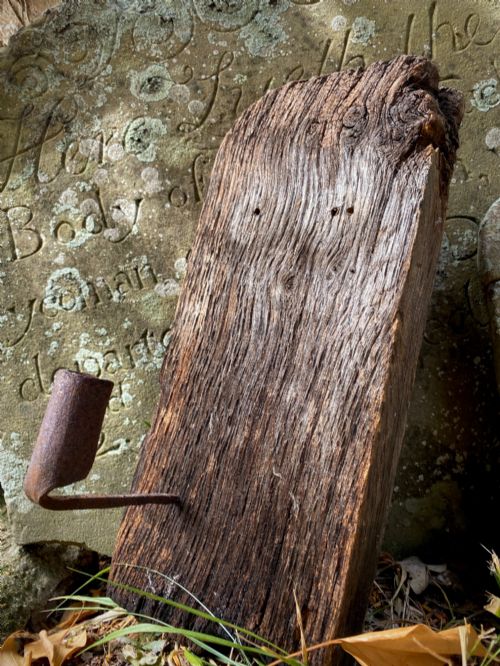
Weathered oak timber brings historic grain and sun-bleached texture directly into interiors, offering genuine structural character that modern wood simply cannot replicate.
Weathered Oak Timber
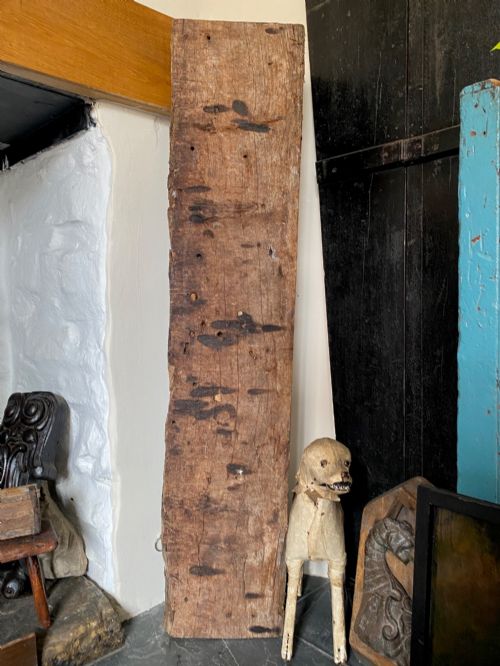
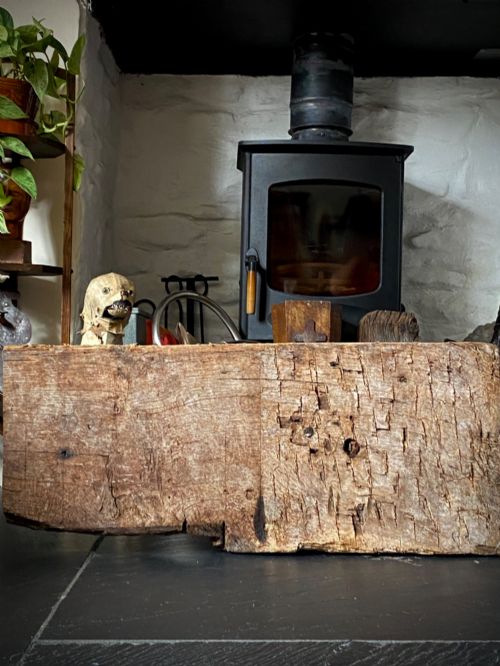
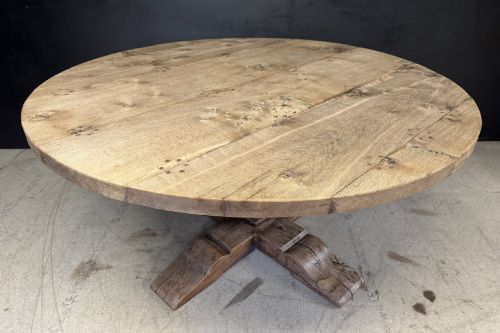
When searching for weathered oak timber, buyers encounter heavy structural elements, functional furniture and architectural salvage bearing decades or centuries of exposure. The pieces span centuries from the pre-sixteenth century onward, appearing as solid inglenook beams, thick structural fragments, and deeply patinated farmhouse dining tables.
The version most frequently met on this page is nineteenth-century utilitarian or rustic furniture alongside seventeenth-century salvaged building material. These items display the silvered tones and tactile grain born from outdoor weathering and long-term domestic use.
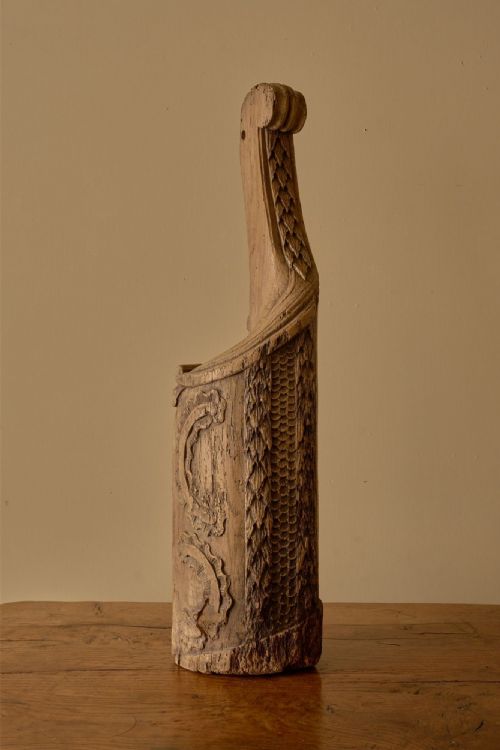
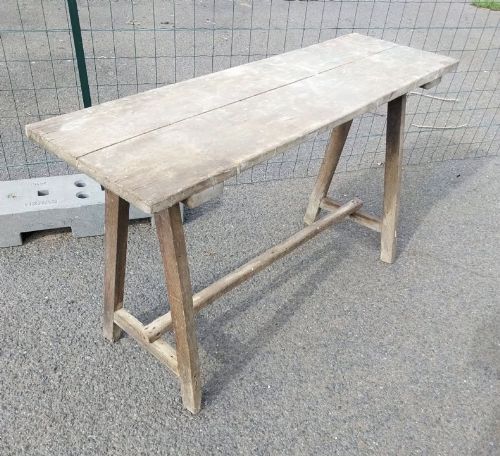
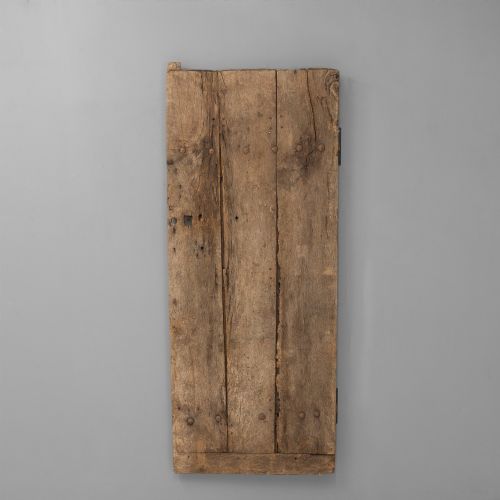
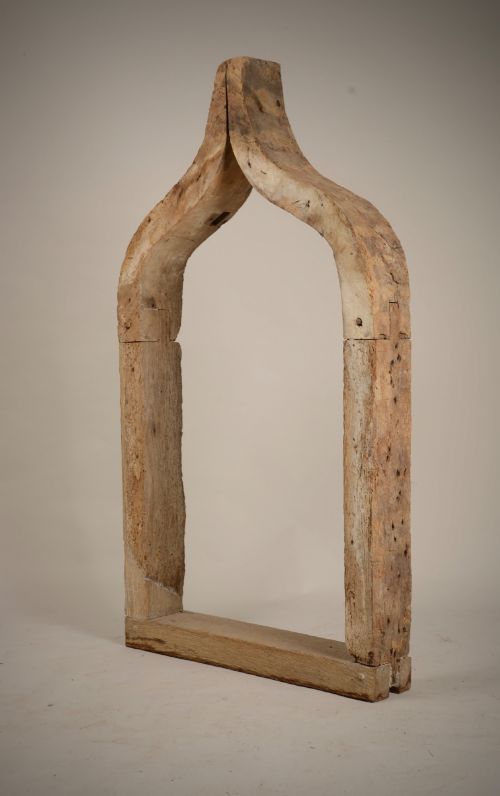
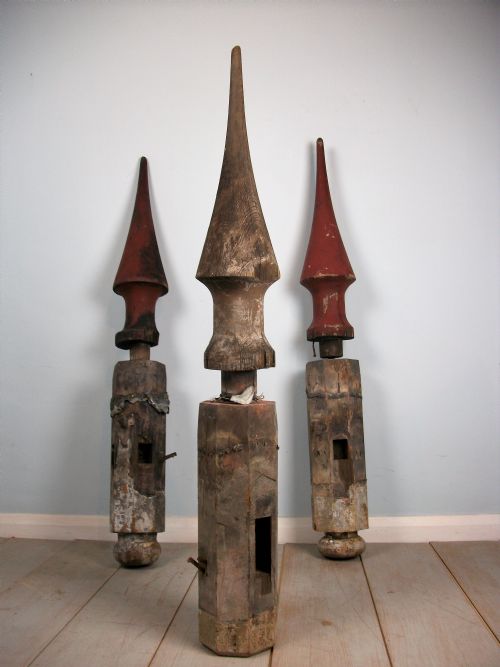
Forms range from large tables and garden benches to architectural components like newel posts, window frames, and doors. Each object retains the marks of its original labour and subsequent age.
Materials and construction methods
Makers utilised solid oak and regional timber, shaping the material with hand tools before natural elements took over the surface. Structural elements such as inglenook beams and window frames were hewn from single trunks, while tables and seating joined heavy planks with traditional joinery.
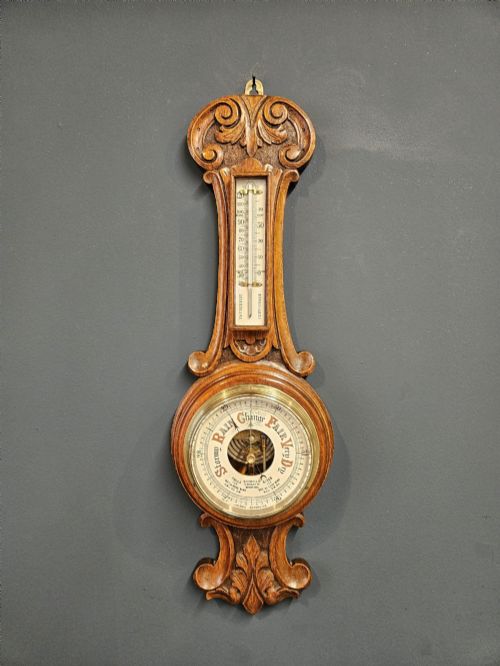
Iron, brass, and glass appear as supporting hardware on items like barometers and doors, though wood remains the dominant medium. The distinctive silvered and weathered finish develops through decades of exposure to light, air, and moisture rather than artificial distressing.
Weathered Oak Timber Retail Price Guide 2026
Typical asking prices for weathered oak timber among the pieces listed under this phrase on Sellingantiques today, from the lower quarter to the upper quarter. They describe what is for sale here now, not the wider market.
Current listings feature weathered oak timber spanning from pre-sixteenth century architectural salvage to nineteenth-century rustic furniture and garden benches.
Distinguishing factors in quality
Quality rests upon the integrity of the timber, the honesty of the surface patina, and the degree of structural survival. Pieces that retain their original tool marks and uncompromised weathered depth command greater interest than those altered by aggressive cleaning or modern sanding.
The depth of character shown in grain distortion and natural silvering separates superior examples from lesser items. Authenticity of age, visible in functional wear and period construction methods, dictates the standing of each piece.
The Weathered Oak Timber Glossary
- Inglenook beam
- A heavy structural timber spanning a large fireplace opening. These massive oak elements frequently bear soot staining and carpenter's marks.
- Apotropaic burn
- A ritualistic mark scorched into historic timber to ward off evil spirits. Taper burns are commonly found on seventeenth-century beams.
- Newel post
- The principal vertical post supporting a stair handrail. In older timber examples, these often feature hand-carved details.
- Trestle table
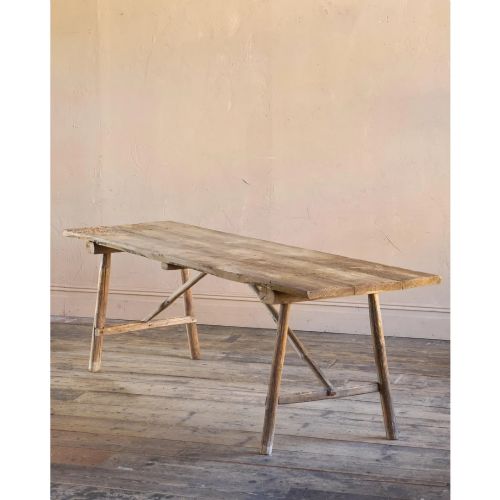
- A table consisting of two or more trestles supporting a horizontal top. Many regional French and English examples utilise heavy oak planks.
- Patina
- The surface sheen and colour developed through age, handling, and environmental exposure. Weathered timber exhibits a distinctive silvered version of this.
Weathered Oak Timber: Frequently Asked Questions
What is weathered oak timber?
Weathered oak timber comprises historic wood elements, beams, and furniture that have developed a silvered, textured surface through long exposure to the elements or centuries of use.
These pieces range from structural salvage to old farmhouse tables, each displaying unique grain patterns shaped by time.
How do I care for weathered timber?
Care for weathered oak involves keeping the timber dry and avoiding harsh chemical cleaners that strip the natural patina.
Gentle dusting and occasional soft waxing preserve the dry, tactile finish without creating an artificial gloss.
Where were these pieces used?
The items originated across domestic, agricultural, and architectural settings, from seventeenth-century inglenook fireplaces to nineteenth-century French laundry rooms and gardens.
They served functional roles before being preserved as decorative or structural elements.
How can I tell the age of oak timber?
Age is determined by observing construction techniques, tool marks left by hand-working, and the depth of the weathered surface grain.
Period characteristics in the joinery and design help place pieces within centuries ranging from the sixteenth to the nineteenth.