



17th Century Timber
These pieces of 17th century timber bring heavy oak, walnut, and fruitwood into a room through centuries-old joinery, panels, and chests.
17th Century Timber
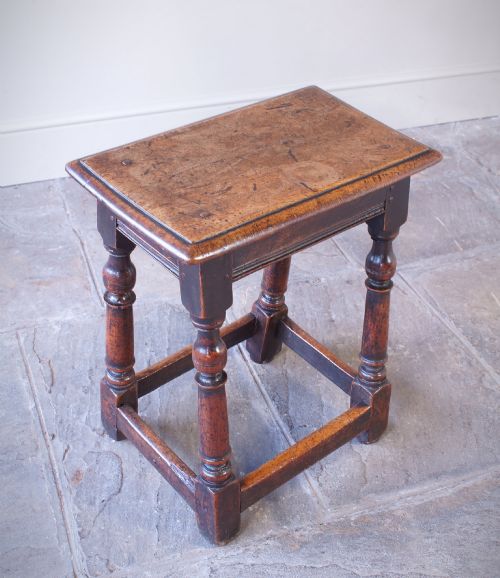
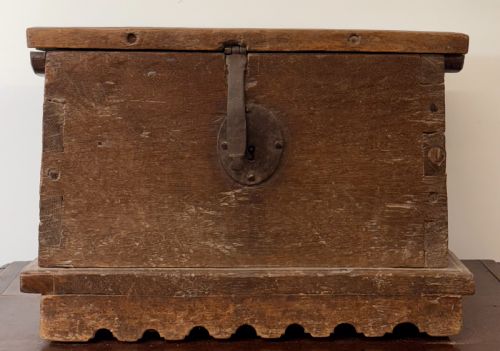
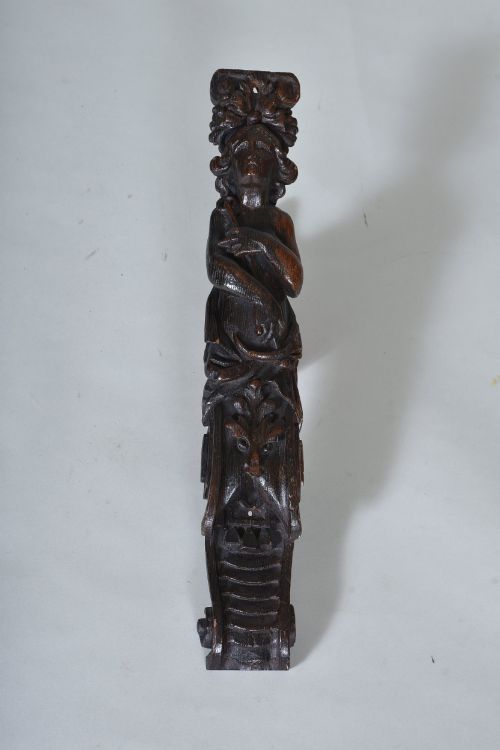
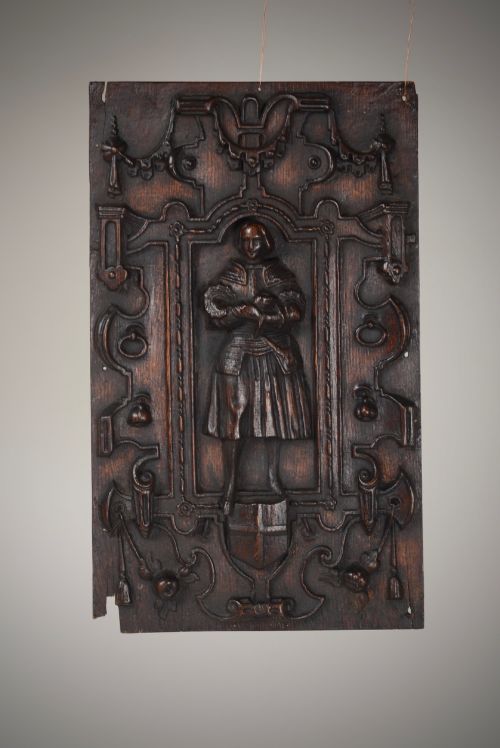
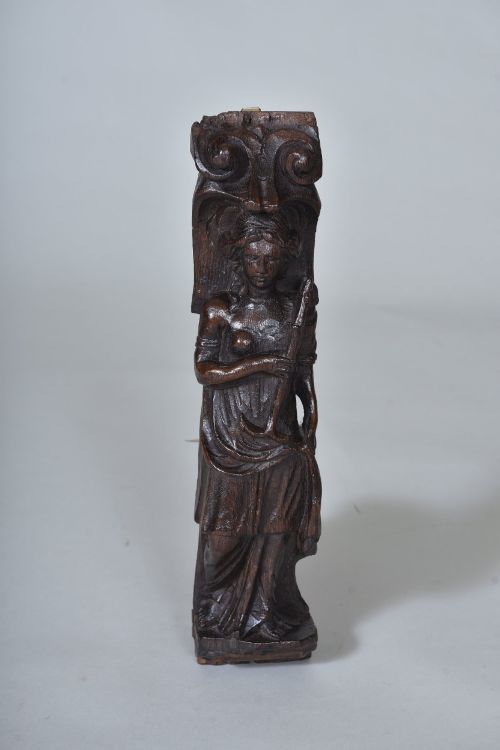
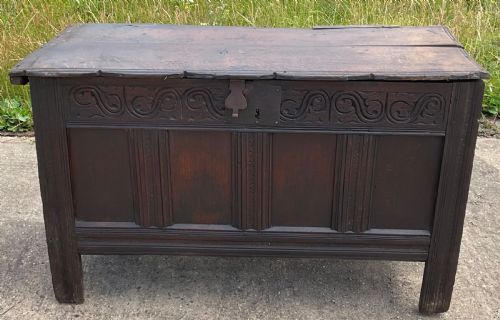
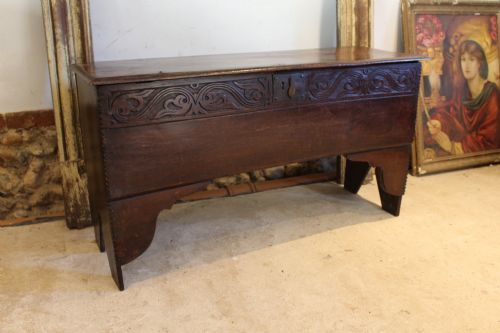
When searching for 17th century timber, buyers encounter solid oak architectural salvage, joint stools, and carved panels originating from English, Flemish, and Italian workshops. These items range from sturdy blanket chests and six-plank coffers to decorative overmantles, corbels, and figures of saints carved in limewood or chestnut.
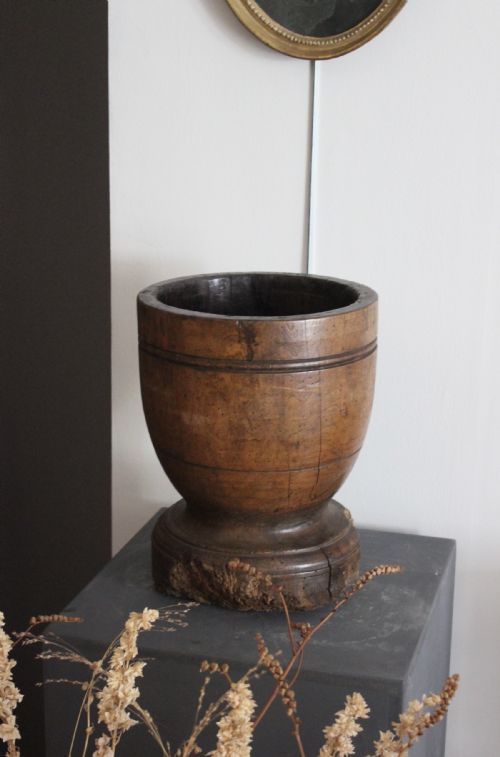
The version most commonly met on this page is solid oak architectural fragments and furniture spanning the Jacobean, Baroque, and William and Mary styles. Buyers also find elm, walnut, and cedarwood pieces, alongside smaller items such as wooden mortars, wall sconces, and carved friezes.
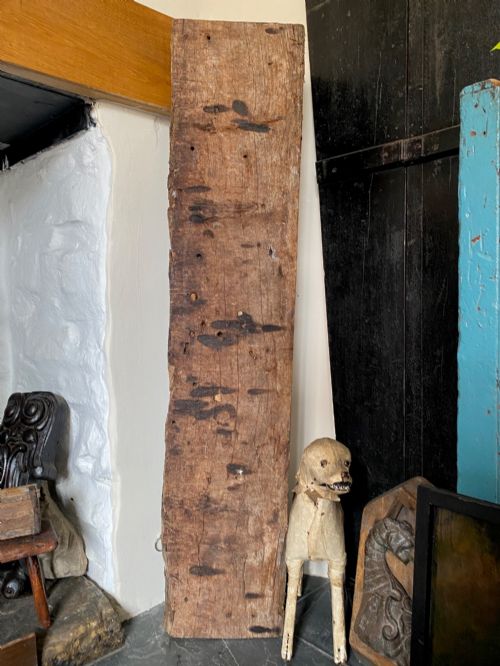
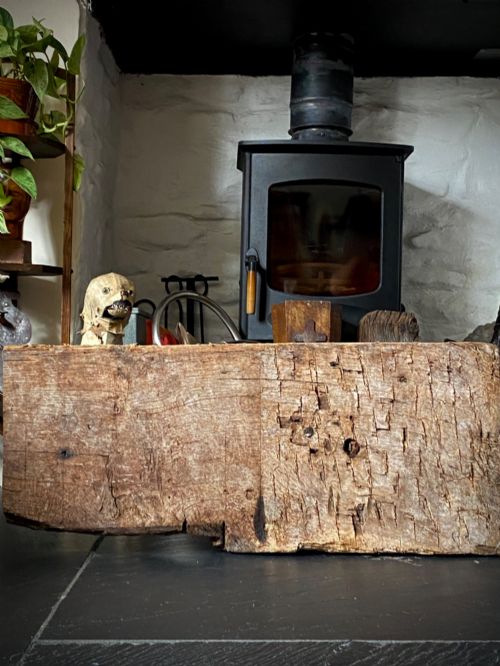
Utility defines many of these survivals, which transition from structural elements like inglenook beam ends and doors to domestic storage including sword chests and cupboards. The selection demonstrates how period wood served both functional building roles and decorative domestic applications.
Materials and construction methods
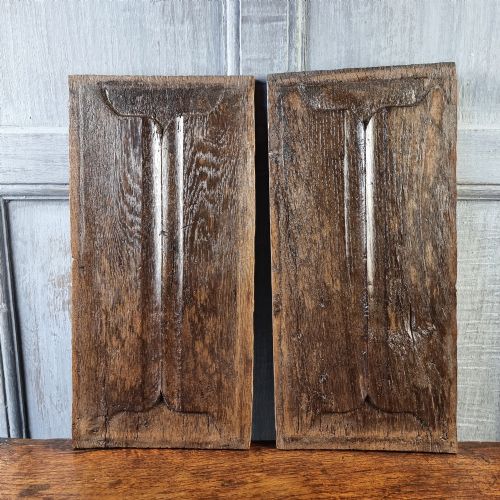
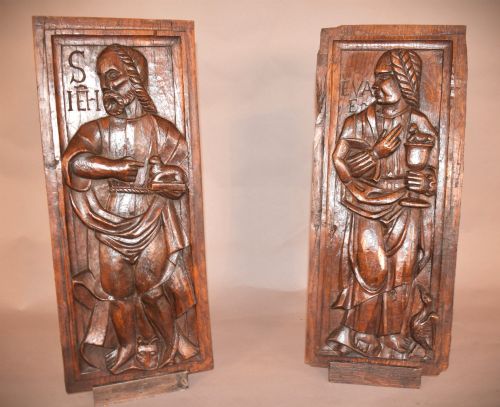
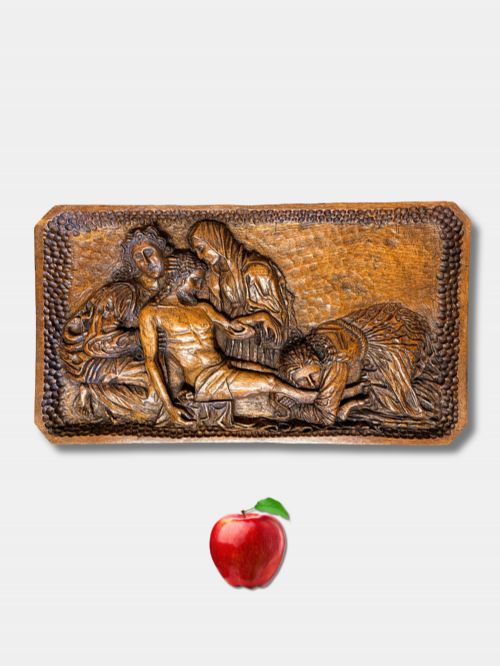
Makers relied heavily on solid oak, supplemented by walnut, elm, fruitwood, and chestnut, utilising straightforward hand tools to hew and shape the raw material. Panels and coffers display deep hand carving, linenfold patterns, and relief work depicting religious scenes or acanthus leaves.
Joinery techniques such as pegged joints, six-plank construction, and marquetry inlay held these heavy pieces together without modern fasteners. Iron and wrought iron hardware, along with brass accents, frequently reinforced doors, coffers, and chests.
17th Century Timber Retail Price Guide 2026
Typical asking prices for 17th century timber among the pieces listed under this phrase on Sellingantiques today, from the lower quarter to the upper quarter. They describe what is for sale here now, not the wider market.
Listings feature oak, walnut, fruitwood, elm, and cedarwood across architectural salvage, coffers, joint stools, and wall panels.
Factors separating examples
Depth and crispness of the hand carving separate competent workshop output from master carver execution, particularly on panels and figurative sculptures. Pieces attributed to specific carvers or displaying intricate pierced acanthus leaves demonstrate higher sculptural ambition.
The survival of original surfaces and untouched timber patination distinguishes pieces that retain their early character from those altered heavily over subsequent centuries. Intricate marquetry inlay and complex structural forms like tester beds or cabinets on chests require greater technical skill than basic plank construction.
Edward Pearce
The 17th Century Timber Glossary
- Joint stool
- A low wooden seat constructed with pegged mortise and tenon joints rather than turned legs. These sturdy items preceded domestic chairs in common use.
- Coffer
- A heavy wooden box with a lid, used primarily for secure storage of valuables and textiles. Six-plank examples represent an early form nailed or pegged at the edges.
- Apotropaic taper burn
- A mark scorched into wood using a hot iron or taper to ward off evil spirits. These marks appear on structural beams and salvages.
- Linenfold
- A style of wood carving that mimics vertical folds of folded linen fabric. It appears frequently on panels from the sixteenth and seventeenth centuries.
- Marquetry
- The art of applying decorative pieces of veneer to a structure to form geometric or floral patterns. Walnut and amboyna woods often feature in this work.
17th Century Timber: Frequently Asked Questions
How do I identify genuine 17th century timber?
Examine the tool marks, timber shrinkage, and joinery methods to determine age. Hand-adzed surfaces and pegged mortise and tenon joints indicate period construction.
Look for the natural oxidation and patination that develops on oak, walnut, and fruitwood over hundreds of years. Later alterations often utilise machine-sawn timber or modern fasteners.
What rooms suit 17th century timber furniture?
These robust pieces anchor living spaces, hallways, and dining rooms with strong textural contrast. Joint stools function as side tables or seating, while chests provide practical storage.
Wall panels and corbels mount directly onto plaster to add architectural depth to plain interiors. The dark tones of oak and walnut complement both traditional and modern wall colours.
How should I care for antique oak?
Maintain stable humidity levels in the room to prevent the ancient timber from splitting or warping. Avoid placing pieces near direct heat sources or strong sunlight.
Apply a traditional beeswax polish occasionally to nourish the dry wood surface. Dust gently with a dry cloth rather than using liquid cleaning products.
What is architectural salvage from this period?
Architectural salvage includes beams, doors, overmantles, and carved panels removed from historic buildings during alterations or demolition. These items retain the original hand-carved details of early craftsmen.
Such pieces allow modern interiors to incorporate authentic seventeenth-century materials like inglenook beam ends and friezes. They provide structural interest and historical character.