
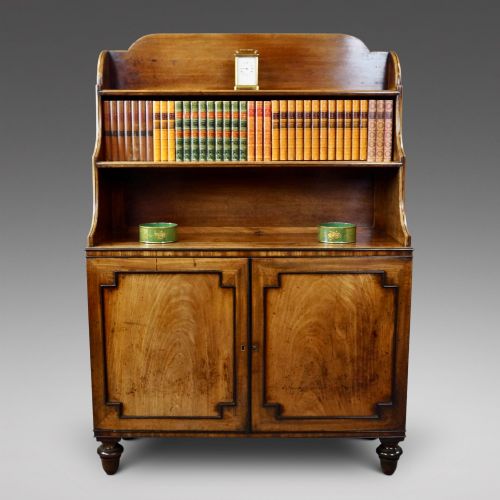
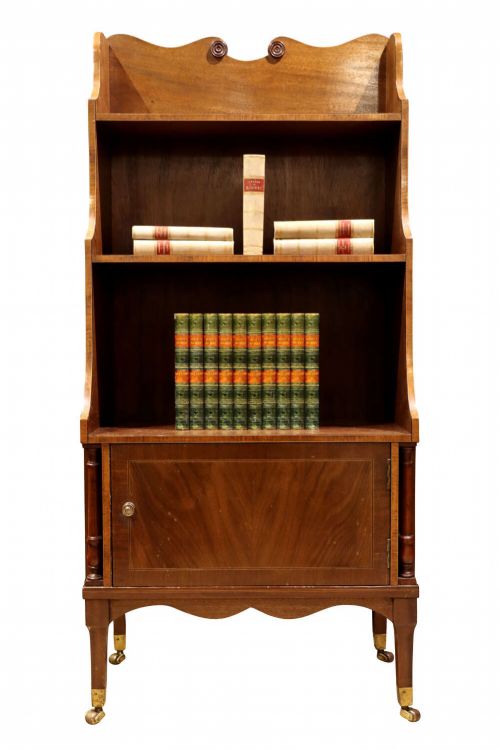

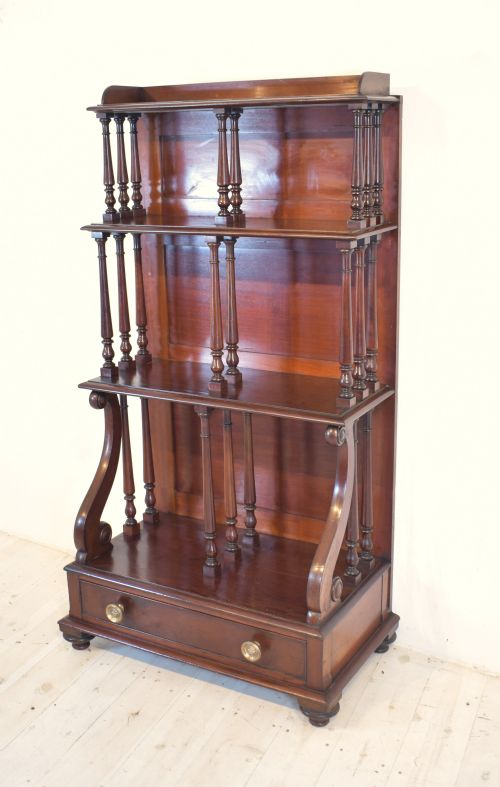


Waterfall Display Unit
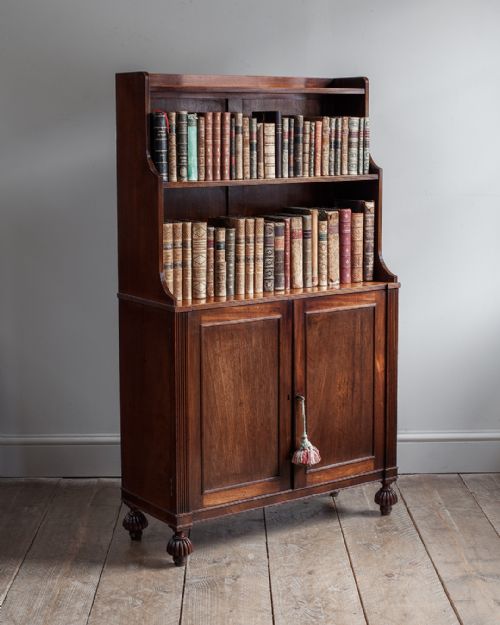
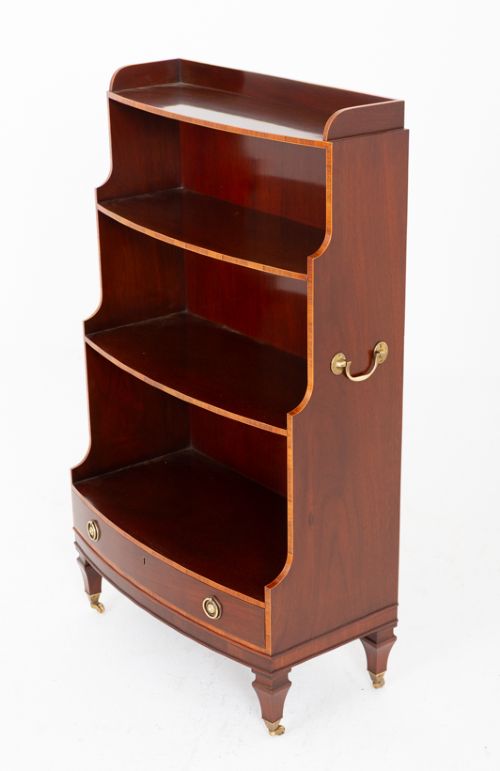
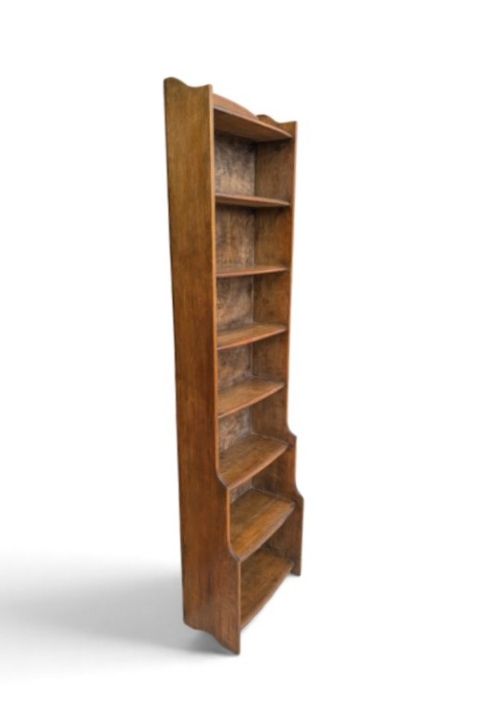
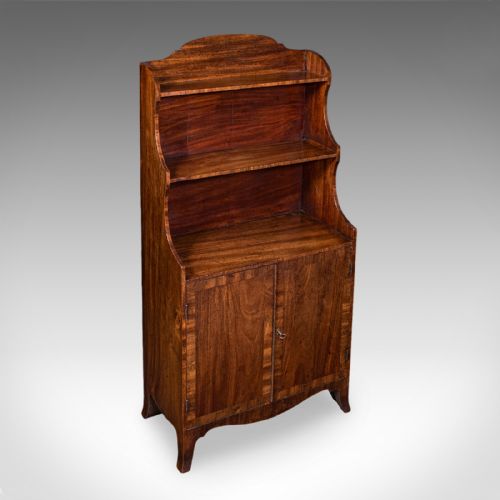
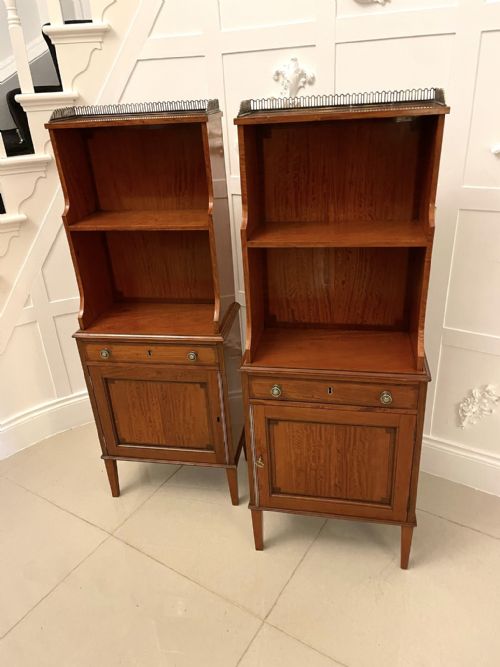
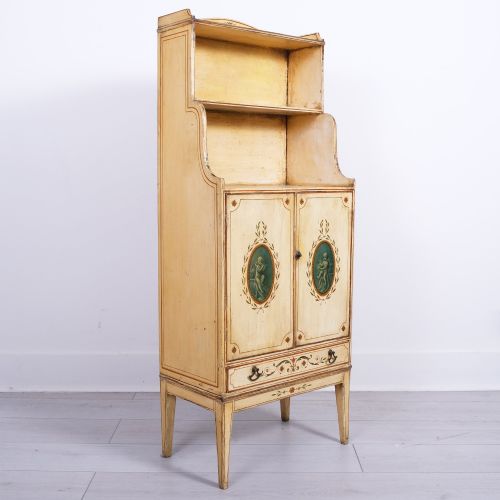
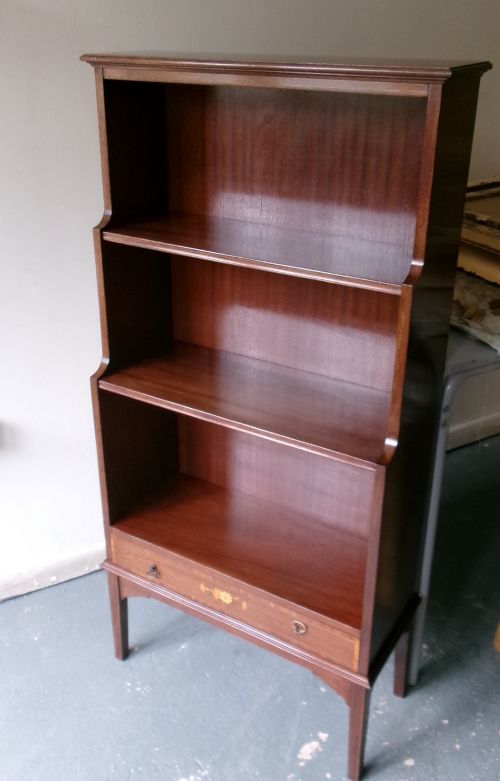
A waterfall display unit is a tiered shelving piece designed to show books and objects, stepping back as it rises.

Waterfall Display Unit
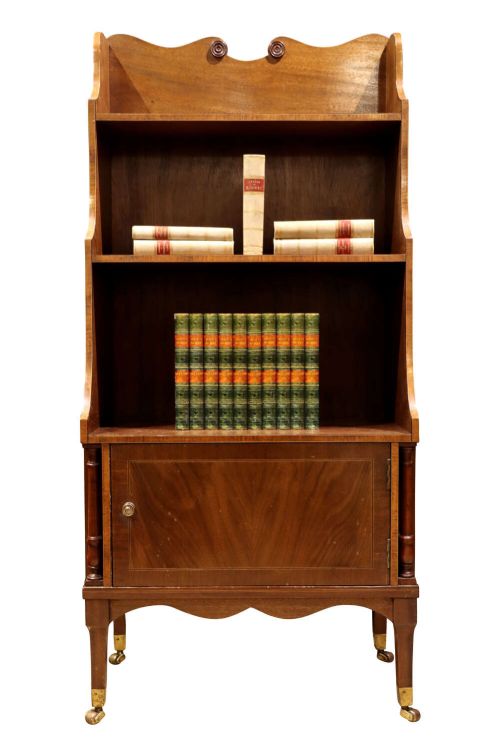
A waterfall display unit combines stepped open shelves or a cabinet base with graduated tiers. When searching for a waterfall display unit, buyers encounter forms spanning the Georgian, Regency, Victorian, and Edwardian periods.
How they were made
Cabinetmakers constructed these pieces primarily using solid timbers and veneers such as flame mahogany, rosewood, and satinwood. Brass hardware, including castors, appears on larger floor-standing pieces.
Joinery techniques include open shelving assemblies, fret-cut panels, and enclosed cupboard bases with drawers. Surfaces feature inlaid details and polished finishes applied to timber.
Listings feature mahogany, oak, rosewood, satinwood, and teak across Georgian, Regency, Victorian, and Edwardian periods.
What varies in quality
Quality rests in the selection of figured timbers like flame mahogany and satinwood, combined with the crispness of inlaid details and fret-cut work. Proportion and stability across the graduated tiers also define the standard of the piece.
Construction methods distinguish standard utility items from finer workshop output, particularly in the thickness of the timber and the refinement of the gallery tiers.
Gillows
The Waterfall Display Unit Glossary
- Waterfall bookcase
- A set of open shelves stepped back progressively from bottom to top, resembling a cascading stream. This form provides easy visibility for books and objects placed on each tier.
- Chiffonier
- A small low cabinet or sideboard, sometimes adapted with tiered shelving above. It typically includes enclosed cupboard space beneath the main display area.
- Inlay
- Pieces of contrasting timber or other materials fitted into depressions in the wood surface to form a decorative pattern. This technique is frequently seen on Edwardian and Victorian examples.
- Castors
- Small wheel attachments fitted to the feet of heavier furniture to aid movement. Brass versions are common on 19th-century floor-standing models.
Waterfall Display Unit: Frequently Asked Questions
What is a waterfall display unit?
A waterfall display unit is a set of graduated shelves where each upper tier steps back behind the one below it, creating a stepped profile.
These pieces were built across the Georgian, Regency, Victorian, and Edwardian eras primarily to hold books and decorative objects.
How were waterfall units used?
They functioned as accessible bookcases and display shelving for parlours, libraries, and drawing rooms.
Some examples include enclosed cupboards or drawers at the base for additional storage beneath the open display tiers.
What woods were used?
Mahogany is the predominant timber found across these listings, including flame mahogany variations.
Other materials include oak, rosewood, satinwood, teak, and painted wood, often decorated with inlaid details.
Are these pieces freestanding or wall mounted?
The selection includes both freestanding floor units and wall shelves.
Larger floor-standing examples occasionally feature brass castors to help move the furniture across the room.