


Warm Wood Armchair
A warm wood armchair brings tactile depth and honest construction to a room, drawing on centuries of vernacular craftsmanship.
Warm Wood Armchair
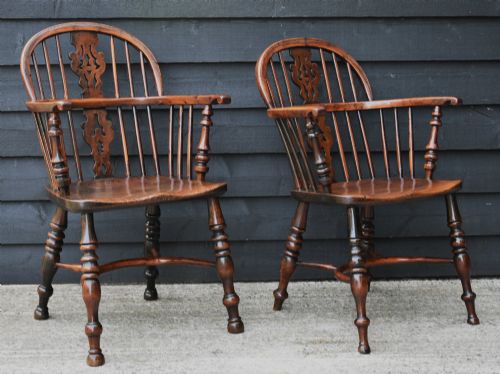
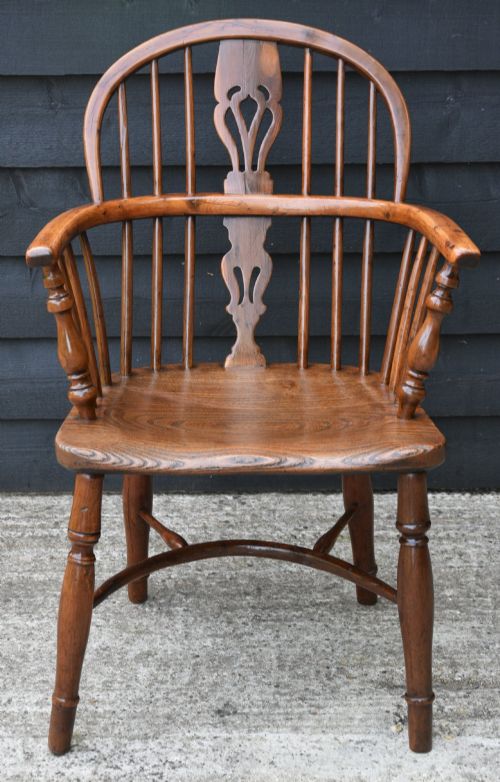
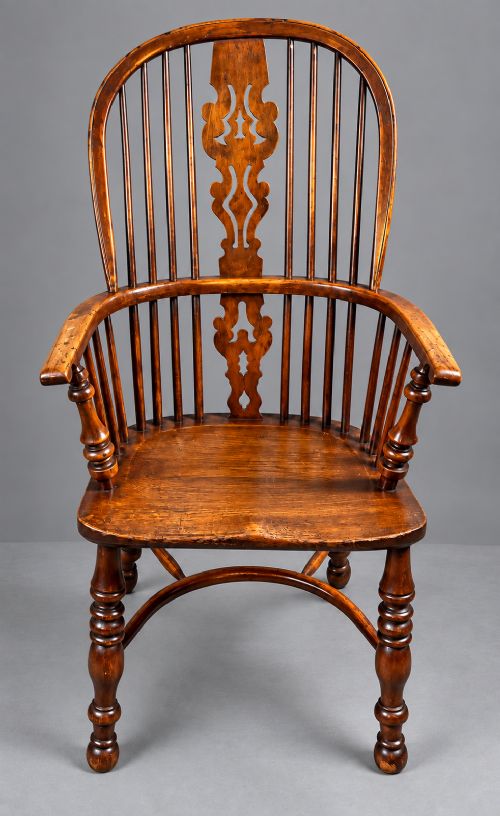
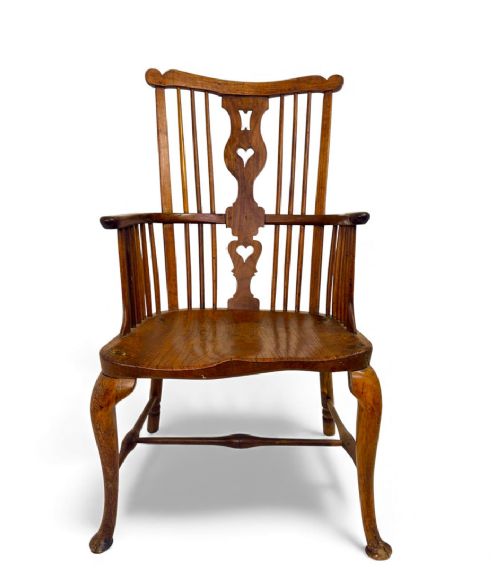
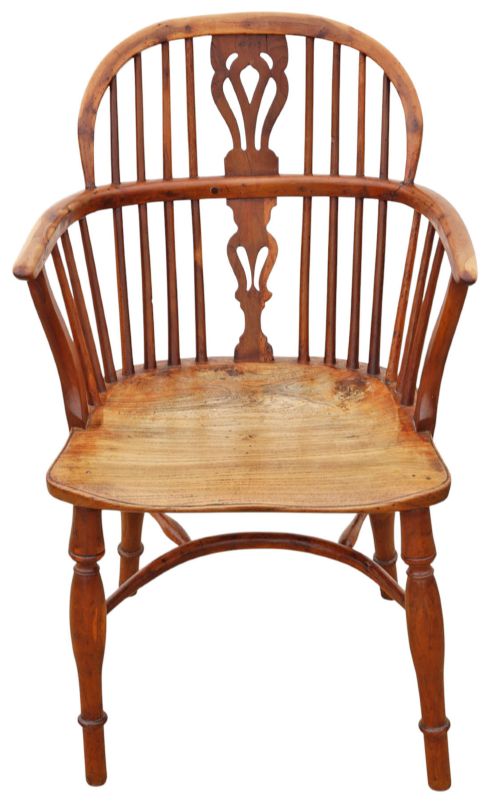
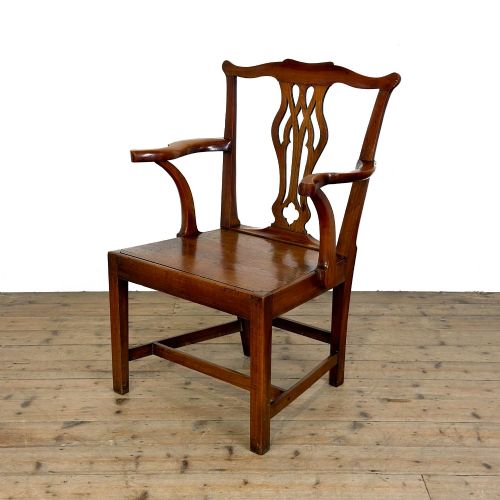
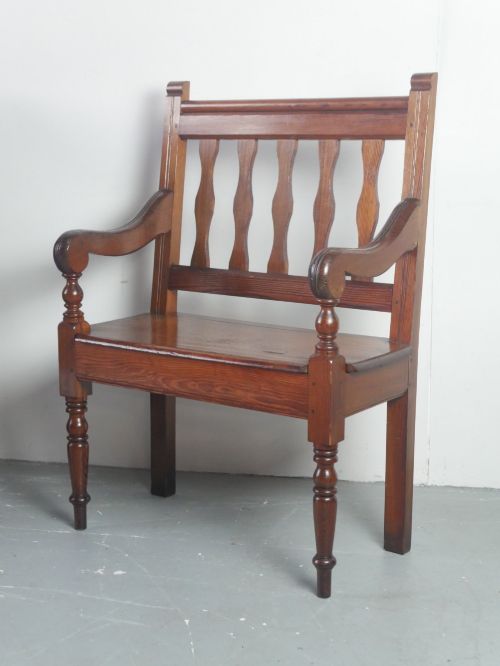
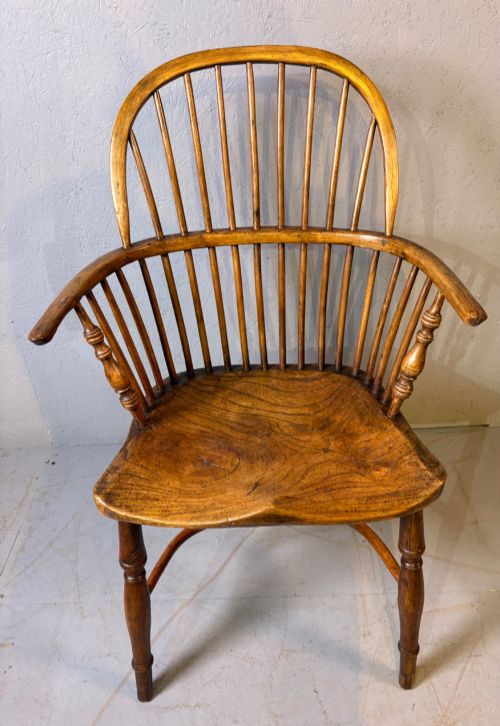
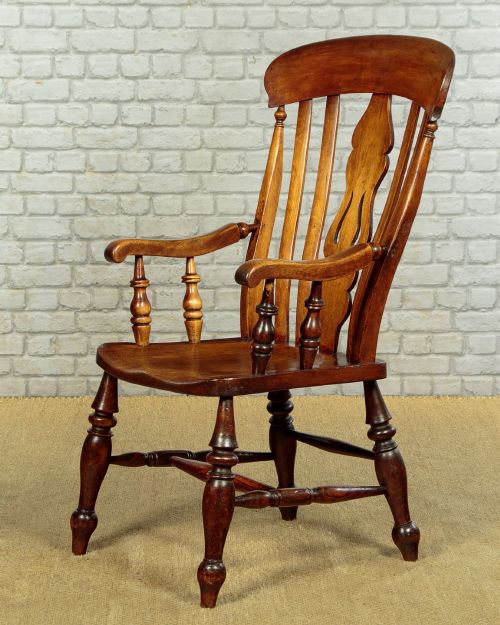
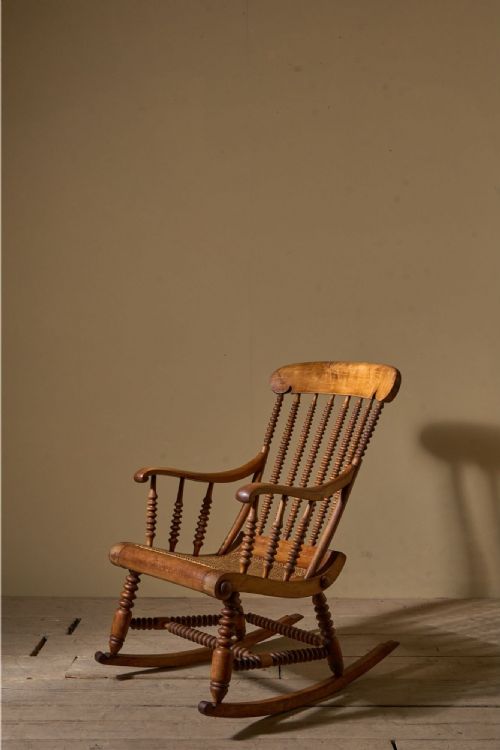
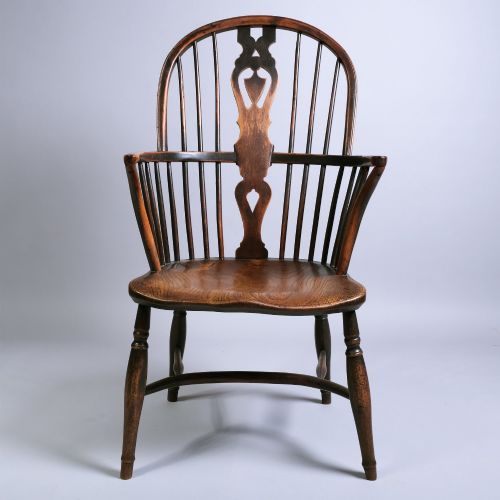
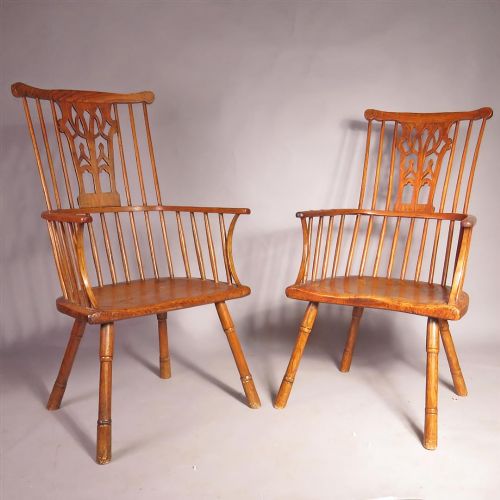
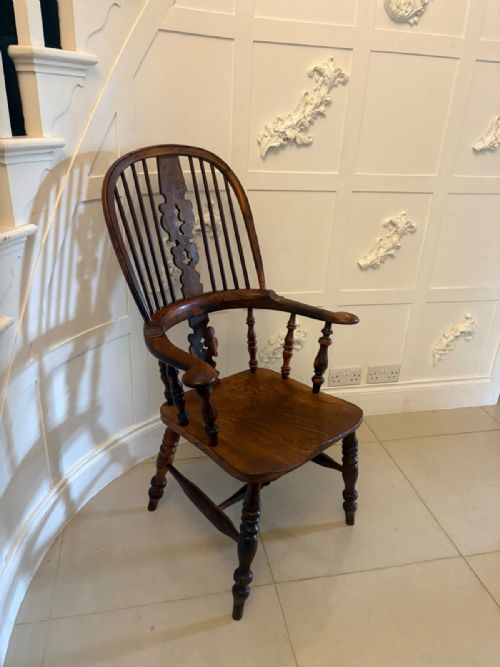
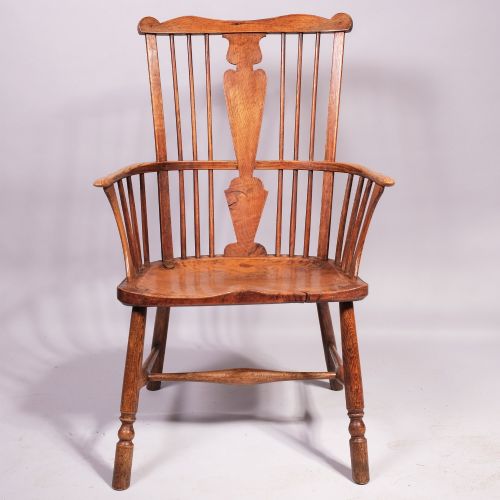
Every warm wood armchair in this selection belongs to the British country tradition, spanning the Georgian, Victorian, and Edwardian periods. Buyers searching for a warm wood armchair will frequently encounter regional Windsor chairs alongside farmhouse and kitchen carvers.
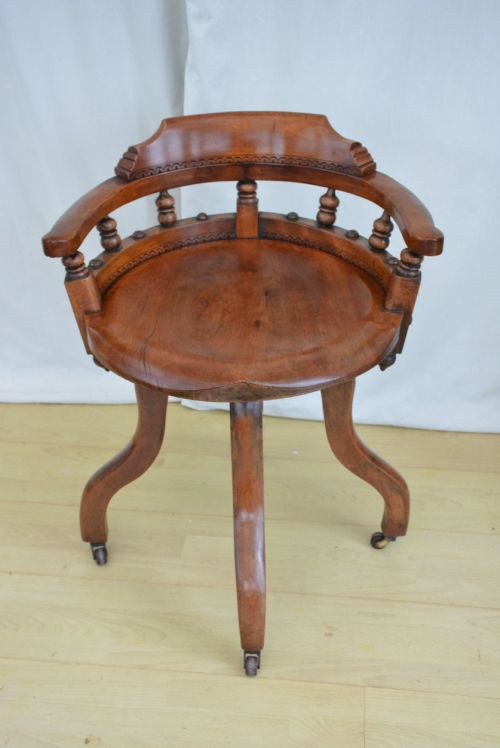
Makers shaped these utilitarian seats from domestic timbers like yew, elm, ash, and fruitwood, resulting in robust seating designed for daily domestic service. Forms range from low-back and high-back Windsors to captains' chairs and comb-back variants.
The aesthetic is resolutely functional, relying on exposed joints, turned spindles, and solid saddle seats rather than applied ornamentation. These chairs suit modern interiors seeking grounded historical character and tactile wooden surfaces.
Materials and construction methods
Makers utilised a combination of native hardwoods, pairing sturdy elm or beech for solid saddle seats with flexible ash or fruitwood for bentwood hoops and spindles. Yew was frequently selected for its striking grain and rich warm tone, particularly in Thames Valley and West Country workshops.
Construction relied on traditional green woodworking techniques, where steam-bent components and wedged tenon joints locked tightly as the timber dried and settled over decades of use.
Warm Wood Armchair Retail Price Guide 2026
Typical asking prices for warm wood armchair among the pieces listed under this phrase on Sellingantiques today, from the lower quarter to the upper quarter. They describe what is for sale here now, not the wider market.
The listings span the 18th, 19th, and early 20th centuries, showcasing native British timbers including yew, elm, ash, and fruitwood.
Distinctions in quality and finish
Quality rests in the balance of the proportions, the depth of the timber figuring, and the integrity of the original joints rather than surface polish. Superior examples display carefully sculpted saddle seats and well-turned arm supports that show minimal replacement parts.
Makers working in prominent regional centres produced chairs with refined comb backs or crinoline stretchers, whereas simpler vernacular pieces prioritised sturdy utility over delicate turning work.
Shoolbred·Windsor Worksop·Rockley maker
The Warm Wood Armchair Glossary
- Windsor chair
- A chair built with a solid wooden seat into which the legs, back spindles and arms are independently fitted. This form developed deep regional variations across the British countryside.
- Comb back
- A Windsor chair variation featuring an extended high back topped by a horizontal headboard resembling the teeth of a comb. Vertical spindles rise through the seat to support this upper rail.
- Crinoline stretcher
- An arched or curved wooden brace connecting the legs of a Windsor chair to provide structural rigidity. The hoop shape resembles the framework of a Victorian crinoline petticoat.
- Carver
- A traditional term for an armchair, typically designed to match a set of simpler dining or kitchen chairs. These pieces often feature broader proportions and sturdy armrests.
- Vernacular furniture
- Domestic items built by local trade joiners and chair bodgers using regional materials and traditional methods. These pieces served practical household needs without strictly adhering to high-style metropolitan fashions.
Warm Wood Armchair: Frequently Asked Questions
What defines a Windsor armchair?
A Windsor armchair is characterised by a solid wooden seat that serves as the central anchor for all other components. The legs and back spindles are tenoned directly into this thick slab.
This method of construction creates a robust and unified frame without requiring a traditional internal skeleton.
How do I care for a wooden armchair?
Keep wooden armchairs away from direct heat sources and rapid humidity fluctuations to prevent timber shrinkage and cracking. Regular dusting and occasional applications of appropriate natural wax help maintain the lustre of the grain.
Avoid synthetic sprays or excessive moisture which can damage historic finishes over time.
How are periods told apart?
Georgian examples often display lighter timber selection and refined turning, whereas heavier Victorian versions favour broader armrests and high-backed formats. Edwardian and later country pieces frequently incorporate simpler lines or revival influences.
Tool marks, timber shrinkage patterns, and structural wear provide additional clues regarding age.
Where were these chairs used?
These armchairs served primarily in farmhouse kitchens, studies, and cottage parlours where durable seating was essential. Captains' chairs and smokers' bows were also common in public houses and offices.
Their practical design allowed them to withstand heavy daily use across various domestic and commercial settings.