

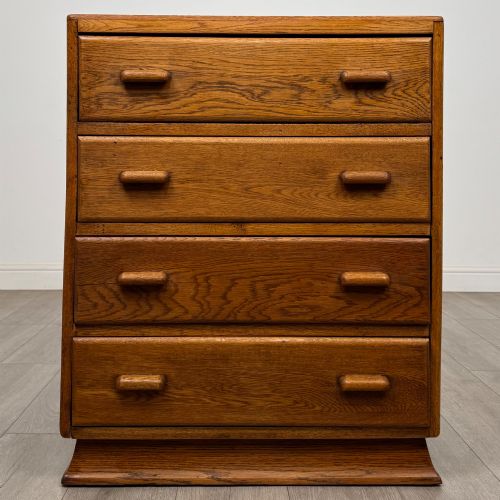
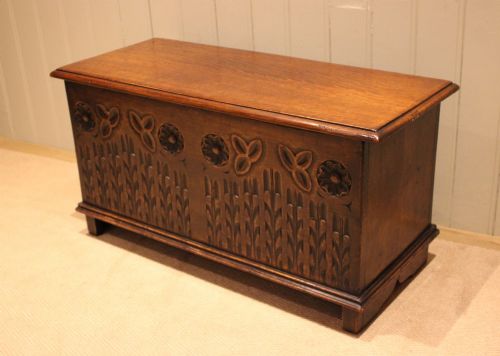
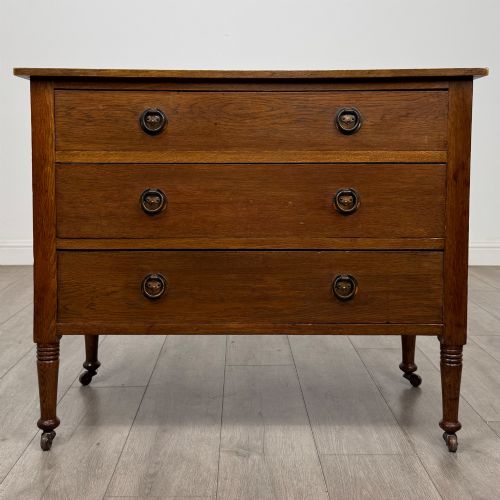
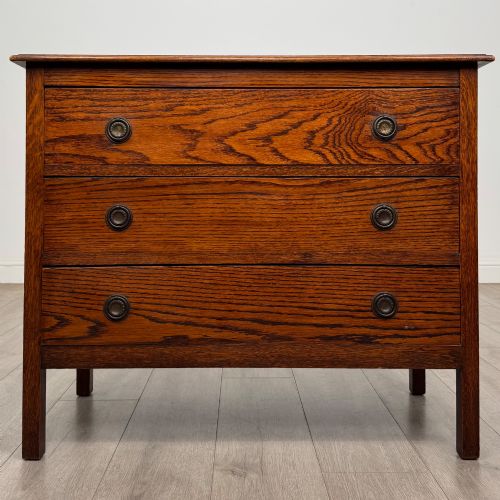
Warm Oak Storage Chest
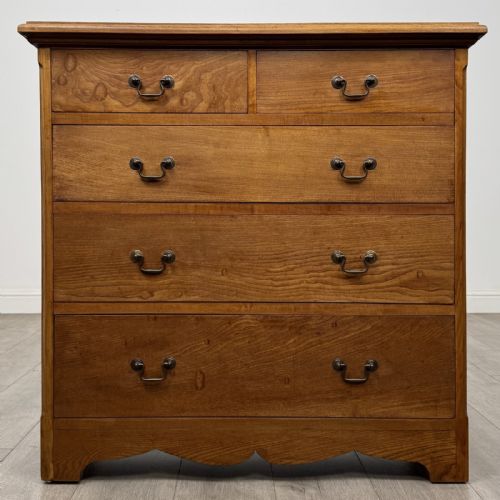
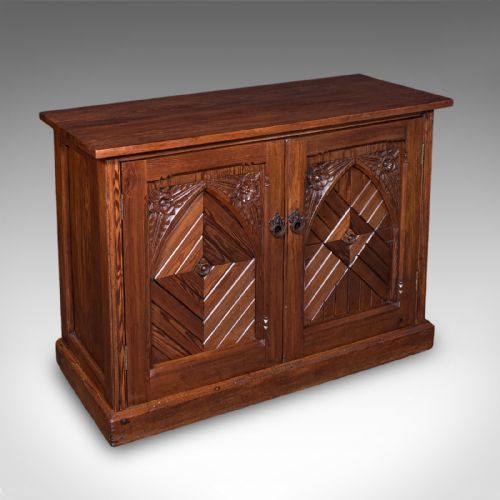
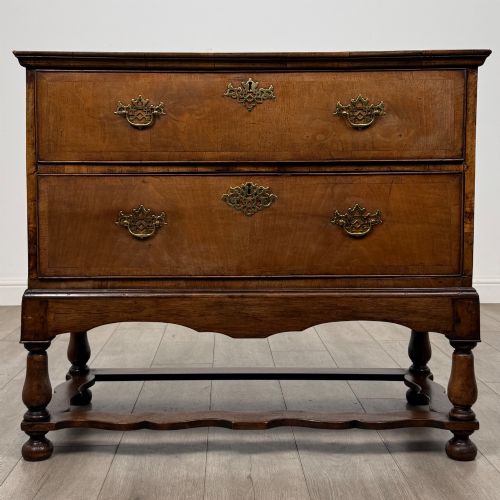
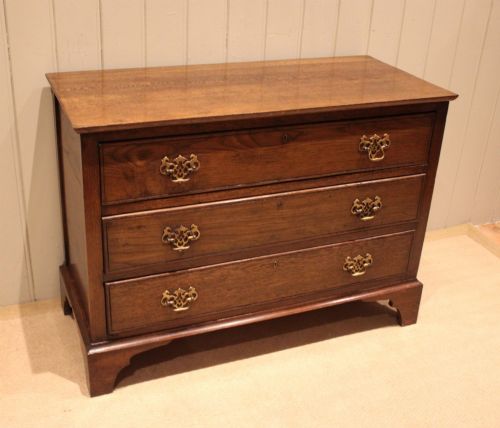
A warm oak storage chest brings honest timber and deep utility into a room, holding linen and wool with quiet strength.
Warm Oak Storage Chest
When you search for a warm oak storage chest, you encounter a practical tradition of heavy timber containers spanning centuries of domestic life. These pieces serve to stow textiles, garments, and household goods while grounding a room with natural grain and sturdy proportions.
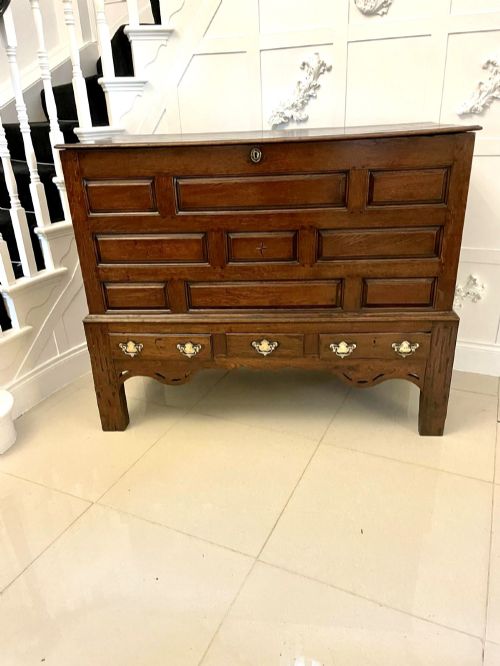
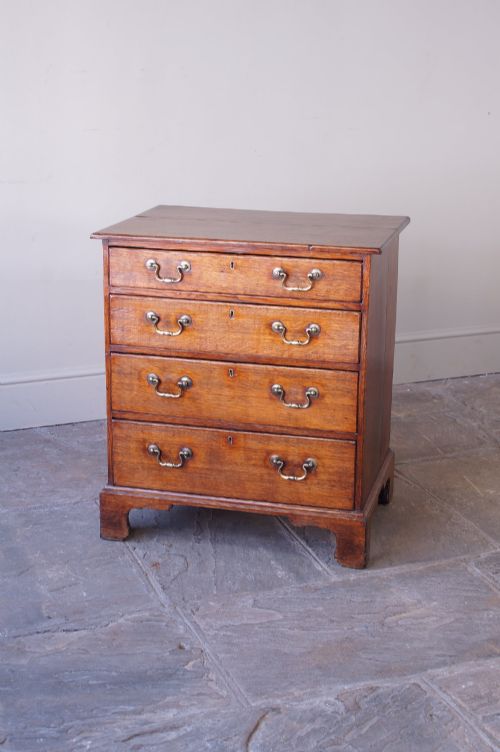
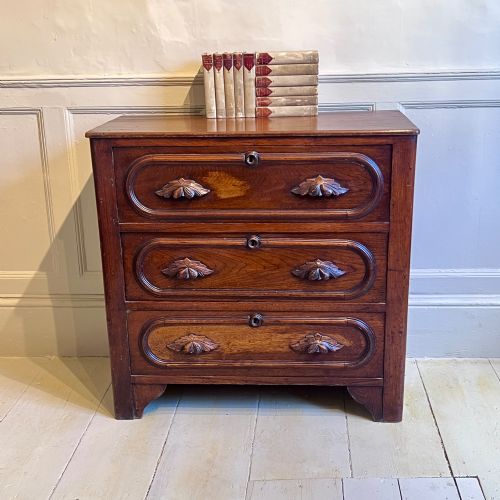
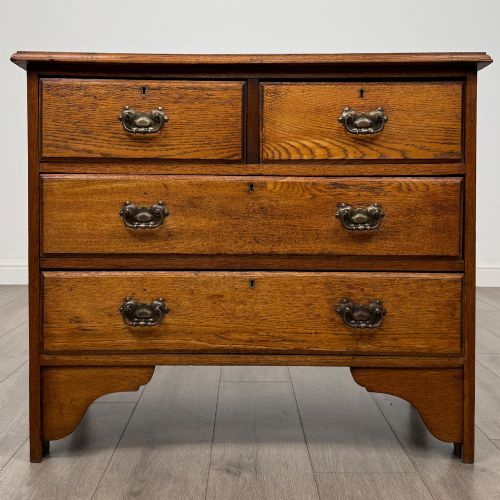
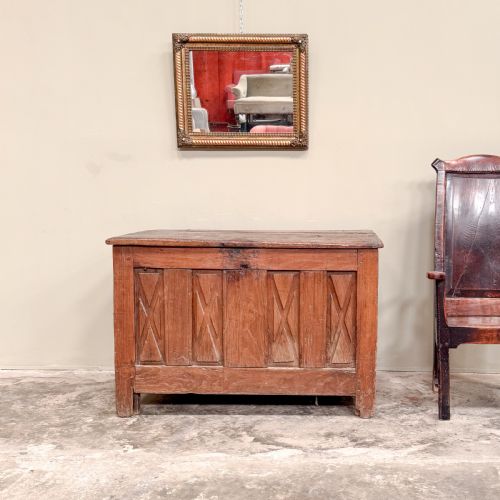
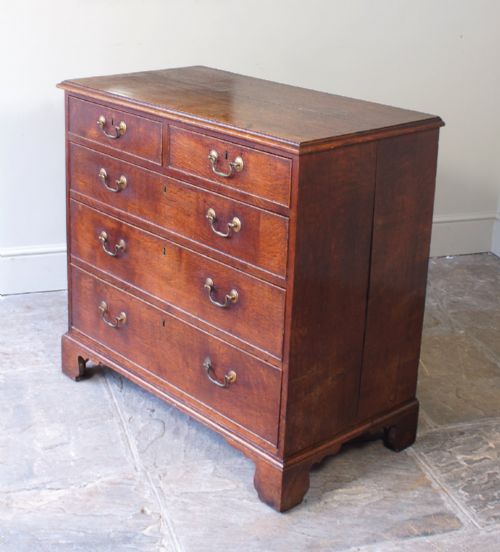
The selection here most frequently includes nineteenth-century pieces alongside Edwardian and Georgian examples. Forms range from simple blanket boxes and coffers to multi-drawer chests, linen presses, and cupboards.
Origins stretch across English country workshops, Welsh farmhouses, and French provincial makers. Each piece displays the straightforward utility demanded by households before fitted wardrobes existed.
What varies in quality
The distinction between standard examples and finer items rests on the selection of timber and the precision of the joinery. Figured grain, mahogany crossbanding, and hand-carved detailing elevate a piece from a utilitarian box to a refined focal point.
Proportion and integrity dictate enduring appeal. Well-balanced pieces with original hardware and patinated surfaces command greater interest than heavily altered items or those stripped of their historic finish.
Warm Oak Storage Chest Retail Price Guide 2026
Typical asking prices for warm oak storage chest among the pieces listed under this phrase on Sellingantiques today, from the lower quarter to the upper quarter. They describe what is for sale here now, not the wider market.
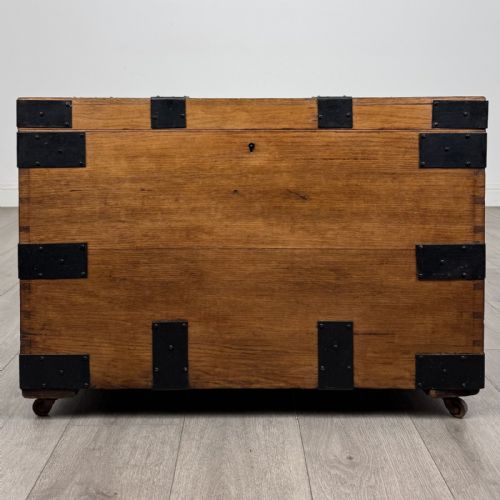
Storage forms include traditional Welsh cupboards, maritime campaign chests, and French provincial coffers.
The Warm Oak Storage Chest Glossary
- Cofer
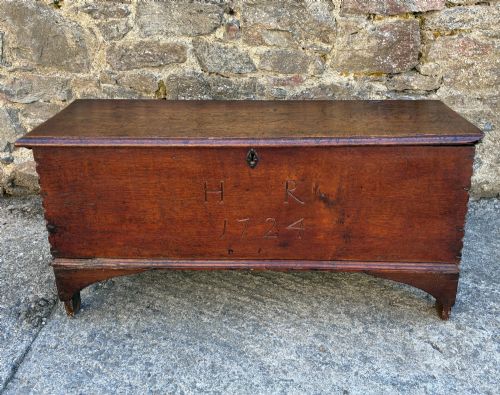
- A heavy wooden chest with a lid, traditionally used for storing valuables or household linens. These box forms represent some of the earliest surviving domestic furniture.
- Crossbanding
- A decorative border applied to furniture surfaces where the grain runs perpendicular to the main panel. This technique frames drawer fronts and top surfaces on Georgian pieces.
- Linen Press
- A tall storage cupboard featuring upper sliding trays or shelves for folded textiles above a chest of drawers base. They kept household linens flat and protected from dust.
- Six plank coffer
- A primitive chest constructed from six individual boards joined simply at the edges. This method forms the foundation of early storage furniture.
- Campaign chest
- A modular chest built in sections with recessed brass handles and corner brackets designed for military transport. These items combine robust oak construction with travel utility.
Warm Oak Storage Chest: Frequently Asked Questions
How do I date an oak chest?
Dating relies on construction methods, handle styles, and timber preparation visible in the secondary woods. Hand-cut dovetails and pegged joints usually point to earlier eras, while machine-sawn components indicate the twentieth century.
Changes in lock mechanisms and hinges also provide clear chronological markers. Comparing the drawer linings and backboards helps confirm the period of manufacture.
What is the difference between a coffer and a blanket box?
A coffer generally refers to a heavier, structurally rigid chest, often paneled and associated with earlier centuries. These pieces frequently served multiple purposes, including seating or table surfaces.
Blanket boxes tend to be simpler lidded containers designed specifically for textile storage in bedrooms. Both forms provide deep cavities for bulky household items.
Can I use an oak chest as a coffee table?
Low chests and blanket boxes adapt well to living room use as surface tables with internal storage. Their flat tops accommodate books and trays while keeping clutter hidden inside.
Care should be taken to protect the historic timber finish from moisture and heat rings. Using coasters and careful placement preserves the surface.
How should I care for antique oak furniture?
Maintain antique oak by dusting with a dry cloth and occasionally applying natural beeswax to nourish the dry timber. Avoid placing pieces near direct heat sources or in fluctuating humidity.
Keeping the wood away from strong sunlight prevents the warm honey tones from fading. Gentle maintenance preserves the natural patina built over generations.