


18th Century Oak Drawers
Selecting 18th century oak drawers brings heavy timber, honest joinery and centuries of domestic history directly into a modern room.
18th Century Oak Drawers
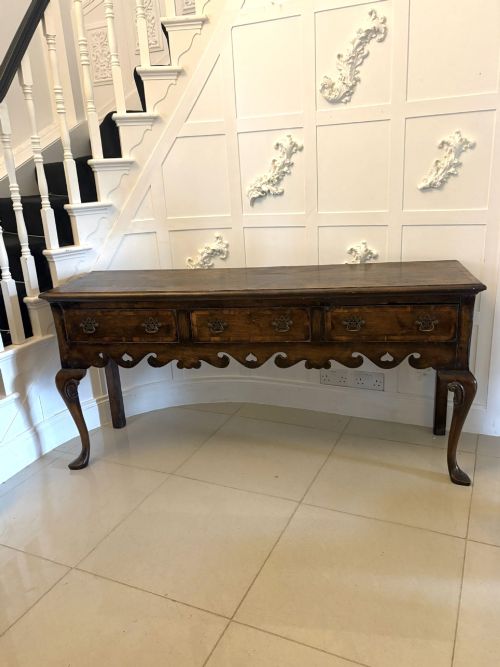
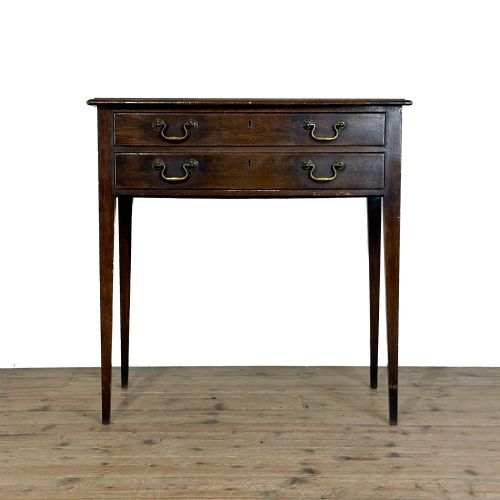
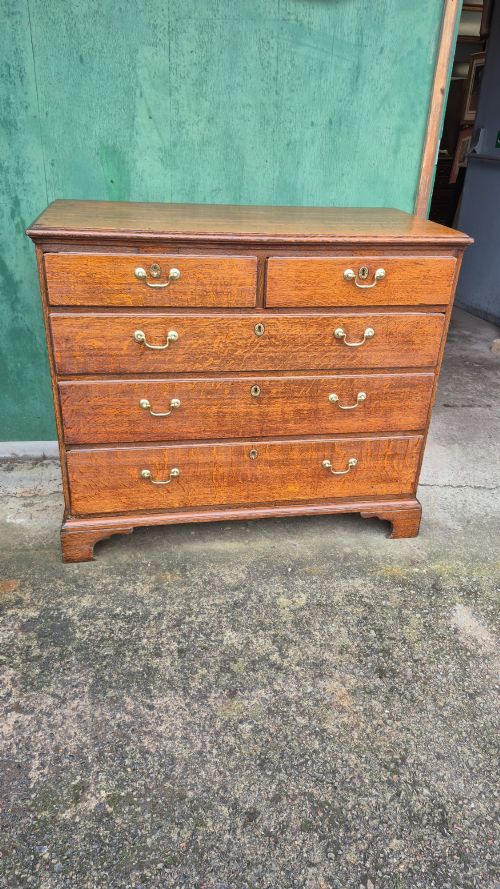
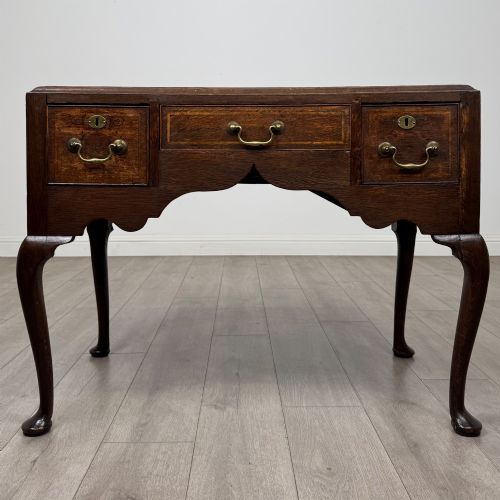
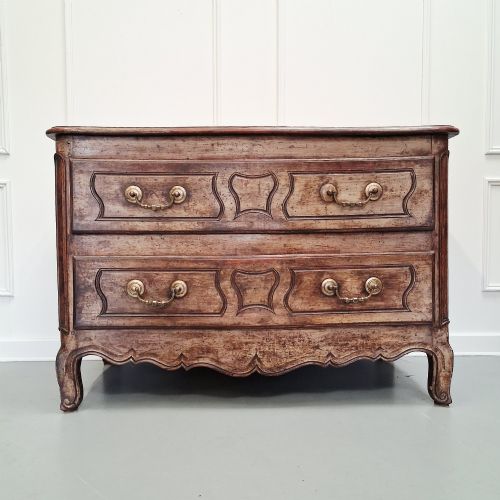
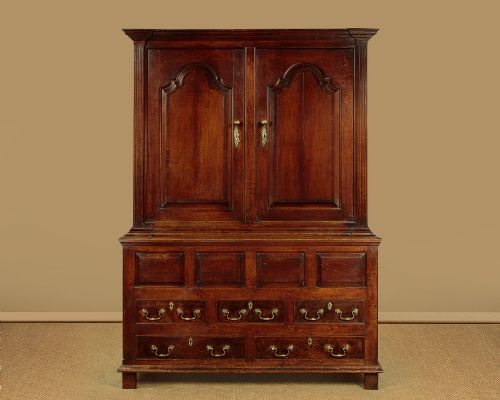
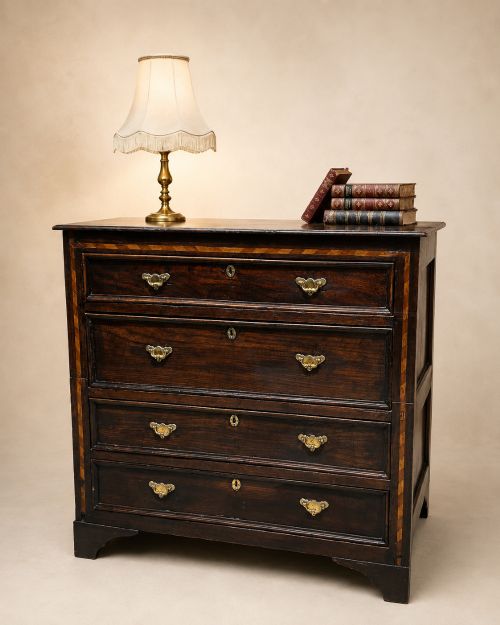
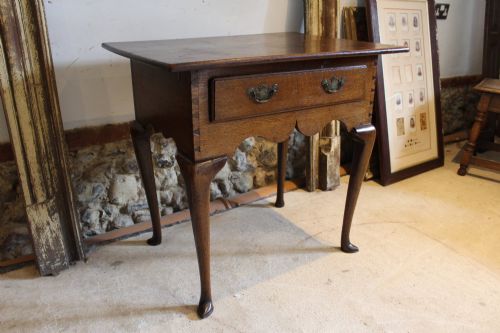
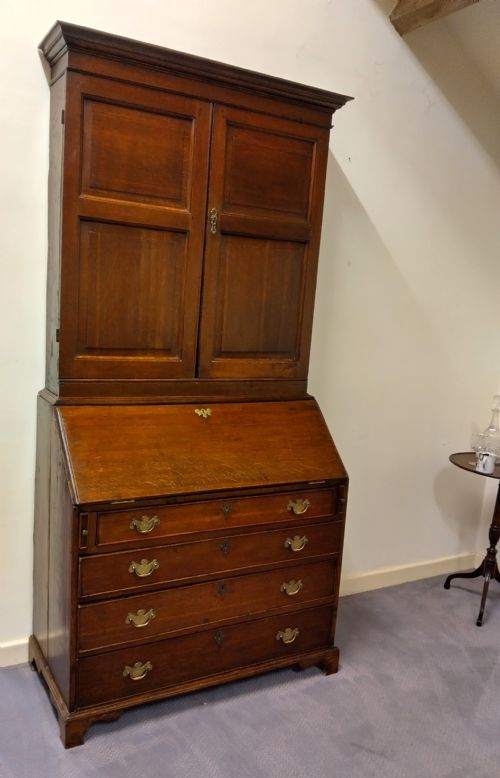
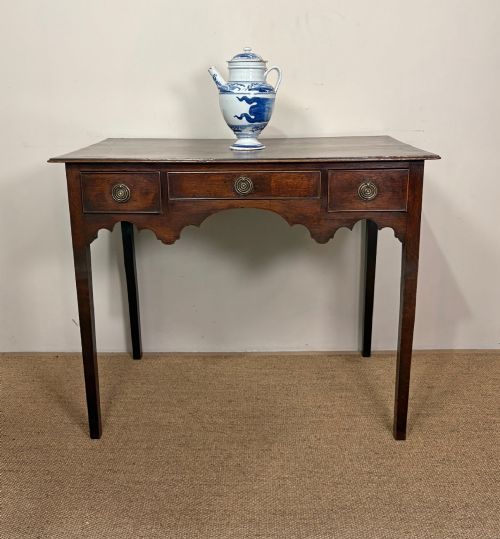
When searching for 18th century oak drawers, collectors encounter sturdy case furniture designed for practical storage in domestic settings. The pieces span straightforward chests of drawers, mule chests with lower compartments, lowboys, and substantial dresser bases.
The prevailing examples originate from the Georgian period, particularly under the reigns of George I, George II, and George III, alongside earlier Queen Anne designs. Regional pieces from Wales and East Anglia appear frequently alongside formal English models.
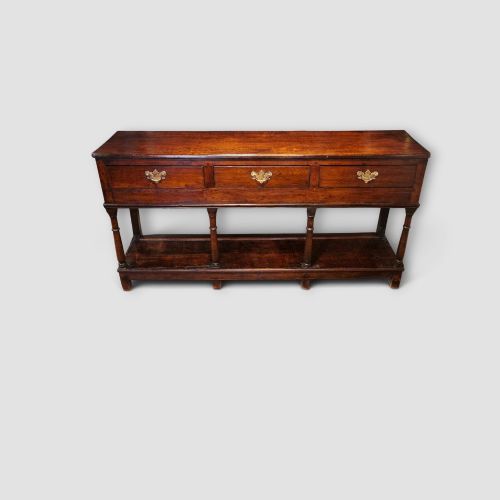
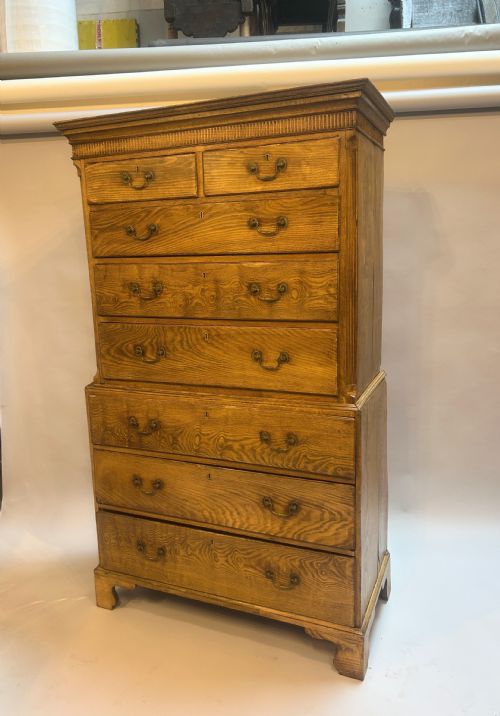
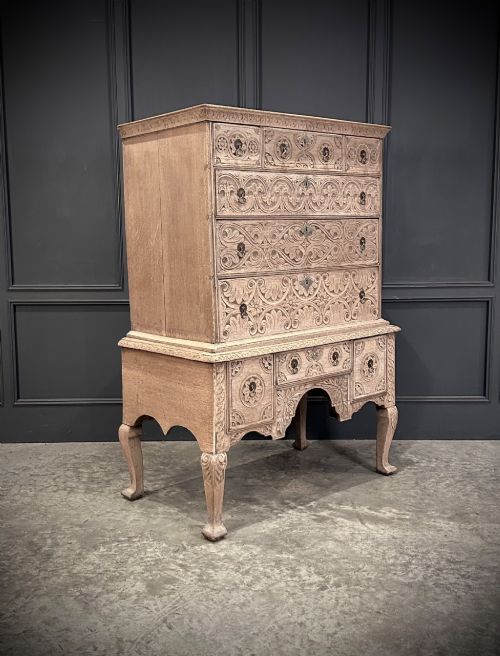
Forms range from tallboys and chests on stands to compact lowboys and potboard dressers incorporating spice drawers. Timber selection is predominantly solid oak, often enriched with walnut, mahogany crossbanding, or fruitwood inlay.
Materials and Construction
Makers relied on solid oak for structural integrity, frequently pairing the dense timber with secondary woods like walnut or fruitwood for decorative contrast and inlay work. Brass hardware, including drop handles and escutcheons, secures primary functional points on drawer fronts.
Cabinetmakers utilised traditional joinery methods such as hand-cut dovetails for drawer construction and panel-and-frame assembly for large bodies like coffers and mule chests. Surface finishes often display distinct grain patterns, sometimes enhanced through bleaching or historical waxing.
Current listings feature oak alongside mahogany, walnut, elm, and fruitwood inlay across George I to George III periods.
Quality Variations
Distinctions in quality rest upon the crispness of the timber grain, the precision of the dovetail joinery, and the preservation of original hardware like brass handles and escutcheons. Superior examples retain untouched surface patination built through decades of use.
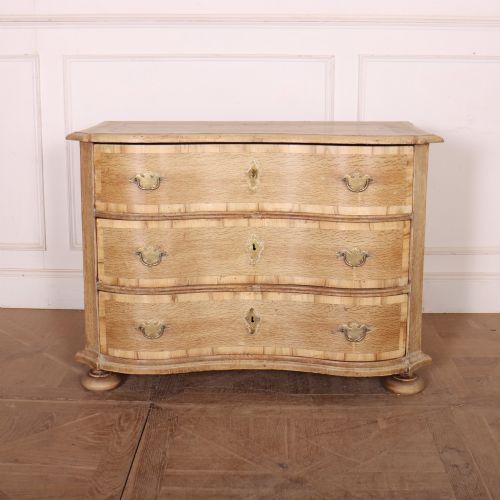
Proportion and regional character also dictate distinction, where balanced proportions in geometric moulded fronts or elaborate crossbanding elevate a provincial piece into an exceptional acquisition.
The 18th Century Oak Drawers Glossary
- Lowboy
- A small table with one or more rows of drawers, commonly used as a dressing table or side table in the 18th century.
- Dresser Base
- A low sideboard fitted with multiple drawers and sometimes an open potboard shelf underneath for displaying or storing household goods.
- Mule Chest
- A storage chest featuring one or more drawers built into the base beneath a hinged lid compartment.
- Tallboy
- A tall chest of drawers constructed in two stacked sections, placing a smaller chest atop a larger base.
- Crossbanding
- A decorative border technique where thin strips of wood veneer are laid across the grain to frame drawer fronts or tabletops.
18th Century Oak Drawers: Frequently Asked Questions
Where were these pieces used in the home?
These pieces served practical storage and display functions throughout domestic interiors, from bedrooms to kitchens and hallways. Chests held linens and garments, while lowboys and dresser bases provided surface space and supplementary drawer storage.
Larger items like mule chests and potboard dressers anchored the main living spaces for household organisation. Their robust construction suited daily utility across centuries of family life.
How do I care for 18th century oak furniture?
Maintaining these pieces requires consistent indoor humidity levels and protection from direct sunlight to prevent timber shrinkage. Regular dusting with a dry, soft cloth preserves the historic wax finish without stripping the patina.
Avoid placing oak furniture near active heat sources or air conditioning vents. Gentle microfibre polishing helps maintain the natural lustre of the aged wood.
What defines a George III oak chest?
George III chests typically display refined proportions, structured drawer arrangements, and occasionally mahogany crossbanding or brass drop handles. These items reflect the transition toward lighter, more formal aesthetics while maintaining durable oak construction.
They often feature clean lines and disciplined symmetry compared to earlier, heavier provincial styles. Original hardware helps confirm the period context of the piece.