
Warm Oak Chest
A warm oak chest brings deep grain and solid construction into a room, offering practical storage through centuries of craftsmanship.
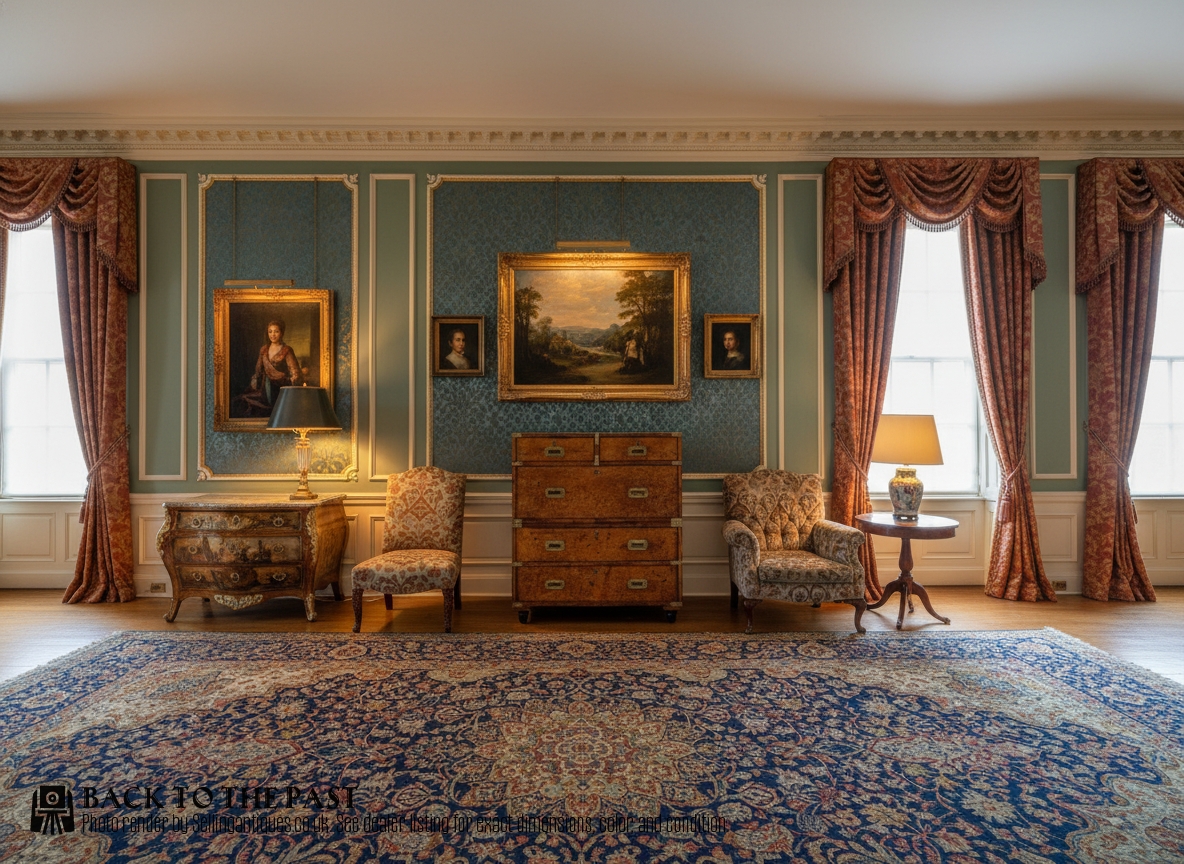
Warm Oak Chest
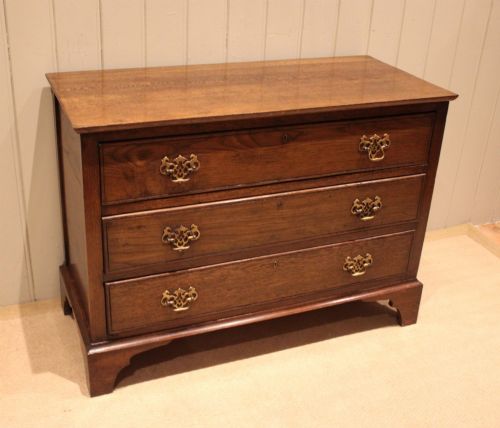
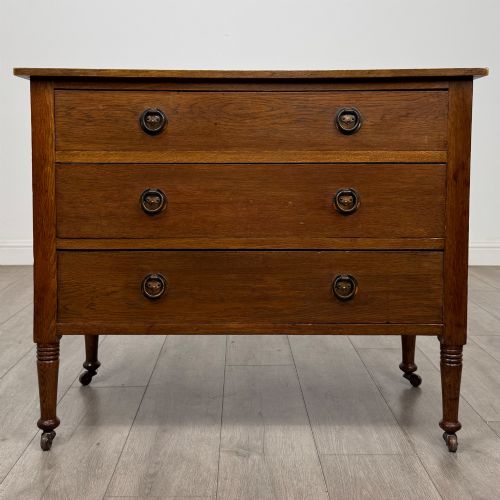
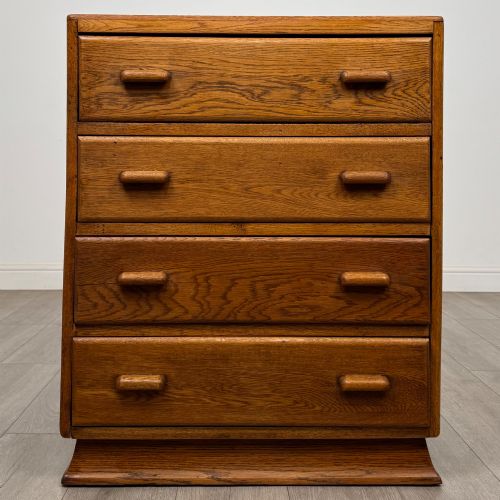
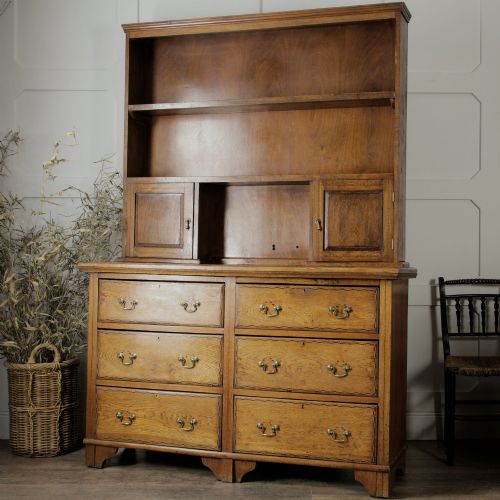
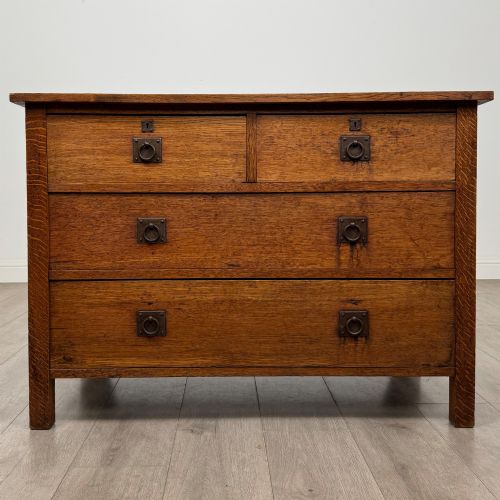
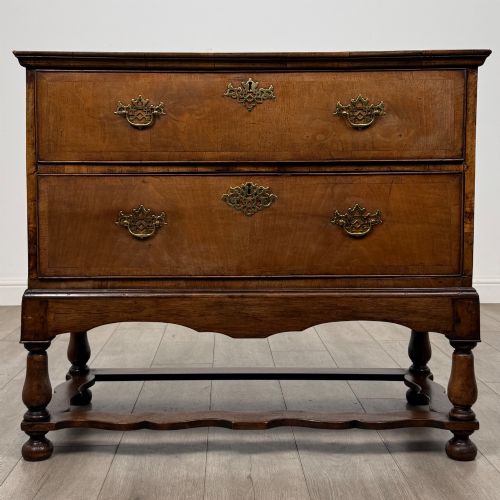
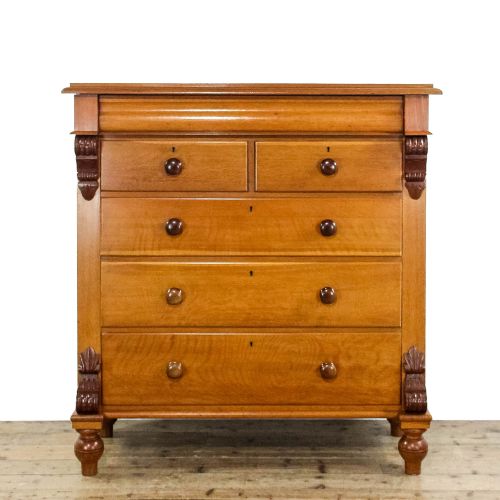
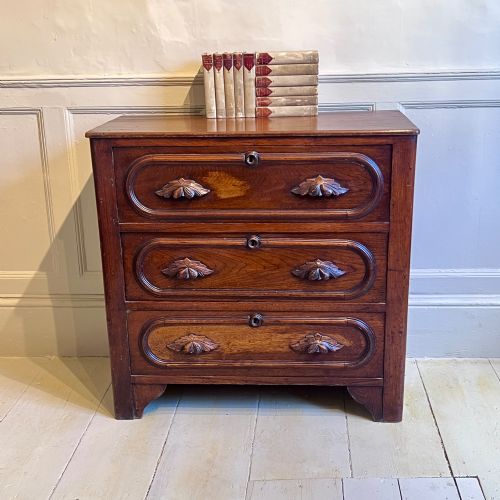
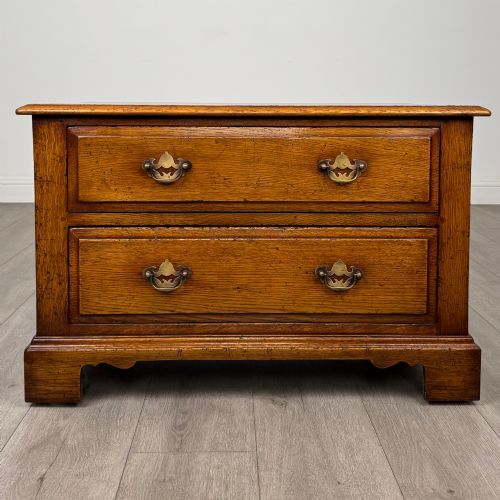
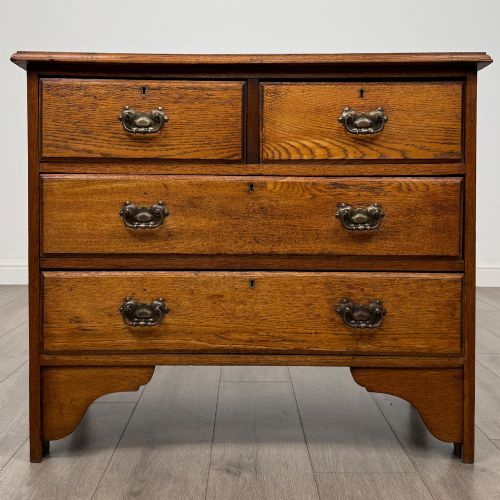
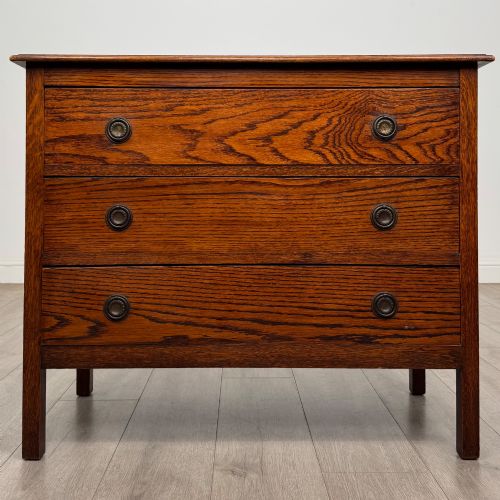
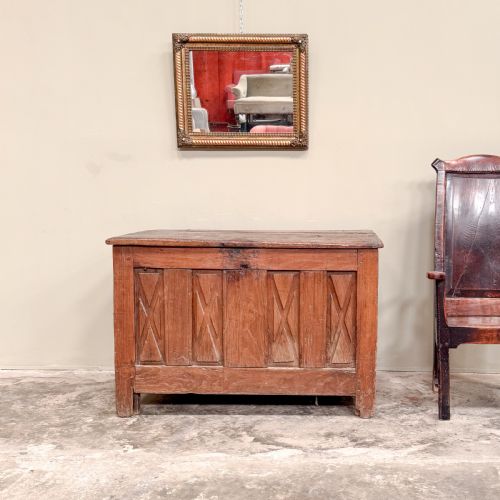
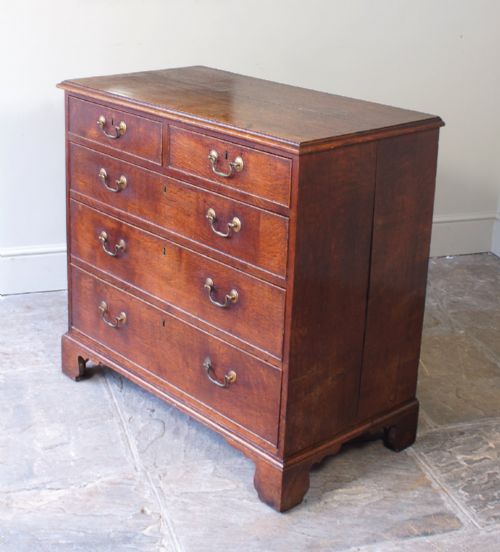
A warm oak chest encompasses a range of domestic storage forms spanning from the seventeenth century through to the Edwardian period. Buyers searching for a warm oak chest will encounter pieces designed for linen, garments, and valuables, with chests of drawers and coffers forming the majority of the selection.
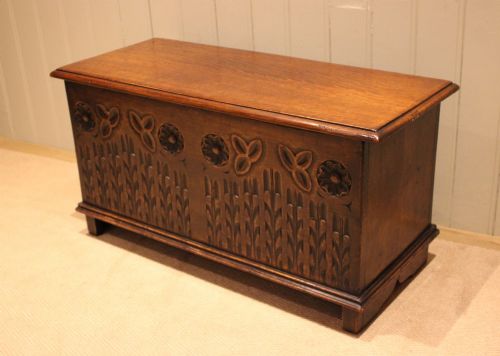
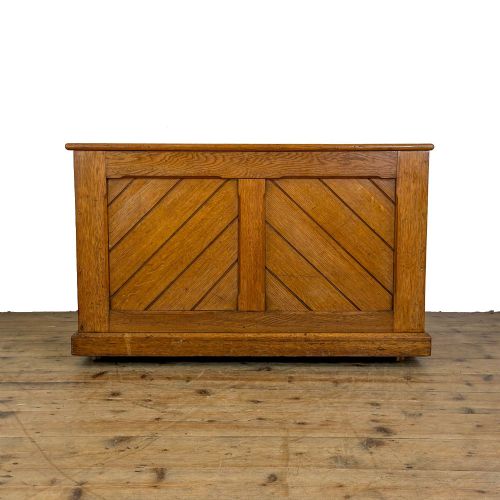
The material character derives primarily from solid timber showing rich honey and brown tones, sometimes accented with mahogany crossbanding, walnut, or fruitwood. Forms vary from simple six-plank coffers and blanket boxes to elaborate multi-drawer chests on stands and military campaign pieces.
Origins stretch across English, Welsh, Scottish, French provincial, and American workshops. The selection balances early joined examples with later Arts and Crafts, Georgian style, and Victorian interpretations.
How they were made
Construction relies heavily on solid timber boards joined with traditional methods, using iron and brass for hinges, campaign mounts, and handles. Oak dominates the evidence, supported by secondary structural woods like pine and decorative veneers such as mahogany and walnut.
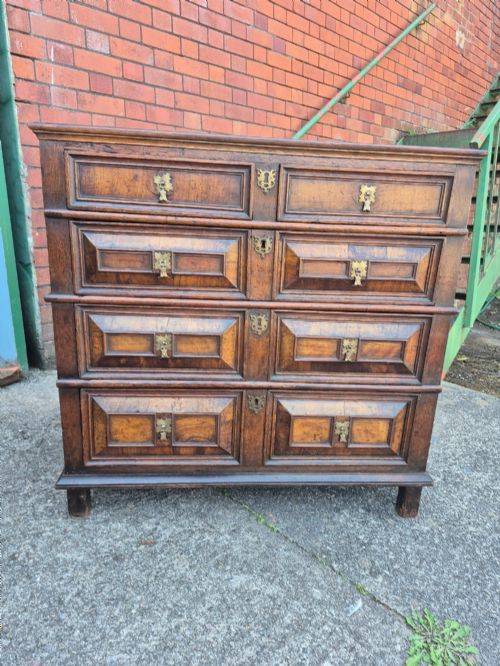
Surface finish and ornamentation involve hand-carved panels, geometric mouldings, and occasional painted simulated wood treatments. Joints range from early pegged frame-and-panel assemblies to later dovetailed drawer construction.
One Victorian gentleman found purpose in a dedicated sporran chest, storing Highland accessories alongside everyday socks.
What varies in quality
Quality rests upon the integrity of the timber selection, such as figured elm or dense quarter-sawn oak, and the restraint or skill of the hand-carving. Superior examples maintain original hardware like bracket feet and brass handles rather than later replacements.
Proportion and structural honesty separate everyday utility pieces from finer architectural items like geometric drawer fronts or crossbanded Georgian chests. The depth of patination on the wood surface reflects age and careful handling over generations.
The Warm Oak Chest Glossary
- Coffer
- A large wooden chest traditionally used for storing valuables or household goods. Early examples often feature simple six-plank construction or hinged lids.
- Crossbanding
- A narrow strip of veneer laid around the border of a drawer front or top so that the grain runs at right angles to the central panel. This technique adds decorative contrast using woods like mahogany.
- Mule chest
- A storage chest fitted with one or more drawers at the base beneath the main lift-top compartment. They bridge the functional gap between a traditional coffer and a chest of drawers.
- Campaign chest
- A portable set of drawers manufactured in sections with recessed brass handles and corner brackets for military transport. These pieces separate into modular units for travel.
- Dovetail
- A joinery technique formed by interlocking wedge-shaped fingers that secure drawer corners together. Fine, narrow pins indicate traditional hand-cut execution.
Warm Oak Chest: Frequently Asked Questions
How do I date an oak chest?
Dating relies on observing construction methods, such as hand-cut dovetails, timber types, and hardware styles. Early pieces from the seventeenth century typically use joined frame-and-panel construction with pegged joints.
Later Victorian and Edwardian examples shift toward machine-sawn timber and standardised drawer runners. Comparing handles and hinges to period norms helps narrow the manufacturing decade.
Where were these chests made?
The pieces originate from various domestic and regional workshops across the British Isles, including English, Welsh, and Scottish makers. Continental examples, notably French provincial coffers and Scandinavian pieces, also appear within the tradition.
Regional preferences dictate timber choices and decorative carving styles specific to local vernacular furniture.
How should I care for antique oak furniture?
Maintain oak surfaces by keeping them away from direct heat sources and sudden humidity changes to prevent timber splitting. Regular dusting with a dry, soft cloth preserves the natural wax patination.
Avoid silicone-based sprays and harsh chemical polishes that can penetrate the grain and dull the historical finish over time.