
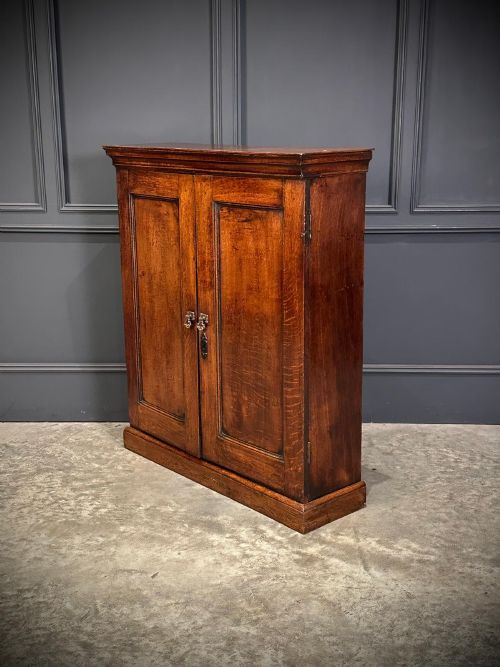
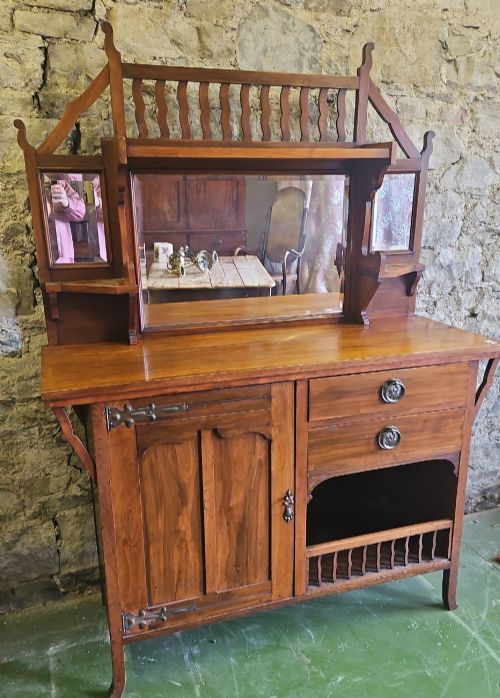
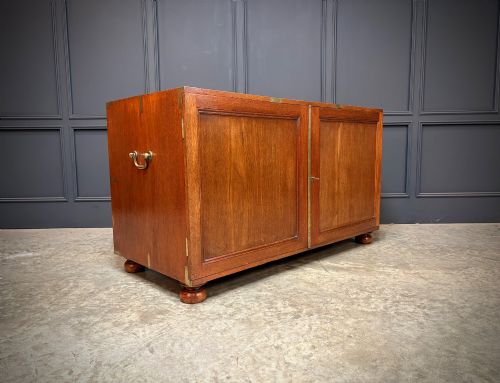
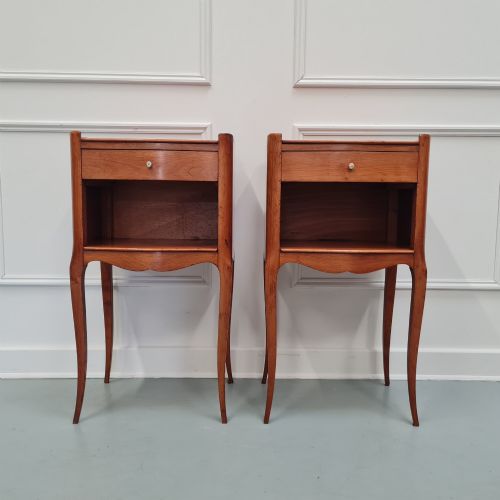
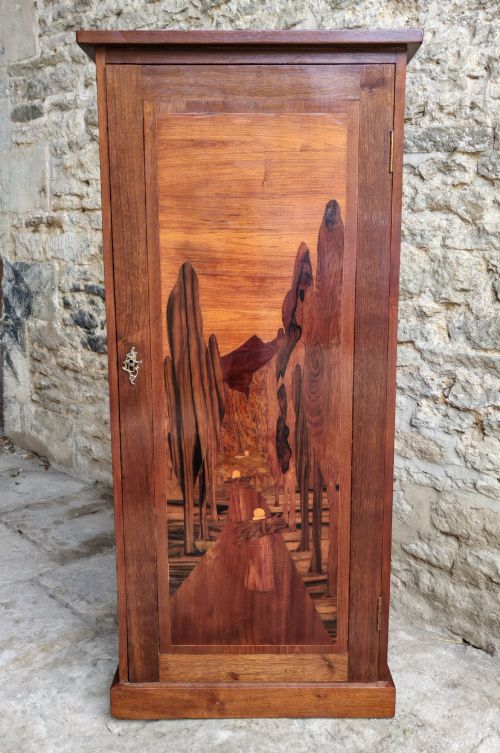
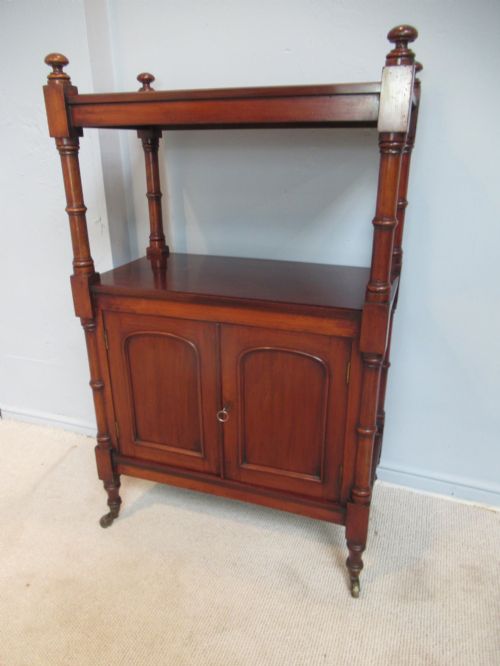

Warm Brown Side Cabinet
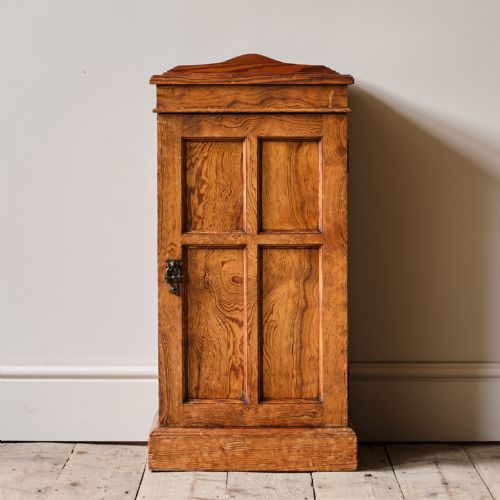
A warm brown side cabinet anchors a room with rich timber tones and practical storage.
How they were made
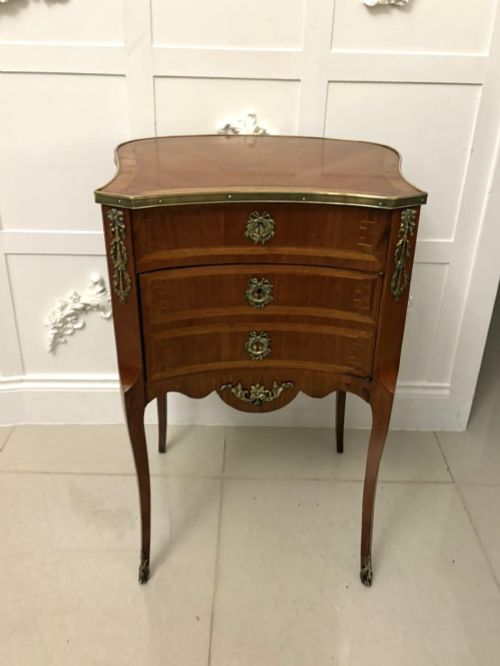
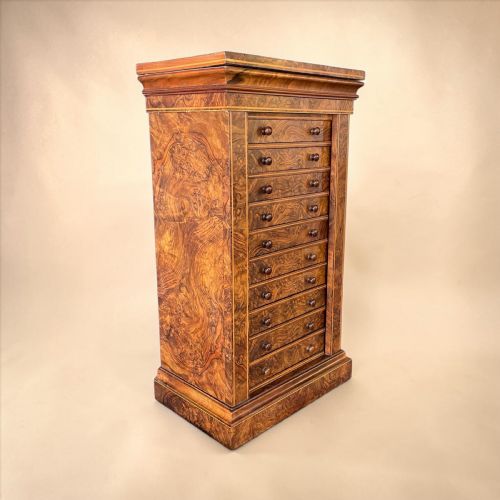
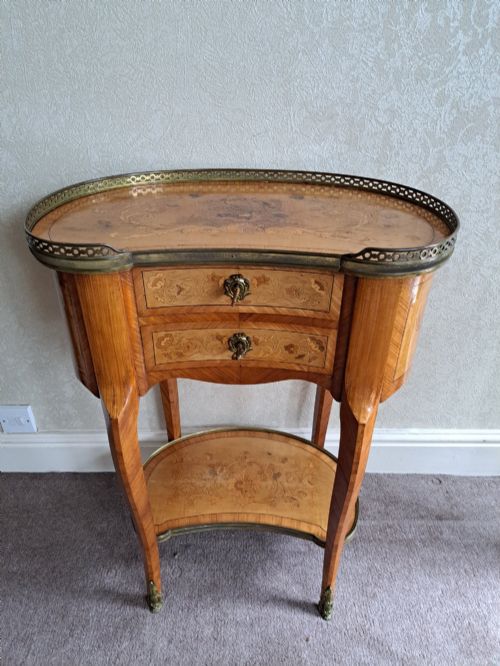
Cabinet makers relied on solid mahogany, oak, and walnut, often applying burr walnut or kingwood veneers to create striking figure on the surfaces. Marquetry inlay utilising boxwood and ebony added geometric or floral detail, particularly on French and Edwardian items.
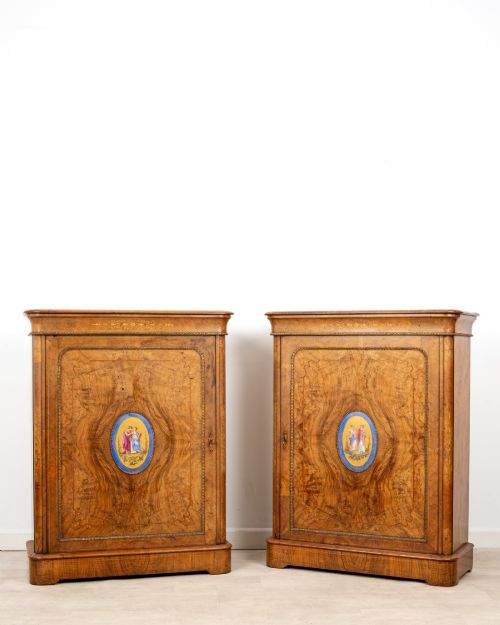
Metal mounts in brass and ormolu appeared on specific styles, while porcelain plaques sometimes decorated the doors of nineteenth-century walnut pier cabinets. Construction methods included dovetailed drawers and panelled doors designed to accommodate seasonal wood movement.
What varies in quality
The choice of timber veneer and the precision of the marquetry set finer examples apart from standard utility furniture. Burr walnut and detailed floral inlay require expert hand-cutting and placement, which elevates the visual impact.
Hardware choices, such as cast ormolu mounts and original brass handles, indicate the original tier of production. Structural integrity, including the smoothness of drawer operation and the stability of timber carcases, determines daily practicality.
The listings span the Georgian, Victorian, Edwardian, and Art Deco periods, utilising walnut, mahogany, oak, and cherry woods.
Maurice Adams·Pietro Ferrario
The Warm Brown Side Cabinet Glossary
- Marquetry
- Inlaid wood veneers forming decorative patterns or pictures. Craftsmen cut contrasting timbers like boxwood and ebony into the primary surface.
- Pier cabinet
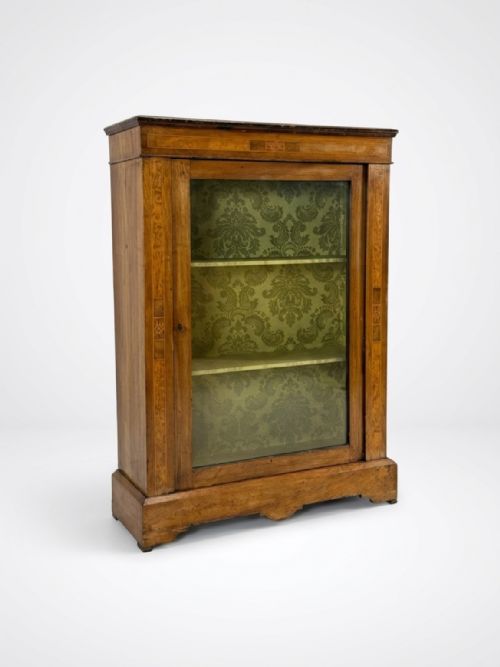
- A tall, narrow cabinet designed to stand against the wall space between windows. These often feature glass doors and internal shelving for display.
- Credenza
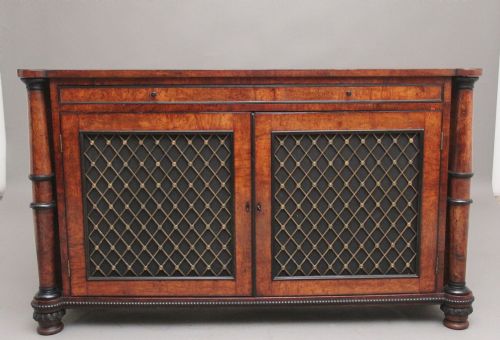
- A large sideboard or cabinet, frequently associated with Victorian dining rooms. They often incorporate central cupboards flanked by curved glass doors.
- Lowboy
- A small seventeenth or eighteenth-century dressing table or side table with drawers. These typically stand on four slender legs.
- Ormolu
- Gilt bronze mounts applied to furniture. This technique was widely utilised on French cabinet work to highlight corners and doors.
Warm Brown Side Cabinet: Frequently Asked Questions
What rooms suit a side cabinet?
These cabinets suit living rooms, hallways, and bedrooms where surface space and enclosed storage are both required. Their compact footprints allow them to fit into alcoves and narrow passages easily.
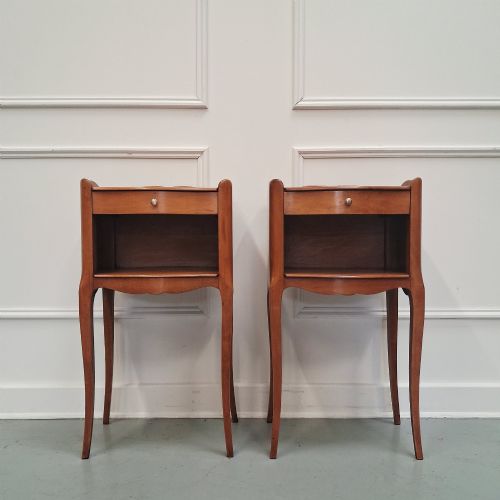
Larger credenzas and sideboards serve dining spaces, while smaller bedside chests fit next to low bed frames. The warm timber tones integrate naturally with neutral or richly coloured interior schemes.
How do I identify the wood type?
Examining the grain pattern and colour reveals the primary timber used in the carcase. Mahogany tends to show a reddish-brown hue with straight or ribbon grain, whereas walnut offers darker brown swirls and rich figuring.
Burr walnut displays distinctive circular cluster patterns formed from tree growths, and oak shows pronounced medullary rays. Closer inspection under good light helps distinguish solid timber from veneered surfaces.
How do I care for antique timber?
Keep wooden cabinets away from direct heat sources and strong sunlight to prevent the timber and veneers from drying out or splitting. Maintaining stable room humidity preserves the joints and polish.
Apply high-quality wax polish sparingly and buff with a soft cloth to maintain the sheen. Avoid silicone-based sprays, which can penetrate old finishes and damage the wood over time.
What is the difference between a commode and a side cabinet?
A commode typically refers to a low chest of drawers originating from French furniture traditions. These pieces often feature serpentine fronts and decorative marquetry.
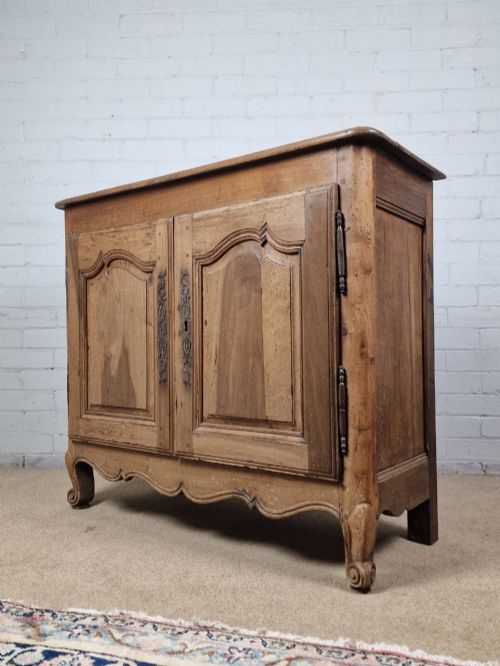
A side cabinet generally incorporates doors enclosing shelves rather than a simple stack of drawers. Both serve similar domestic functions for storage and surface display.