




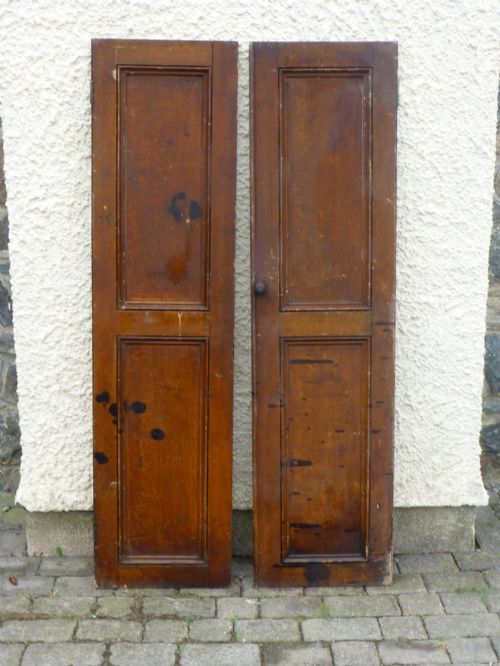
Warm Brown Oak Wardrobe
These pieces of warm brown oak wardrobe bring rich grain and honest utility to any room, offering robust storage built to last.
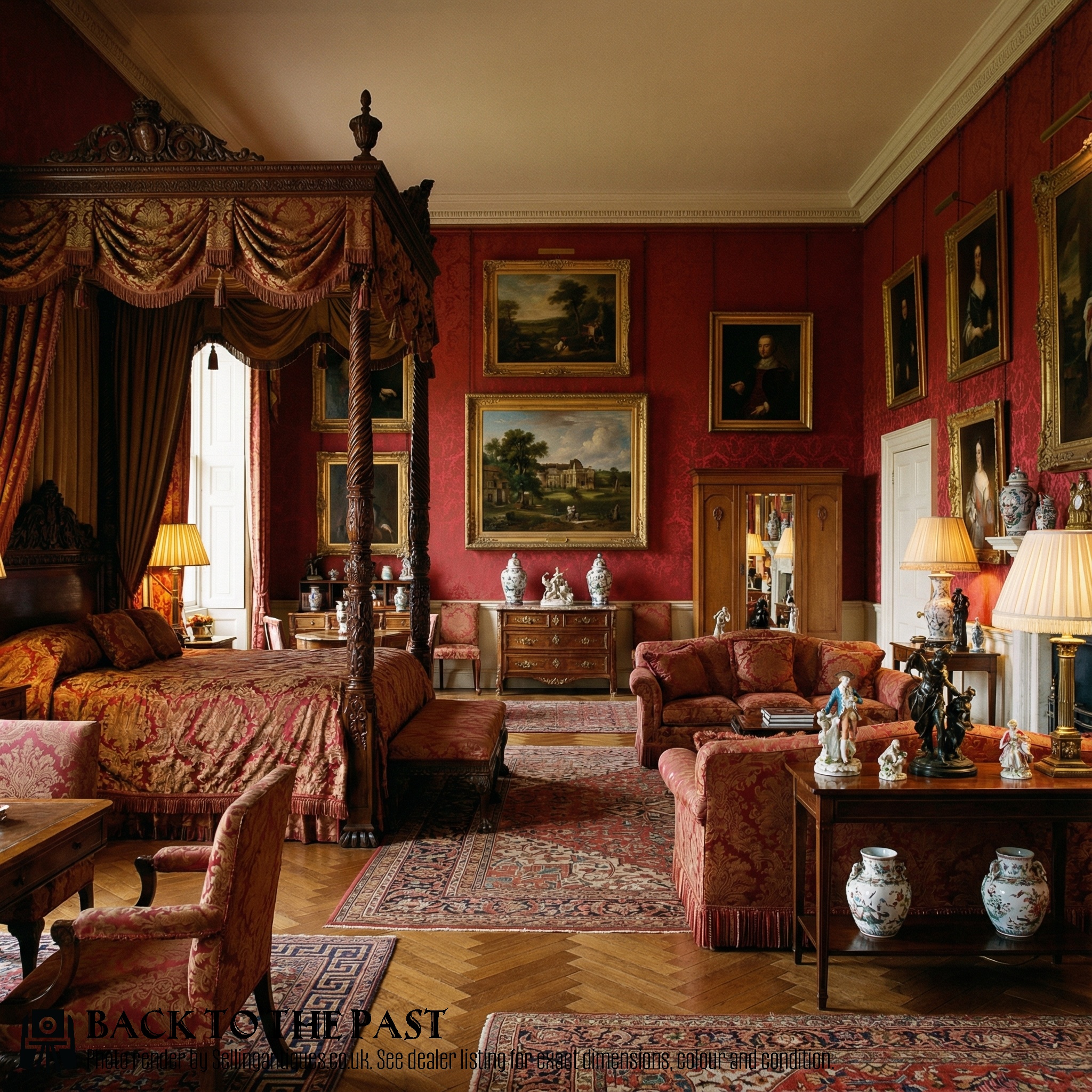
Warm Brown Oak Wardrobe
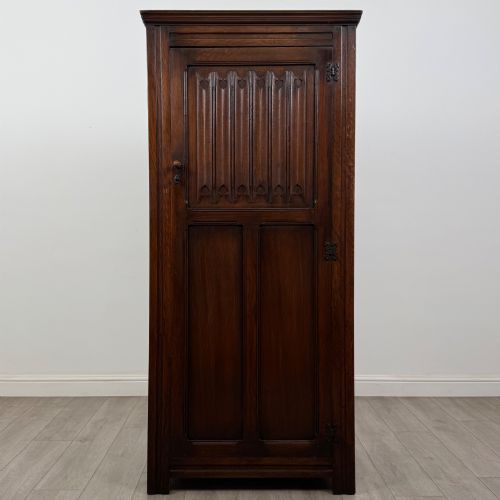
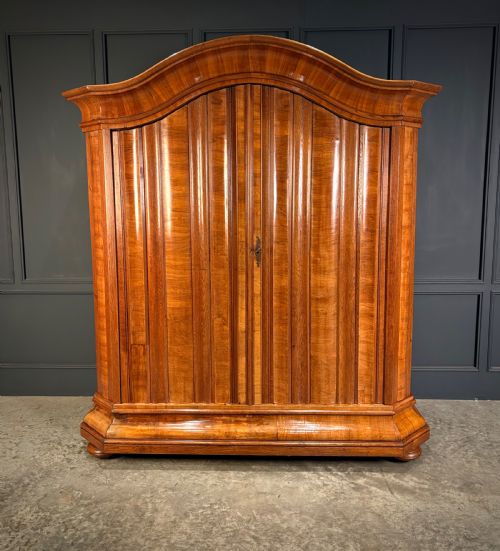
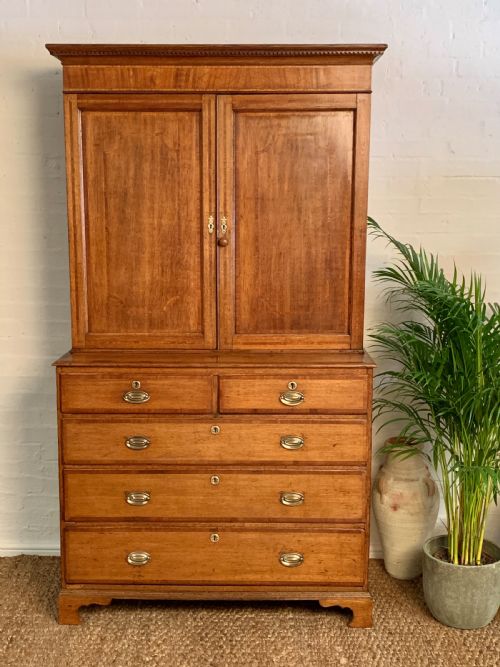
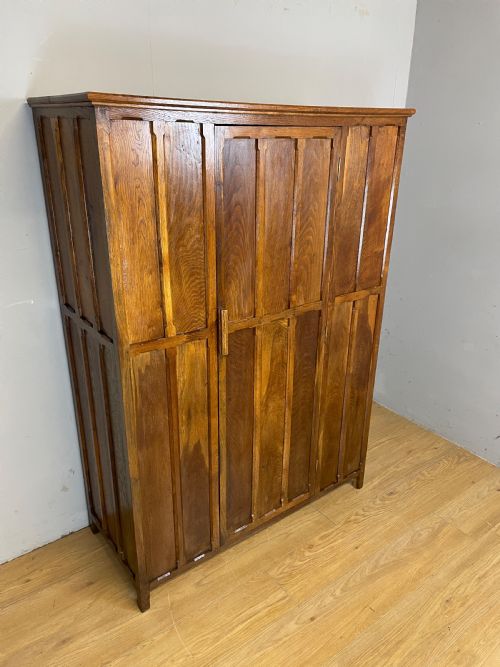
When you search for a warm brown oak wardrobe, you are looking at substantial storage furniture built from resilient timber that shows deep, rich tones. These pieces range from Georgian cross-banded cupboards and nineteenth-century Welsh presses to Edwardian mirrors and Arts and Crafts designs.
The versions you are most likely to meet on this page span several centuries, including Victorian, Edwardian, and earlier provincial styles. Alongside traditional wardrobes, the selection includes related forms like linen presses, armoires, and hall seats that share the same heavy oak construction.
How they were made
Makers built these pieces primarily from solid oak, sometimes combining walnut or pine for secondary framing and interior elements. Iron hinges, brass handles, and glass mirrors appear as functional and decorative additions across the various periods.
Traditional joinery methods dominated their construction, creating sturdy frameworks for large cupboards and armoires. Surface treatments range from natural waxed finishes to historical scumbled paint mimicking faux oak panels.
What varies in quality
The distinction between ordinary and exceptional examples rests upon the selection of timber and the sophistication of the joinery. Pieces featuring refined details like cross-banding, thoughtful proportions, and harmonious panel arrangements command greater attention.
Integrity of design also sets the better examples apart, whether seen in the restrained lines of an Arts and Crafts piece or the bolder carving of Continental Baroque and Edwardian Gothic revival styles.
The Warm Brown Oak Wardrobe Glossary
- Cross-banded
- Bordering a panel with strips of veneer arranged so the grain runs transversely to the central surface, often seen on Georgian pieces.
- Armoire
- A large freestanding cupboard or wardrobe, typically of continental European origin, designed for hanging clothes or storing linen.
- Linen press
- A tall piece of furniture featuring upper cupboard doors enclosing shelves for textiles, often positioned above lower drawer sections.
- Scumbled
- A decorative paint technique involving the application of a translucent glaze over a lighter base coat to simulate wood grain.
- Arts and Crafts
- A design movement prioritising traditional craftsmanship, simple forms, and visible structural honesty over mass-produced ornamentation.
Warm Brown Oak Wardrobe: Frequently Asked Questions
How do I date an oak wardrobe?
Dating relies on observing construction methods, hardware types, and stylistic details associated with periods like the Georgian era or the Edwardian years. Secondary timbers and backboards also provide clues to the age of the piece.
Provincial items often retain vernacular traits that persist across decades, making overall proportion and decorative motifs the most reliable guides to their decade of origin.
Are these wardrobes easy to dismantle?
Many older wardrobes were constructed with large, heavy panels and pegged joints designed to remain assembled rather than flat-packed for frequent moving. Large armoires and press cupboards often require professional help for transport.
It is wise to check whether a specific piece uses knock-down bolts or traditional fixed framing before attempting to move it through narrow doorways.
How should I care for oak furniture?
Maintaining solid oak involves keeping the timber away from direct heat sources and sudden humidity changes that can cause the wood to split. Regular dusting and occasional applications of traditional beeswax help preserve the lustre of the warm brown finish.
Avoid silicone-based polishes, as they build up over time and dull the natural grain of the antique surface.
What is the difference between a press and a wardrobe?
A wardrobe is primarily designed with hanging space for garments on hangers, whereas a traditional press or linen press was built to store folded textiles on internal sliding trays or shelves.
Many surviving pieces from the nineteenth century combine both functions, reflecting changing domestic storage needs over time.