





Warm Brown Kitchen Hutch
A warm brown kitchen hutch brings honest timber storage into domestic spaces, offering traditional display and shelving rooted in centuries of rural utility.
Warm Brown Kitchen Hutch
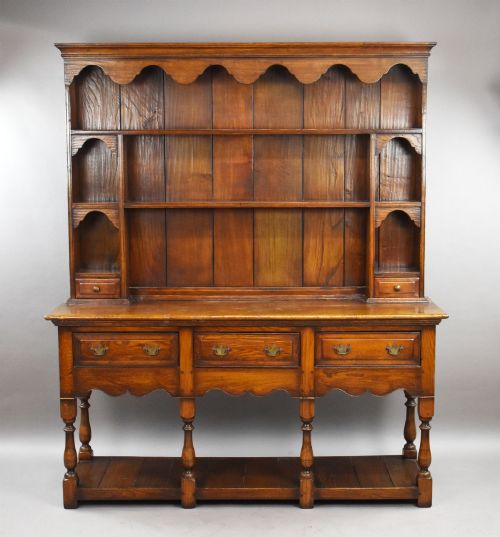
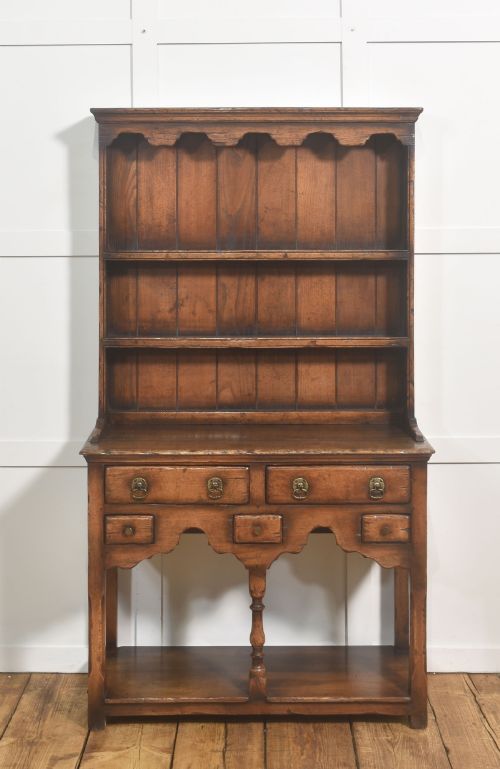
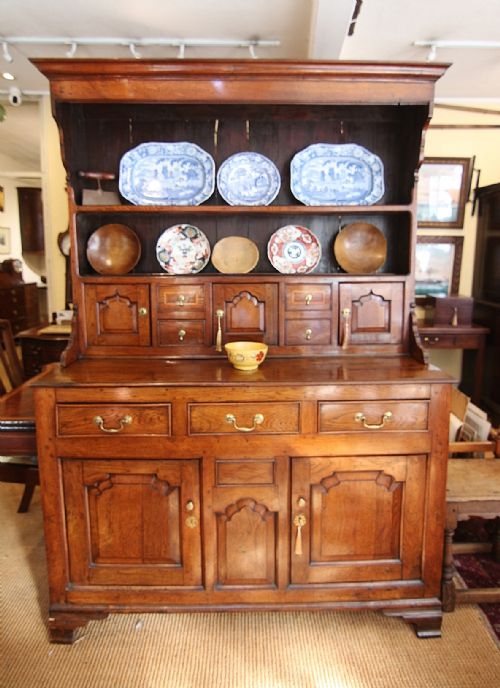
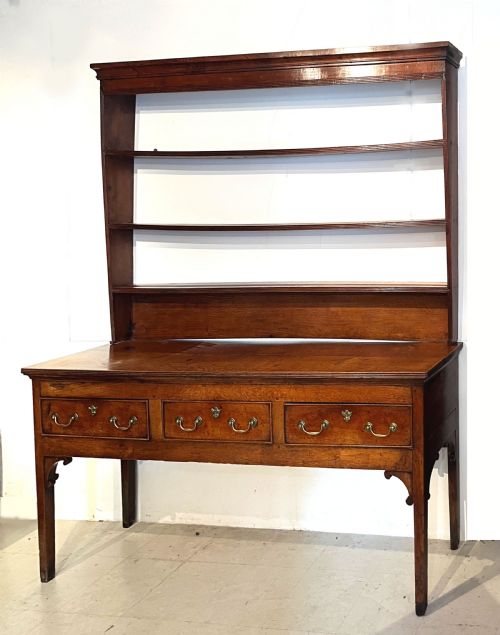
A warm brown kitchen hutch encompasses substantial timber dressers and storage units designed for domestic culinary spaces. The selection on this page draws heavily from eighteenth-century and nineteenth-century traditions, spanning Georgian forms and regional country styles.
Most examples you encounter here are constructed from oak, walnut, or cherrywood, often paired with open plate racks or glazed upper sections. Pieces range from French provincial buffet vaisseliers to Snowdonia dressers and English country furniture.
Regional variations include fruitwood and mahogany inlay, reflecting both local cabinet-making habits and the practical needs of farmhouse kitchens. These forms combine base cupboards with upper shelving intended for everyday pottery and provisions.
How they were made
Construction relies upon solid regional hardwoods such as oak, walnut, and cherrywood, joined with traditional framing methods. Timber selection prioritises durable grain patterns that accept natural patination over decades of domestic use.
Hardware details incorporate brass and iron for hinges, pulls, and escutcheons, securing doors and drawers within heavy timber frames. Glass panels appear in upper glazed variants, while bone occasionally surfaces in decorative inlay work.
Warm Brown Kitchen Hutch Retail Price Guide 2026
Typical asking prices for warm brown kitchen hutch among the pieces listed under this phrase on Sellingantiques today, from the lower quarter to the upper quarter. They describe what is for sale here now, not the wider market.
Listings feature eighteenth-century and nineteenth-century pieces alongside Arts and Crafts examples, constructed primarily from oak, walnut, cherrywood, and fruitwood.
What varies in quality
The distinction between tiers rests upon timber selection, regional cabinet-making ability, and the preservation of original hardware and surfaces. Pieces demonstrating careful proportions and integrated plate racks exhibit greater structural coherence.
Subtleties of regional carving, inlaid detail, and the depth of the timber's natural patina separate standard workshop production from finer provincial examples. Original backing boards and undisturbed structural joins elevate the standing of individual furniture.
Heals of London
The Warm Brown Kitchen Hutch Glossary
- Plate rack
- An open shelving superstructure attached to the upper section of a dresser for displaying plates. It allows ceramic tableware to dry and remain accessible in the kitchen.
- Buffet vaisselier
- A two-part French storage furniture form combining a lower sideboard base with an upper display cabinet. It serves a similar function to the British dresser.
- Inlay
- A decorative technique where contrasting materials like mahogany or bone are inserted into recessed cavities in the primary wood surface. This adds linear detail to drawer fronts and cornices.
- Vernacular furniture
- Domestic items built by local craftsmen using regional traditions rather than metropolitan academic designs. These pieces prioritise utility and local timber availability.
Warm Brown Kitchen Hutch: Frequently Asked Questions
What is a warm brown kitchen hutch used for?
These pieces function as practical storage furniture, combining lower cupboards and drawers for kitchen items with upper display shelves for plates and ceramics. They originated as working furniture in domestic spaces to keep daily kitchenware organised and accessible.
Today, they serve a similar role in modern interiors, providing substantial storage capacity while displaying decorative dishware or collections. Their robust timber construction makes them suited to heavy daily use in busy rooms.
How do I identify a Georgian hutch?
Georgian examples typically feature heavy oak or fruitwood construction, often displaying specific regional characteristics such as those from Snowdonia or broader English country workshops. Look for traditional panelled cupboard bases and pegged joints.
Detailing on these pieces often includes simple cornices, brass hardware, and integration with plate racks. The timber generally shows a deep, warm patina developed over centuries of domestic habitation.
Are these hutches made of solid wood?
The construction utilises solid regional hardwoods such as oak, walnut, cherrywood, and fruitwood. Workshops of the eighteenth and nineteenth centuries relied on thick timber planks for structural stability and durability.
Secondary woods may appear in less visible areas like drawer linings or backing boards, but the primary exterior surfaces are solid timber. This material composition allows the wood to age and develop a distinct tactile finish.
How do I care for a vintage timber hutch?
Maintain the wood by keeping the furniture away from direct heat sources and dramatic humidity fluctuations. Regular dusting with a dry cloth protects the surface without building up heavy chemical residues.
Occasional application of appropriate wax helps preserve the moisture and natural glow of the timber. Avoid excessive polishing, which can dull the historical patina accumulated across generations.