
Warm Brown Blanket Box
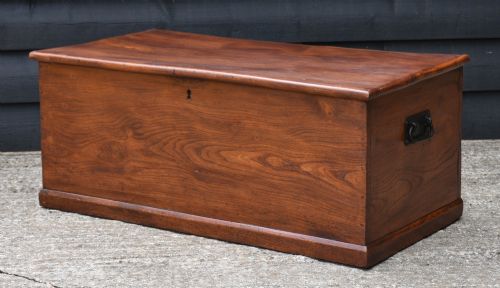
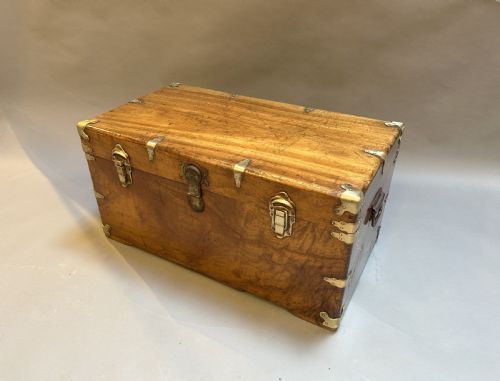
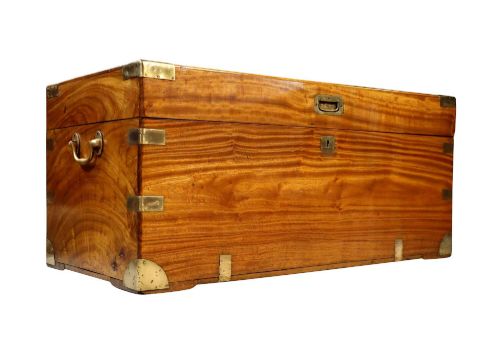
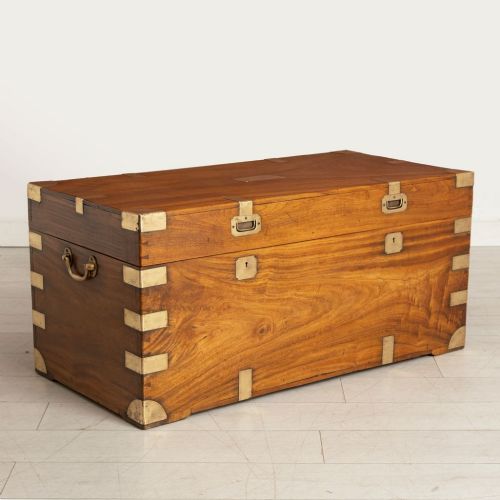
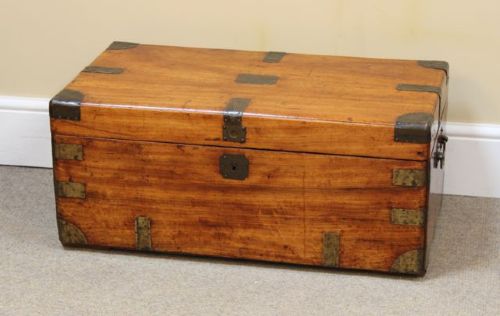
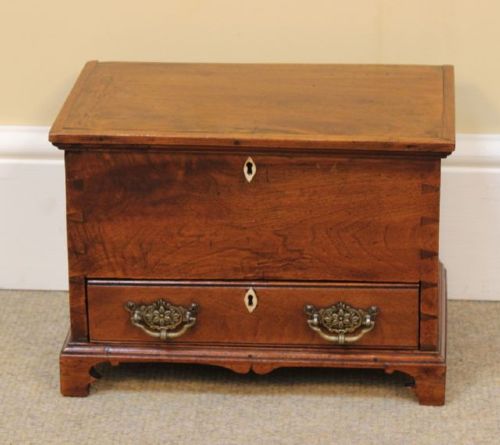
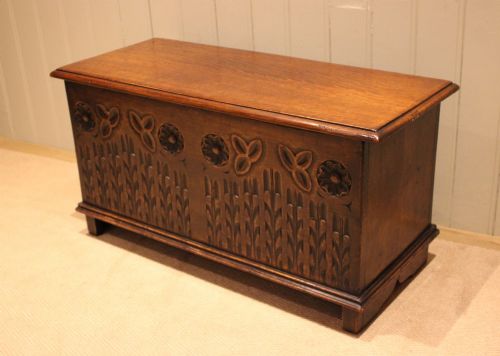
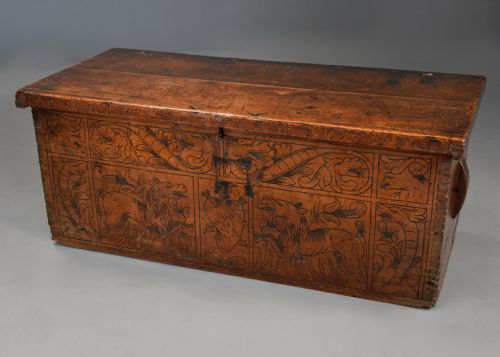
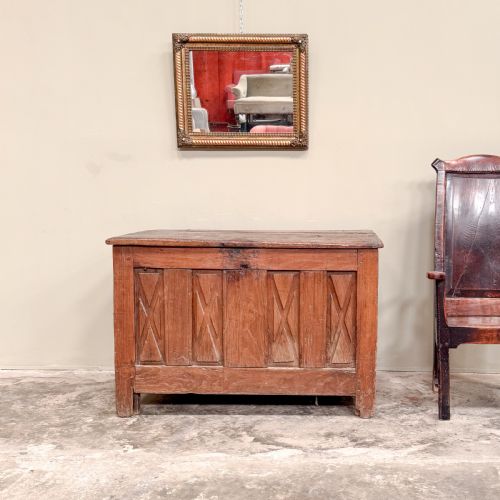
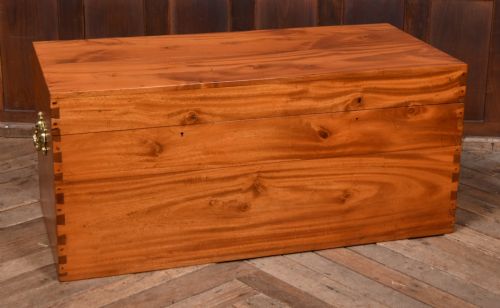
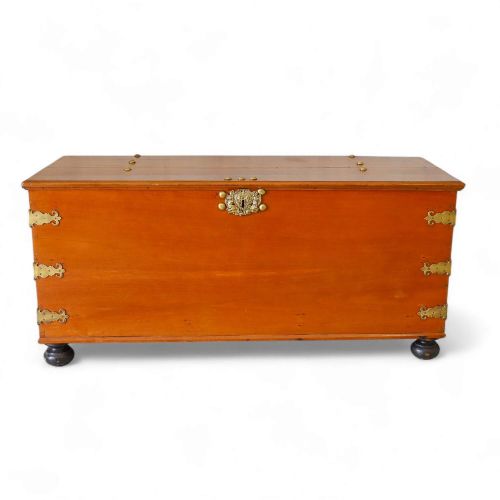
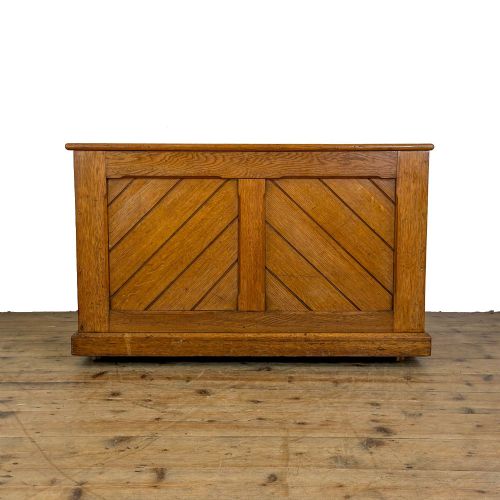
A warm brown blanket box is a practical and enduring storage piece, and here you find examples in oak, elm, walnut and camphorwood.
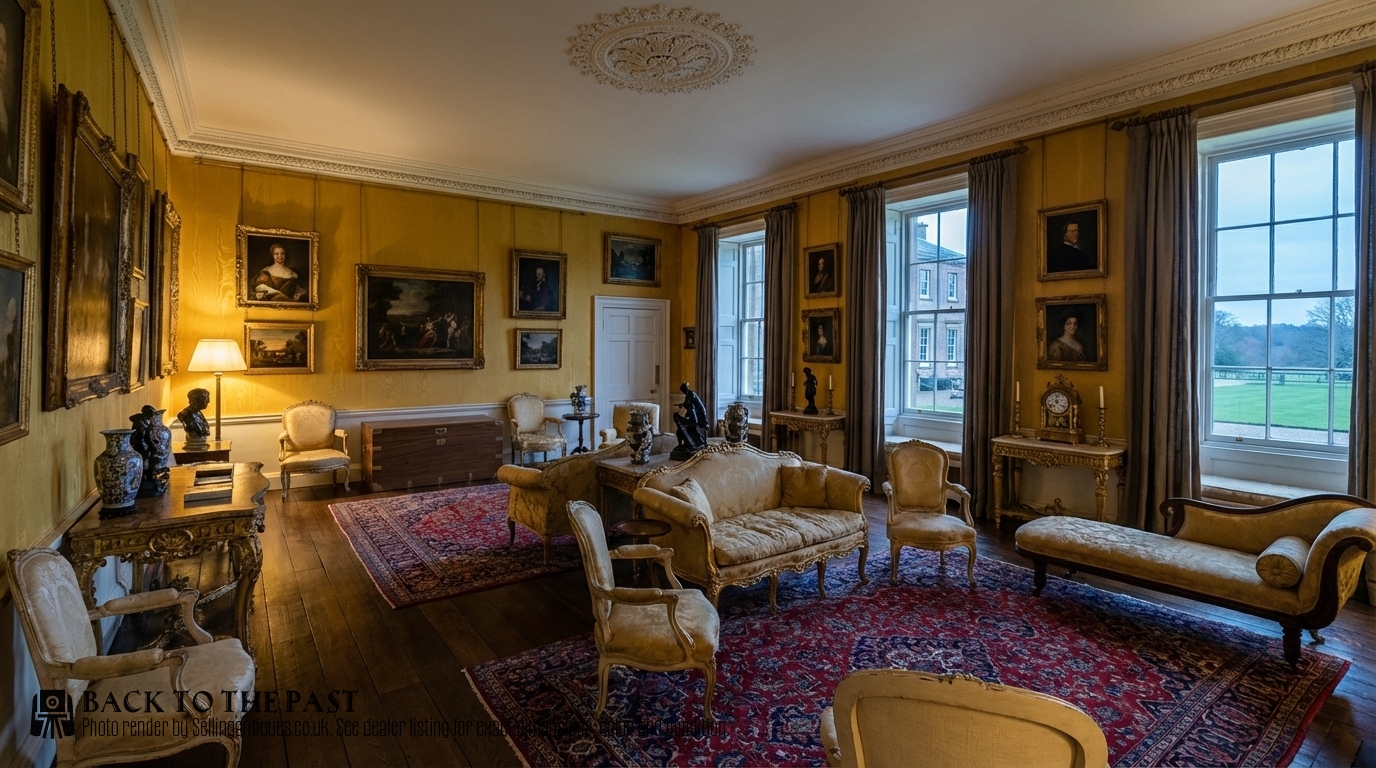
Warm Brown Blanket Box
A warm brown blanket box serves as a functional chest for bedding, clothing and household goods, appearing in various utilitarian and travel-oriented forms across the centuries. Buyers searching for a warm brown blanket box will discover domestic coffers alongside portable trunks designed for travel.
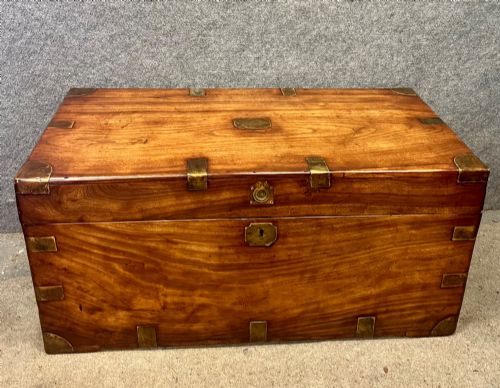
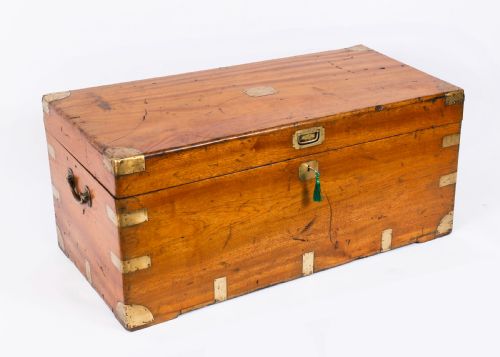
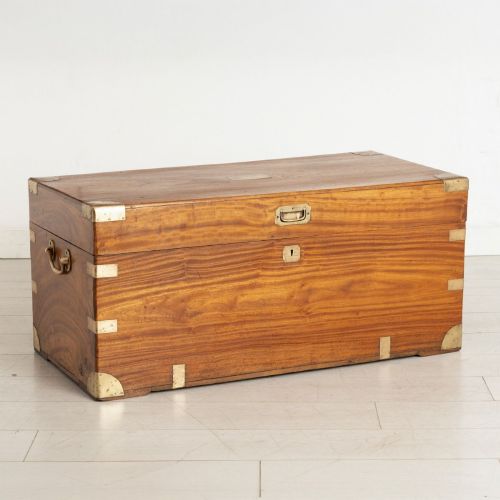
The selection ranges from early oak six-plank coffers and elm blanket chests to refined Georgian walnut pieces and Victorian campaign trunks. Camphorwood chests fitted with brass hardware represent a distinct and heavily represented group within this category.
Origins span British, European, colonial and Oriental workshops, bringing together regional timbers and distinct construction methods. Each piece reflects the functional demands of its original context, whether for domestic storage or military transit.
How they were made
Cabinetmakers and joiners utilised solid hardwoods such as oak, elm, walnut, cherrywood and camphorwood to build these storage pieces. Construction methods range from simple plank assembly joined with pegged mortise and tenon joints to dovetailed boxes designed to withstand movement.
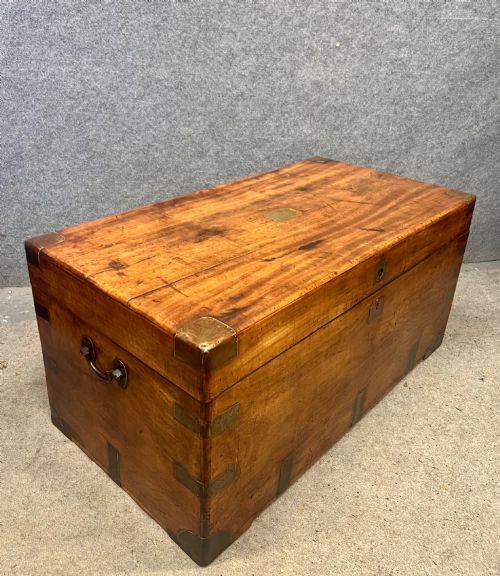
Campaign and travel trunks incorporate durable brass bindings, recessed handles, and corner brackets to protect the timber during transit. Surface finishes rely on natural grain patination, occasional hand-carving, and historical painted details rather than heavy modern varnishes.
Regional styles include Victorian campaign, Georgian, French provincial, colonial campaign, and Anglo-Indian designs.
What varies in quality
Quality rests in the selection of timber, the integrity of the original construction, and the preservation of surface patination over time. Dense, well-figured woods and robust joinery distinguish finer workshop output from simpler vernacular furniture.
The completeness of original brass hardware, locks, and fitted interior compartments significantly elevates a piece. Alterations to hinges, replacement boards, or stripped surfaces alter the character and historical standing of the trunk.
The Warm Brown Blanket Box Glossary
- Campaign trunk
- A portable chest built in sections with recessed brass fittings, designed for military officers on the move. These pieces prioritise rugged portability.
- Coffer
- A heavy wooden box with a lid, traditionally used for storing valuables or textiles. Early examples often feature basic six-plank construction.
- Mule chest
- A drawer-fitted storage chest that bridges the form between a simple box and a chest of drawers. They frequently include a lower drawer beneath the main compartment.
- Patina
- The deep surface sheen developed by timber through age, handling, and waxing. It indicates long-term use and care.
- Dovetail
- A joint formed by interlocking wedge-shaped fingers, used to connect the corners of a box securely. Fine dovetailing indicates skilled cabinetwork.
Warm Brown Blanket Box: Frequently Asked Questions
What is a campaign trunk?
A campaign trunk is a portable storage chest constructed for military officers and travellers during the eighteenth and nineteenth centuries.
These pieces feature protective brass corners, strapwork, and recessed carrying handles to withstand frequent transit.
Why use camphorwood for boxes?
Camphorwood was selected for travel chests and blanket boxes due to its natural aromatic qualities, which deter insects and moths.
The dense, richly grained timber also provides durable protection for textiles stored within humid climates.
How old is an oak coffer?
Early oak coffers often date from the seventeenth century and earlier, constructed using heavy pegged timbers and basic plank assembly.
Later Victorian and Arts and Crafts examples revived these traditional woodworking methods for domestic interiors.
Where should I place a blanket box?
A blanket box functions effectively at the foot of a bed, in a hallway, or as a living room coffee table with internal storage.
Keep wooden chests away from direct heat sources and strong sunlight to protect the natural timber finish.