
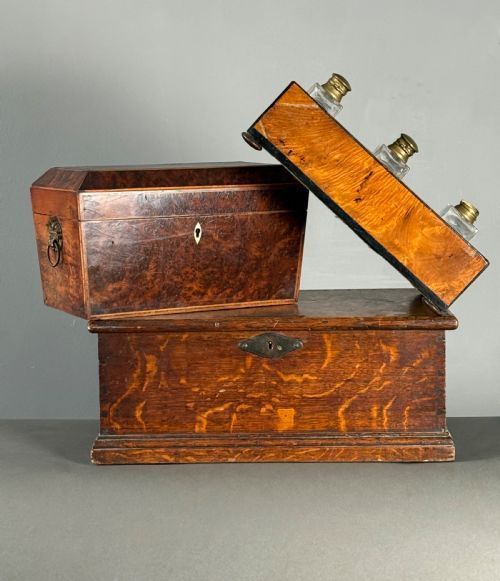
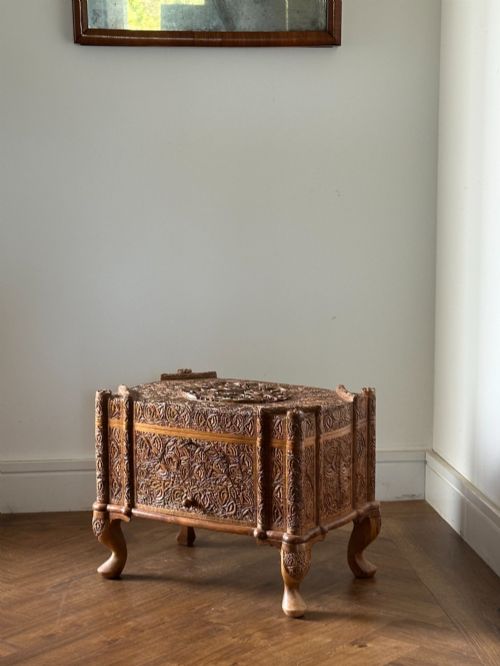
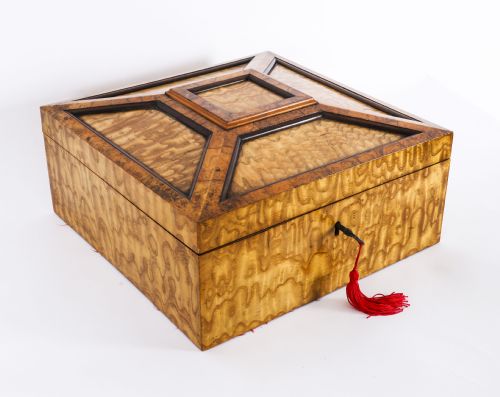


Walnut Wood Keepsake Box
These walnut wood keepsake box examples offer enduring craftsmanship in figured timbers, holding letters and small treasures securely.
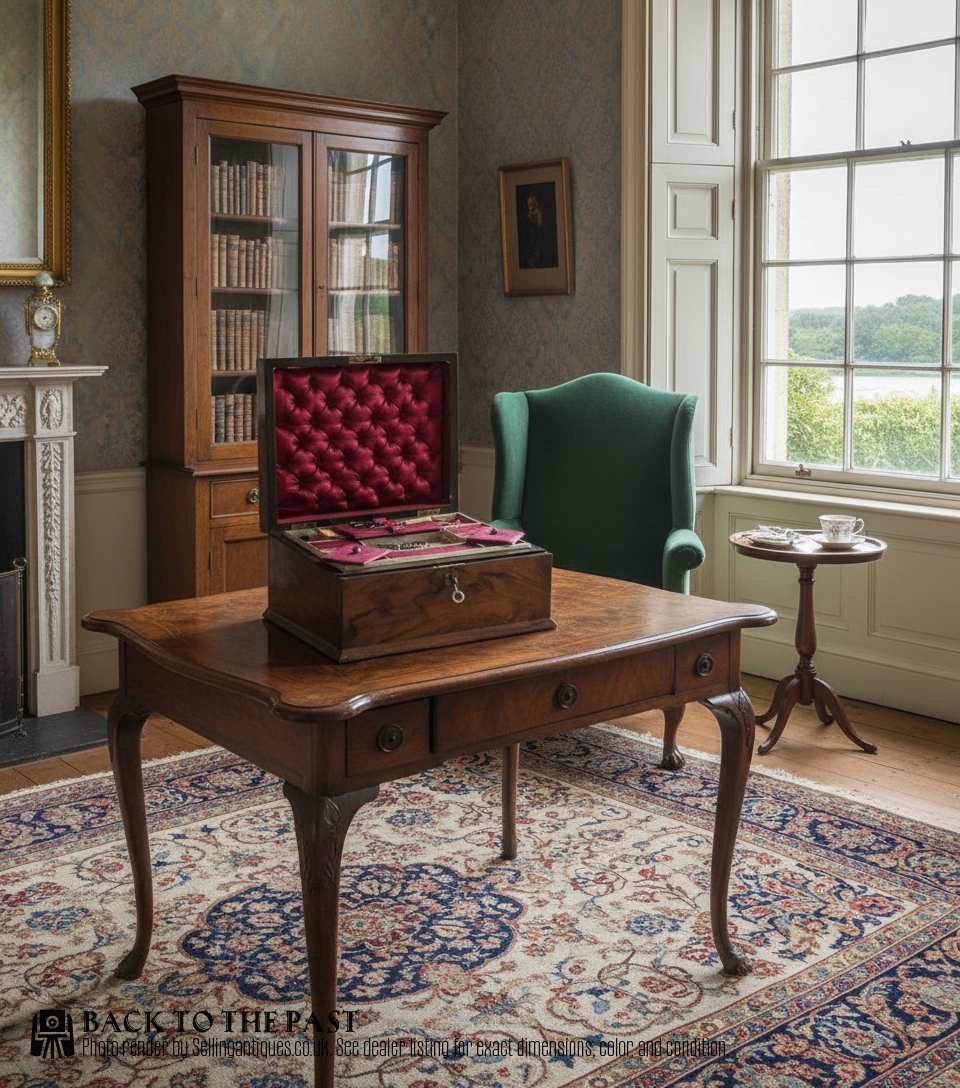
Walnut Wood Keepsake Box
A walnut wood keepsake box represents a portable receptacle for letters, trinkets, and personal valuables, fashioned in various regional workshops. Collectors encounter numerous examples originating from the Victorian era alongside earlier eighteenth-century and nineteenth-century specimens.
The objects take several distinct forms, including jewellery chests, tea caddies, games boxes, and decorative caskets. Surviving pieces demonstrate the diverse styles of their periods, spanning Georgian simplicity, Victorian parquetry, and Black Forest carving.
Makers utilised the rich grain of the timber to create striking decorative surfaces on the lid and sides. Buyers searching for a walnut wood keepsake box will find items ranging from small trinket boxes to substantial table desks.
How they were made
Craftsmen built these containers using solid timber carcases overlaid with figured walnut veneers, burr walnut, and occasionally fruitwood or mahogany. The natural figuring of the grain dictated the visual appeal, often enhanced by contrasting stringing in boxwood or ebony.
Surface decoration frequently incorporated intricate techniques such as parquetry, Sorrento marquetry, and Tunbridge Ware mosaic detailing. Hardware components typically comprised brass hinges, locks, and escutcheons, securing the lid and interior compartments.
The listings span multiple centuries, incorporating seventeenth-century floral marquetry alongside Victorian parquetry and twentieth-century designs.
What varies in quality
The distinction between ordinary containers and superior specimens lies in the precision of the parquetry, marquetry, and wood selection. Master craftsmen chose burr walnut veneers with exceptionally vibrant patterns, aligning the grain carefully across the lid and panels.
Interior fitments, original working locks, and intact mosaic or inlaid details elevate the standing of a piece. Lesser examples display simpler construction, plain timber boards, or later replacement hardware.
The Walnut Wood Keepsake Box Glossary
- Burr walnut
- A prized veneer taken from the wart-like growths on walnut trees, yielding turbulent and highly decorative grain patterns. Cabinet makers selected these sections for the principal exterior surfaces of fine boxes.
- Parquetry
- A geometric mosaic of wood veneer arranged in repeating patterns such as cubes or herringbones. Artisans applied this technique to the lids and borders of nineteenth-century gaming and sewing boxes.
- Tunbridge Ware
- A form of British wood mosaic developed in Kent, using thousands of tiny coloured wood blocks to depict flora and geometric views. These intricate designs adorn the lids of many small Victorian trinket boxes.
- Marquetry
- The art of forming decorative pictures or patterns by applying thin veneers of different timbers to a structure. Floral motifs and architectural scenes frequently appeared on seventeenth-century and Italian Grand Tour boxes.
- Tea caddy
- A specialised container originally designed to store dry tea leaves under lock and key. These vessels share construction methods and timber choices with standard keepsake boxes.
Walnut Wood Keepsake Box: Frequently Asked Questions
What were walnut keepsake boxes used for?
These containers served to protect correspondence, jewellery, sewing implements, and small personal valuables from dust and prying eyes.
Many featured fitted compartments, lift-out trays, and secure brass locks to keep private items organised within domestic interiors.
How do I date a walnut box?
Dating relies on examining the construction methods, timber preparation, lock mechanisms, and decorative styles visible across the piece.
Victorian items often display machine-sawn elements and distinctive parquetry, whereas earlier eighteenth-century specimens show hand-planed secondary woods and simpler joinery.
How should I care for antique walnut?
Keep wooden boxes away from direct sunlight and sources of heat to prevent the walnut veneers from drying and lifting.
Applying a traditional beeswax polish occasionally helps nourish the timber and maintain a soft, protective sheen on the surface.