


Walnut Wood Cabinet
These walnut wood cabinet pieces bring rich grain and historical utility to any room, offering versatile storage across diverse periods.
Walnut Wood Cabinet
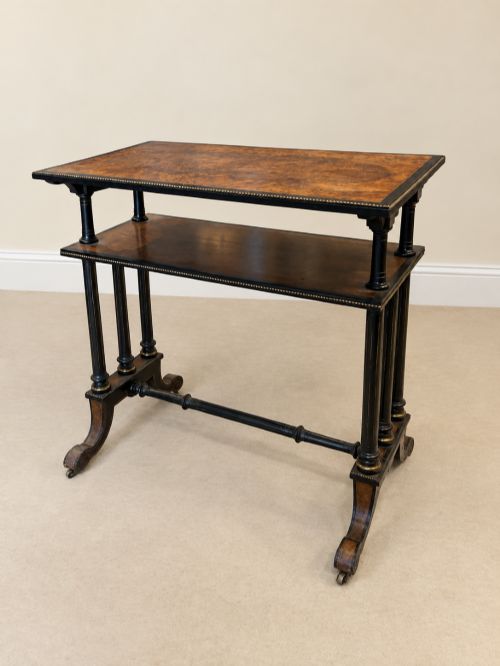
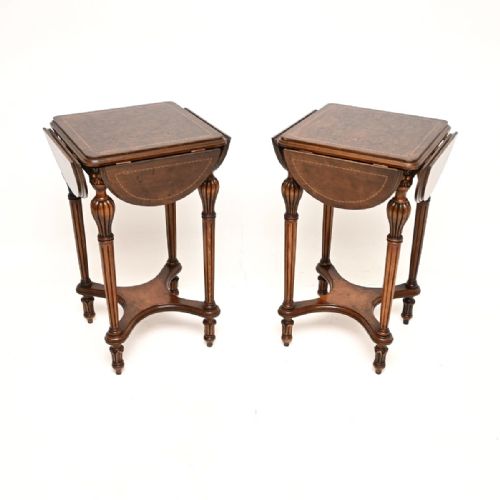
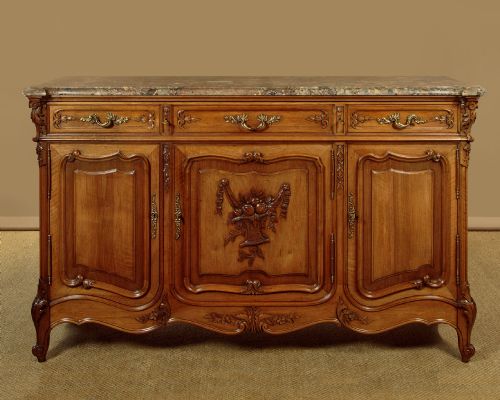
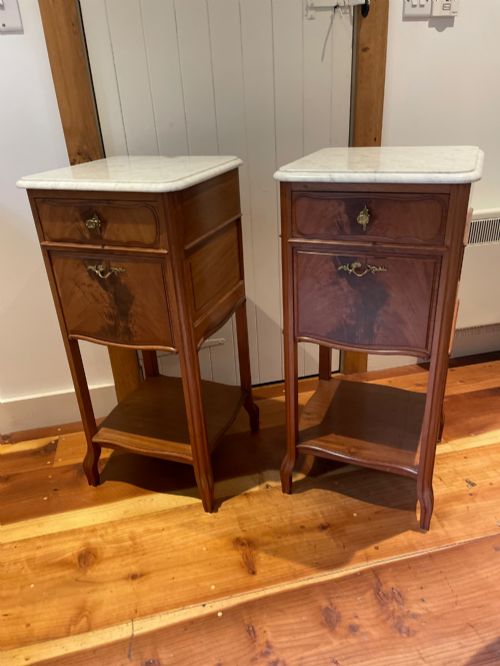
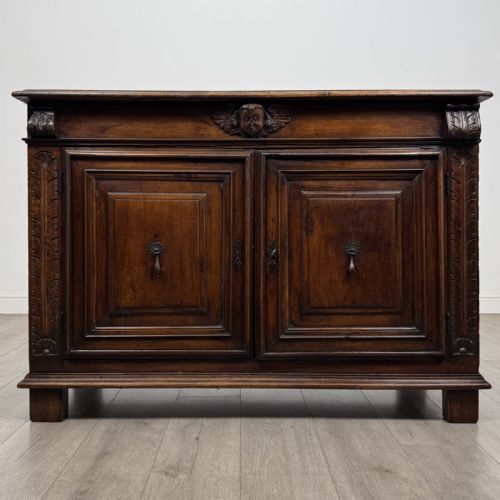
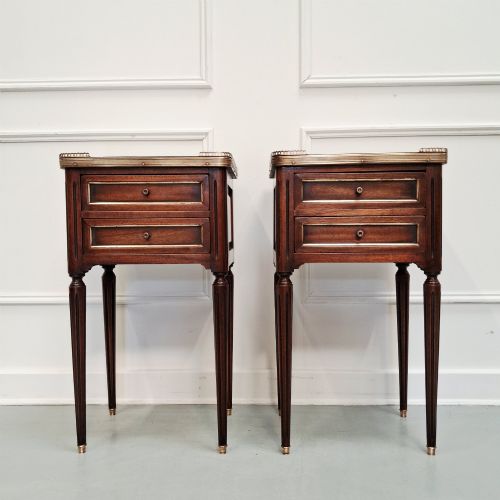
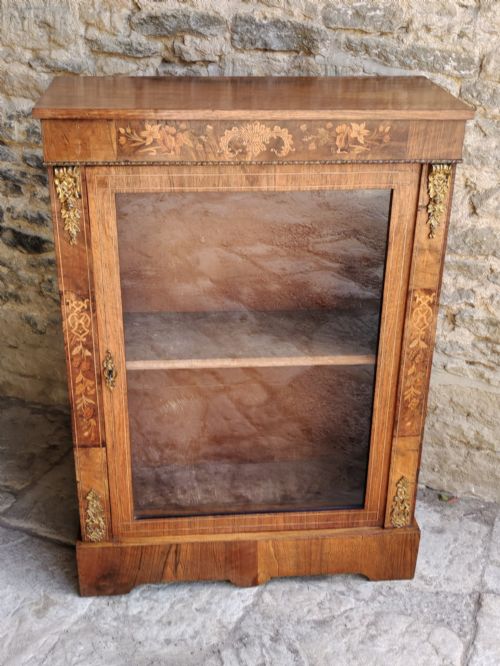
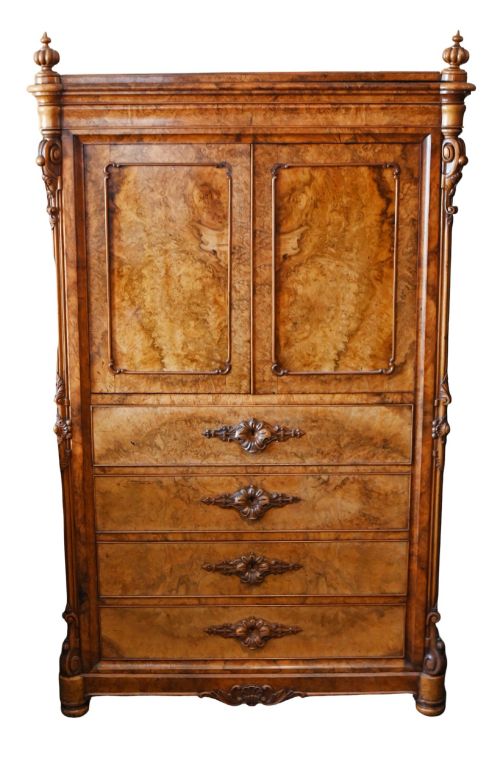
A walnut wood cabinet encompasses a broad variety of storage and display furniture, spanning from compact bedside tables to expansive breakfront bookcases. When searching this phrase, buyers encounter numerous forms including sideboards, corner cabinets, commodes, and music cabinets.
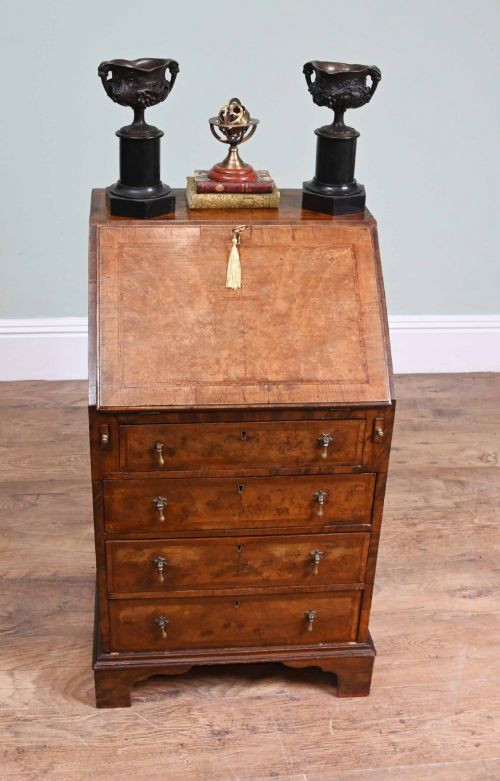
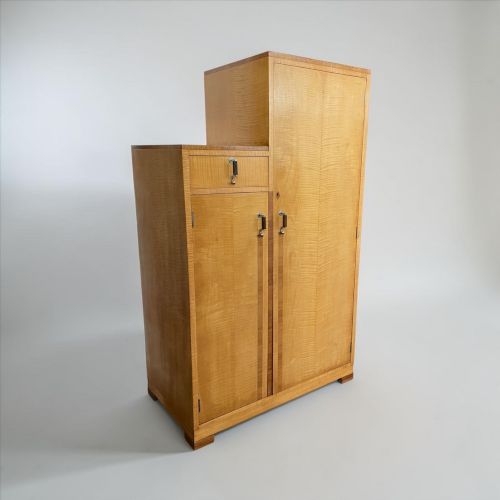
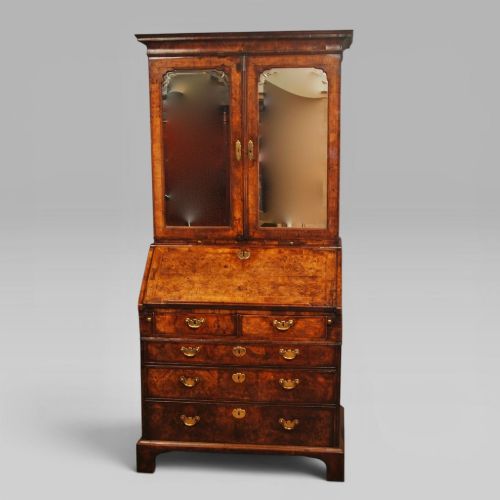
The selections originate across several distinct eras, notably the Victorian period, Edwardian epoch, and the Art Deco style of the nineteen-thirties. Pieces range from serpentine sideboards to refined bureau bookcases, reflecting the changing domestic requirements of their respective centuries.
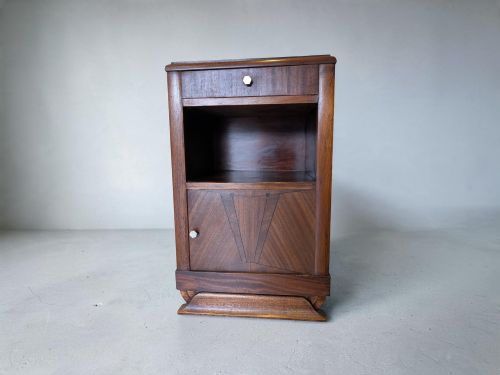
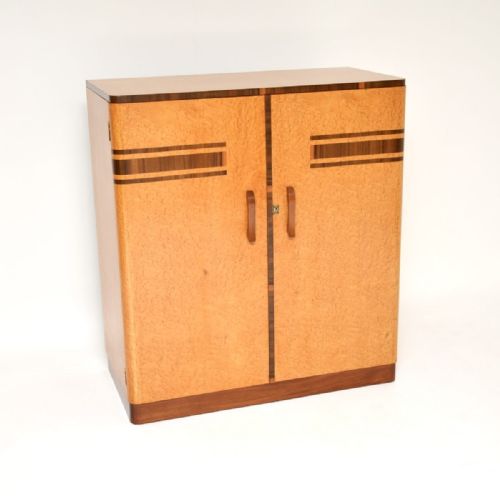
Victorian and Edwardian iterations frequently showcase inlaid details and mirror doors, whilst nineteen-thirties examples lean towards figured veneers and clean geometric lines. French Provincial and Queen Anne Revival influences also appear, demonstrating a wide geographical reach in design.
How they were made
Cabinet makers utilised solid walnut alongside highly figured burr walnut veneers to achieve striking surface patterns. Secondary woods and fruitwood often formed the internal carcase construction.
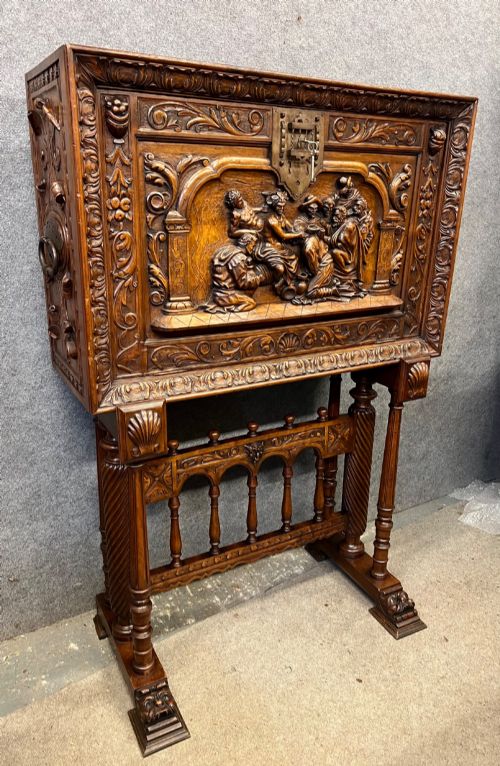
Decoration relied heavily on marquetry inlay, carved panels, and pierced fretwork, complemented by cast brass mounts and ormolu. Glass panels were integrated into display cabinets and bookcases to showcase contents.
Walnut Wood Cabinet Retail Price Guide 2026
Typical asking prices for walnut wood cabinet among the pieces listed under this phrase on Sellingantiques today, from the lower quarter to the upper quarter. They describe what is for sale here now, not the wider market.
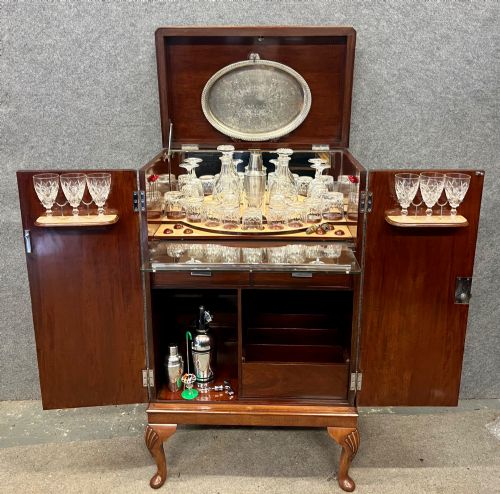
Several cabinets feature dedicated compartments for sheet music and cocktail shakers, proving that past generations knew how to party in style.
What varies in quality
Quality rests significantly on the selection and matching of walnut veneers, where symmetrical burr patterns indicate superior craftsmanship. The crispness of hand-carving and the precision of marquetry inlay further distinguish finer examples from standard production.
Structural integrity reveals itself in the dovetailing of drawers, the smoothness of door alignment, and the original condition of brass hardware. Exceptional pieces maintain cohesive period details, such as matching claw and ball feet or intact fretwork.
Gabriel Viardot
The Walnut Wood Cabinet Glossary
- Burr walnut
- A figured wood grain obtained from tree growths, highly prized for its swirling patterns on cabinet doors and tabletops. It requires skilled veneer work to apply evenly.
- Credenza
- A low dining room sideboard or cabinet, frequently featuring glass doors and decorative inlays. Victorian versions often include elaborate marquetry.
- Breakfront
- A piece of furniture where the central section projects forward from the flanking sections. This configuration adds architectural depth to large bookcases and sideboards.
- Marquetry
- The art of applying pieces of veneer to a structure to form decorative patterns and pictures. Craftsmen utilise various coloured woods to achieve pictorial depth.
- Whatnot
- An open set of shelves used for displaying ornaments, occasionally integrated with a small lower cabinet. These pieces developed notable popularity during the Victorian era.
Walnut Wood Cabinet: Frequently Asked Questions
What periods do these cabinets represent?
The available selection spans several centuries, encompassing eighteenth-century craftsmanship, nineteenth-century Victorian and Edwardian pieces, and twentieth-century Art Deco designs. Each era brings distinct stylistic signatures to the walnut timber.
Buyers encounter everything from ornate late Victorian credenzas to streamlined nineteen-thirties bedside tables and wardrobes.
How do I choose the right size?
Measure your available floor space carefully, keeping in mind that pieces like breakfront bookcases and large sideboards demand considerable clearance. Smaller options such as bedside tables and corner cabinets suit compact rooms.
Consider the interior depth of the cabinet to ensure it accommodates your intended storage needs, whether for books, crockery, or general items.
How should I care for walnut wood?
Maintain walnut furniture by keeping it away from direct sunlight and sudden temperature fluctuations, which can dry out the timber and veneer. Dust regularly with a soft, dry cloth.
Apply a quality beeswax polish occasionally to nourish the grain and preserve the finish without creating a heavy buildup.
Are these pieces purely decorative?
While these cabinets serve as strong visual focal points, they were built for practical storage. Interiors feature shelves, drawers, or hanging space depending on the specific form.
Items like cocktail cabinets, music cabinets, and chests of drawers continue to offer functional utility in modern homes.