





Walnut Vase Back Chair
A walnut vase back chair offers timeless elegance, pairing rich timber with a distinctive shaped splat for your dining room or study.
Walnut Vase Back Chair
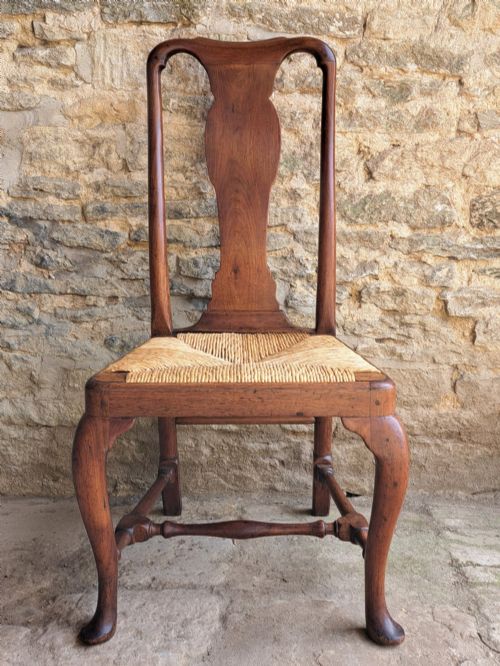
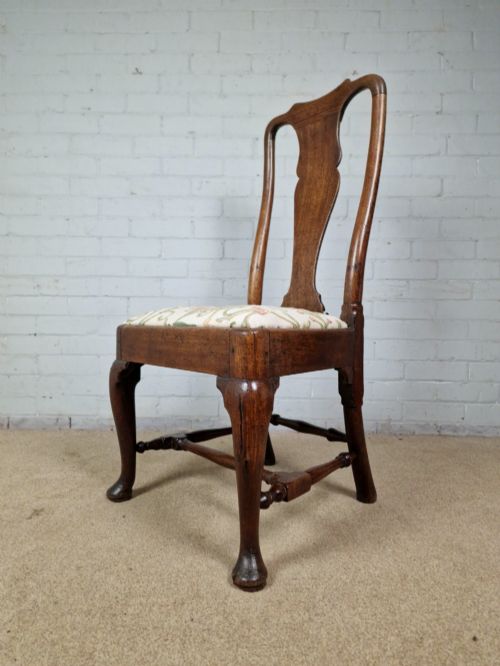
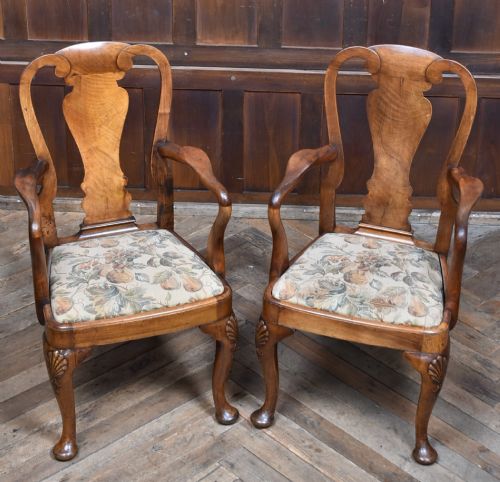
When you search for a walnut vase back chair, you encounter seating built around an instantly recognisable silhouette defined by a central vertical splat shaped like a vase. These pieces appear across several distinct periods, most notably from the eighteenth century alongside later revivals from the Victorian era and the early twentieth century.
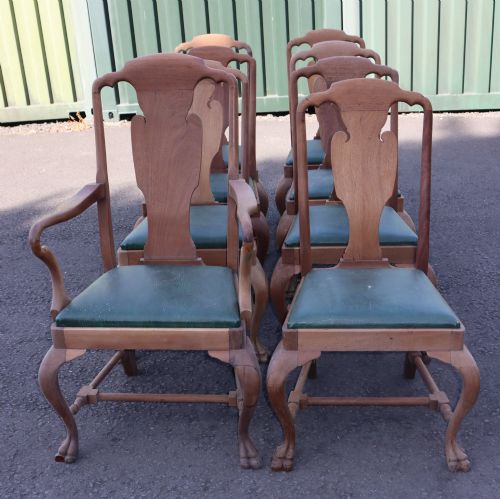
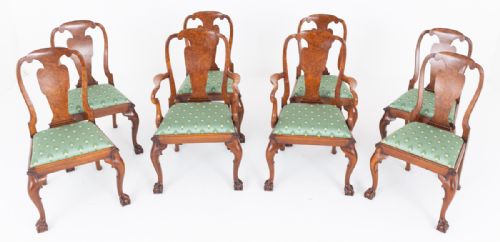
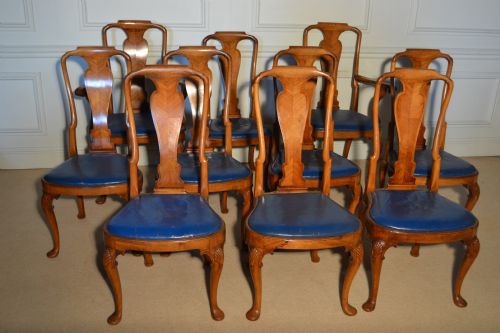
The forms on this page range from single side chairs and armchairs to large dining sets and desk chairs. You will find examples finished with upholstered seats in fabric, leather, velvet, textile, and rush, reflecting both original period production and subsequent revivals.
How they were made
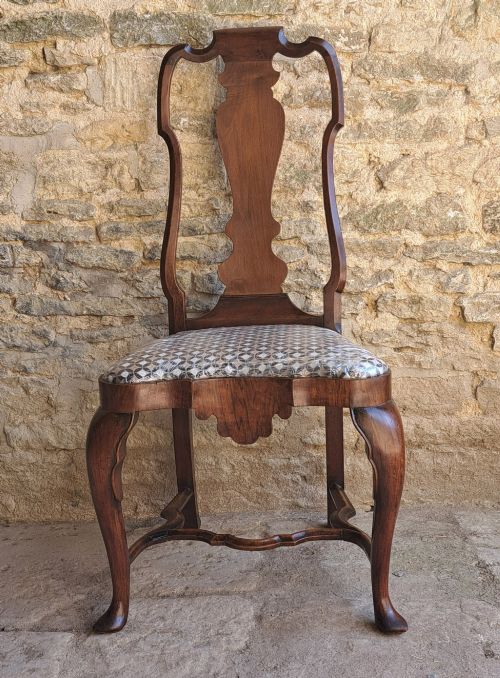
These chairs rely primarily on walnut and burr walnut timbers, valued for their deep grain and rich colour. Workshops shaped the defining vase-shaped splat and cabriole legs from solid wood, often applying fine veneer surfaces to flat panels.
Upholstery techniques varied by era, integrating drop-in seats covered in fabric, leather, velvet, and rush. Artisans secured these textiles over padded frames, while specific regional pieces utilised intricate Dutch marquetry inlay directly into the timber.
Walnut Vase Back Chair Retail Price Guide 2026
Typical asking prices for walnut vase back chair among the pieces listed under this phrase on Sellingantiques today, from the lower quarter to the upper quarter. They describe what is for sale here now, not the wider market.
Some Dutch marquetry chairs feature floral inlay so elaborate that the walnut grain has to work hard just to keep up.
What varies in quality
The choice of timber creates a fundamental distinction in quality, moving from plain walnut to highly figured burr walnut veneers. The depth and execution of the grain pattern directly influence the visual impact of the chair.
Construction details also separate the output of different workshops, seen in the proportion of the vase splat and the fluid curve of the cabriole legs. Early eighteenth-century originals demonstrate hand-shaped joinery, whereas revival pieces from the twentieth century reflect the manufacturing standards of their respective decades.
Charles Tozer
The Walnut Vase Back Chair Glossary
- Vase splat
- The central vertical wooden piece in the backrest, shaped to resemble the profile of a classical vase. This component provides both structural support and the primary decorative motif.
- Cabriole leg
- A furniture leg that curves out at the knee and tapers inward to an ankle, typically ending in a pad or foot. This form is characteristic of eighteenth-century design.
- Burr walnut
- A specialised wood cut from walnut tree growths, yielding a swirling, highly figured grain pattern. It was frequently utilised for decorative veneer work on high-status furniture.
- Marquetry
- The art of applying pieces of veneer to a structure to form decorative patterns or pictures. Dutch examples often display intricate floral motifs executed in this technique.
- Drop-in seat
- A removable seat frame upholstered separately before being dropped into a recess in the chair rails. This construction method simplifies recovering and maintenance.
Walnut Vase Back Chair: Frequently Asked Questions
How do I date a walnut chair?
Dating a walnut chair involves examining the timber selection, construction methods, and overall proportions. Eighteenth-century originals show hand-tooled joinery and period-specific leg forms, while twentieth-century revivals often display standardised manufacturing marks.
Comparing the upholstery style and secondary woods also helps establish whether a piece belongs to the original Georgian era or later nineteenth and twentieth-century revivals.
Are these chairs comfortable for daily use?
Many of these chairs offer practical seating for daily dining or desk work, provided the frame remains structurally sound. The supportive vase splat and upholstered seat pad deliver a stable upright posture.
Upholstery materials range from leather and velvet to traditional rush, allowing you to select a texture suited to your intended level of use and interior scheme.
What is the difference between original and revival pieces?
Original pieces date from the eighteenth century under reigns such as Queen Anne, George I, and George II. They embody the authentic craftsmanship and material availability of that specific historical period.
Revival pieces date from later eras like the Victorian period and the nineteen-twenties or thirties. They imitate the earlier styles using the manufacturing techniques and timber stocks of their own time.