



Antique Pad Foot Chair
An antique pad foot chair brings centuries of woodworking heritage to a room, offering the graceful stance and warm timber tones collectors prize.
Antique Pad Foot Chair
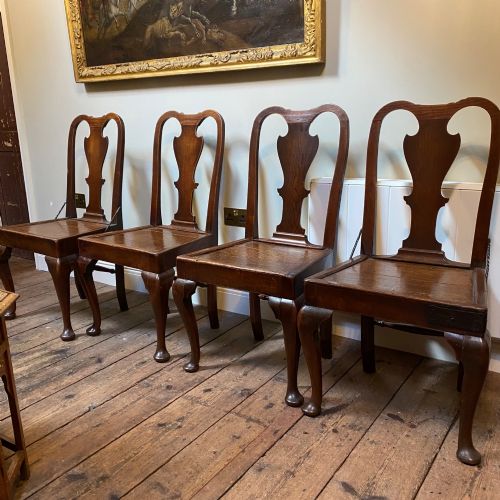
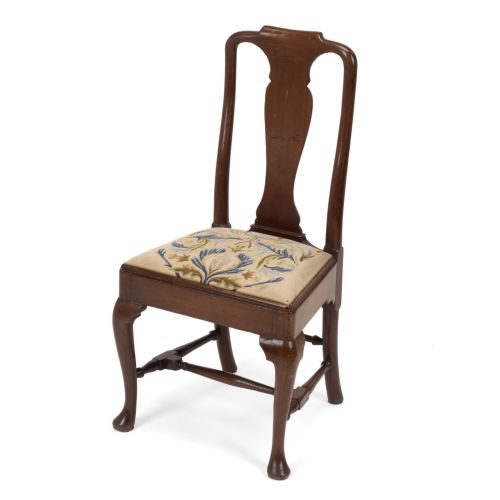
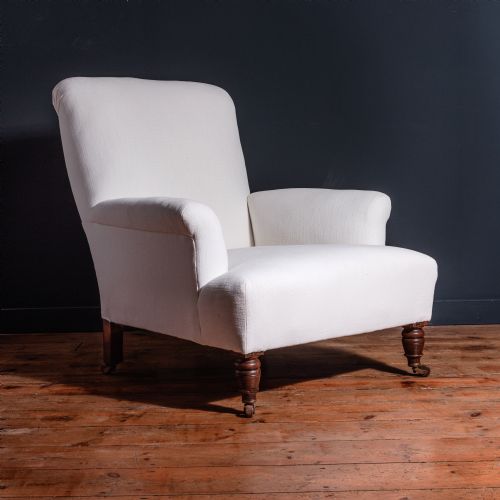
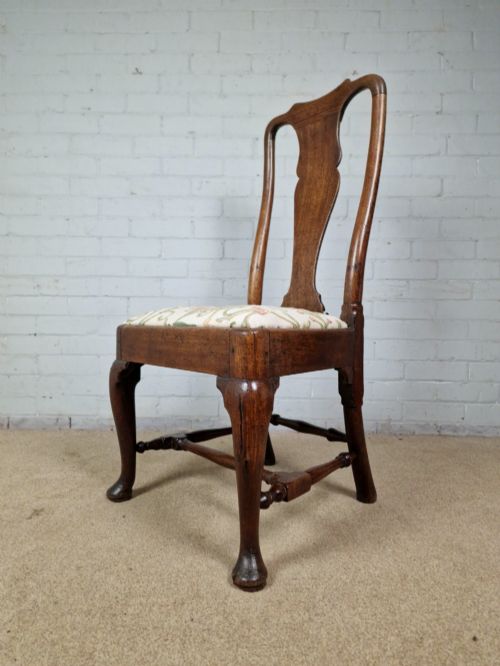
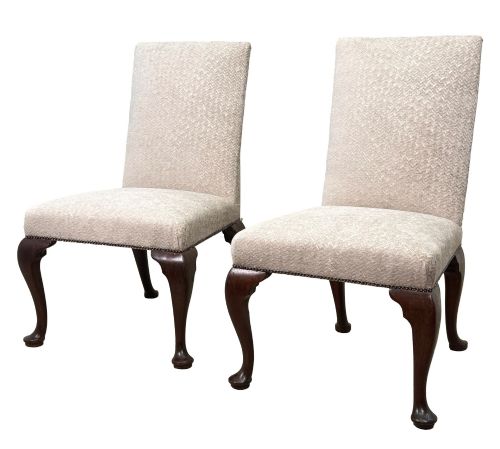
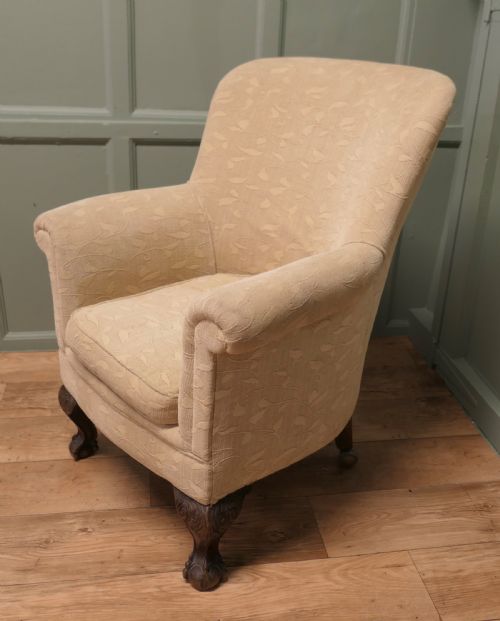
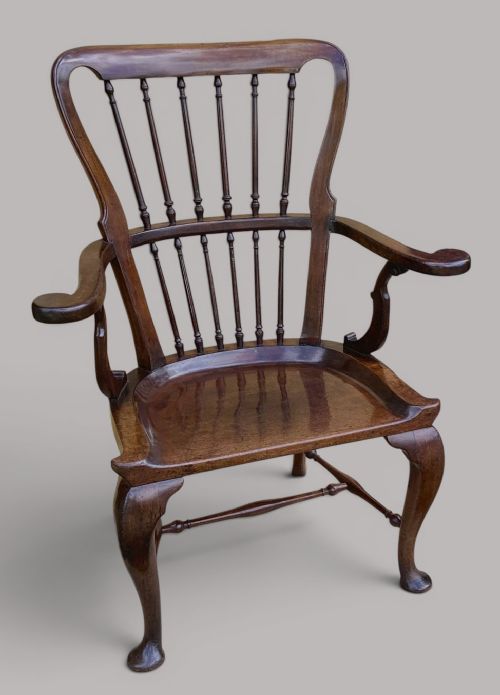
When you search for an antique pad foot chair, you encounter forms ranging from early eighteenth century dining chairs and side chairs to study armchairs and occasional tub chairs. The selection spans distinct eras, including the Georgian and Victorian periods, alongside later twentieth century revival interpretations.
The prevailing examples on this page reflect formal seating from the eighteenth century, particularly walnut and mahogany side chairs and armchairs built in the Queen Anne and George II styles. Buyers will also find nineteenth century variants, including Irish red walnut side chairs and X framed stools.
Makers and craftsmen utilised traditional hardwood construction to create sturdy seating suitable for dining rooms and studies. These pieces demonstrate the evolution of domestic seating through centuries of British and Irish cabinet making.
Materials and construction methods
The primary timbers recorded in these pieces are mahogany and walnut, frequently described as hard wood or red walnut. Craftsmen shaped these sturdy timbers into frames for dining chairs, side chairs, and armchairs.
Upholstery forms an essential component of many pieces, utilising fabric and textile coverings over traditional internal padding. Metal elements also appear in the construction and detailing of specific chair forms.
Antique Pad Foot Chair Retail Price Guide 2026
Typical asking prices for pad foot chair among the pieces listed under this phrase on Sellingantiques today, from the lower quarter to the upper quarter. They describe what is for sale here now, not the wider market.
Listings feature pieces spanning from the early 18th century through the Victorian era to 1920, constructed from mahogany, walnut, and hardwood.
Distinctions in quality
The distinction between standard examples and the finest pieces rests upon the crispness of timber carving and the selection of figured mahogany or walnut veneers. Superior items display harmonious proportions and balanced joinery across the frame and legs.
Originality of the timber and the retention of period upholstery treatments elevate certain pieces above later revival equivalents. The depth of the wood's patina and the integrity of the structural joints govern the standing of individual chairs.
The Antique Pad Foot Chair Glossary
- Pad foot
- A simple, rounded foot resembling a small pad resting flat on the floor, typical of early eighteenth century furniture styles. This foot form appears frequently on chairs from the Queen Anne and Georgian periods.
- Side chair
- An upright chair without arms, designed primarily for dining tables or occasional use against a wall. These chairs form a large portion of early eighteenth century seating.
- Armchair
- A seating piece featuring structural supports for the arms, often utilised in studies or as part of a larger dining suite. Examples range from George II Windsor types to nineteenth century gentleman's chairs.
- Walnut
- A dense, dark timber prized for its rich grain patterns and utilised extensively in high quality cabinet making during the seventeenth and eighteenth centuries. Red walnut variants also feature in Irish regional pieces.
- Mahogany
- A durable hardwood introduced to British furniture production during the eighteenth century, valued for its stability and deep reddish brown colour.
Antique Pad Foot Chair: Frequently Asked Questions
How do I identify a Georgian chair?
Georgian chairs are identified by their use of quality hardwoods like mahogany and walnut, alongside specific stylistic markers such as pad feet and cabriole legs. The construction methods reflect the cabinet making standards of the eighteenth century.
Examining the timber grain, joinery techniques, and overall proportion helps distinguish these pieces from later Victorian or twentieth century revival interpretations.
Where were these chairs used?
Historically, these chairs served functional roles in formal dining rooms, libraries, and private studies across British and Irish homes. Armchairs and side chairs provided everyday seating for family members and guests.
Over time, surviving examples transitioned into decorative and collector pieces displayed in modern reception rooms and hallways.
Are these chairs suitable for daily use?
Many of these sturdy hardwood chairs retain their structural integrity and can support regular use when placed in appropriate domestic settings. Careful handling helps preserve the antique timber and original upholstery.
Placing them away from direct heat sources and excessive moisture ensures the wood and fabric remain stable for years to come.