


Walnut Tripod Side Table
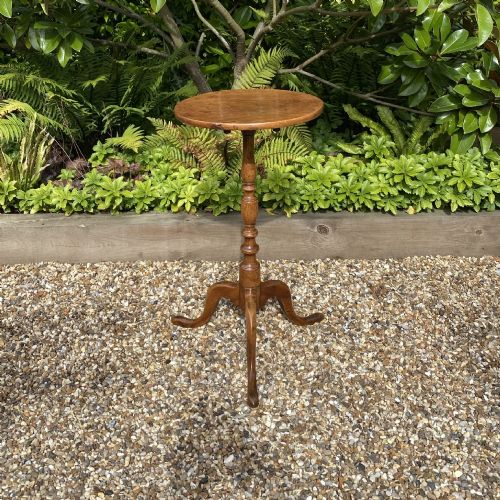
A walnut tripod side table is a practical small stand raised on three feet, prized for its versatility beside a chair or in a corner.
How they were made
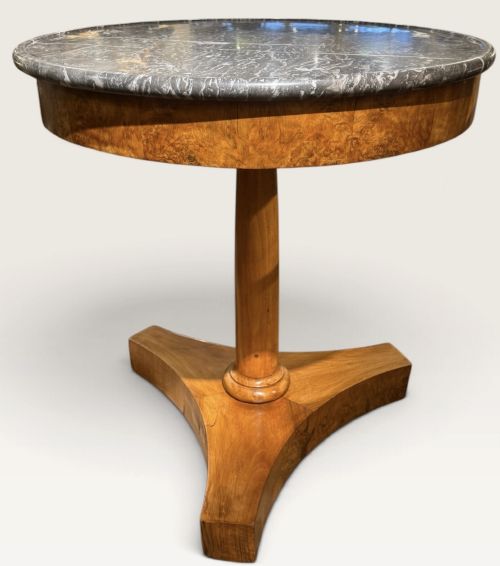
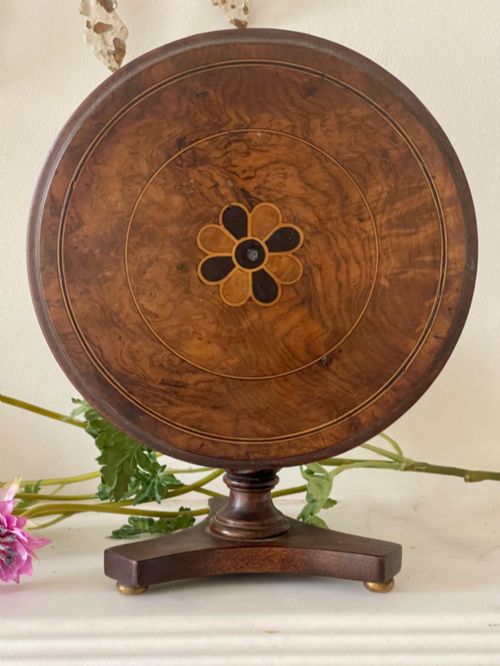
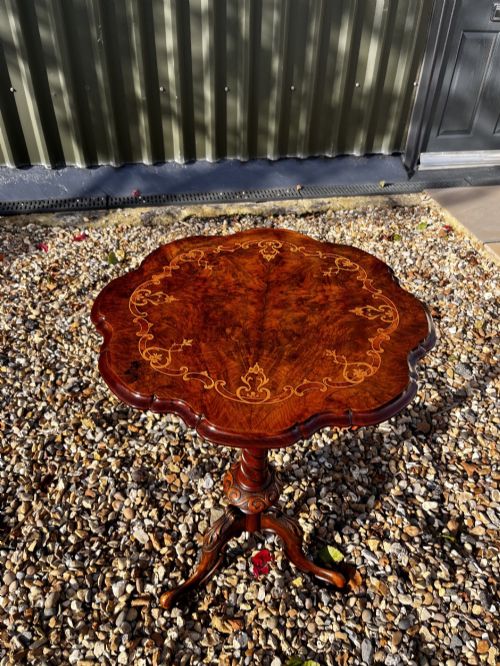
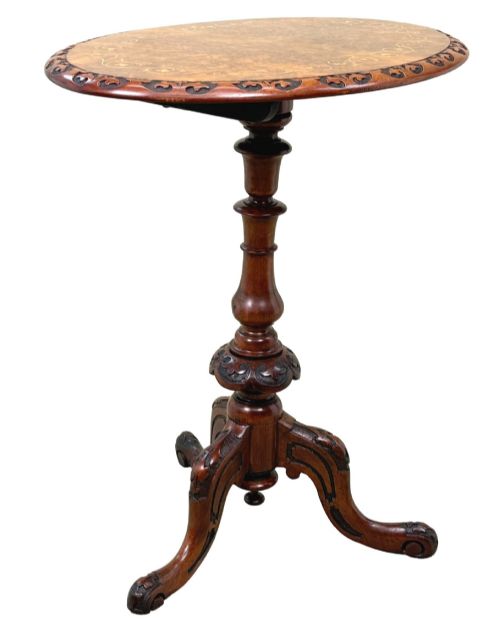
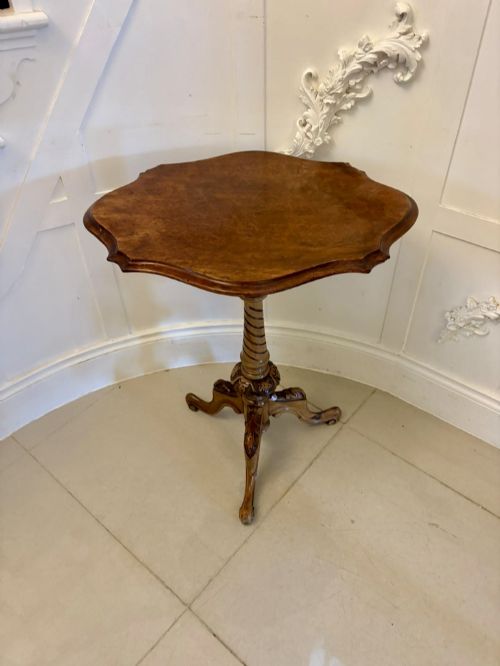
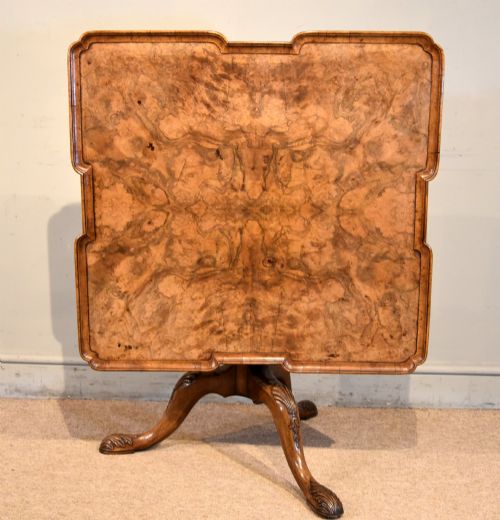
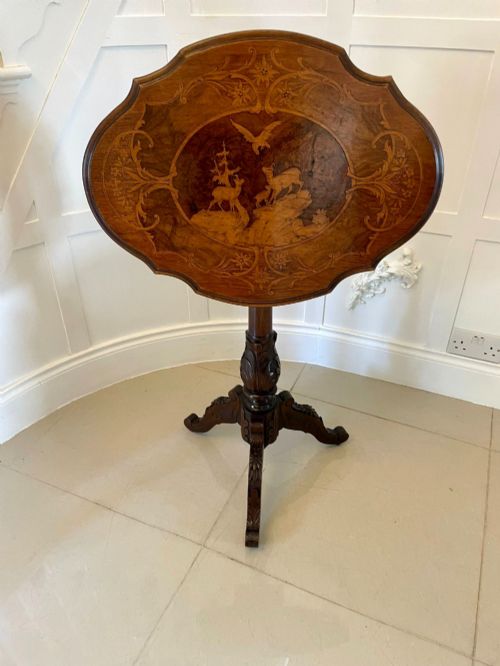
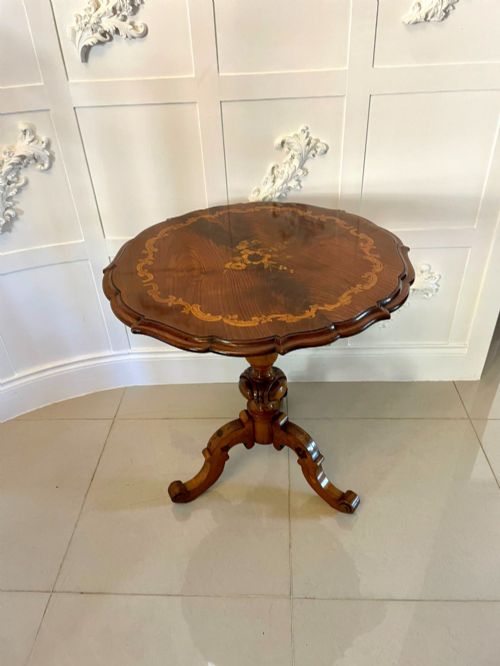
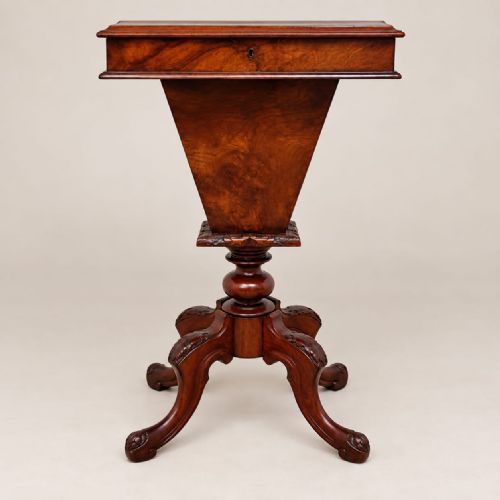
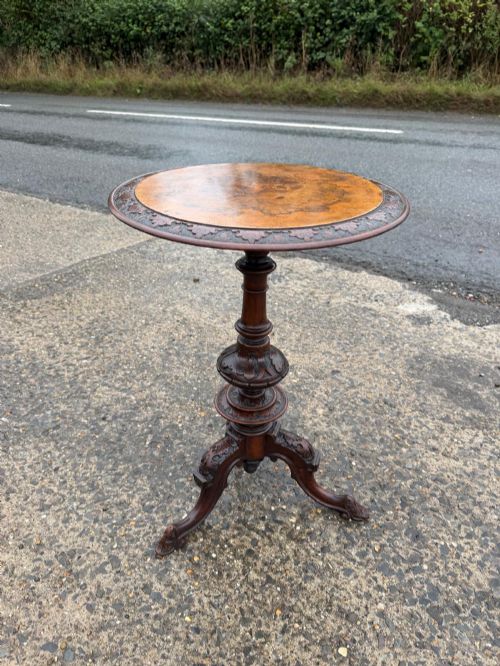
Cabinet makers utilised solid walnut or applied figured burr walnut veneers to a secondary timber base, creating rich grain patterns across the circular tops.
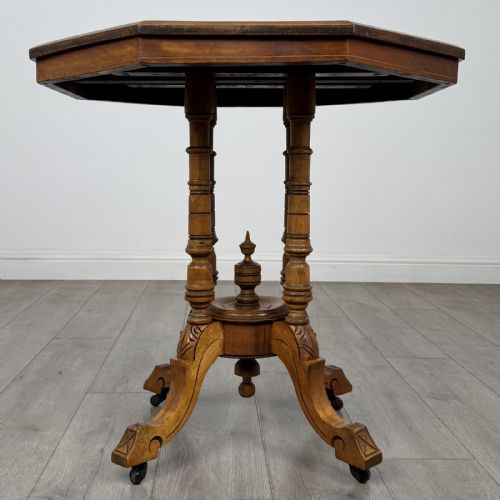
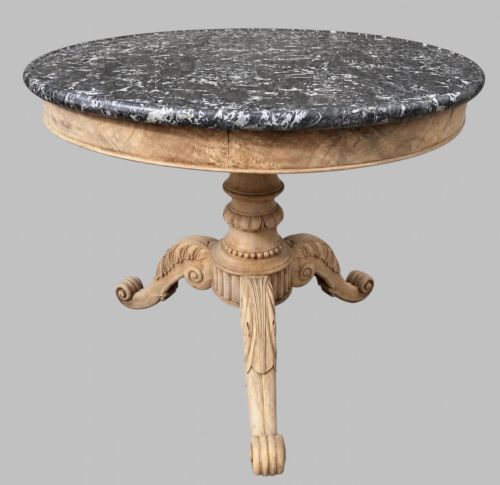
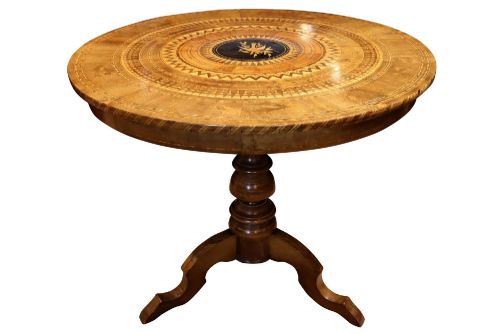
Marquetry inlay, boxwood stringing and brass details frequently decorate the surfaces, while turned pillars feature columns, bobbin turnings or barley twists above three splayed legs.
What varies in quality
The choice of timber creates the primary distinction, shifting from plain native walnut to highly figured burr walnut and intricate floral marquetry.
Construction details such as snap-top mechanisms, hand-carved tripod legs and the precision of the inlay separate standard production pieces from finer examples.
Walnut Tripod Side Table Retail Price Guide 2026
Typical asking prices for walnut tripod side table among the pieces listed under this phrase on Sellingantiques today, from the lower quarter to the upper quarter. They describe what is for sale here now, not the wider market.
Several Victorian examples include ingenious glass backs and tilting tops, designed so a tired guest could tuck the table flat against the wall.
The Walnut Tripod Side Table Glossary
- Burr walnut
- A veneer taken from the knotted growth of a walnut tree, showing swirling patterns and rich figuring. It was highly favoured for decorative table tops.
- Tripod table
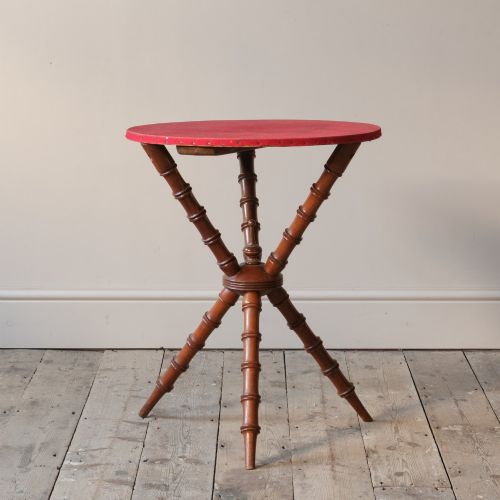
- A small freestanding table supported by a central pillar above three legs. This construction kept the table steady on uneven floors.
- Marquetry
- Patterns formed by fitting together contrasting veneers of wood or other materials. It creates pictorial or geometric designs on the table top.
- Snap top
- A tilting table top hinged to the central pillar so the table can stand flat against a wall when not in use. It is also known as a tilt-top table.
- Galleried edge
- A raised border around the perimeter of the table top, often pierced or turned. It prevents items from rolling off the surface.
Walnut Tripod Side Table: Frequently Asked Questions
What was a walnut tripod side table used for?
These small stands served multiple domestic purposes in period homes, functioning as portable surfaces for holding candles, wine glasses, or reading materials beside seating.
Later Victorian variations frequently adapted the form into chess tables with inlaid boards or decorative lamp stands for parlour corners.
How do I date a walnut tripod table?
Dating relies on observing structural characteristics, timber choices, and decorative motifs present in the construction. Georgian examples often display simpler, robust lines and solid red walnut, whereas Victorian pieces commonly feature burr veneers, marquetry, and turned pedestals.
Secondary woods and fixing methods underneath the top also help establish the approximate period of manufacture.
How do I care for a walnut surface?
Polishing the timber occasionally with traditional wax helps maintain the lustre of the walnut grain and protects the veneer from drying out.
Keeping the table away from direct sunlight and steady sources of heat prevents the wood from warping and the veneer from lifting over time.
What is the difference between a wine table and a lamp table?
Wine tables traditionally featured smaller round tops designed specifically to hold a single glass or bottle, sometimes incorporating a tilt-top mechanism.
Lamp tables offered slightly broader surfaces intended to support heavier lighting fixtures and decorative objects during the nineteenth century.