

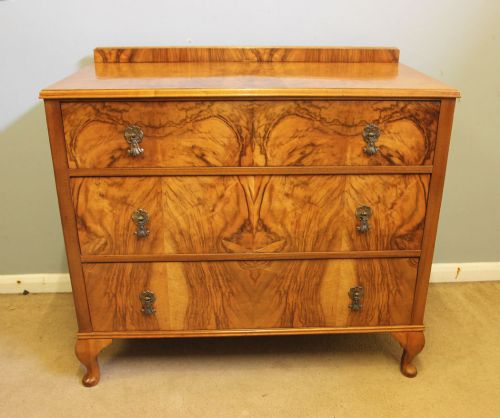
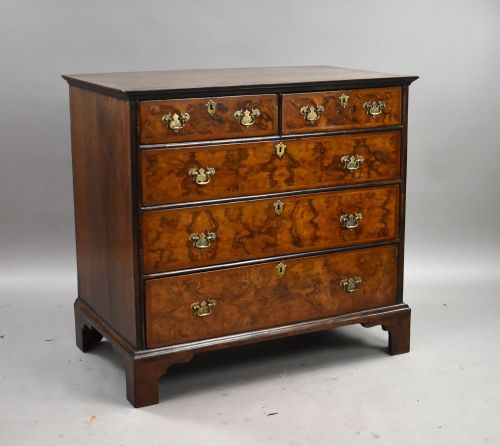
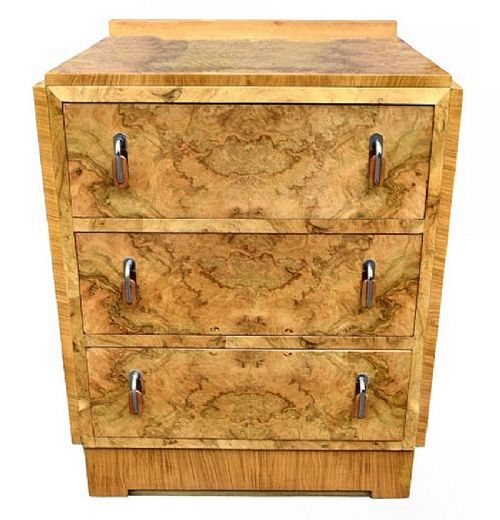

Walnut Three Drawer Chest
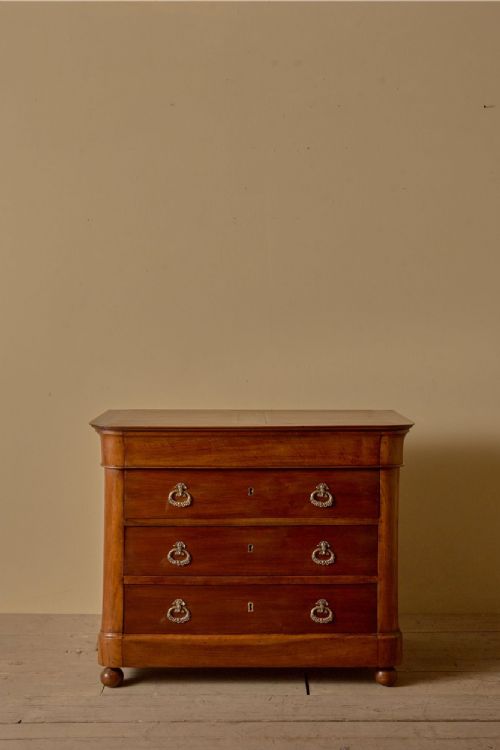
A walnut three drawer chest brings deep timber grain and practical storage to a room, ranging from compact bedside proportions to grand eighteenth-century proportions.
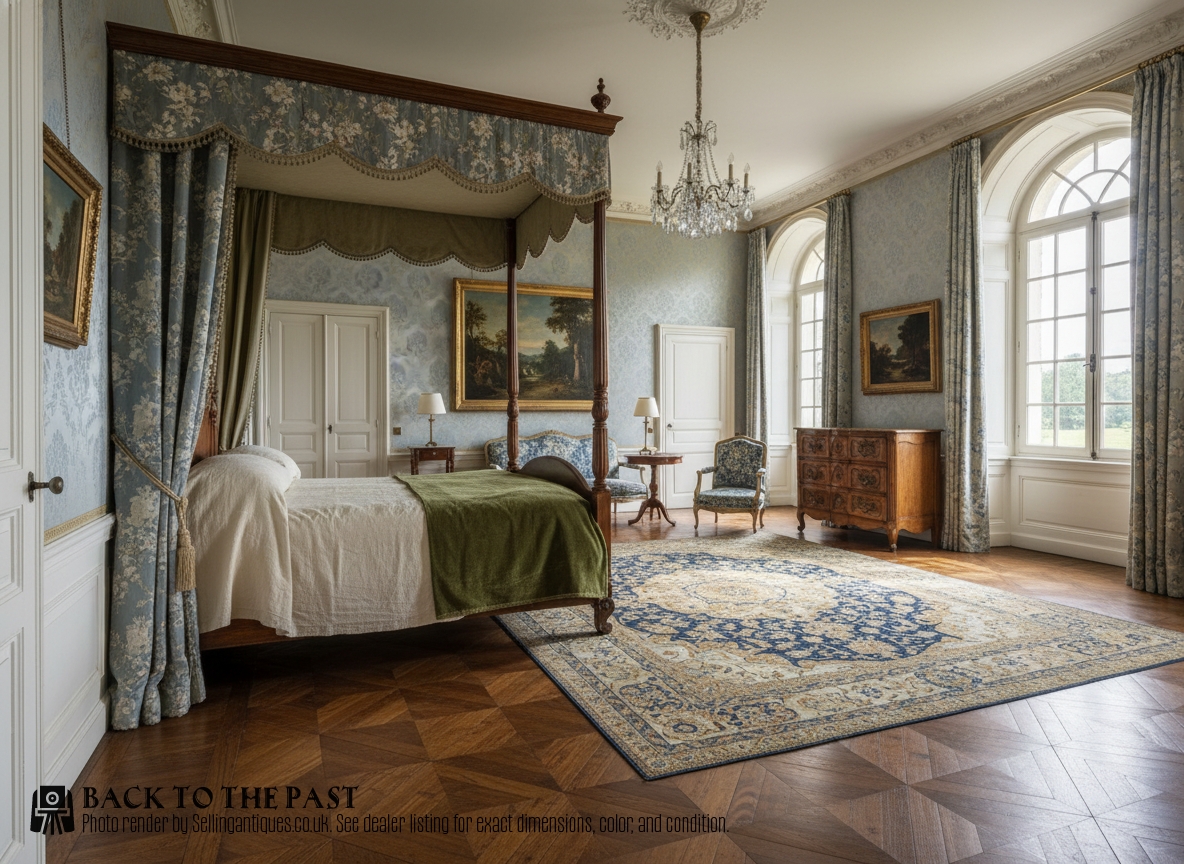
Walnut Three Drawer Chest
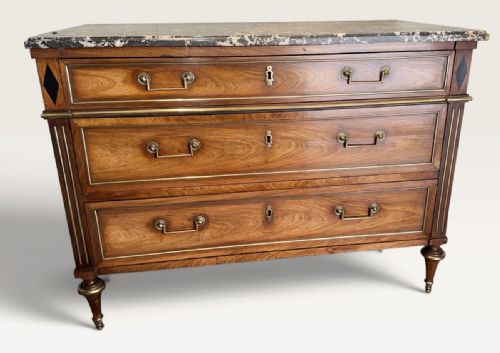
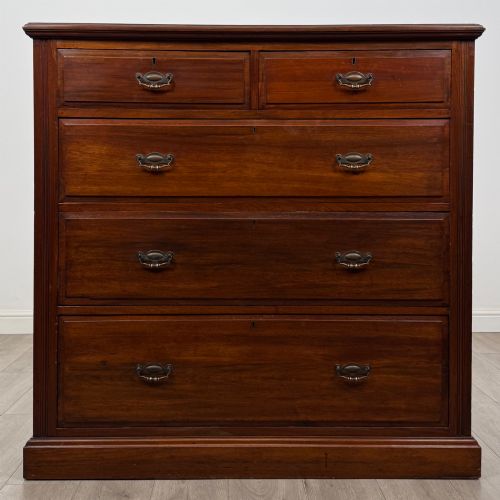
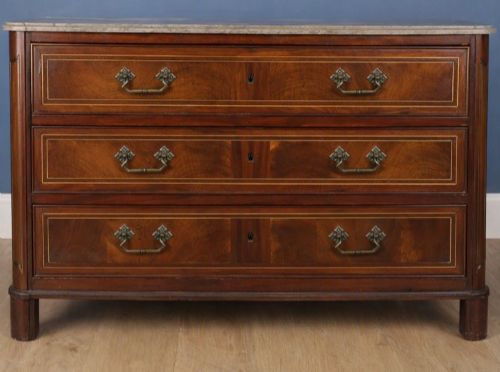
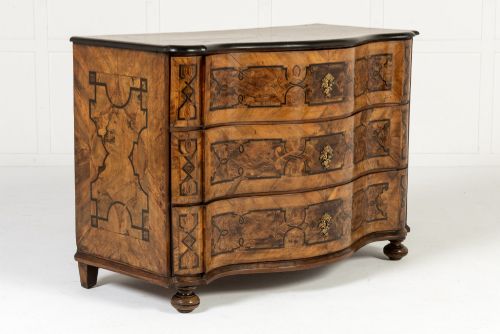
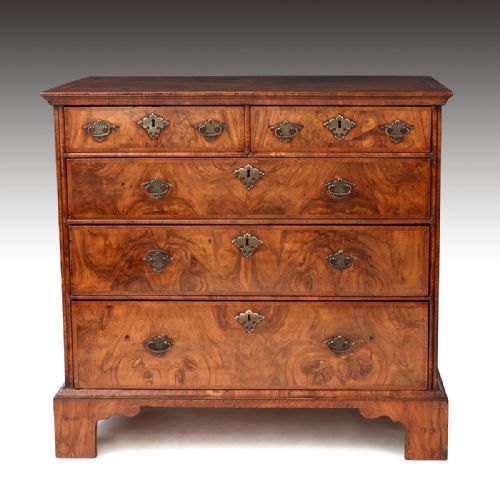
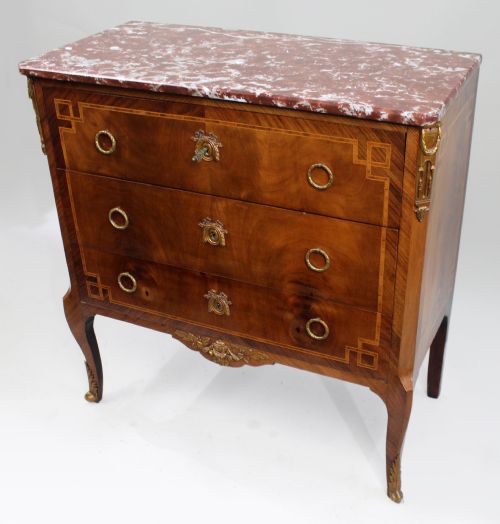
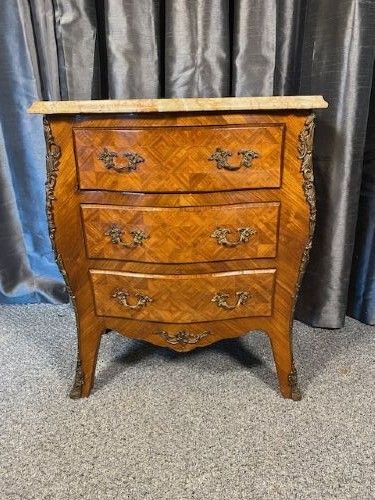
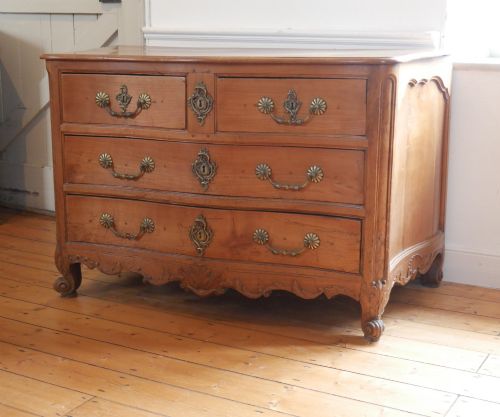
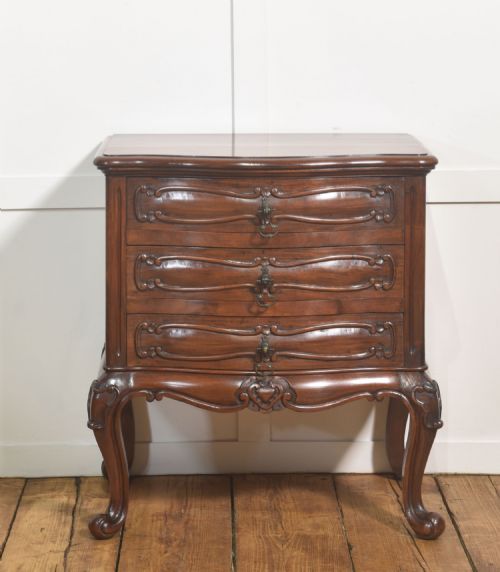
A walnut three drawer chest provides functional storage through three horizontal tiers, appearing across various historical periods from the late seventeenth century onwards. These pieces take the form of standard low chests, bedside cabinets, commodes, and serpentine or bombe shapes.
The versions most commonly met on this page span Georgian periods, eighteenth-century continental workshops, and twentieth-century revivals like Art Deco. Cabinetmakers constructed these forms using primary timbers of walnut and burr walnut, often supported by secondary woods such as oak and fruitwood.
How They Were Made
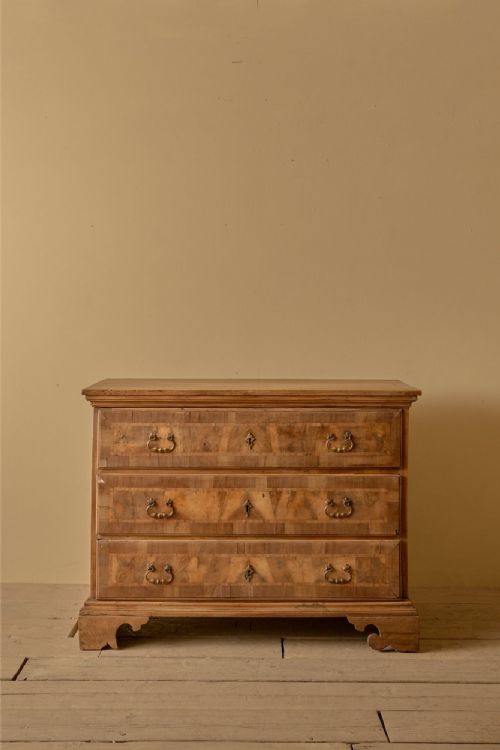
Cabinetmakers constructed these chests using solid walnut, burr walnut veneers, and marquetry inlays applied to foundational timbers like oak or fruitwood. Burr walnut surfaces showcase intricate, swirling grain patterns harvested from tree growths, demanding immense skill in veneer slicing and application.
Metal hardware such as brass drop handles and escutcheons complement the timber, whilst continental commodes frequently incorporate rouge marble tops and cast ormolu mounts. Joinery techniques varied from early period dovetails and bun feet to later Art Deco streamlining and curved serpentine shaping.
Walnut Three Drawer Chest Retail Price Guide 2026
Typical asking prices for walnut three drawer chest among the pieces listed under this phrase on Sellingantiques today, from the lower quarter to the upper quarter. They describe what is for sale here now, not the wider market.
Some nineteenth-century bedroom suites bundled a matching chest of drawers alongside a wardrobe and dressing table for total coordination.
What Varies in Quality
The standard of a walnut three drawer chest rests upon the selection and matching of the timber veneers across the drawer fronts. Uniform figuring and careful book-matching separate finer examples from simpler utility pieces.
Proportion and decorative restraint dictate the distinction between workshops, where crisp moulding profiles, original brass hardware, and well-executed secondary framing elevate the piece.
Miller and Co Leeds
The Walnut Three Drawer Chest Glossary
- Burr walnut
- A highly figured timber veneer taken from the wart-like growths on walnut trees. It yields complex, swirling patterns prized by cabinetmakers for formal drawer fronts.
- Commode
- A low French-style chest of drawers or cabinet. These pieces often feature marble tops and decorative mounts.
- Serpentine
- A furniture front curving outward in the centre and inward at the sides. This shape demands advanced carpentry to fit drawers smoothly.
- Bombe
- A heavily curved, bulging chest profile associated with Dutch and continental designs. The sweeping sides swell outward before tapering near the feet.
- Ormolu
- Gilded bronze ornamentation applied to furniture mounts. It is frequently found on continental commodes and revival pieces.
Walnut Three Drawer Chest: Frequently Asked Questions
What is a walnut three drawer chest?
A walnut three drawer chest is a case furniture piece featuring three stacked horizontal drawers veneered or built in walnut timber. These range from small bedside cabinets to large eighteenth-century commodes.
They provide accessible compartment storage while displaying the rich, dark tones and distinctive grain patterns inherent to walnut wood.
How do I date an antique walnut chest?
Dating relies on examining construction methods, timber choices, handle styles, and overall proportions. Eighteenth-century pieces often display hand-cut dovetails and native oak linings, whereas twentieth-century revivals use machine-cut elements.
Stylistic cues such as bun feet point to earlier eras, while geometric inlays or blonde finishes frequently indicate Art Deco or Edwardian periods.
Where should I place a bedside chest?
A bedside chest sits neatly alongside a bed frame to hold lamps, books, and nighttime essentials within arm reach. Smaller proportions work well in tighter spaces.
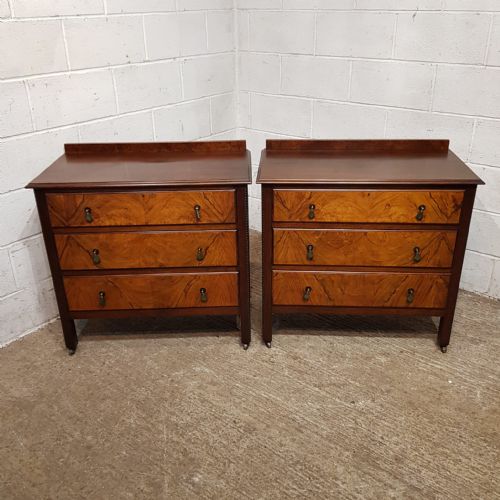
Matching pairs create symmetry in a bedroom layout, particularly when incorporating decorative marble tops or serpentine fronts.