



Walnut Storage Coffer
A walnut storage coffer brings robust timber and centuries of domestic utility into a room.
Walnut Storage Coffer
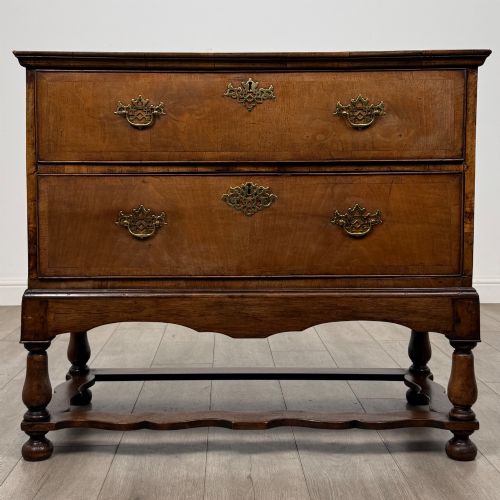
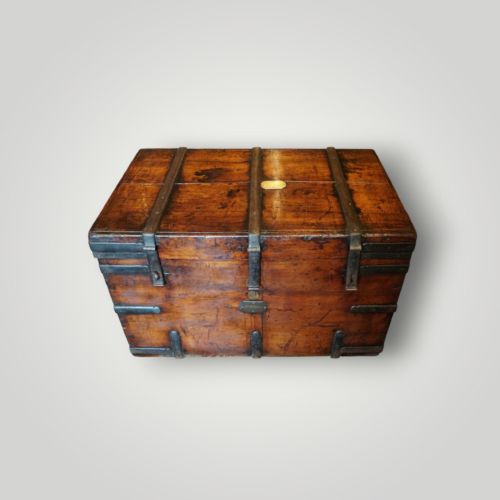
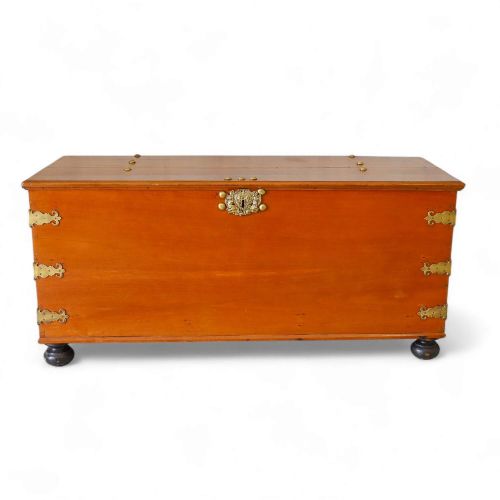
A walnut storage coffer provides a solid timber receptacle for household goods, drawing on traditions of storage that span centuries. When searching for a walnut storage coffer, a buyer encounters pieces originating from the sixteenth century through to the Victorian era. The selection includes continental European coffers, colonial chests, and domestic blanket boxes.
The form adapts across regions, ranging from heavily carved Italian cassones to simpler Spanish boxes and French dough bins. Many examples incorporate lift-top lids over deep cavities, while others integrate internal compartments or drawers. Oak, fruitwood, and pine frequently appear alongside primary walnut structures.
How they were made
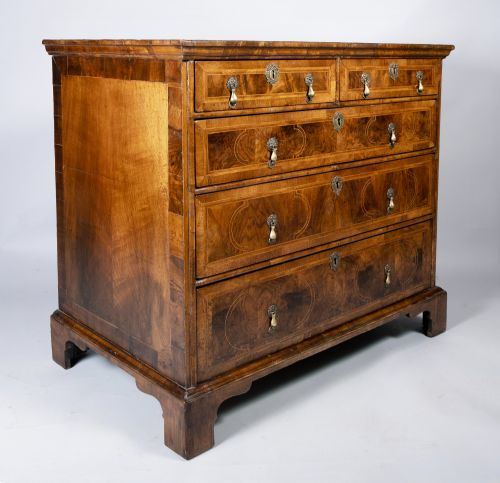
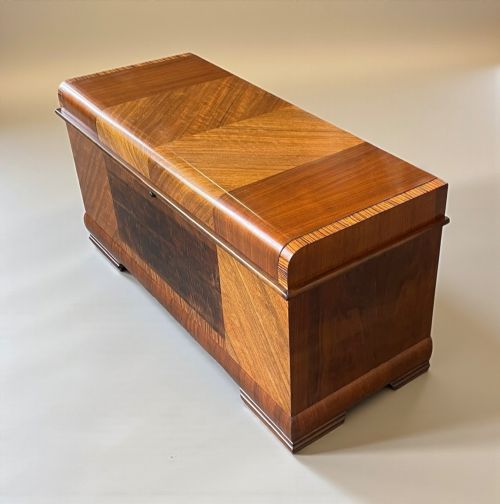
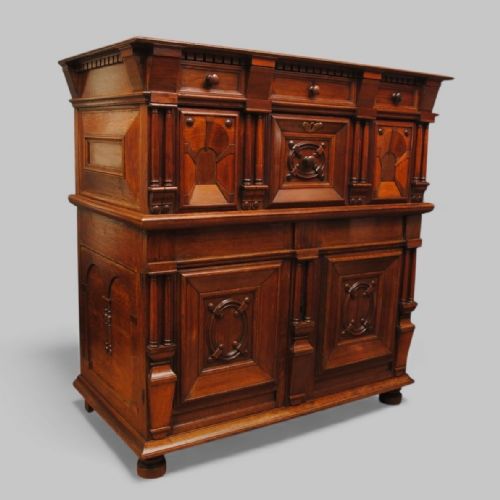
Cabinetmakers constructed these coffers using solid walnut timbers, burr walnut veneers, and secondary woods such as oak and fruitwood. Panels were joined using traditional framing techniques to accommodate the natural movement of the wood over time.
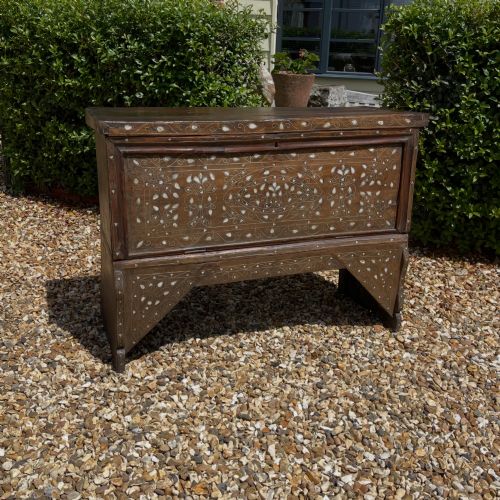
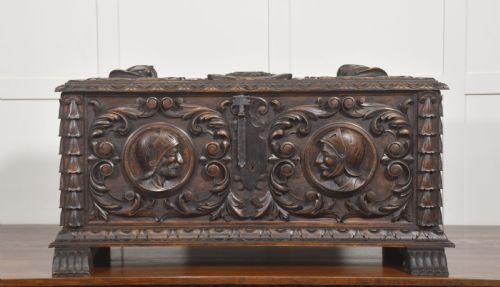
Decorative surfaces rely on intricate inlays of bone and ebony, figural medallions, and carved reliefs. Hardware is executed in brass, iron, and wrought iron, securing lids, corners, and drop handles.
Current listings span from sixteenth-century Spanish workshops to Victorian English military and fireside bins.
What varies in quality
The integrity of the timber and the depth of the carving distinguish finer examples from standard utility boxes. Finer specimens display carefully selected burr veneers and crisp figural medallions that retain their original definition.
Original hardware, including wrought iron hinges and brass locks, elevates a piece compared to later replacements. The sophistication of regional joinery and the survival of surface patination dictate the standing of individual coffers.
Whytock & Reid
The Walnut Storage Coffer Glossary
- Cassone
- A large Italian chest or coffer, typically ornamented with carvings, gilding, or inlay, historically used for holding household valuables.
- Burr walnut
- A highly figured wood grain obtained from the warted growths on walnut trees, prized for decorative veneer work on high-status furniture.
- Dough bin
- A domestic wooden box or trough utilised for proving bread dough, often featuring a lift-top lid and trestle base.
- Commode
- A low cabinet or chest of drawers, adopted in various continental European styles with serpentine fronts and hinged surfaces.
- Inlay
- A decorative technique where contrasting materials such as bone, ebony, and fruitwood are embedded into the walnut surface to form patterns.
Walnut Storage Coffer: Frequently Asked Questions
What is a walnut storage coffer used for?
These coffers served primarily as secure receptacles for household textiles, garments, and valuables. Their sturdy construction allowed them to double as benches or tables in domestic interiors.
Today, they function as practical living room or bedroom storage units that conceal clutter while displaying period timber character.
How do I date an antique coffer?
Dating relies on observing construction methods, timber selection, and decorative styles such as Renaissance Revival or George I influences. Hand-cut dovetails, forged iron hardware, and regional joinery traits provide clear chronological markers.
Comparative analysis with dated examples helps narrow the period of manufacture, from sixteenth-century Spanish pieces to nineteenth-century continental works.
How should I care for antique walnut?
Maintain stable indoor humidity levels and keep wooden coffers away from direct heat sources to prevent the walnut from splitting or warping. Dust regularly with a soft, dry cloth and apply occasional specialist wax to nourish the grain.
Avoid commercial liquid polishes, which can degrade historic surface patination and accumulated wax layers over time.
What distinguishes an Italian cassone?
An Italian cassone is distinguished by its monumental scale, architectural proportions, and elaborate decorative schemes involving figural carvings, gilding, or bone inlay. These marriage chests were central to Renaissance household displays.
In contrast, standard storage coffers tend to feature simpler panel construction intended strictly for utility rather than ceremonial display.