


Walnut Single Beds
Walnut single beds bring rich timber grain and classic proportions to a bedroom, combining practical sleeping space with enduring period character.
Walnut Single Beds
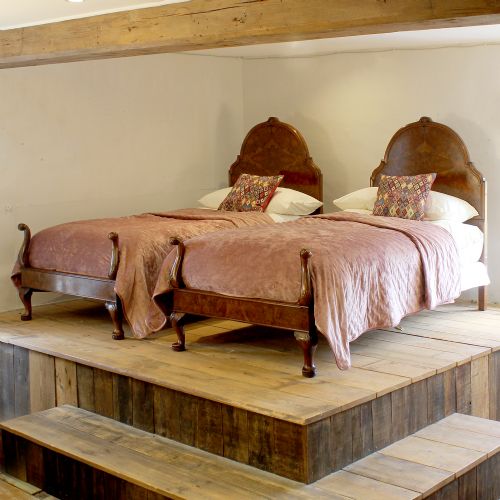
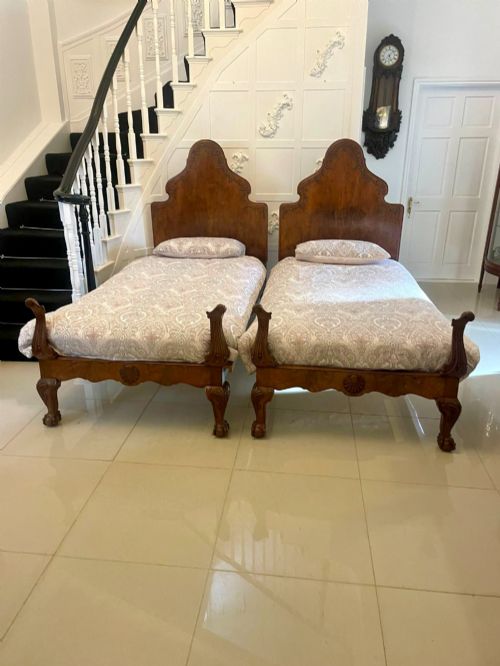
Walnut single beds encompass compact sleeping frames, daybeds, and matching pairs designed across the nineteenth and twentieth centuries. The pieces on this page span several decades, ranging from nineteenth-century continental examples to Edwardian and Art Deco variations.
Makers and designers from notable firms produced these single frames in various regional interpretations, including Queen Anne style revivals and French regional idioms. Buyers frequently encounter matching pairs alongside individual frames suited to period interiors.
Materials and Construction
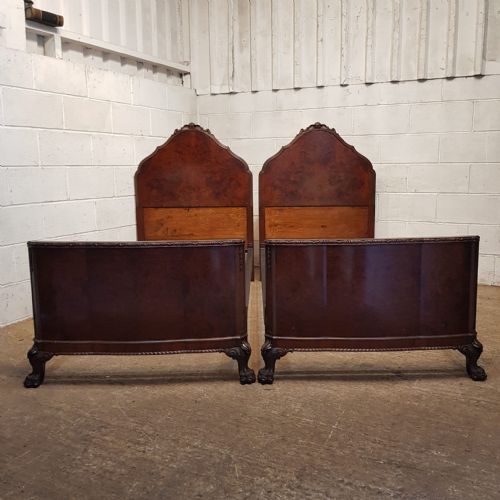
Cabinet makers utilised solid walnut, timber frames, and decorative burr walnut veneer to create richly figured headboards and footboards. Secondary materials such as brass, iron, and satinwood appear alongside painted leather panels and giltwood accents.
Traditional joinery methods and surface polishing highlighted the natural grain patterns of the wood, particularly on figured burr veneers and matched panels.
Assessment of Quality
The standard of a walnut single bed rests upon the selection of the timber grain and the precision of the veneer matching across the panels. Finely figured burr walnut and balanced symmetrical grain patterns elevate the visual presence of the frame.
Carved detail and structural integrity distinguish finer examples, particularly where classical motifs or fluid revival lines are executed with depth and clarity.
Waring and Gillow England·Heals of London·Harrods of London·Staples and Co
The Walnut Single Beds Glossary
- Burr walnut
- A wood harvested from the abnormal growth of a walnut tree, yielding highly decorative, swirling grain patterns used for decorative veneer.
- Queen Anne style
- A design idiom popular in various periods characterised by cabriole legs, pad feet, and scrolled pediments.
- Art Deco
- A twentieth-century design movement favouring geometric symmetry, streamlined forms, and contrasting wood veneers.
- Daybed
- A long seating and sleeping form designed to function as both a sofa and a bed.
- Bergere
- A panel of woven cane fitted into the wooden frame of a headboard or footboard.
Walnut Single Beds: Frequently Asked Questions
How do I style a single bed in a modern room?
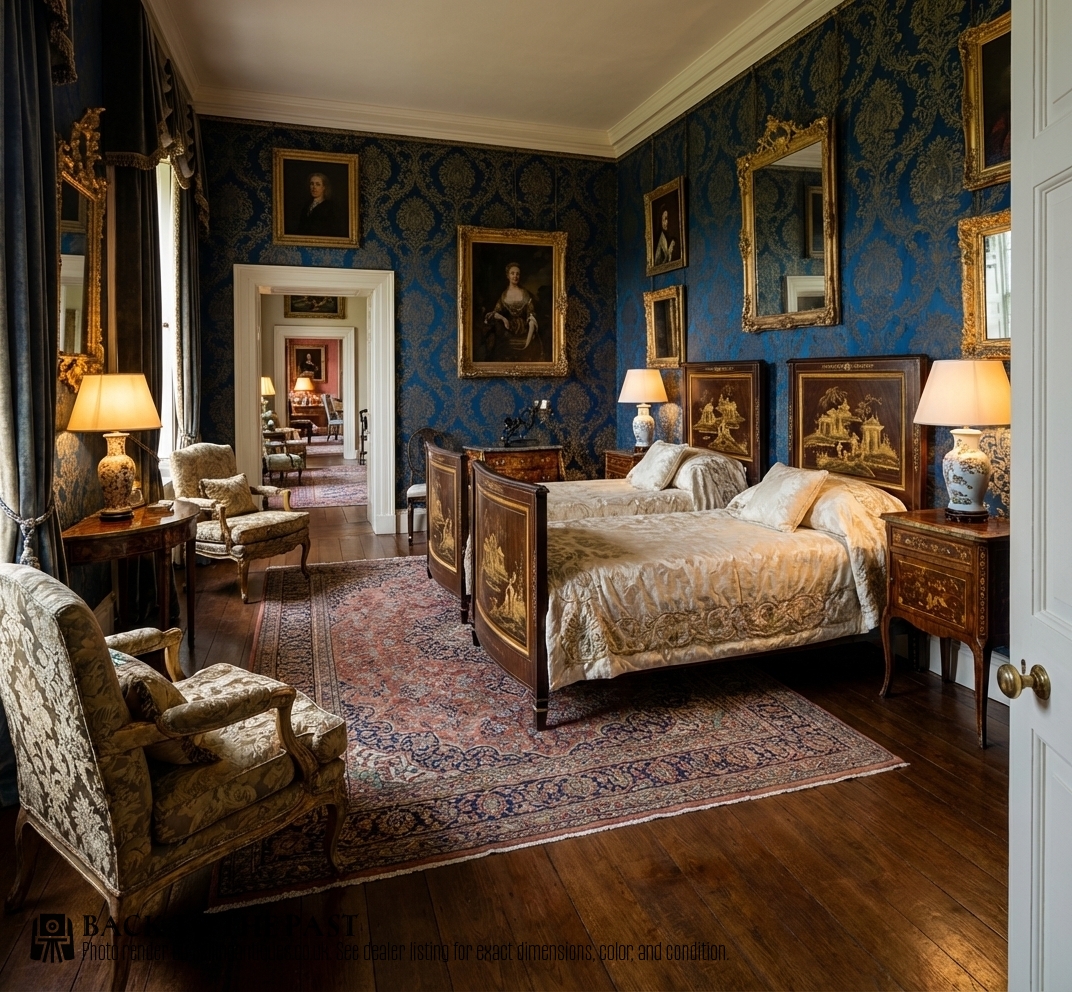
Pair the wooden warmth of the headboard with neutral linens and minimal surrounding furniture to let the figured grain stand out. Incorporating contrasting textures helps bridge historical woodwork with contemporary interiors.
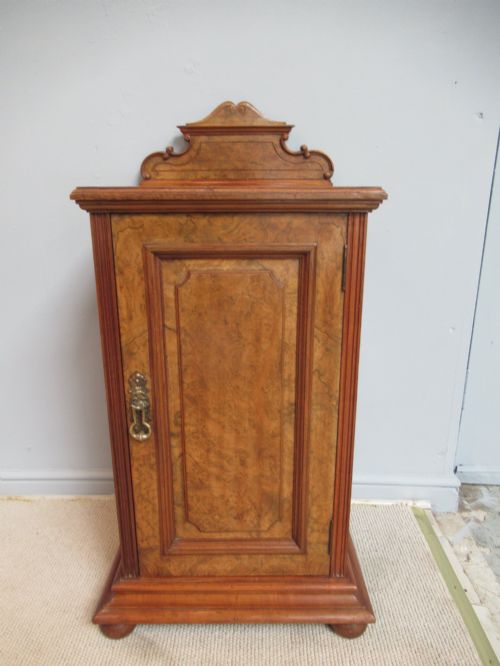
Matching bedside cabinets or nightstands from the same period complete the arrangement without overcrowding smaller bedrooms.
Are these beds standard modern mattress sizes?
Older single beds often diverge slightly from contemporary mattress dimensions, particularly nineteenth-century and early twentieth-century continental examples. Checking exact internal frame measurements before sourcing a mattress ensures a correct fit.
Custom mattress makers can supply bespoke dimensions to fit antique bed frames accurately.
How do I care for walnut wood furniture?
Keep walnut frames away from direct sunlight and steady heat sources to prevent the wood veneer from drying out or splitting. Gentle dusting with a soft cloth maintains the polished surface without stripping natural oils.
Periodic application of suitable beeswax helps preserve the depth and lustre of the timber.
How do I distinguish Art Deco from Edwardian walnut beds?
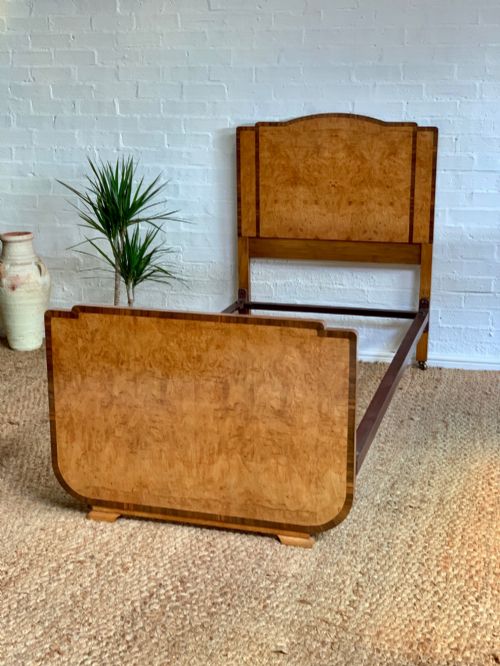
Art Deco frames display streamlined geometries, symmetrical burr veneers, and blonde satinwood accents typical of the nineteen-thirties. Edwardian examples often lean towards revival styles, featuring softer carved details and Queen Anne influences.
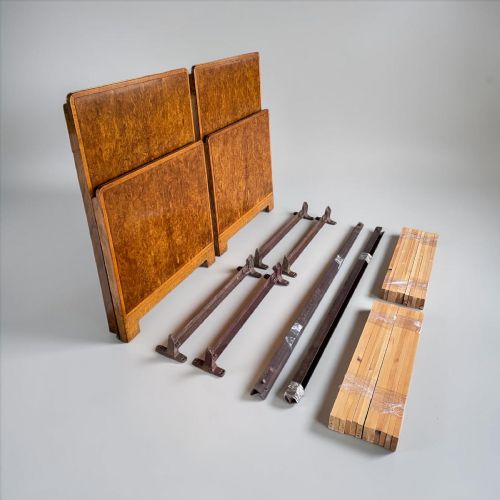
Examining the overall silhouette and structural hardware clarifies the manufacturing era of each piece.