



Walnut Round Centre Table
A walnut round centre table brings a warm circular form and rich timber grain to the middle of a room.
Walnut Round Centre Table
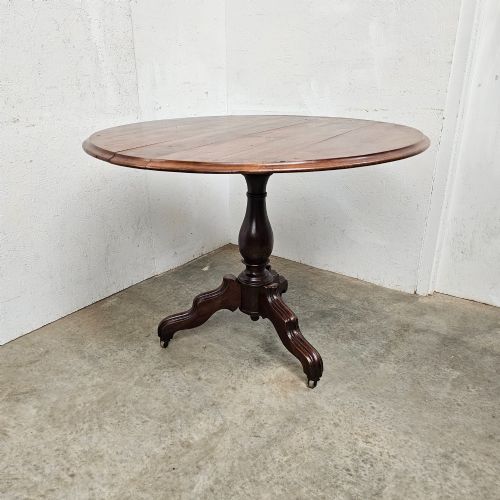
A walnut round centre table serves as a striking focal point in a principal room, designed to be viewed from every angle. When searching for this form, you encounter pieces that range from compact occasional tables to large pedestal dining tables.
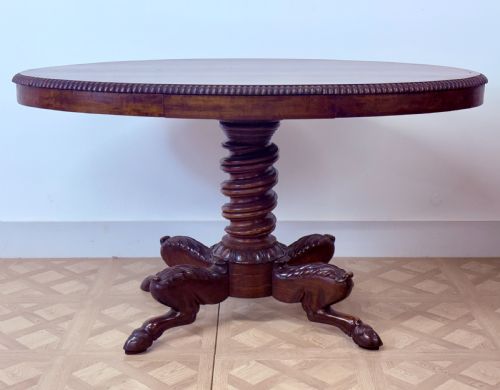
The selections span numerous periods, with Victorian examples and 1930s Art Deco pieces appearing frequently. Many items hail from French workshops, offering distinctive proportions and decorative surfaces suited to various interior schemes.
Materials and construction methods
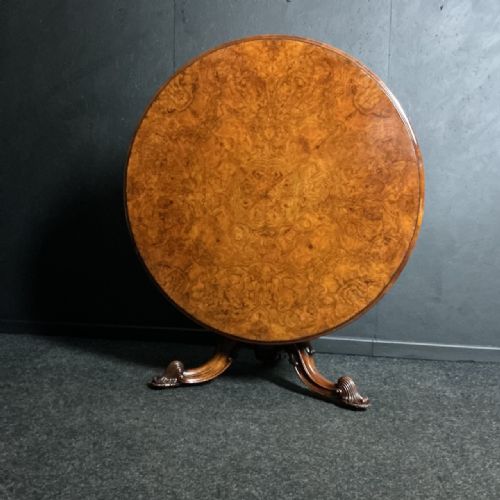
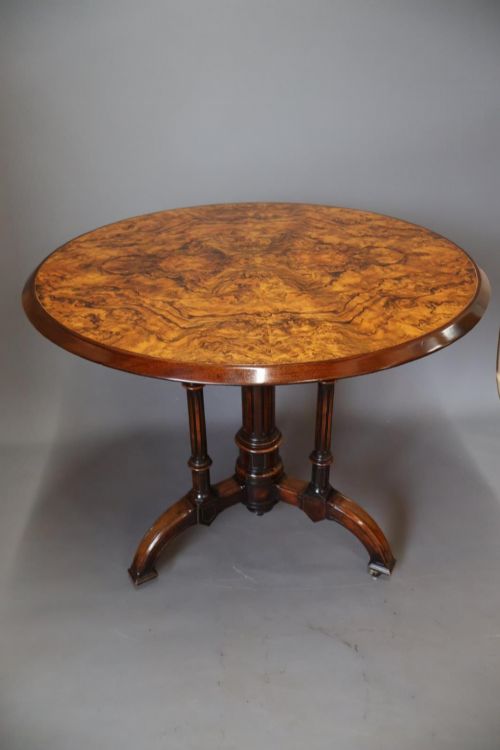
Cabinet makers utilised solid walnut, burr walnut, and figured walnut veneers to create rich surfaces with deep natural patterning. These timbers were frequently applied over firmer secondary woods to build robust frames and pedestal bases.
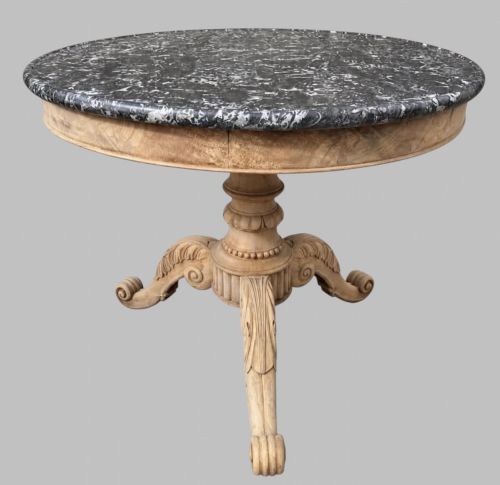
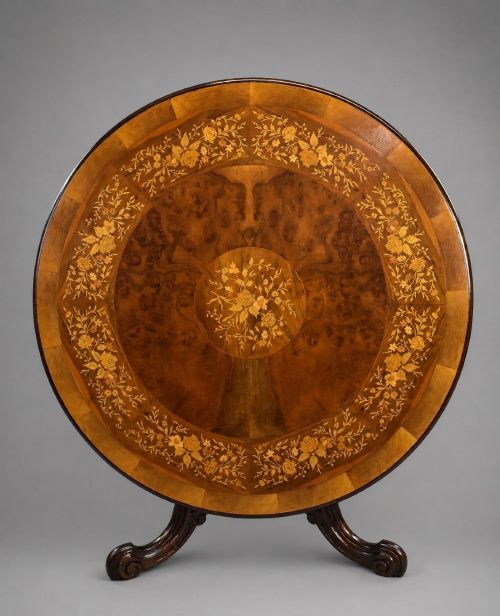
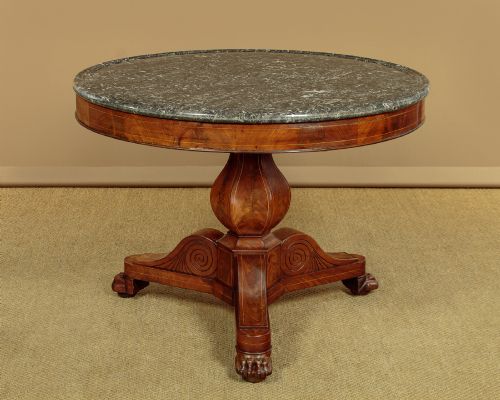
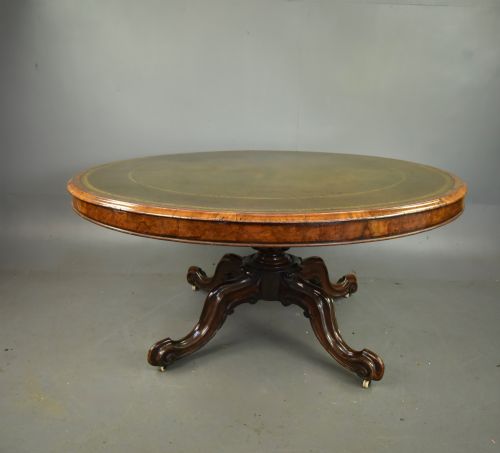
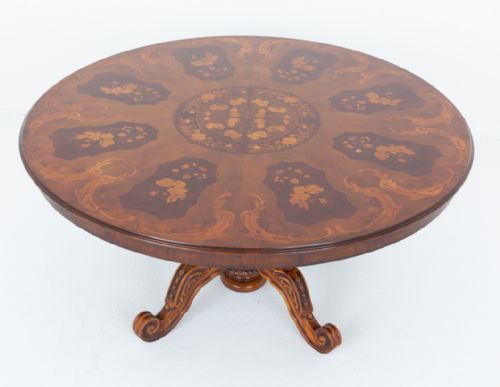
Decorative elements involve intricate inlay, marquetry, and boxwood details, alongside brass mounts, ebonised touches, and inset marble or leather tops. Tripod supports, tilt-top mechanisms, and multi-tiered structures show the varied engineering behind these circular tables.
Some nineteenth century examples include secret drawers hidden within the frieze, perfect for keeping small treasures out of sight.
Assessing quality in construction and design
The distinction between standard examples and finer pieces lies in the selection of the timber grain and the precision of the veneer work. Burr walnut with lively, balanced figuring commands attention, while meticulously cut marquetry and boxwood inlay indicate superior craftsmanship.
Structural integrity and the refinement of carved details also separate the tiers of quality. Smooth operation in tilt mechanisms or secret drawers, combined with stable pedestal bases and harmonious proportions, marks out the more accomplished pieces.
The Walnut Round Centre Table Glossary
- Burr walnut
- A highly figured veneer taken from the wart-like growth on a walnut tree. It produces intricate, swirling patterns prized for decorative tabletops.
- Marquetry
- The art of applying pieces of veneer to a structure to form decorative patterns and pictures. It often incorporates various woods and boxwood on these tables.
- Gueridon
- A small French table, frequently circular and supported by a central pillar or tripod base. These often feature marble or inlaid wooden tops.
- Tilt-top
- A hinged tabletop that folds into a vertical position when not in use. This mechanism allowed tables to be stored against walls in period interiors.
- Pie crust
- A carved, raised ornamental edge shaped to resemble pastry crust. It appears on the perimeter of circular occasional and coffee tables.
Walnut Round Centre Table: Frequently Asked Questions
Where should I place a round centre table?
These tables sit naturally in the middle of a room, allowing movement all the way around them. They anchor seating arrangements or serve as a grand display surface in an entrance hall.
Ensure there is enough clearance for walking space around the perimeter. Pairing a pedestal base table with a central chandelier or pendant light enhances the balanced circular geometry.
How do I care for a walnut veneer surface?
Protect the timber from direct sunlight and extreme heat to prevent the wood from drying or fading. Dust regularly with a soft, dry cloth and avoid silicone-based polishes.
Use coasters under glasses and mats under hot items. A light application of quality beeswax paste every few months helps maintain the natural lustre of the finish.
What is the difference between a centre table and a coffee table?
Centre tables traditionally stood freestanding in the middle of rooms during the nineteenth century at standard table height. They often featured tilt tops, drawers, or heavy pedestals.
Coffee tables are lower in stature, designed specifically to sit in front of sofas and lounge seating. Many pieces found today bridge these categories through height adjustments or later adaptations.
How can I tell a Victorian table from an Art Deco one?
Victorian examples often display rich marquetry inlay, carved walnut pedestals, and traditional tilt-top mechanisms. The aesthetic leans toward ornate detail and heavier proportions.
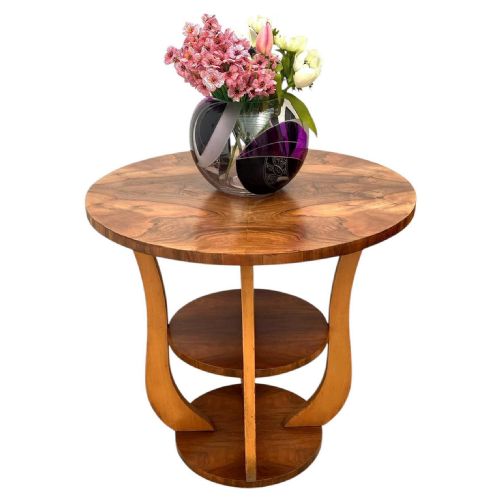
Art Deco pieces from the 1930s favour clean lines, geometric veneering, and stepped or tiered structures. They showcase the natural grain of burr walnut without heavy surface carving.