
Walnut Rococo Armchair
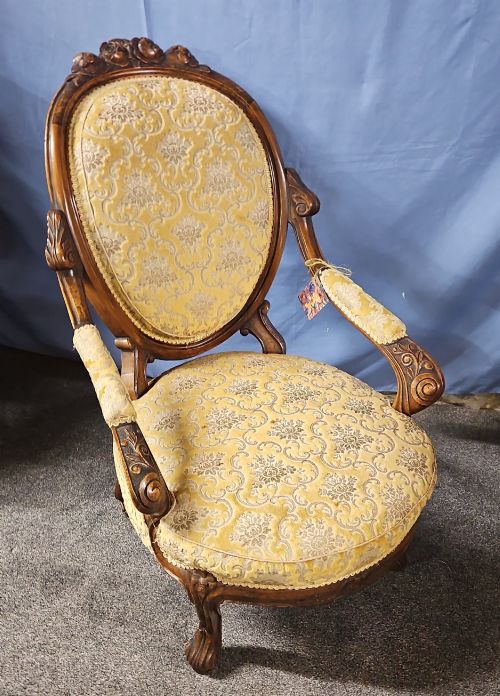
A walnut rococo armchair brings the dramatic, flowing curves of eighteenth-century continental design directly into a Victorian parlour.
Walnut Rococo Armchair
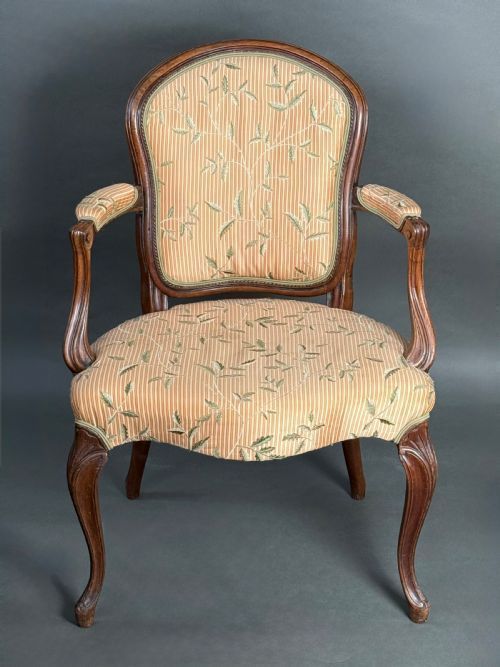
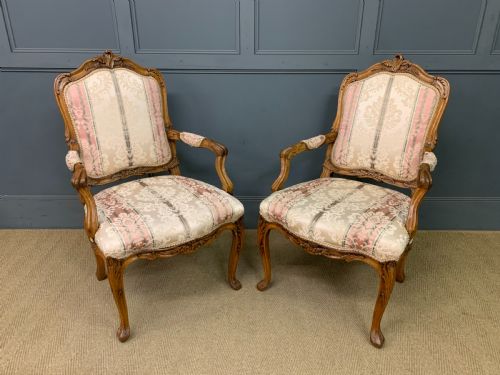
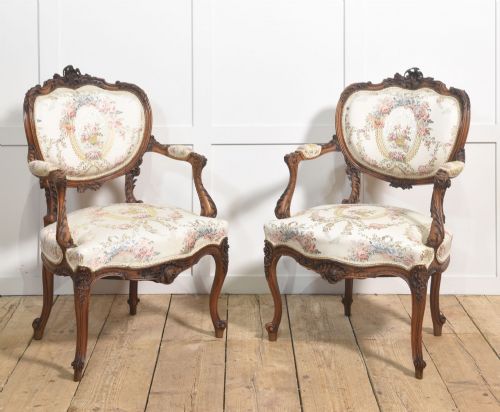
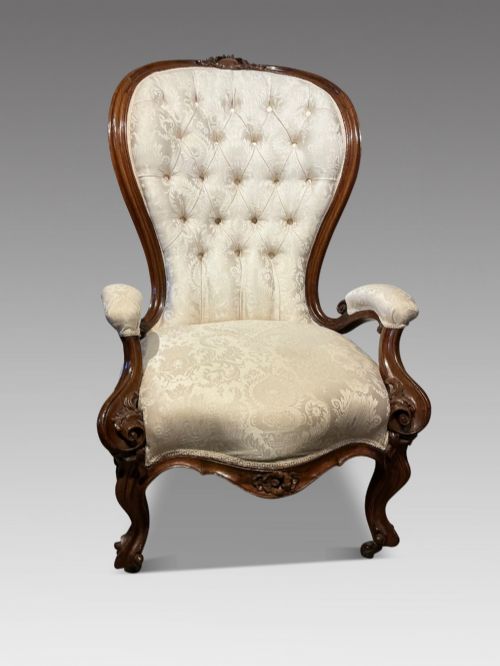
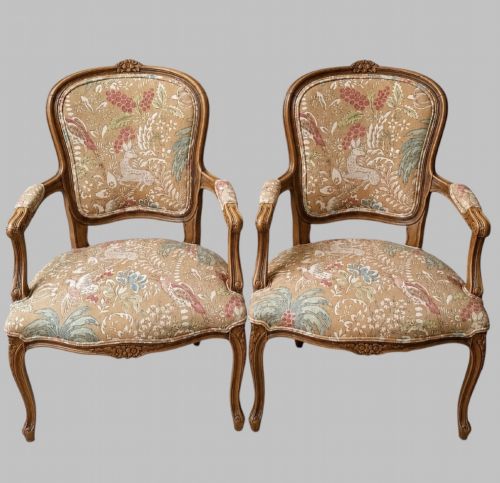
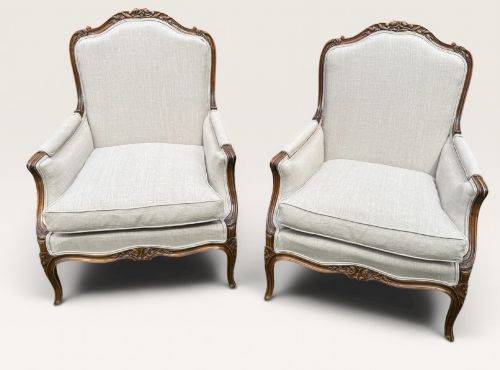
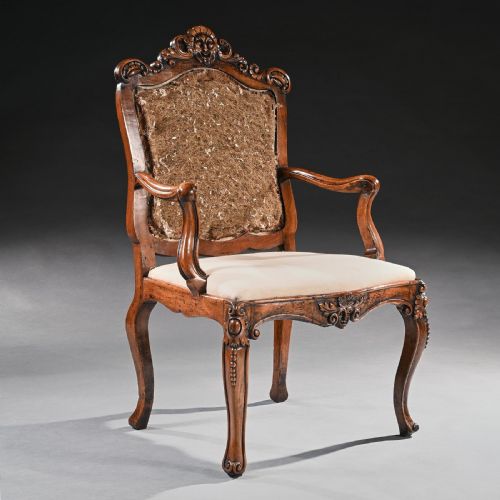
A walnut rococo armchair combines serpentine frames, asymmetric scrollwork, and cabriole legs rooted in the Louis XV tradition. When you search this phrase, you will encounter diverse forms ranging from eighteenth-century provincial models to nineteenth-century Victorian revival pieces.
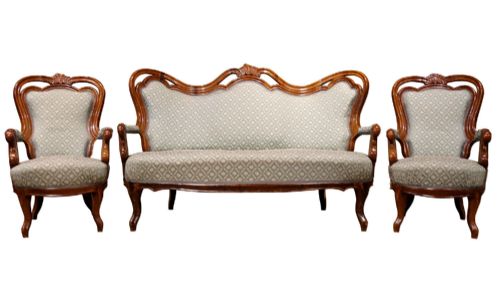
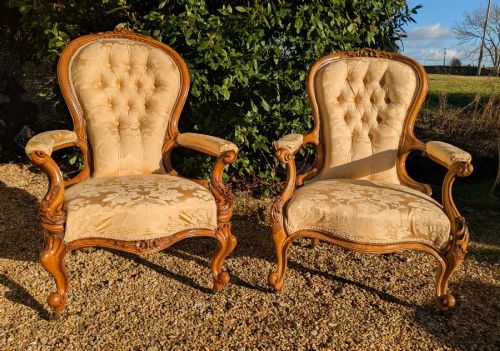
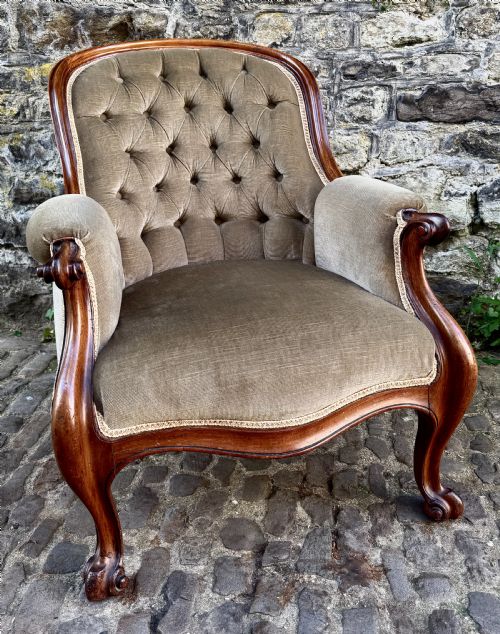
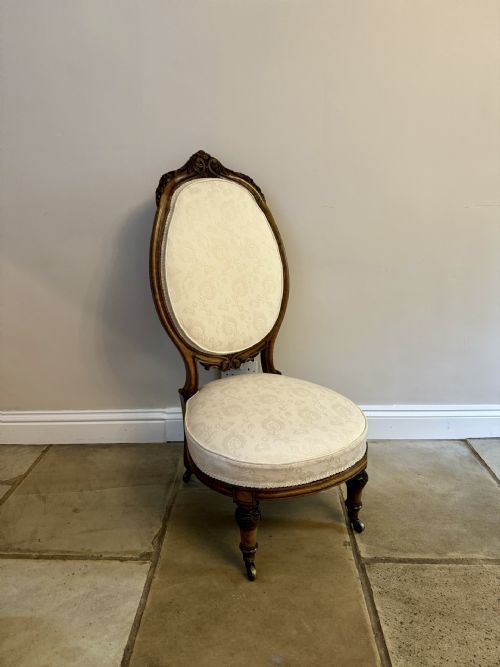
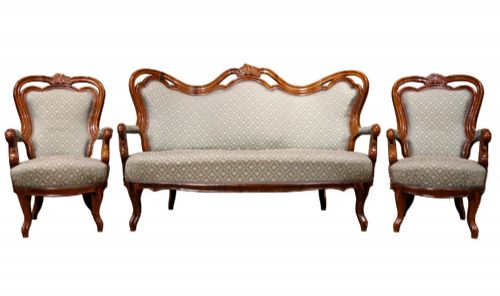
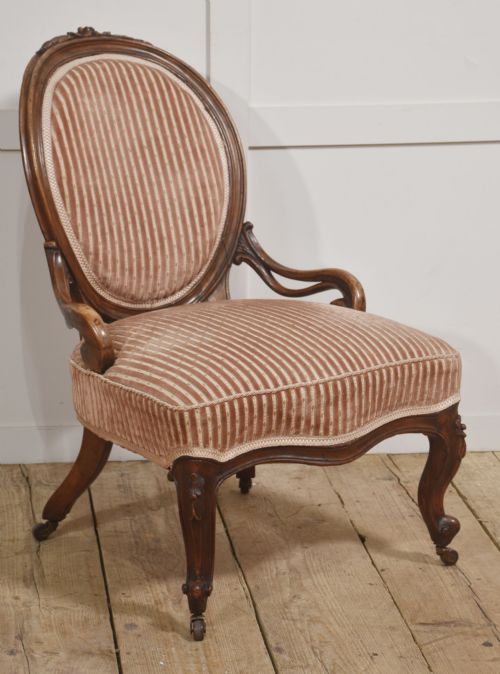
The selection on this page spans distinct seating types, including open armchairs, fauteuils, spoonback nursing chairs, and larger salon suites. English and continental makers reinterpreted these fluid, organic contours across the Victorian era and into the early twentieth century.
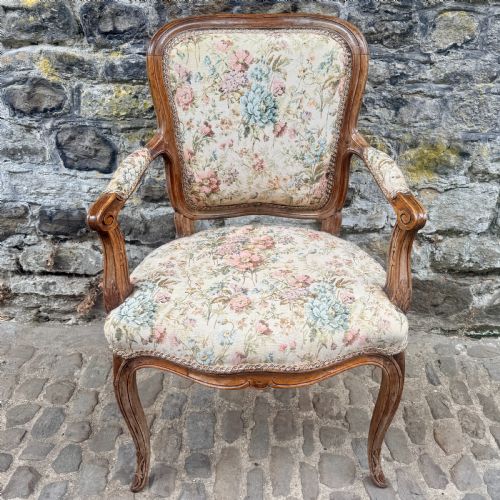
The framework regularly pairs with traditional textile coverings such as damask, velvet, needlework, and tapestry upholstery. Whether you examine a French provincial model or an 1860s English armchair, the enduring hallmark is expressive walnut woodwork shaped with deep relief carving.
Materials and construction
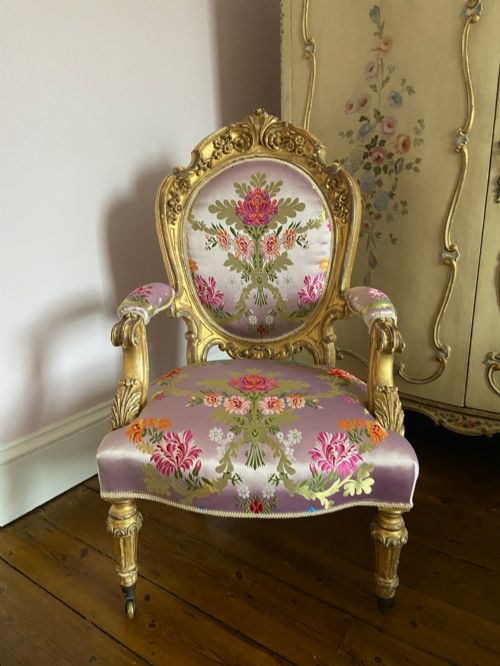
Craftsmen shaped these flowing frames from solid walnut, often selecting rich timber capable of holding sharp, intricate carved details along the crest rails and arm terminals. Gilt wood accents sometimes highlight the complex curves of nineteenth-century examples.
Upholstery techniques matched the elaborate woodwork, employing traditional stuffing beneath outer covers of silk, damask, or needlework. Brass tacks and decorative braids frequently secure the fabric edges to the carved walnut frames.
Listings feature walnut frames paired with velvet, damask, and needlework across Victorian and eighteenth-century periods.
Assessing craftsmanship and design
Quality rests primarily in the depth and crispness of the carved walnut ornament, distinguishing master carvers from routine workshop production. Fluid, asymmetrical scrollwork executed with precision reveals a higher grade of craftsmanship.
The structural integrity of the frame and the retention of original timber patination separate superior examples from later recreations. Selection of high-grade covering textiles, such as silk damask or finely worked needlework, further elevates the stature of the piece.
The Walnut Rococo Armchair Glossary
- Fauteuil
- An open-framed armchair with upholstered seat and back, originating in France during the eighteenth century. These chairs typically feature exposed wooden arms and carved cabriole legs.
- Bergere
- A closed armchair featuring upholstered sides enclosed in wooden frames. They often incorporate cane panels or loose, down-filled squab cushions.
- Cabriole leg
- A furniture leg that curves outward in a convex arc before tapering inward to a concave foot. This classical form mimics animal legs and defines rococo seating design.
- Spoonback
- An upholstered chair back shaped to resemble the hollow bowl of a spoon. This ergonomic contour gained immense popularity during the Victorian era.
- Damask
- A reversible figured fabric woven on a jacquard loom with patterns formed by contrasting warps and wefts. It provides a traditional textured surface for period upholstery.
Walnut Rococo Armchair: Frequently Asked Questions
Where should I place an antique armchair?
These seats suit drawing rooms, studies, and bedrooms where their carved walnut frames can be viewed from multiple angles. Pairing them with complementary salon suites creates a coherent seating arrangement.
Ensure the chair rests away from direct sunlight and heat sources to protect the wood polish and textile covers from fading or drying out over time.
How do I care for antique walnut wood?
Dust the carved woodwork regularly with a soft, dry cloth to prevent dirt buildup in the deep recesses of the rococo scrollwork. Avoid silicone-based sprays that damage historic polishes.
Feed the timber periodically with appropriate beeswax formulations to maintain the rich lustre and moisture balance of the walnut grain.
How can I distinguish Victorian revival from eighteenth-century pieces?
Eighteenth-century originals exhibit hand-cut joinery methods, native continental timbers, and distinct tool marks hidden beneath the frame. Revival pieces from the Victorian era often display machine-assisted construction techniques alongside characteristic nineteenth-century secondary woods.
Examine the upholstery webbing and interior stuffing materials, as these components frequently reveal later Victorian or twentieth-century restoration work.
Can I sit in an antique upholstered chair daily?
Sturdily constructed walnut frames easily support regular daily use, provided the internal webbing and joints remain tight and stable. Periodic inspection by a specialist conservator ensures the frame stays secure.
Delicate historic textiles require more cautious treatment, whereas chairs with robust modern damask or velvet upholstery tolerate everyday lounging much better.