
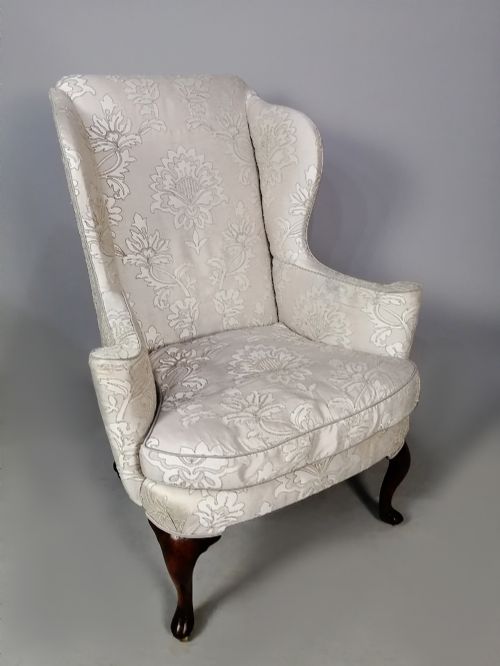
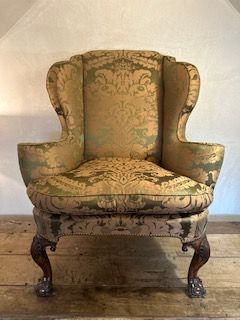
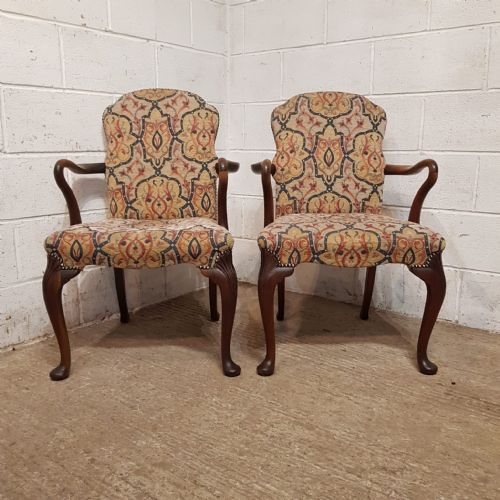
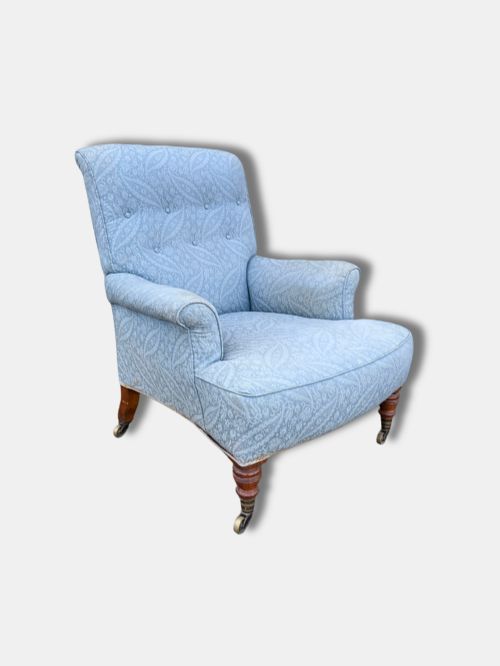
Walnut Reading Armchair
A walnut reading armchair provides a comfortable and supportive seat for long hours of study, pairing warm timber frames with deep upholstery.
Walnut Reading Armchair
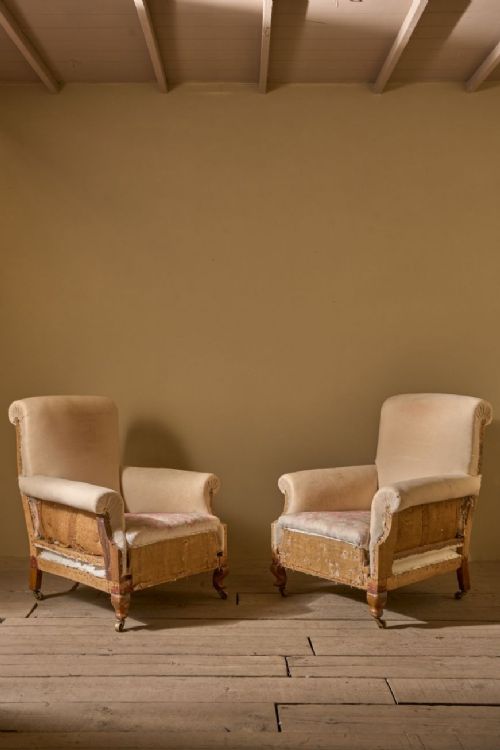
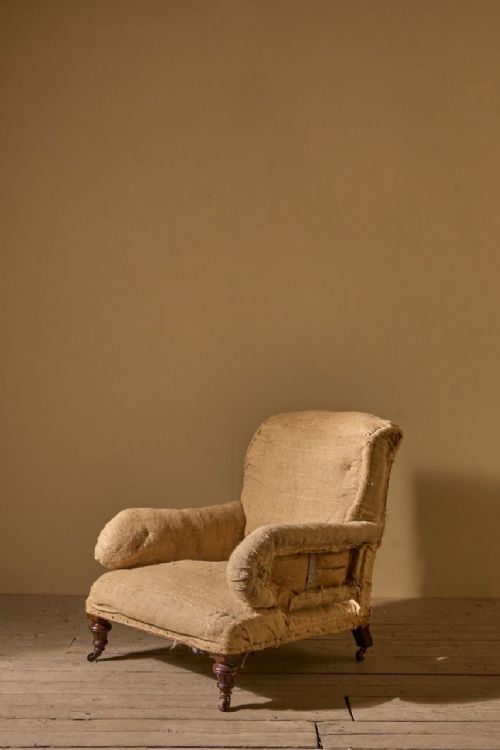
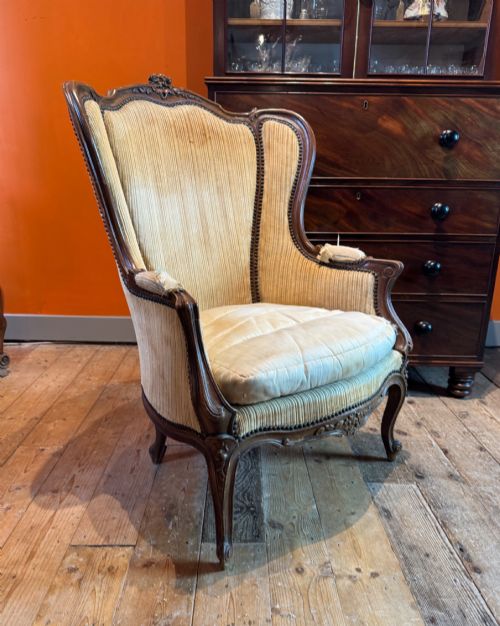
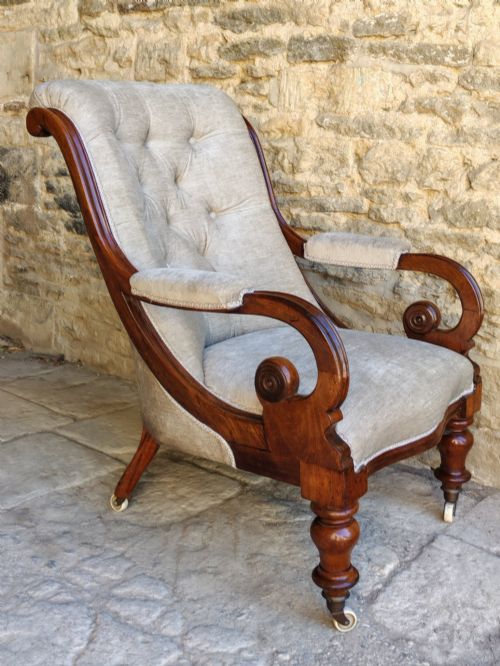
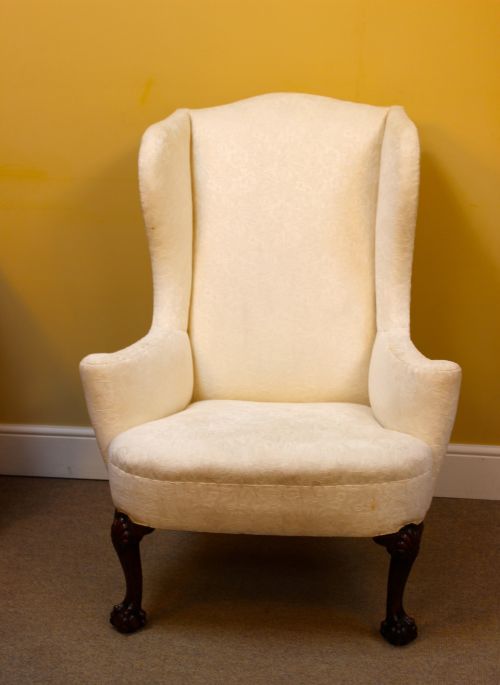
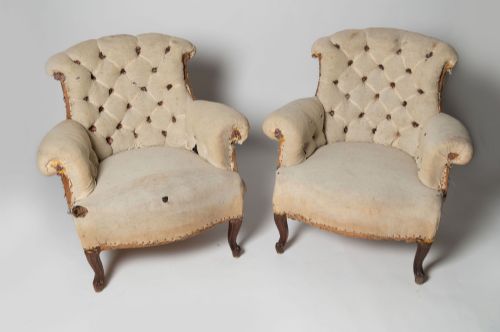
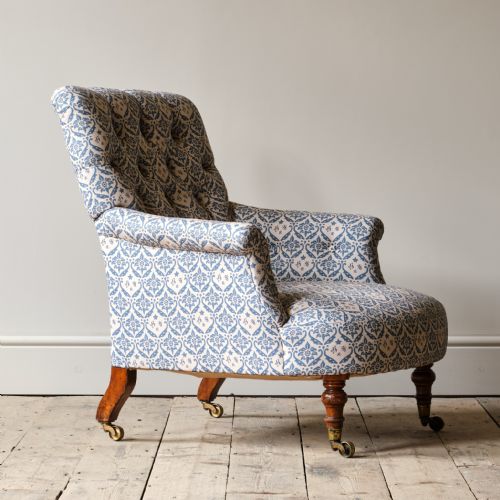
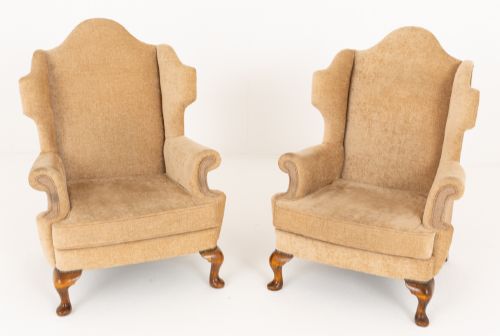
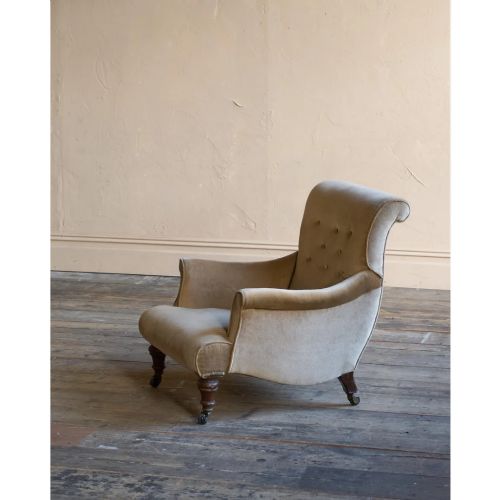
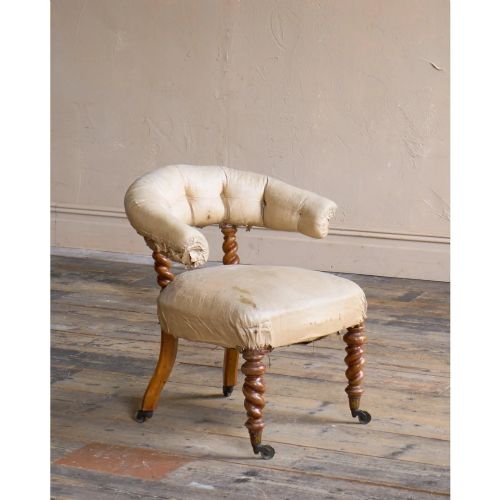
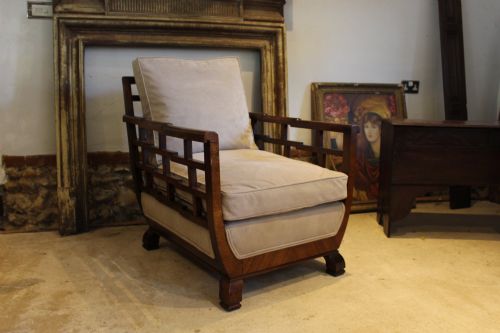
A walnut reading armchair is a comfortable seat designed for libraries, studies, and parlours, often featuring upholstered backs and supportive arms. These pieces range from substantial wing armchairs to open elbow chairs and reclining designs intended for relaxation. The walnut reading armchair examples found here span several centuries and stylistic revivals, capturing the shifting tastes in domestic comfort.
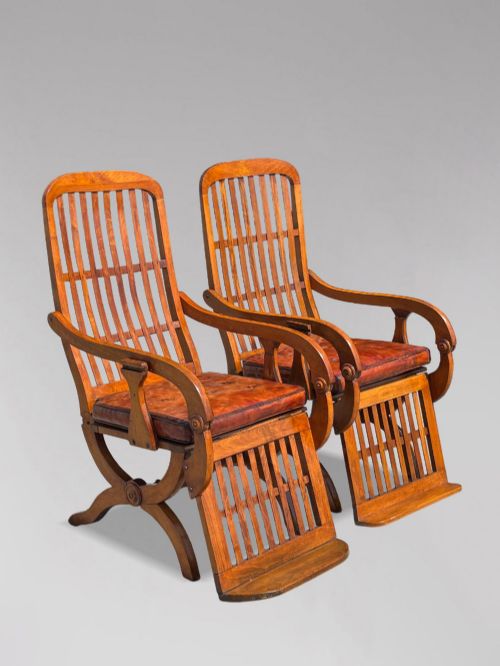
Victorian and nineteenth-century pieces dominate the selection, alongside earlier eighteenth-century forms and later revival styles. Makers produced these chairs in various configurations, including barrel-backed, cabriole-legged, and adjustable patent models. Such seating reflects the Victorian dedication to specialised domestic furniture tailored for specific daily pursuits.
The materials paired with walnut frames include leather, velvet, silk, needlepoint tapestry, and hessian. These textiles indicate whether a chair served a formal library or a private parlour. Buyers encounter both English craftsmanship and French designs, such as the fauteuil or bergere.
How they were made
Cabinet makers utilised solid walnut and walnut veneers to construct the structural frames of these armchairs. Carved details frequently adorn the cabriole legs, arms, and crest rails, demonstrating traditional woodworking techniques.
Upholstery methods relied on webbing, hessian, and stuffing materials like cotton or horsehair beneath surface coverings of leather, velvet, or fabric. Brass tacks often secure the outer textile edge to the wooden framework, providing a clean visual finish.
Listings feature walnut frames paired with diverse upholstery materials including leather, velvet, cotton, and needlepoint tapestry.
What varies in quality
The refinement of the walnut carving on the legs and frame distinguishes standard production from superior craftsmanship. Crisp execution in the woodwork indicates a maker who paid careful attention to structural ornamentation.
The integrity of the original framing and the preservation or sympathetic restoration of period upholstery materials affect the overall character. Chairs retaining their original leather or hand-stitched needlepoint tapestries carry greater historical authenticity.
Howard and Sons·C. Hindley and Sons·Gillows·Shoolbred
The Walnut Reading Armchair Glossary
- Cabriole leg
- A furniture leg that curves outward at the knee and tapers inward toward the ankle, often ending in a pad or claw foot. This design was popular during the eighteenth century and subsequent revival periods.
- Fauteuil
- An open-framed French armchair with upholstered back and seat, and exposed wooden armrests. These chairs originated in the seventeenth century and became central to various later revival styles.
- Bergere
- A closed, upholstered armchair with wooden framing enclosing the sides and back. It usually incorporates a loose cushion over a stuffed seat.
- Wing armchair
- An upholstered chair with high side panels attached to the back, designed to shield the occupant from drafts. Early examples often rest on walnut frames with cabriole supports.
Walnut Reading Armchair: Frequently Asked Questions
What is a walnut reading armchair?
A walnut reading armchair is a specialised seat built with a timber frame designed to offer ergonomic support during prolonged periods of reading. These chairs typically feature padded armrests and comfortable upholstered backrests.
Craftsmen created various forms, from wingbacks that blocked drafts to adjustable patent chairs intended for libraries and studies.
How do I date a walnut armchair?
Dating relies on examining structural characteristics, wood patination, and stylistic markers such as cabriole legs or carved motifs. Nineteenth-century interpretations often borrow freely from earlier Georgian or French aesthetics.
Reference points include documented workshop designs and period-specific upholstery techniques that evolved over the decades.
Were these chairs used only for reading?
While designed with reading in mind, these chairs served multipurpose roles in libraries, parlours, and drawing rooms. Their comfortable proportions made them suitable for general relaxation and conversation.
Some specialised versions included adjustable mechanisms or reading desks attached to the frame.
How should I care for the leather and wood?
Maintenance involves keeping walnut timber away from direct heat sources and sunlight to prevent drying and fading. Regular dusting preserves the polished surface of the wood.
Leather upholstery benefits from periodic conditioning to maintain flexibility and prevent the surface from cracking over time.