

Walnut Parquetry Chest
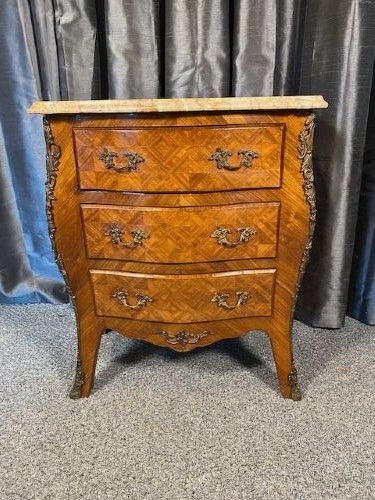
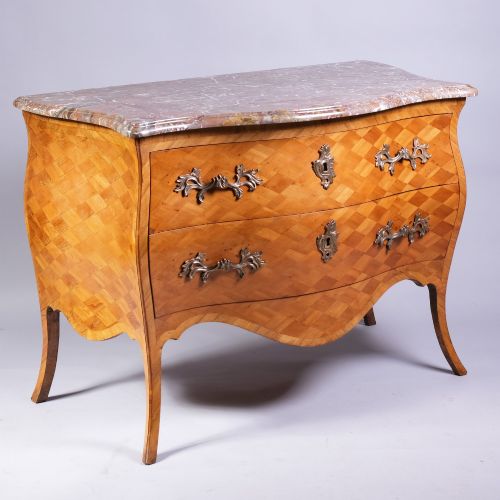
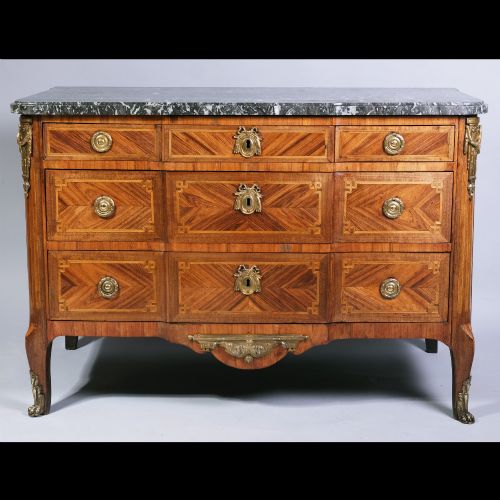
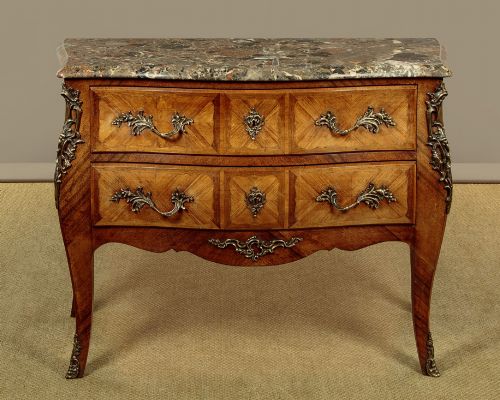
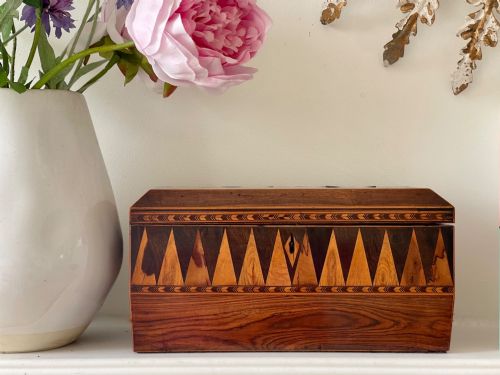
A walnut parquetry chest brings geometric warmth into a room through precise wood veneers arranged on commodes, cabinets and tea caddies.
Walnut Parquetry Chest
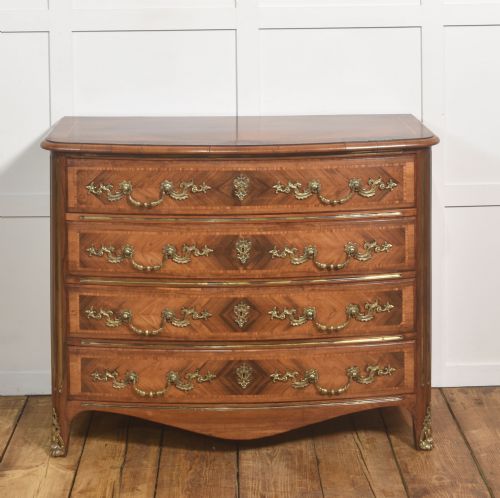
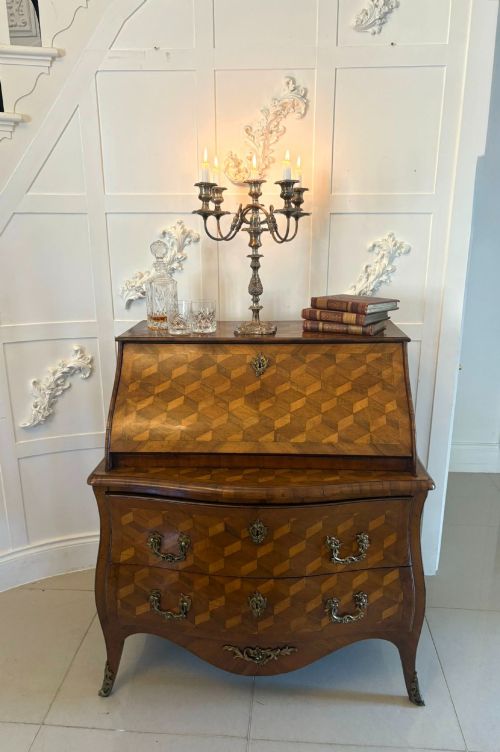
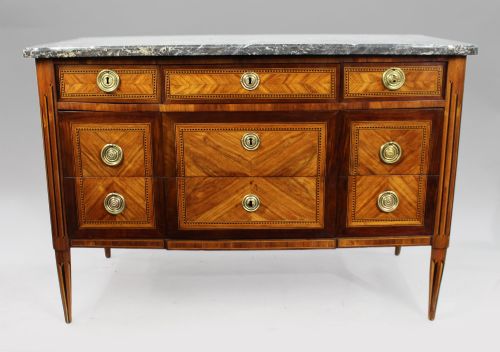
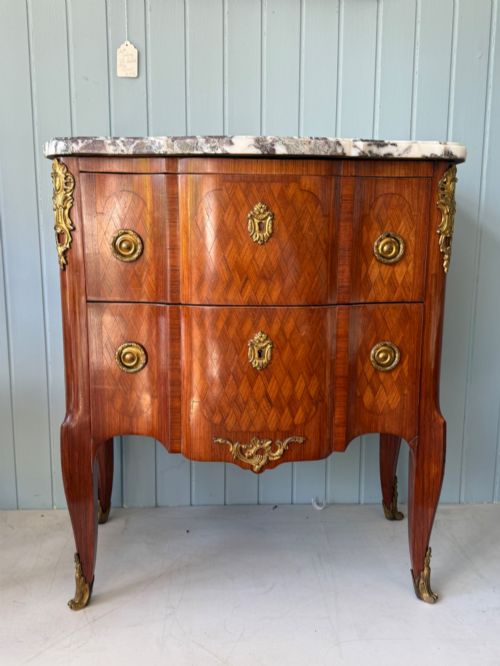
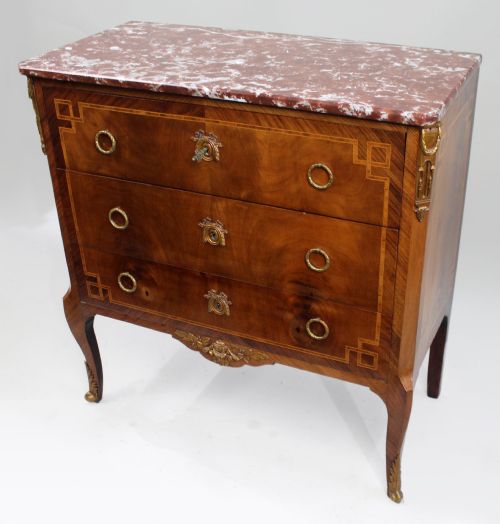
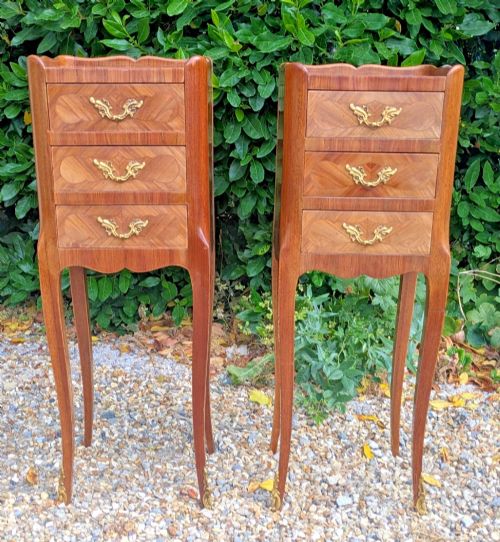
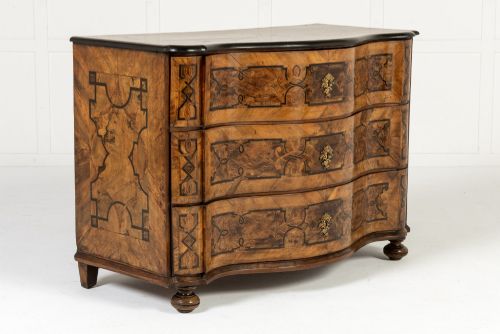
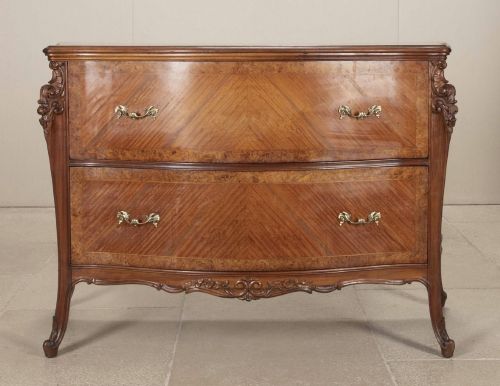
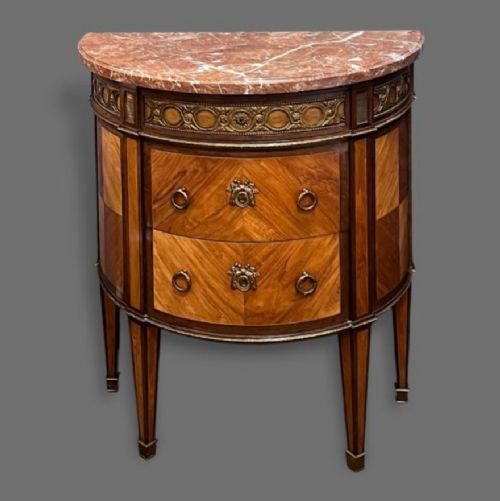
When searching for a walnut parquetry chest, buyers encounter commodes, bedside tables, and tea caddies from the eighteenth century to the twentieth century. French regional variants, particularly in Louis XV and Louis XVI styles, dominate the selection alongside German, Italian, and Austrian examples.
The assortment spans large serpentine chests of drawers with marble tops down to neat bedside tables and small tea caddies. Pieces range from eighteenth-century work to later nineteenth-century revivals and early twentieth-century interpretations.
Materials and Technique
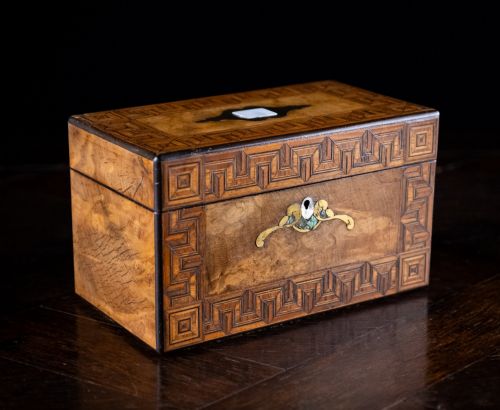
Constructed using walnut and burr walnut veneers, these pieces combine fruitwood, kingwood, and satinwood to create geometric parquetry and floral marquetry patterns. Brass, ormolu mounts, mother of pearl, and scagliola or marble tops provide contrasting textures and weight.
Cabinetmakers applied timber veneers over solid secondary woods, shaping carcases into serpentine or bombe contours. Metal mounts and handles are cast and chased, secured to the timber structure with traditional fixings.
Secret fitted interiors inside tea caddies occasionally hide miniature compartments for precious tea leaves.
Assessing the Pieces
The precision of the veneer work dictates the standing of a piece, measured by the tightness of the geometric joins and the harmonious ageing of the woods. Superior examples maintain crisp lines along serpentine and bombe contours without lifting or shrinkage in the parquetry.
Integration of secondary materials marks the standard of execution, from the weight of the marble top to the casting quality of the ormolu mounts and brass details. Balanced proportions and crisp drawer fit distinguish finer regional workshops from standard production.
Henry Hollamby
The Walnut Parquetry Chest Glossary
- Parquetry
- Geometric wood inlay forming tiling patterns across a surface. It uses contrasting timber grains to create visual depth.
- Commode
- A decorative chest of drawers standing on legs, popular in eighteenth-century France and subsequent revival periods. They frequently carry marble tops.
- Bombe
- A swelling, outward-curved contour found on drawer fronts and sides. This bulging profile requires skilled veneer work.
- Ormolu
- Gilt-bronze mounts applied to furniture for decoration and edge protection. The technique involves mercury gilding on cast bronze.
- Marquetry
- Pictorial veneer work using various coloured woods to depict flowers, scenes, or scrolls. It differs from geometric parquetry by employing curved pictorial designs.
Walnut Parquetry Chest: Frequently Asked Questions
What is a walnut parquetry chest?
A walnut parquetry chest is a storage piece decorated with geometric patterns of wood veneer. These items include commodes, bedside tables, and small containers.
Craftsmen arrange contrasting timber pieces onto the carcase to form interlocking patterns. The resulting surface highlights the natural grain variations of walnut and secondary woods.
How do I style a marble-topped commode?
Marble-topped commodes suit hallways, bedrooms, or living spaces as focal storage units. Their stone tops provide a durable surface for lamps and decorative objects.
Pair these chests with neutral walls to let the wood tones and parquetry patterns stand out. Ensure adequate clearance around serpentine or bombe shapes to accommodate their curved profiles.
How do I identify an eighteenth-century piece?
Eighteenth-century examples show hand-cut dovetails, oak or pine secondary timbers, and natural wear patterns on the drawer runners. Construction details align with period regional joinery methods.
Parquetry on earlier pieces uses natural adhesives and genuine timber thicknesses rather than modern machine-cut laminates. Examining the drawer interiors and backboards reveals the age of the construction timber.
What is the difference between parquetry and marquetry?
Parquetry consists of geometric shapes like cubes, squares, and triangles arranged in repeating tile patterns. It relies on the grain direction of woods to create optical effects.
Marquetry employs curved and organic shapes to picture scenes, urns, or floral sprays. Many chests combine both techniques across their drawer fronts and sides.