







Walnut Panelled Doors
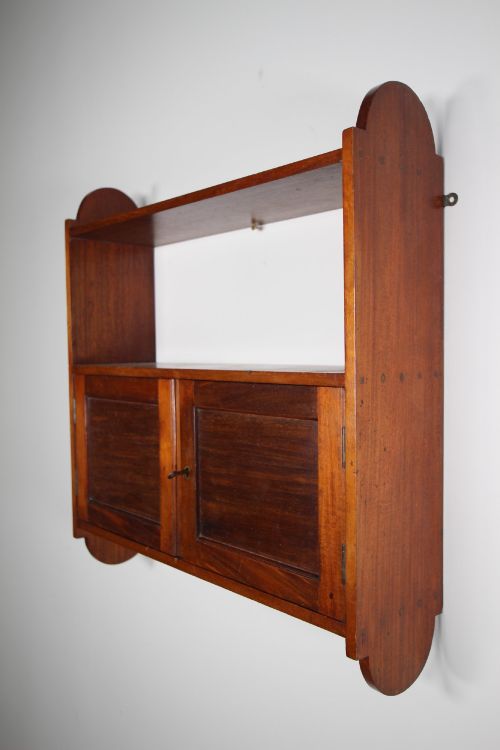
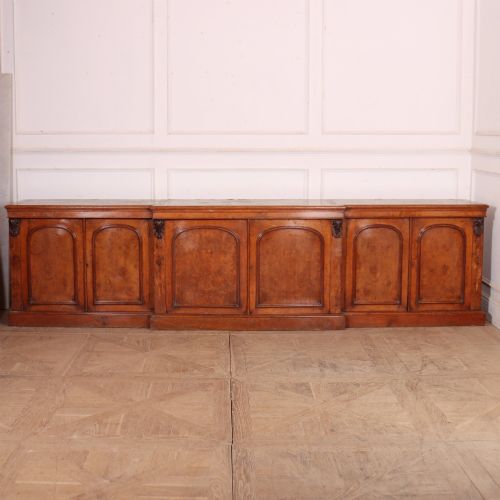
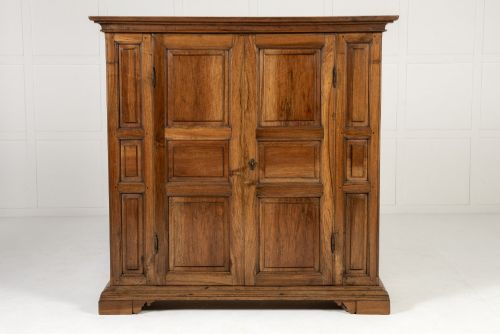
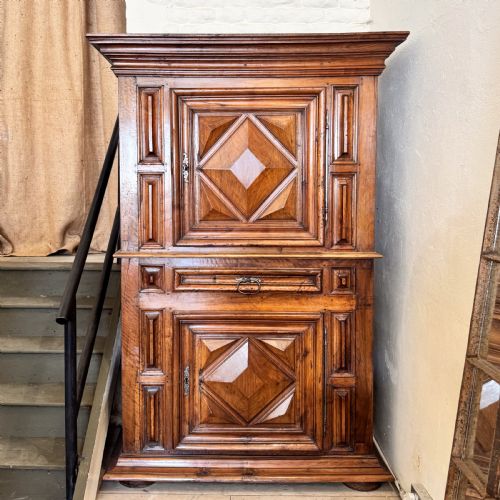
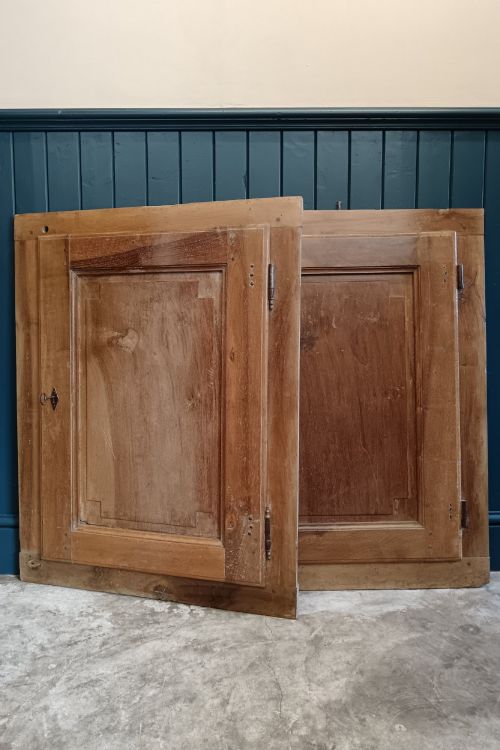
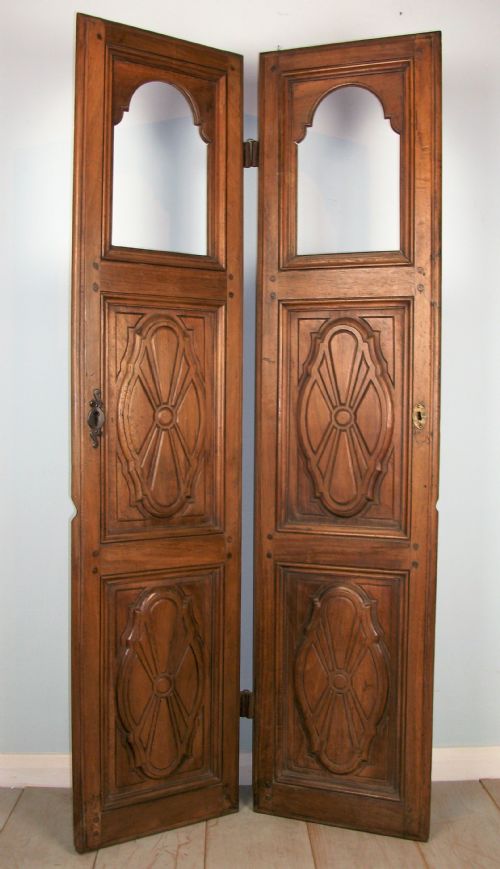
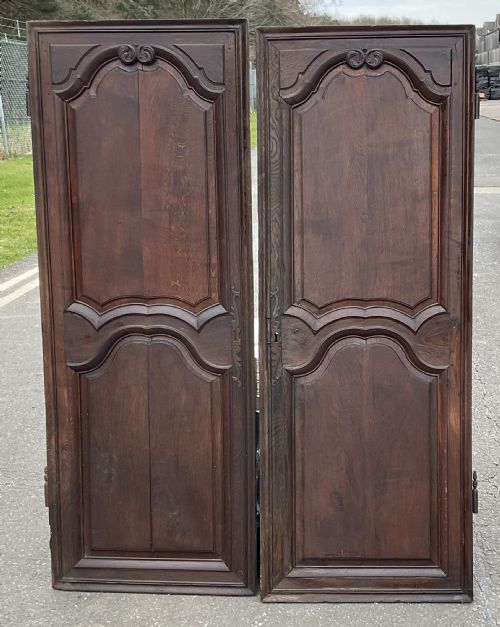
These walnut panelled doors bring deep timber grain and historic architectural presence to an interior space.
Walnut Panelled Doors
You are most likely to meet pairs of antique doors or cupboard doors originating from 18th century Italy or France. These pieces often arrive as salvaged architectural elements ready for fitted joinery or interior installation.
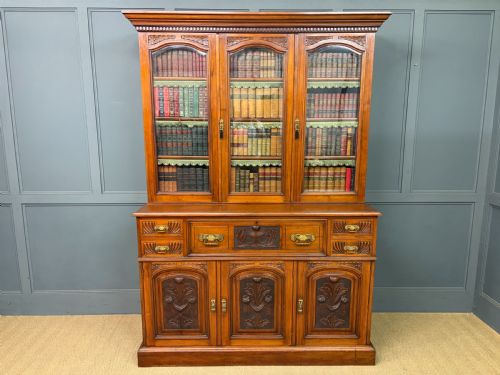
The evidence also shows similar timber treatments used across larger forms like wardrobes, bookcases, and cabinets. Understanding these origins helps separate regional styles from standard domestic joinery.
Materials and construction methods
Makers utilised solid walnut and burr walnut veneers applied to stable subsidiary woods to build these panels. The natural grain patterns dictated how boards were matched across the face of each door.
Iron and brass hardware frequently accompanied the timber, alongside occasional applications of paint or gold leaf. Traditional frame and panel construction allowed the wood to expand and contract with seasonal humidity changes.
Walnut Panelled Doors Retail Price Guide 2026
Typical asking prices for walnut panelled doors among the pieces listed under this phrase on Sellingantiques today, from the lower quarter to the upper quarter. They describe what is for sale here now, not the wider market.
The site listings feature walnut panelled doors spanning from the eighteenth century through to the Edwardian period.
Assessing quality in construction
Quality rests in the selection of the timber grain, particularly where burr walnut or matched veneers are deployed across the panels. Superior joinery displays tight mitres and structural stability within the original frame.
The depth of carving and the integrity of the surviving timber define the upper tier of these pieces. Lesser examples show simpler construction methods or heavy structural alterations from later centuries.
Whytock and Reid
The Walnut Panelled Doors Glossary
- Burr walnut
- A figured timber harvested from the warted growths on walnut trees. It yields complex, swirling patterns prized for high-end furniture.
- Architectural salvage
- Building elements rescued from older structures for reuse in new settings. These items retain historic joinery and surface wear.
- Frame and panel
- A woodworking technique where a central floating panel sits within a surrounding groove. This method prevents the wood from splitting as it moves.
- Compactum wardrobe
- A fitted wardrobe divided into internal compartments for various garments. It often incorporates panelled doors enclosing hanging space and drawers.
Walnut Panelled Doors: Frequently Asked Questions
How do I install antique doors?
These salvaged doors require careful adjustment by a traditional joiner to fit modern door frames. Historic timber often needs planing or custom framing to hang square.
Hardware placement must also be considered, as original iron or brass hinges may require specialist mounting to support the weight of the solid wood.
How do I clean walnut wood?
Dust the surface regularly with a soft, dry cloth to prevent grit accumulation on the polished finish. Avoid modern silicone sprays that can degrade historic wax.
Feed the timber periodically with a traditional beeswax polish to maintain the natural lustre of the grain without sealing the pores.
Can I use these doors outdoors?
These pieces are intended for interior use where humidity and temperature remain relatively stable. Exposure to rain and direct sunlight will damage the historic timber and veneer.
Exterior placement causes the wood to warp and the historic joints to fail within a short period.
How do I date an old door?
Examine the tool marks left on the timber, as hand-planed surfaces differ significantly from machine-cut boards. The style of the mouldings and the construction of the joints provide further clues.
Comparing the timber density and patina against documented examples from the same region helps narrow down the century of manufacture.