
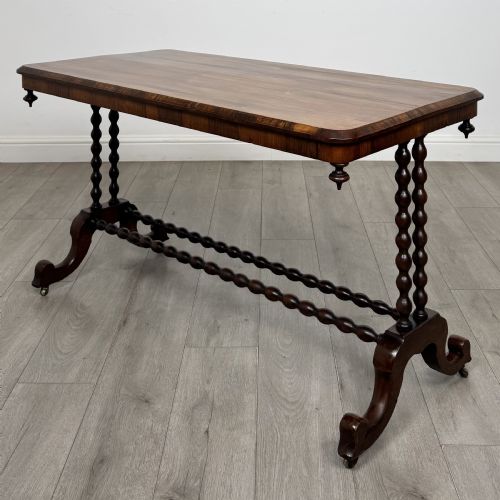
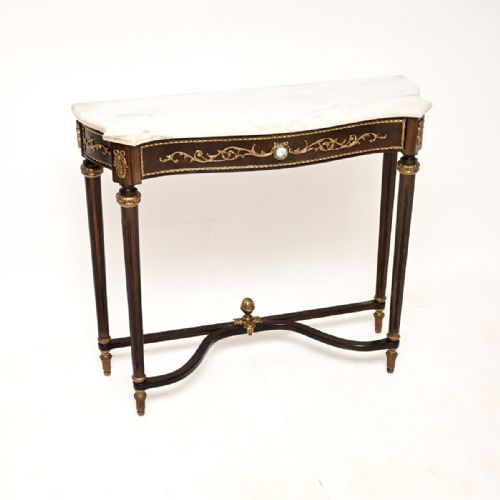
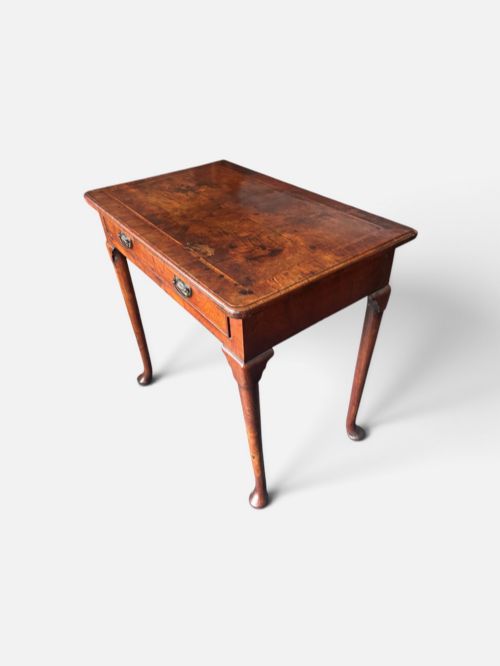
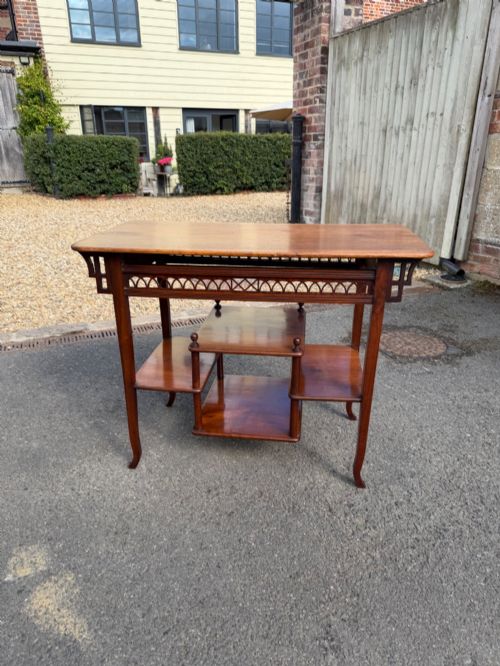
Walnut Hall Console
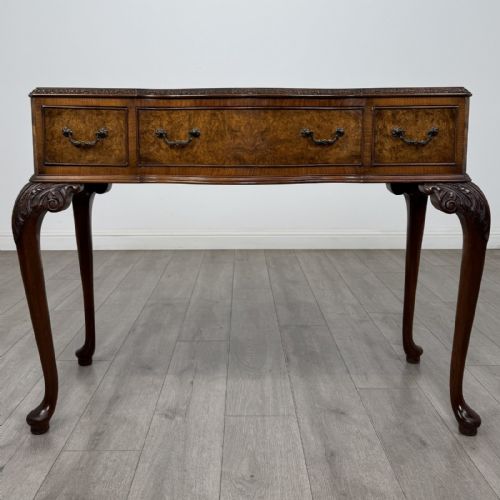
A walnut hall console brings substantial presence to an entryway, offering a narrow surface for daily essentials and drawing the eye with rich, figured grain.
Walnut Hall Console
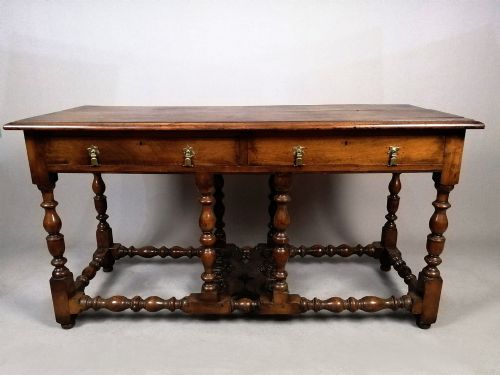
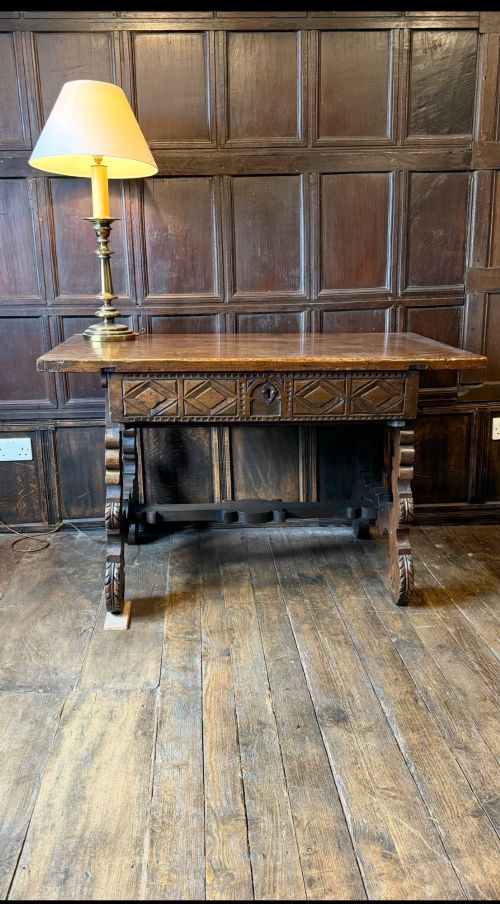
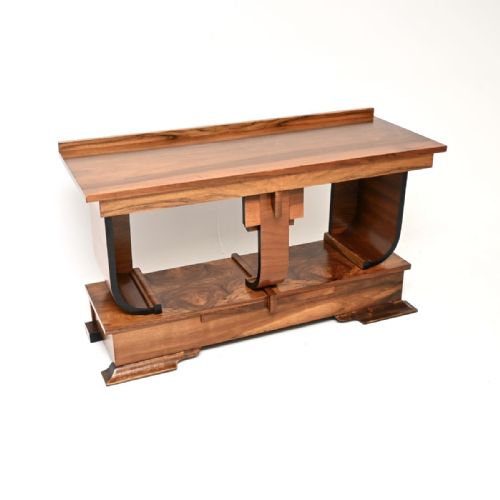
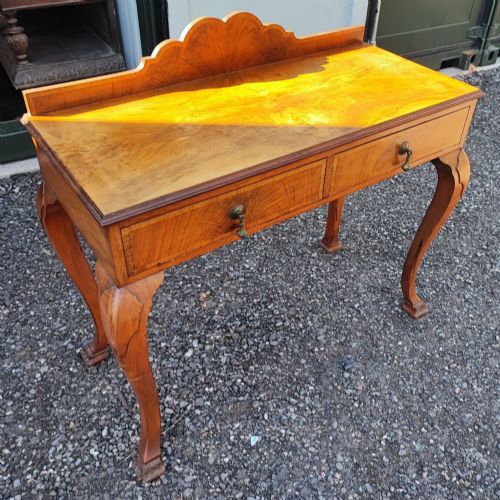
A walnut hall console is a narrow table designed specifically for corridors, hallways, and entrance spaces where floor space is at a premium. These pieces combine functional surface areas with decorative impact, often standing flush against a wall or functioning as a freestanding focal point.
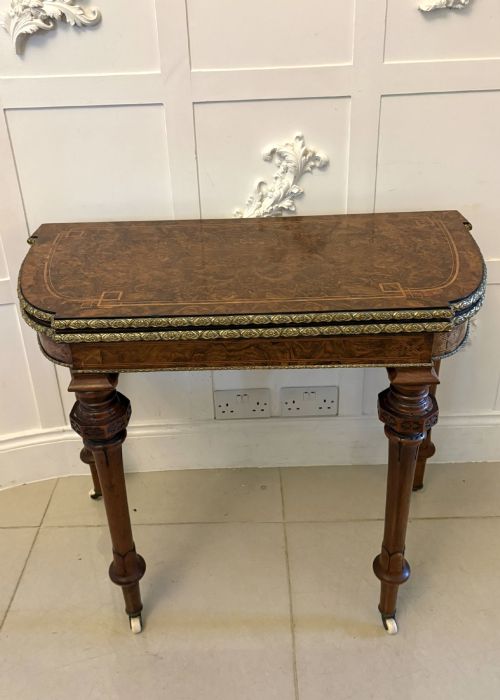
Originating across England, France, Italy, and Spain, these tables utilise various forms including demi-lune shapes, rectangular side tables, and card tables adapted for hallway placement. Their primary role remains providing a sophisticated drop-off surface that anchors an interior scheme.
Materials and construction methods
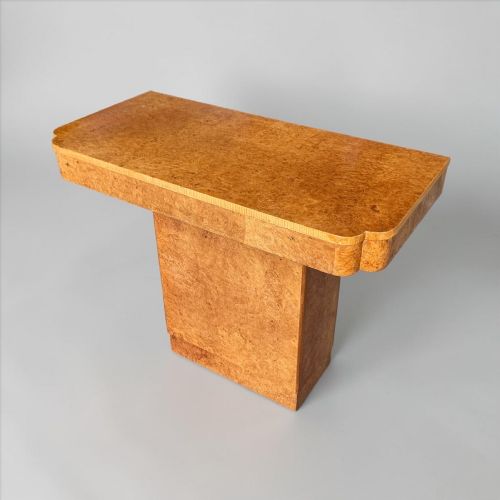
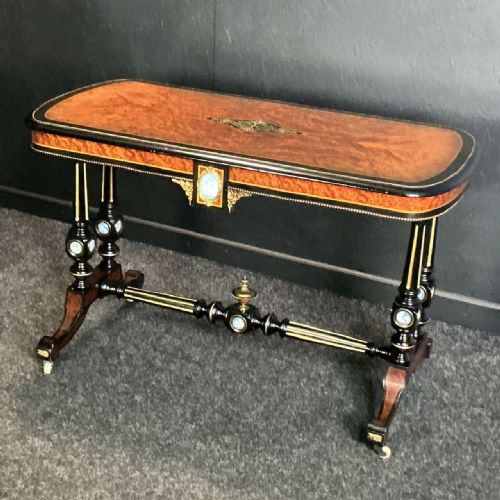
Makers rely heavily on solid walnut and burr walnut veneer, selected for deep, swirling grain patterns that catch the light in narrow corridors. Secondary woods like pine often form the internal structures, while decorative surfaces utilise marquetry, inlay, and ebonised detailing.
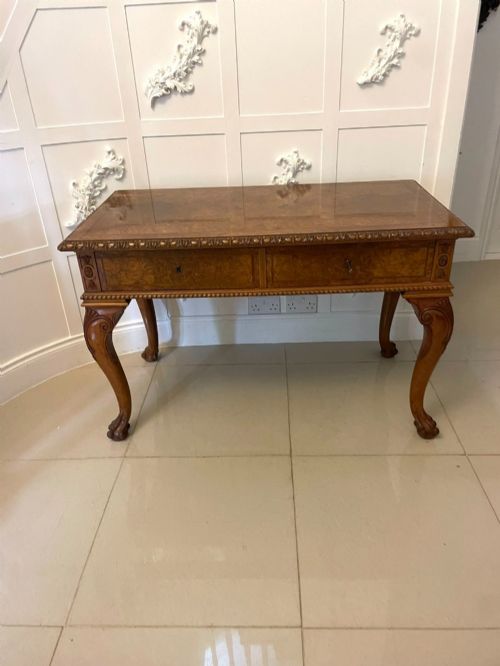
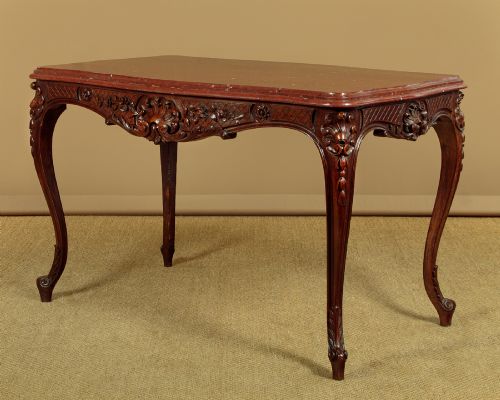
High-end examples incorporate cast or chased ormolu mounts, brass hardware, and occasionally inset marble or rouge marble tops that provide a cool, durable contrast to the warm timber. Carved wooden elements, from cabriole legs to intricate foliage, require skilled hand-tooling to achieve crisp relief.
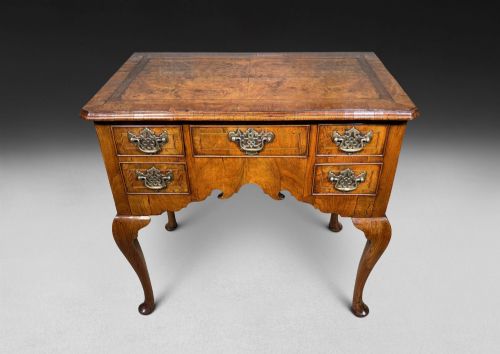
Construction techniques span traditional joinery, such as dovetailed drawers in lowboys, alongside sophisticated veneer layering on panel tops. French polishing finishes the exterior surfaces, sealing the wood while accentuating the natural figure and tone of the walnut.
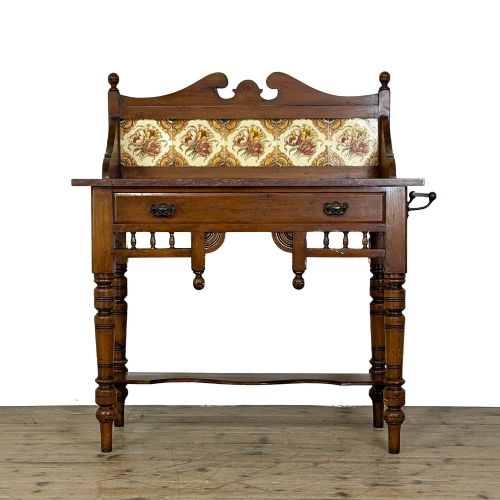
Certain Victorian examples double as card tables, ready to host an impromptu evening of whist right beside the front door.
Factors determining the grade of a piece
The selection of the timber dictates initial visual impact, with symmetrical burr walnut veneer commanding greater attention than plain, straight-grained walnut. The complexity and execution of hand-carved elements, such as cabriole legs or shell motifs, separate standard workshop output from exceptional cabinet-making.
Structural integrity and originality of components remain paramount, particularly the preservation of original mounts, handles, and marble tops without modern replacement. The crispness of marquetry work and the depth of the hand-applied finish indicate the original maker's skill and time investment.
Proportion and scale distinguish superior tables, where shallow depths for narrow hallways are achieved without compromising stability or balance. Maker attribution through stamps or documented provenance elevates specific pieces above anonymous regional furniture.
Hille·Maple and Co·I Waterer Chertsey·Liberty and Co·Gillows
The Walnut Hall Console Glossary
- Burr walnut
- Timber taken from a tree growth where the grain has grown in a deformed, swirling manner. This produces highly decorative patterns prized for tabletop veneers.
- Lowboy
- A small table with drawers, typically originating in the 18th century, used as a dressing table or side table in modern hallway settings.
- Ormolu
- Gilded bronze or brass mounts applied to furniture for decorative effect, frequently seen on 19th-century and revival console tables.
- Demi-lune
- A half-moon shape used for console tables designed to sit flat against a wall, saving valuable floor space in narrow entrances.
- Marquetry
- Decorative patterns formed by inserting pieces of wood, veneer, or other materials into a constructed wooden surface.
- Cabriole leg
- A furniture leg that curves out and then in, commonly ending in a pad or claw-and-ball foot on Queen Anne and Georgian pieces.
Walnut Hall Console: Frequently Asked Questions
Where should a walnut hall console be placed?
These tables find their natural home in entrance halls, corridors, and narrow passageways where their shallow depth prevents obstruction. They provide a convenient surface for incoming post and keys while establishing an immediate decorative tone.
Positioning them beneath a mirror or framed artwork creates a balanced focal point upon entering the home. Their finished backs occasionally allow them to float as freestanding room dividers in larger reception spaces.
How do I identify a George II walnut console?
George II period pieces typically exhibit robust proportions, rich figured walnut timber, and restrained carving such as shell motifs on the knees of cabriole legs. Drawer linings often feature oak or pine with hand-cut dovetails characteristic of 18th-century workshop production.
Checking beneath the top reveals traditional joinery methods and historic patination on the interior timbers. These tables lack the mass-produced uniformity found in later revival furniture.
What is the difference between a console and a lowboy?
A console table is primarily designed to stand against a wall, sometimes anchored to it, focusing on decorative display with or without shallow drawers. A lowboy functions as a small, freestanding table equipped with one to three operational drawers.
While lowboys originate primarily from the 18th century as multipurpose tables, console tables span numerous periods including Victorian and Art Deco revival styles. Both suit modern hallway use due to their compact footprints.
How do I care for burr walnut veneer?
Burr walnut veneer requires protection from direct sunlight and extreme humidity fluctuations to prevent the delicate grain patterns from splitting or lifting. Regular dusting with a soft, dry cloth preserves the polished finish without introducing moisture.
Occasional application of microcrystalline wax maintains the moisture barrier of the wood and enhances the figure. Avoid placing damp items directly onto antique timber surfaces.