

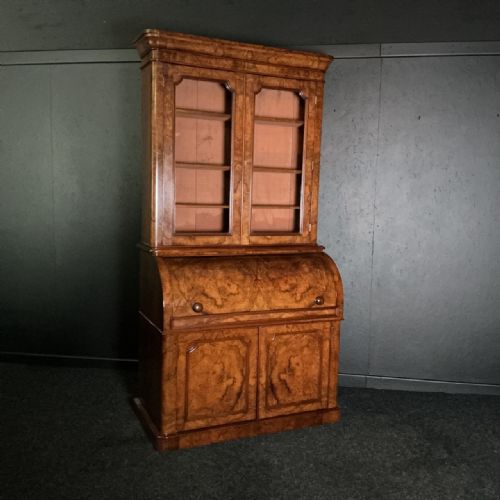
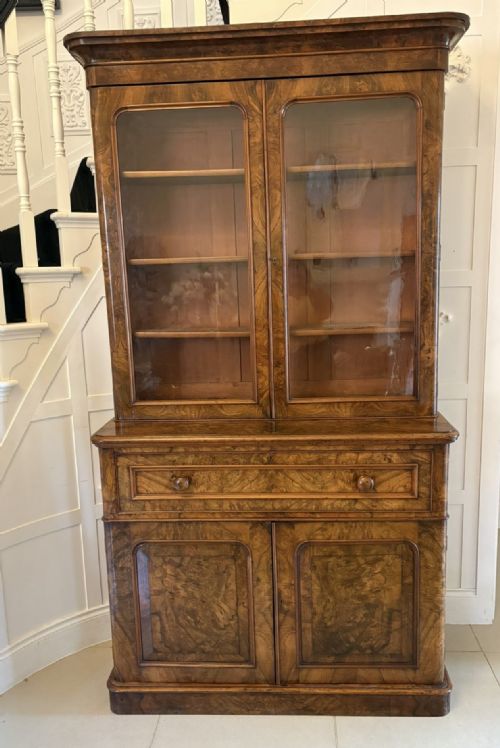


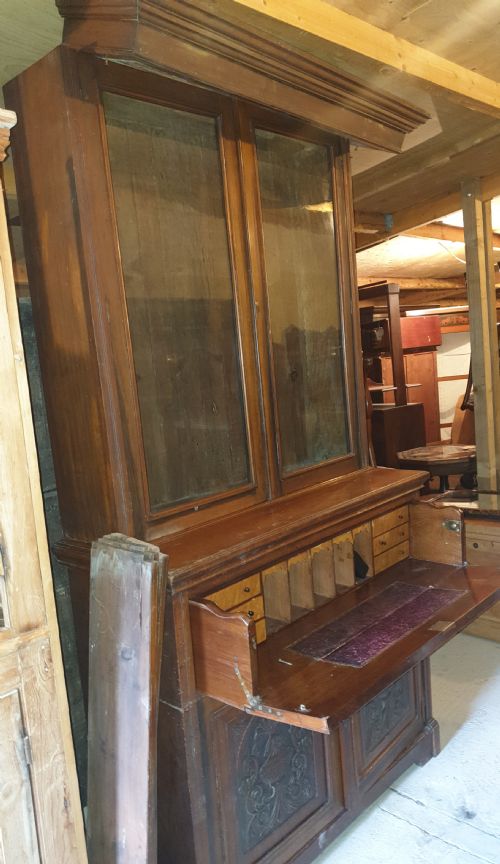

Walnut Glazed Secretary Desk
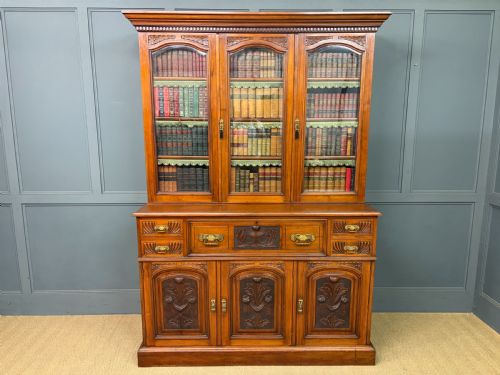
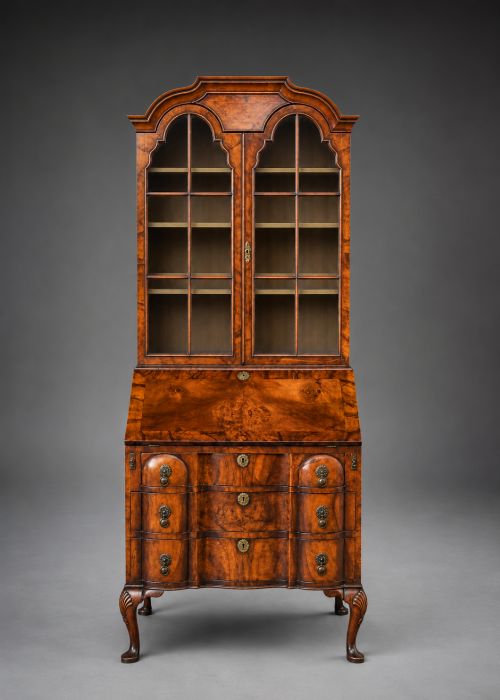
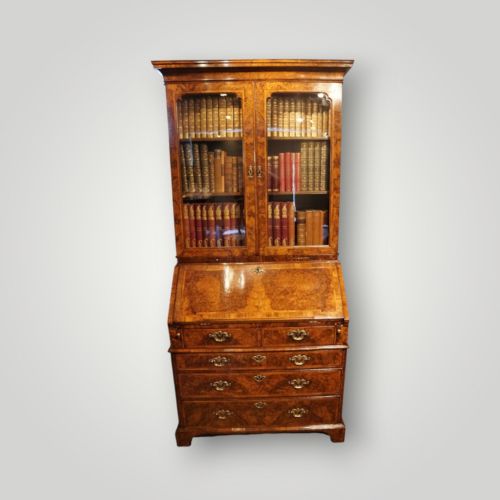
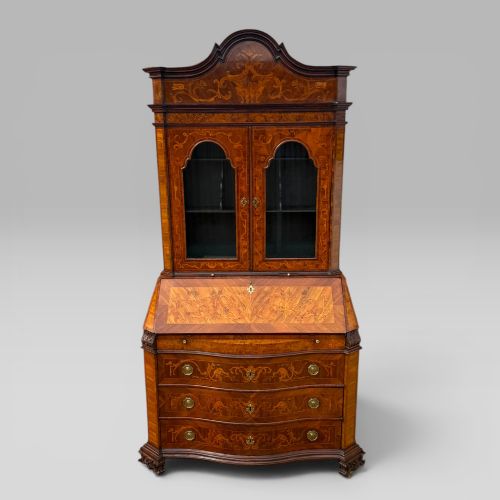
These walnut glazed secretary desk pieces combine enclosed writing compartments with upper display shelving, bringing both storage and elegance into a room.

Walnut Glazed Secretary Desk
When you search for a walnut glazed secretary desk, you encounter tall dual-purpose furniture pieces designed for both writing and book storage. The lower section typically incorporates a sloping writing flap or a pull-out secretaire drawer that reveals a fitted interior of small drawers and pigeonholes.
Forms vary from classic bureau bookcases in multiple sections to cylinder desks and Art Deco bureau cabinets. Makers from different eras employed varying proportions, ranging from monumental George I and George II models to more compact Edwardian reproductions.
What varies in quality
The quality of a walnut glazed secretary desk rests heavily on the selection and preservation of its wood veneers. Superior examples display rich figuring in the burr walnut and seamless matching of grain across the primary surfaces.
Construction methods and interior fittings also distinguish the tiers of quality. Pieces featuring elaborate fitted pigeonholes, sliding candle shelves, and robust three-section carcass construction represent higher levels of period craftsmanship.
Stylistic execution plays a role, with authentic 18th-century proportions differing notably from later revival pieces. The delicacy of the glazing bars and the integration of marquetry or carved details further define the craftsmanship standard.
Listings feature walnut timber alongside brass hardware, tulipwood, and glass, spanning periods from the 18th century through the Art Deco era.
The Walnut Glazed Secretary Desk Glossary
- Secretaire
- A piece of furniture containing a drawer or compartment that pulls down to form a writing surface. This feature conceals internal pigeonholes and small drawers.
- Burr walnut
- A prized timber harvested from the irregular growth or burl of a walnut tree. It produces intricate, swirling grain patterns highly valued in fine cabinetry.
- Marquetry
- The art of applying pieces of veneer to a structure to form decorative patterns and pictures. Craftsmen utilise various coloured woods to achieve detailed ornamentation.
- Candle slide
- A pull-out wooden board positioned beneath the upper doors to hold lighting. These slides provided illumination for the writing surface before the advent of gas and electric light.
- Bureau bookcase
- A combination furniture form comprising a sloping desk over drawers combined with an upper shelving cabinet. The upper section is frequently enclosed by glazed doors.
Walnut Glazed Secretary Desk: Frequently Asked Questions
What is a secretary desk?
A secretary desk is a form of furniture that combines a writing desk with storage compartments, often featuring a fold-down flap or pull-out drawer.
In many traditional designs, this writing compartment sits beneath a tall glazed bookcase section used for displaying books and decorative items.
How do I identify a George I walnut piece?
George I walnut furniture typically dates from the early 18th century and is characterised by clean architectural lines and rich figured veneers.
These pieces often feature sectional construction, candle slides, and finely fitted internal compartments behind the writing flap.
Where should I place a bureau bookcase?
A bureau bookcase functions well in a study, drawing room, or living space where its vertical proportions provide substantial storage without occupying excessive floor area.
Because these pieces incorporate glass doors, positioning them away from direct sunlight helps protect the walnut timber and interior papers.
What is the difference between Victorian and Edwardian styles?
Victorian pieces span a wide range of revival designs and heavy carved ornamentation, often utilising rich burr walnut veneers.
Edwardian pieces frequently look back to earlier periods like Queen Anne, producing lighter interpretations with graceful proportions and refined veneering.