
Walnut Fauteuil Chair
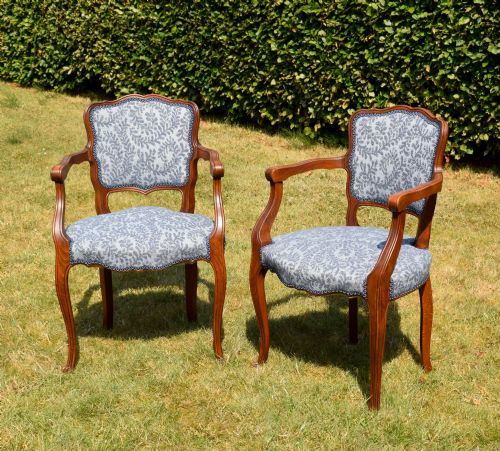
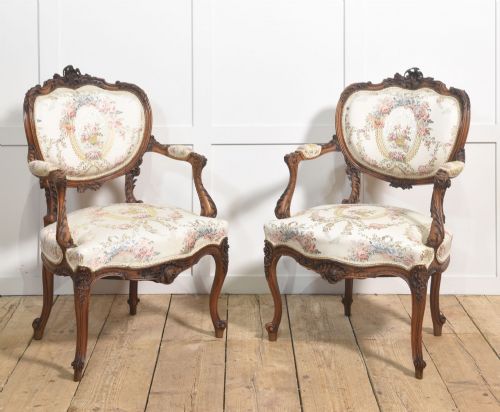
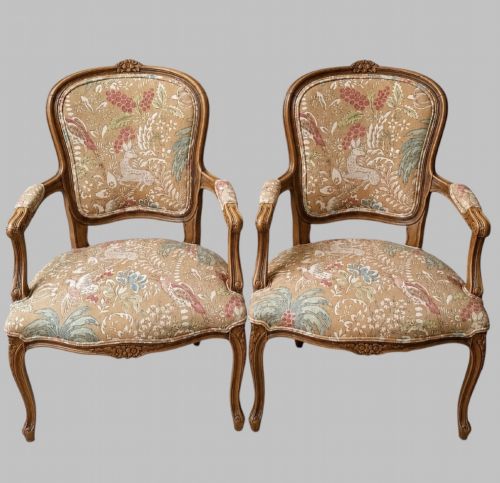
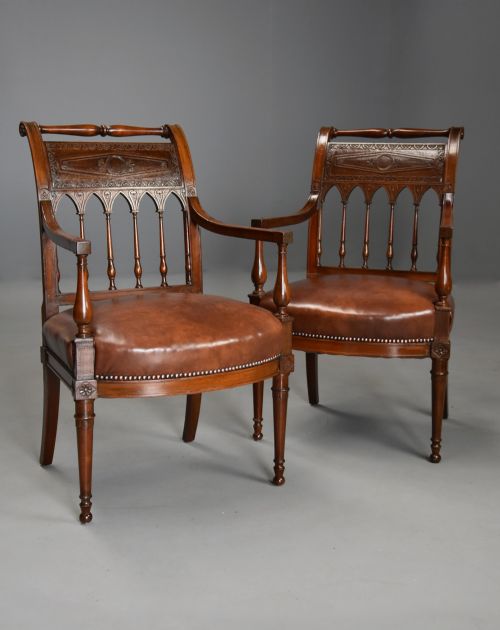
A walnut fauteuil chair brings distinct French period elegance to a room, offering an open upholstered seat shaped for comfort and style.
Walnut Fauteuil Chair
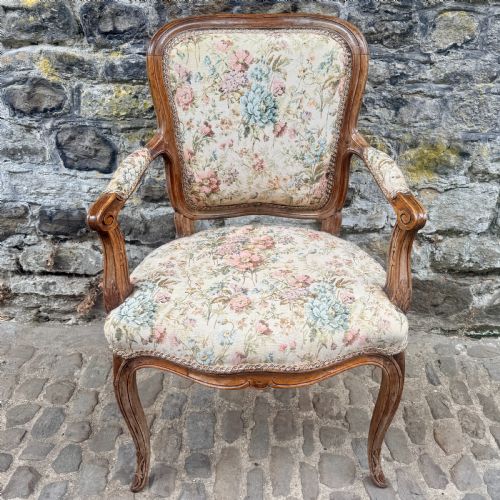
A walnut fauteuil chair represents a traditional open-arm seat developed primarily in France, featuring exposed wooden framing and upholstered elements. These pieces span from the late seventeenth century through the nineteenth century and into early twentieth-century revivals.
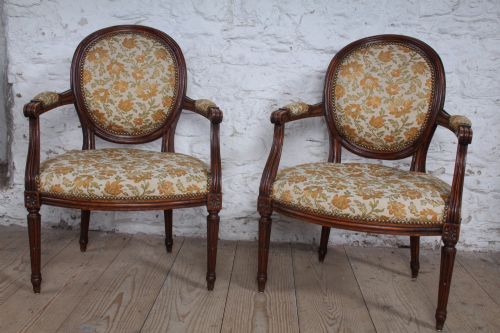
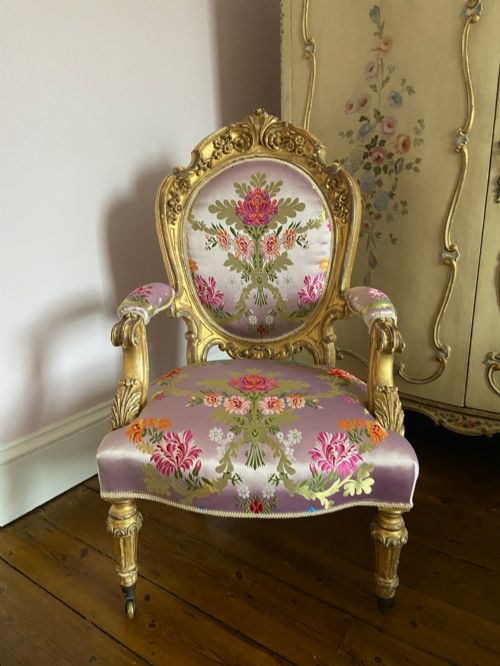
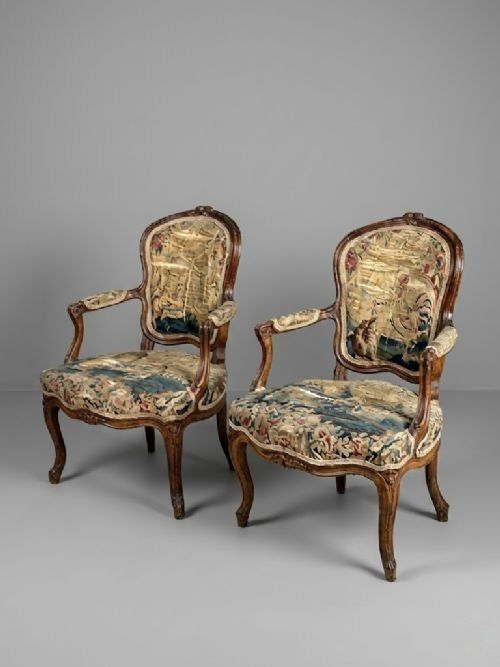
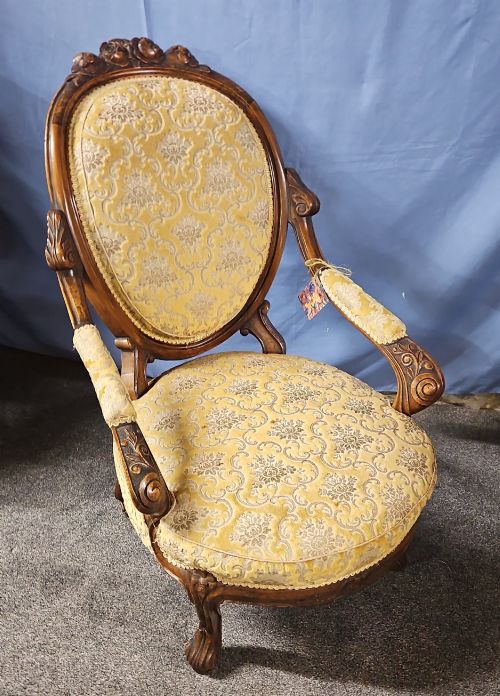
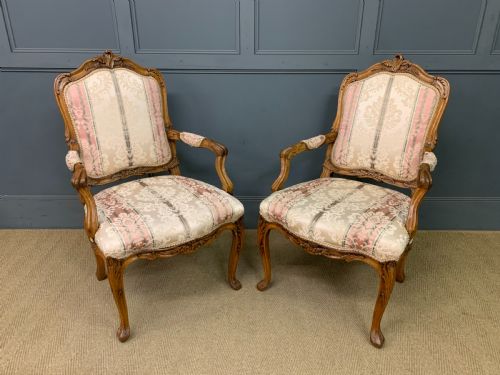
Buyers encountering this selection will most frequently find nineteenth-century examples executed in French revival styles such as Louis XV and Rococo. These range from single salon chairs to matched pairs and larger suites.
Originating as seating for grand interiors, these armchairs combine structural woodwork with decorative textiles. They function today as both practical seating and focal points in period or eclectic rooms.
How They Were Made
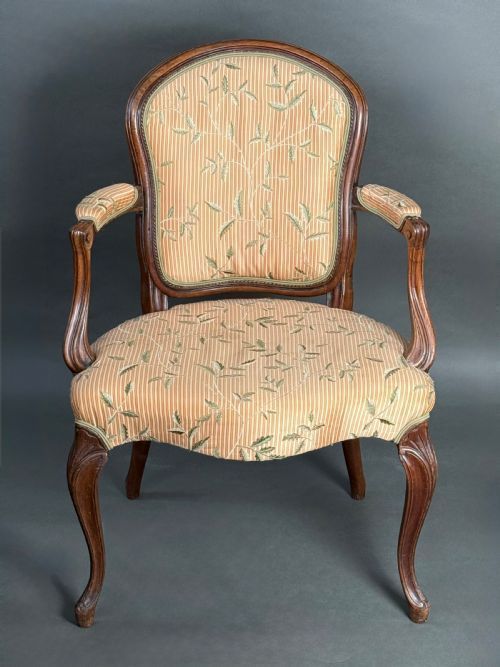
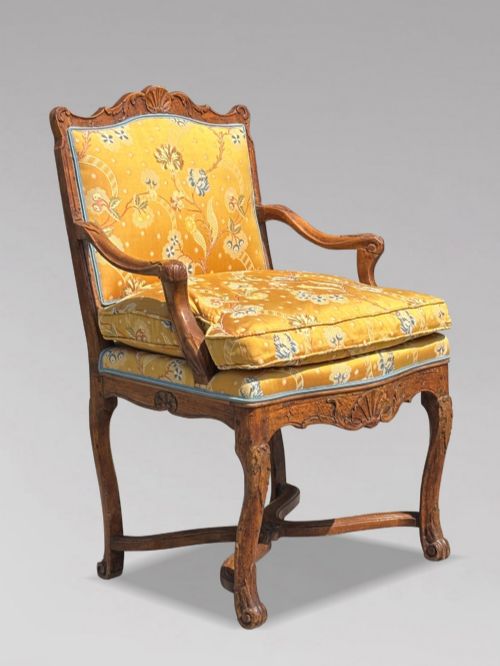
Makers utilised solid walnut for the structural frames, allowing for deep carving along the cabriole legs, armrests, and crest rails. This dense timber supported intricate hand-carved details without compromising the chair's load-bearing integrity.
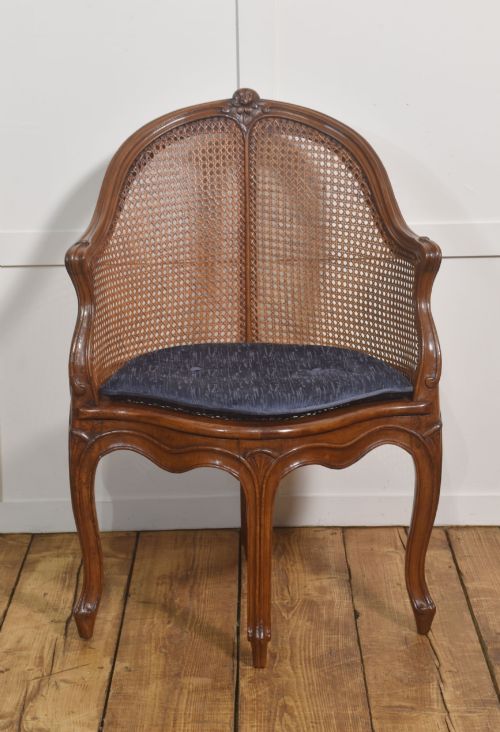
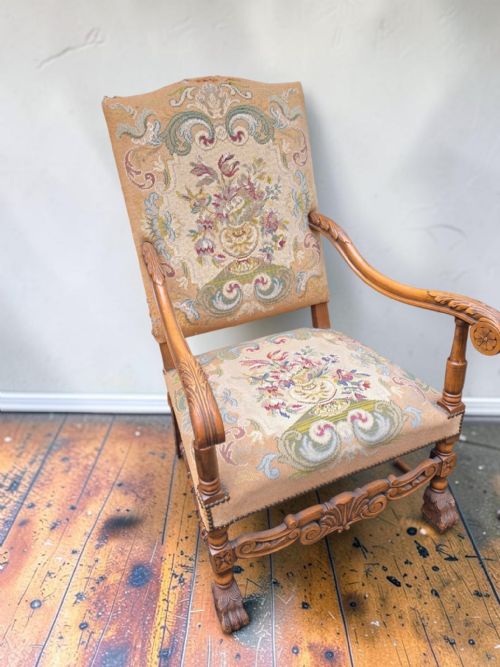
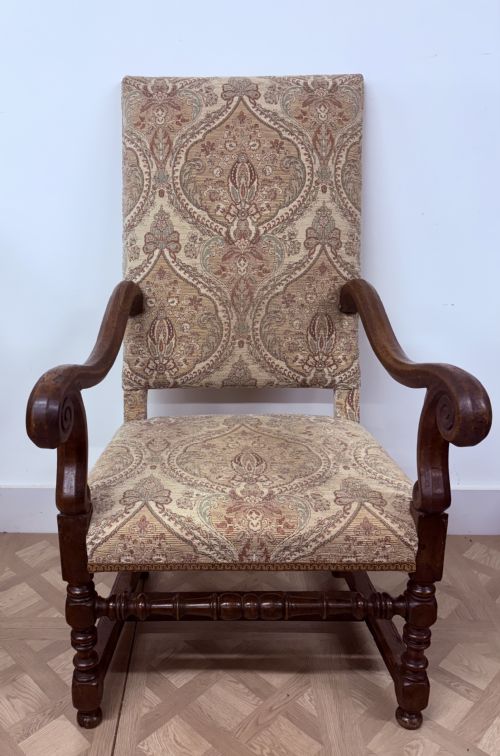
Traditional upholstery techniques secured textiles directly to the wooden frame using brass tacks or webbing. Workers applied materials like velvet, silk, needlepoint tapestry, and cane to the seats and tall backs.
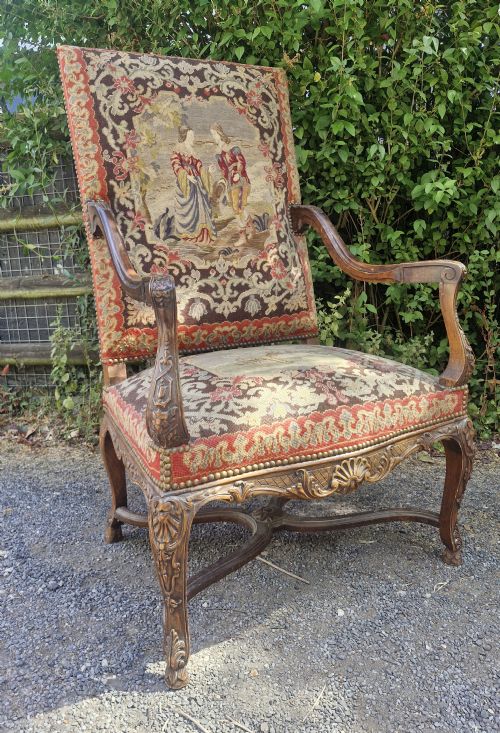
Upholstery materials recorded on these frames include silk from Colefax and Fowler, hand-stitched needlepoint tapestry, velvet, and woven cane.
What Varies in Quality
The standard of carving distinguishes different grades of execution, separating fluid, deeply undercut hand-cut ornamentation from shallow or mechanical work. Frame construction integrity and timber selection also drive distinctions across the range.
Original textiles and period hand-stitched needlework elevate a piece above later re-coverings, while the presence of matched pairs or complete salon suites indicates higher original commission status.
The Walnut Fauteuil Chair Glossary
- Aubusson
- A style of tapestry woven in France, frequently utilised for chair covers and upholstery panels. These textiles display floral or pastoral pictorial scenes.
- Cane
- Material woven from stripped rattan utilised for chair seats and backs. This technique provides a lightweight, flexible panel within a solid wooden frame.
- Rococo Revival
- A nineteenth-century design movement imitating eighteenth-century French styles. It incorporates asymmetrical curves, C-scrolls, and naturalistic floral motifs.
Walnut Fauteuil Chair: Frequently Asked Questions
How do I identify a true period fauteuil from a later revival?
Examine the construction methods, tool marks on the timber framework, and the wear patterns on the walnut surfaces. Eighteenth-century originals show distinct hand-tooling, whereas nineteenth-century revivals often display machine assistance or characteristic nineteenth-century joinery.
Style vocabulary also helps separate the eras. True pieces align with the reigning monarch's aesthetic, while revival pieces mix motifs from Louis XV or Louis XVI periods with Victorian proportions.
Where should I place a walnut fauteuil chair in my home?
These open-armed seats suit studies, drawing rooms, or bedrooms as occasional reading or accent chairs. Their decorative carved walnut frames and upholstered backs mean they look effective when viewed from the side or behind in an open room layout.
Keep them away from direct sunlight and heat sources to protect the vintage textiles and walnut timber finish. Pairing armchairs opposite a sofa creates a balanced seating arrangement.
How should I care for antique upholstery on these chairs?
Protect delicate textiles such as silk, velvet, and needlepoint tapestry by vacuuming them gently with a soft brush attachment. Avoid harsh chemical cleaners and professional steam cleaning, which can damage aged natural fibres and antique padding.
For cane panels, apply a damp sponge occasionally to prevent the rattan from drying out and snapping. Professional conservation is recommended for fragile eighteenth-century needlework covers.